



Low Potassium Diet
Potassium is a mineral found in many foods. Potassium balance is necessary to help maintain a regular heartbeat and proper muscle function. In certain conditions potassium levels in the body may be too high.
Keeping a Low Potassium Level
You can reduce your potassium intake by avoiding or limiting foods high in potassium and by selecting foods with lower potassium content. Most foods contain potassium, so it is also important to control portion sizes.
General Guidelines for a Low Potassium Diet
Use the lists on the back as a guide for selecting foods that contain potassium. Ask your nutritionist about foods not on these lists.
Use the following guide for meal planning:
____ servings a day of high potassium content foods (250 to 500mg per serving)
____ servings a day of medium potassium content foods (150 to 250mg per serving)
____ servings a day of low potassium content foods (5 to 150mg per serving)
Tips to Lower the Amount of Potassium in Your Diet
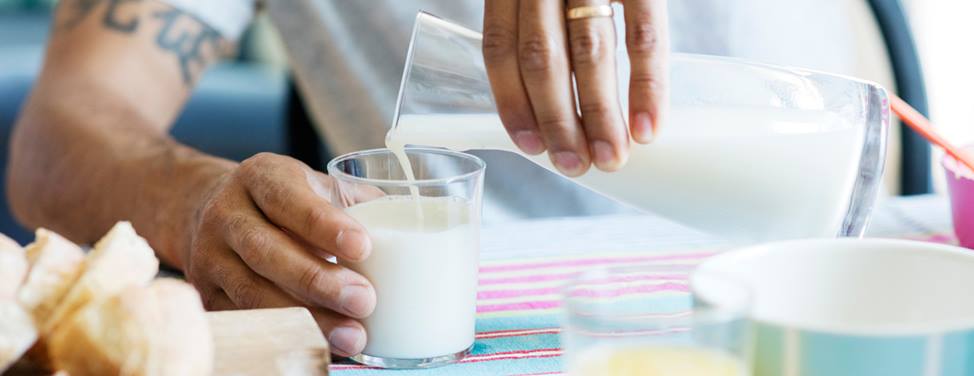
- Milk is high in potassium. Limit milk to 1 cup per day unless otherwise instructed.
- To reduce the potassium in cooked vegetables, cook in a large amount of unsalted water, drain and discard the liquid.
- Follow the steps below to reduce the potassium in potatoes:
- Peel and cut potatoes into ðc inch pieces.
- Allow to stand for at least 2 hours, or overnight, in a large amount of unsalted water.
- Drain, rinse, and drain the potatoes again.
- Cook in a large amount of unsalted water.
- Drain and discard water.
UCSF Health medical specialists have reviewed this information. It is for educational purposes only and is not intended to replace the advice of your doctor or other health care provider. We encourage you to discuss any questions or concerns you may have with your provider.