




Guidelines for a Low Sodium Diet
Low Sodium Diet
A main source of sodium is table salt. The average American eats five or more teaspoons of salt each day. This is about 20 times as much as the body needs. In fact, your body needs only 1/4 teaspoon of salt every day. Sodium is found naturally in foods, but a lot of it is added during processing and preparation. Many foods that do not taste salty may still be high in sodium. Large amounts of sodium can be hidden in canned, processed and convenience foods. And sodium can be found in many foods that are served at fast food restaurants.
Sodium controls fluid balance in our bodies and maintains blood volume and blood pressure. Eating too much sodium may raise blood pressure and cause fluid retention, which could lead to swelling of the legs and feet or other health issues.
When limiting sodium in your diet, a common target is to eat less than 2,000 milligrams of sodium per day.
Continue reading
General Guidelines for Cutting Down on Salt
- Eliminate salty foods from your diet and reduce the amount of salt used in cooking. Sea salt is no better than regular salt.
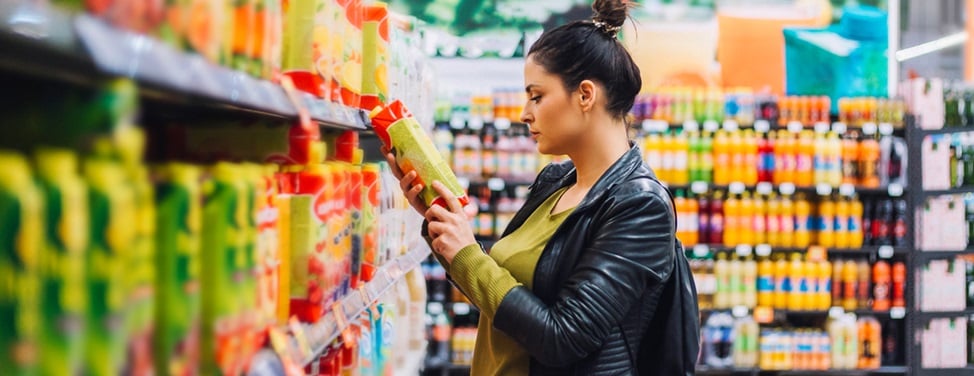
- Choose low sodium foods. Many salt-free or reduced salt products are available. When reading food labels, low sodium is defined as 140 mg of sodium per serving.
- Salt substitutes are sometimes made from potassium, so read the label. If you are on a low potassium diet, then check with your doctor before using those salt substitutes.
- Be creative and season your foods with spices, herbs, lemon, garlic, ginger, vinegar and pepper. Remove the salt shaker from the table.
- Read ingredient labels to identify foods high in sodium. Items with 400 mg or more of sodium are high in sodium. High sodium food additives include salt, brine, or other items that say sodium, such as monosodium glutamate.
- Eat more home-cooked meals. Foods cooked from scratch are naturally lower in sodium than most instant and boxed mixes.
- Don't use softened water for cooking and drinking since it contains added salt.
- Avoid medications which contain sodium such as Alka Seltzer and Bromo Seltzer.
- For more information; food composition books are available which tell how much sodium is in food. Online sources such as www.calorieking.com also list amounts.
Meats, Poultry, Fish, Legumes, Eggs and Nuts
High-Sodium Foods
- Smoked, cured, salted or canned meat, fish or poultry including bacon, cold cuts, ham, frankfurters, sausage, sardines, caviar and anchovies
- Frozen breaded meats and dinners, such as burritos and pizza
- Canned entrees, such as ravioli, spam and chili
- Salted nuts
- Beans canned with salt added
Low-Sodium Alternatives
- Any fresh or frozen beef, lamb, pork, poultry and fish
- Eggs and egg substitutes
- Low-sodium peanut butter
- Dry peas and beans (not canned)
- Low-sodium canned fish
- Drained, water or oil packed canned fish or poultry
Dairy Products
High-Sodium Foods
- Buttermilk
- Regular and processed cheese, cheese spreads and sauces
- Cottage cheese
Low-Sodium Alternatives
- Milk, yogurt, ice cream and ice milk
- Low-sodium cheeses, cream cheese, ricotta cheese and mozzarella
Breads, Grains and Cereals
High-Sodium Foods
- Bread and rolls with salted tops
- Quick breads, self-rising flour, biscuit, pancake and waffle mixes
- Pizza, croutons and salted crackers
- Prepackaged, processed mixes for potatoes, rice, pasta and stuffing
Low-Sodium Alternatives
- Breads, bagels and rolls without salted tops
- Muffins and most ready-to-eat cereals
- All rice and pasta, but do not to add salt when cooking
- Low-sodium corn and flour tortillas and noodles
- Low-sodium crackers and breadsticks
- Unsalted popcorn, chips and pretzels
Vegetables and Fruits
High-Sodium Foods
- Regular canned vegetables and vegetable juices
- Olives, pickles, sauerkraut and other pickled vegetables
- Vegetables made with ham, bacon or salted pork
- Packaged mixes, such as scalloped or au gratin potatoes, frozen hash browns and Tater Tots
- Commercially prepared pasta and tomato sauces and salsa
Low-Sodium Alternatives
- Fresh and frozen vegetables without sauces
- Low-sodium canned vegetables, sauces and juices
- Fresh potatoes, frozen French fries and instant mashed potatoes
- Low-salt tomato or V-8 juice.
- Most fresh, frozen and canned fruit
- Dried fruits
Soups
High-Sodium Foods
- Regular canned and dehydrated soup, broth and bouillon
- Cup of noodles and seasoned ramen mixes
Low-Sodium Alternatives
- Low-sodium canned and dehydrated soups, broth and bouillon
- Homemade soups without added salt
Fats, Desserts and Sweets
High-Sodium Foods
- Soy sauce, seasoning salt, other sauces and marinades
- Bottled salad dressings, regular salad dressing with bacon bits
- Salted butter or margarine
- Instant pudding and cake
- Large portions of ketchup, mustard
Low-Sodium Alternatives
- Vinegar, unsalted butter or margarine
- Vegetable oils and low sodium sauces and salad dressings
- Mayonnaise
- All desserts made without salt
UCSF Health medical specialists have reviewed this information. It is for educational purposes only and is not intended to replace the advice of your doctor or other health care provider. We encourage you to discuss any questions or concerns you may have with your provider.