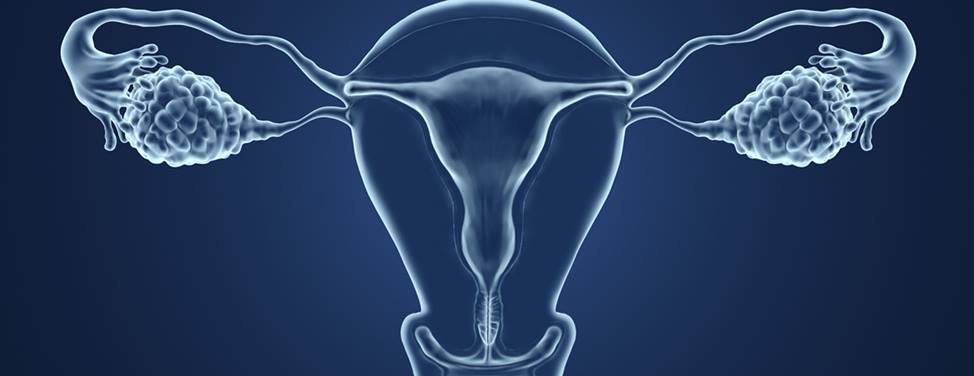



A myomectomy is an operation to remove fibroids while preserving the uterus. For women who have fibroid symptoms and want to have children in the future, myomectomy is the best treatment option.
Myomectomy
Myomectomy is very effective, but fibroids can re-grow. The younger you are and the more fibroids you have at the time of myomectomy, the more likely you are to develop fibroids again in the future. Women nearing menopause are the least likely to have recurring problems from fibroids after a myomectomy.
A myomectomy can be performed several different ways. Depending on the size, number and location of your fibroids, you may be eligible for an abdominal myomectomy, a laparoscopic myomectomy or a hysteroscopic myomectomy.
Abdominal myomectomy
Also known as an "open" myomectomy, an abdominal myomectomy is a major surgical procedure. It involves making an incision through the skin on the lower abdomen, known as a "bikini cut," and removing the fibroids from the wall of the uterus. The uterine muscle is then sewn back together using several layers of stitches. You will be asleep during the procedure.
Blood loss during the surgery may require a blood transfusion. Some women store their blood before the operation in order to receive their own blood rather than blood from the blood bank.
Most women spend two nights in the hospital and four to six weeks recovering at home. After the procedure, you will have a four-inch horizontal scar near your pubic hair or "bikini" line.
After a myomectomy, your doctor may recommend a Caesarean section (C-section) for the delivery of future pregnancies. This is to reduce the chance that your uterus could open apart during labor. The need for C-section will depend on how deeply the fibroids were embedded in the wall of the uterus at the time of surgical removal.
It is also important to note that new fibroids may develop, resulting in recurrent symptoms and additional procedures.
Risks
Like any surgical procedure, an abdominal myomectomy does have some risks, though rare. About 5 percent of women develop an infection after surgery that is treated with antibiotics in the hospital for as many as five days. About 5 percent of women develop a wound infection. Although the wound infection is treated at home, frequent visits to the doctor's office for up to six weeks is required.
Laparoscopic myomectomy
Only certain fibroids can be removed by a laparoscopic myomectomy. If the fibroids are large, numerous or deeply embedded in the uterus, then an abdominal myomectomy may be necessary. Also, sometimes during the operation it is necessary to switch from a laparoscopic myomectomy to an abdominal myomectomy.
You will be asleep during the procedure, which is performed in the operating room. First, four one-centimeter incisions are made in the lower abdomen: one at the navel (belly button), one below the bikini line (near the pubic hair) and one near each hip. The abdominal cavity is then filled with carbon dioxide gas. A thin, lighted telescope, called a laparoscope, is placed through an incision, allowing doctors to see the ovaries, fallopian tubes and uterus. Long instruments, inserted through the other incisions, are used to remove the fibroids. The uterine muscle is sewn back together. At the end of the procedure, the gas is released and the skin incisions are closed.
Most women spend one night in the hospital and two to four weeks recovering at home. After the procedure, you will have small scars on your skin where the incisions were made.
Continue reading
Risks
Like any surgical procedure, a laparoscopic myomectomy does have some risks, though rare. Complications may include injuries to internal organs and bleeding. Also, your uterus may be weaker after surgery. Therefore, women planning to become pregnant in the future are usually encouraged to have an abdominal myomectomy.
It is also important to note that new fibroids may develop, resulting in recurrent symptoms and additional procedures.
Hysteroscopic myomectomy
Only women with submucosal fibroids are eligible for a hysteroscopic myomectomy. Fibroids located within the uterine wall cannot be removed with this technique.
This is an outpatient surgical procedure, during which the patient is usually asleep. During the procedure, you will lie on your back with your feet held in gynecology stirrups. A speculum is placed in the vagina. A long, slender "telescope" is placed through the cervix into the uterine cavity. Fluid is introduced into the uterine cavity to lift apart the walls. Instruments passed through the hysteroscope are used to shave off the submucosal fibroids.
After the procedure, you will be able to go home after several hours of observation in the recovery room.
You may experience cramping and light bleeding after the procedure. Typical recovery involves one to four days of resting at home. You will not have any scars on your skin after the procedure.
UCSF Health medical specialists have reviewed this information. It is for educational purposes only and is not intended to replace the advice of your doctor or other health care provider. We encourage you to discuss any questions or concerns you may have with your provider.