


Recovering from Hip Replacement Surgery
In the Hospital
After your hip replacement surgery, you'll be monitored in the recovery room for several hours and then taken to your hospital room.
You may feel some pain. We'll give you medication to make you as comfortable as possible. Anesthesia can depress your breathing and stifle your urge to cough, which may cause mucus to build up in your lungs. Breathing deeply and coughing frequently helps keep your lungs clear.
The typical hospital stay after hip replacement is one night, but some patients stay longer, while others go home on their surgery day. Please contact our office if you're interested in our outpatient program.
Physical Therapy
Regular exercise designed to restore strength and mobility to your hip is essential to making a full recovery. Another important element is the gradual return to everyday activities.
During your hospital stay, you'll work closely with our physical therapists. They'll get you up and walking with either a walker or crutches, have you practice climbing stairs and provide instructions for a gentle home exercise program.
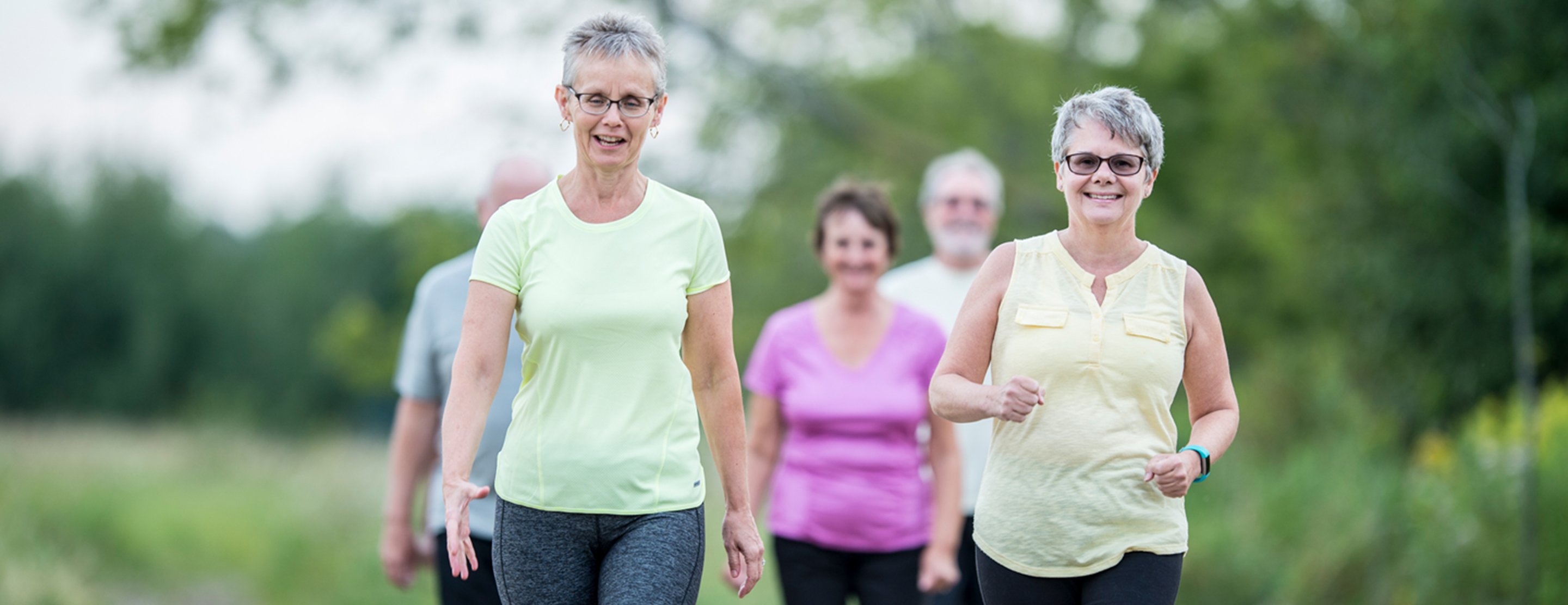
Once you leave the hospital, you'll gradually increase the distances you walk and resume most normal physical activities in three to six weeks.
Continue reading
In-Home Physical Therapy
Some patients benefit from physical therapy provided by agencies that come into your home. If you need home care, a UCSF hospital discharge planner or nurse case manager will make arrangements for you. Patients typically meet with the physical therapist twice a week for the first two to three weeks, depending on their home environment and needs.
Outpatient Physical Therapy
Outpatient physical therapy isn't necessary if you feel comfortable with your home exercise and walking program. If you decide to try it, we recommend waiting at least two weeks after surgery before starting.
If you're interested in outpatient physical therapy after your surgery, locate a suitable practice. Many physical therapists are booked weeks in advance, so it's best to find a facility well before surgery and make sure your insurance is accepted there. Let us know your selection, and we'll send a referral.
Recovery at Home
It's crucial to continue following your orthopedic surgeon's instructions at home, especially in the first few weeks after surgery.
Caring for Your Incision
You may remove your surgical bandage after five days. If you have sutures or staples, keep your incision clean and dry until they're removed – 10 to 14 days after surgery. When you shower, you'll need to cover the incision so it doesn't get wet. You'll be given supplies and instructions for this when you're discharged.
If you have adhesive skin closures (Steri-Strips), it's fine to let soap and water run gently over your incision when you shower. Don't submerge the area in water until all the strips have fallen off and the incision is well healed.
Contact our office immediately if you develop any signs of infection. These include:
- Redness around the incision
- Drainage from the incision
- Flu-like symptoms, such as fever and chills
How to Reduce Swelling
Blood circulation in your affected leg will be sluggish after surgery, leading to a swollen calf and ankle. Swelling lasts 12 weeks on average but should diminish with each passing week.
To reduce swelling, we recommend resting with your legs elevated – knees above the level of your heart – four or five times a day for 15 to 20 minutes each time. Apply a cold pack to any sore or swollen areas for 15 to 20 minutes at least four or five times a day.
Your walking program will also help bring down the swelling.
How to Prevent Blood Clots
Physical activity is the key to reducing your risk of developing deep vein thrombosis (DVT) – a dangerous blood clot deep inside your body. Walking – even short distances – promotes blood circulation, so during the day, get up every one to two hours and walk across the room. Point and flex your ankles frequently while seated. Also, remember to take your prescribed blood-thinning medication.
Symptoms of a blood clot include:
- New or increased swelling of the affected leg that doesn't go down in the morning or after elevation
- Pain when you touch your calf in a distinct area that doesn't subside with ice, elevation and pain medication
If you have one of these symptoms, contact our office immediately for guidance. If the office is closed, a doctor will be on call.
Follow-Up Care
In the first year after surgery, you'll have regular follow-up visits with your orthopedic surgeon.
At these visits, we'll take X-rays and discuss your comfort level, your mobility, how your new hip is working for you and any concerns you might have. We'll make sure you're healing well and progressing toward your recovery goals.
UCSF Health medical specialists have reviewed this information. It is for educational purposes only and is not intended to replace the advice of your doctor or other health care provider. We encourage you to discuss any questions or concerns you may have with your provider.