


UCSF Health's blood disorders specialists care for all types of blood conditions, including blood-related cancers, marrow failure, anemias, and bleeding and clotting disorders. The diagnosis and treatment process can be emotionally and physically challenging, and we are dedicated to providing the most advanced treatment options as well as support services for patients and their caregivers.
Our specialty services include a renowned blood and marrow transplant program as well as a state and federally designated comprehensive treatment center for patients with hemophilia and other bleeding disorders.
We are part of the UCSF Helen Diller Family Comprehensive Cancer Center.
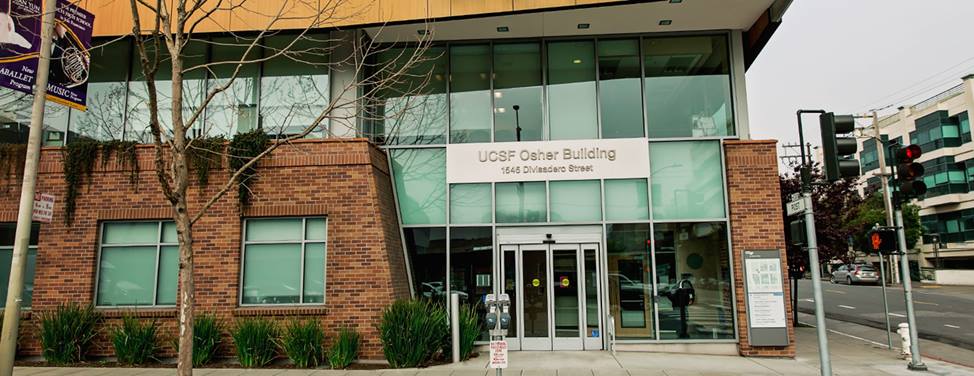
Find a clinic

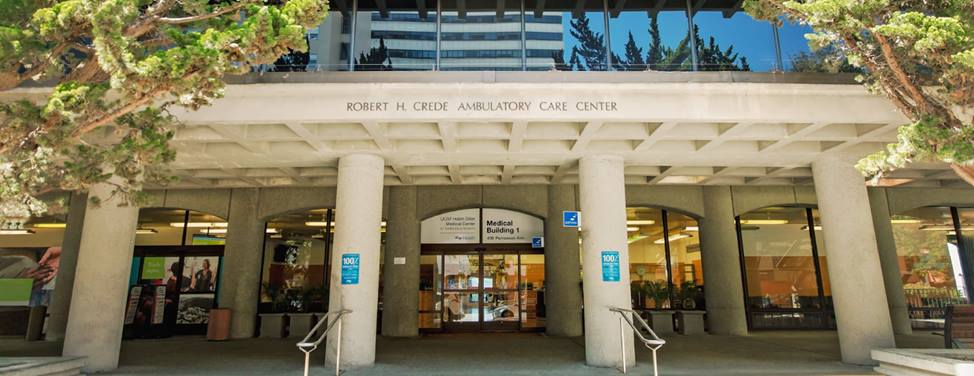
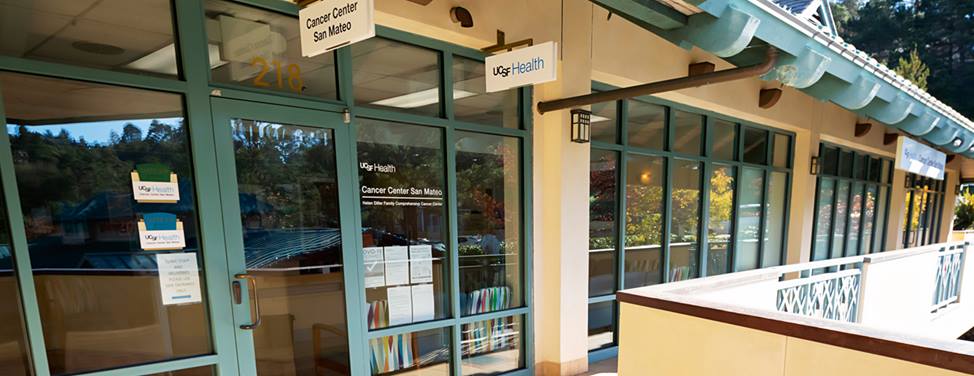
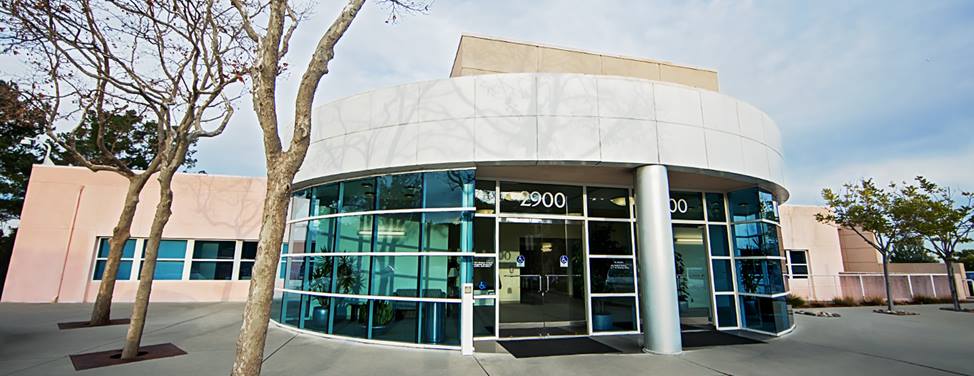

Related clinics

Awards & recognition
-
Among the top hospitals in the nation
-
Best in Northern California and No. 7 in the nation for cancer care
-
Rated high-performing hospital for leukemia, lymphoma & myeloma care
-

blood and marrow transplants performed each year
Accreditations & memberships
-
National Cancer Institute
The National Cancer Institute has designated UCSF a comprehensive cancer center, its highest ranking. This designation is awarded to centers that demonstrate scientific excellence and the ability to conduct cancer research across many disciplines.
-
Commission on Cancer
UCSF's cancer programs have been accredited by the American College of Surgeons' Commission on Cancer (CoC) since 1933. The CoC is a consortium of groups dedicated to improving cancer patients' survival and quality of life via research, education and better medical care.
-
National Comprehensive Cancer Network
UCSF is a founding member of the National Comprehensive Cancer Network, an alliance of the world’s top cancer centers. The network brings together leaders in treatment and research to improve the quality, effectiveness and efficiency of cancer care.