
Kaposi's Sarcoma
On this page
Overview
Kaposi's sarcoma (KS) is a disease in which cancer or malignant cells are found in the tissues under the skin or mucous membranes that line the mouth, nose and anus.
Until the early 1980s, Kaposi's sarcoma was a very rare disease found mainly in older men, patients who had organ transplants or African men. With the AIDS epidemic in the early 1980s, doctors began to notice more cases of Kaposi's sarcoma in Africa and in gay men with AIDS. Kaposi's sarcoma usually spreads more quickly in these patients.
The chance of recovery depends on what type of Kaposi's sarcoma you have, your age and general health, and whether or not you have AIDS. Although KS often responds well to treatment, recurrent disease is common. This means that KS will likely recur after it has been treated. It may come back in the area where it first started or in another part of the body.
Our Approach to Kaposi's Sarcoma
UCSF offers compassionate, cutting-edge care for Kaposi's sarcoma, alongside many support services and access to potential new therapies via clinical trials. Treatments may include surgery to remove the skin lesions; chemotherapy, which may be delivered throughout the body or injected directly into the lesions; radiation therapy; and biological therapy, which helps the body's immune system fight the cancer. Also, for patients who are HIV positive, HIV drugs can slow the lesions' growth or even reverse the condition.
Signs & symptoms
If there are signs of Kaposi's sarcoma (KS), a doctor will examine the skin and lymph nodes carefully. Lymph nodes are small, bean-shaped structures that are found throughout the body. They produce and store infection-fighting cells. The doctor also may recommend other tests to see if the patient has other diseases.
KS causes red or purple patches, called lesions, on the skin as well as on mucous membranes. It may spread to other organs in the body, such as the lungs, liver or intestinal tract.
Types
Patients are grouped depending on which type of Kaposi's sarcoma they have. There are three types of Kaposi's sarcoma:
- Classic Kaposi's sarcoma is often described as occurring mainly in older men of Jewish, Italian or Mediterranean heritage. However, it also is relatively more common throughout much of sub-Saharan Africa, South America, the Middle East and the former Soviet Union and Eastern Europe than in Western Europe and the United States.This type of Kaposi's sarcoma progresses slowly, sometimes over a period of 10 to 15 years. As the disease gets worse, the lower legs may swell and the blood may not be able to flow properly. After some time, the disease may spread to other organs.
- Immunosuppressive-Treatment Related Kaposi's sarcoma may occur in people who are taking drugs called immunosuppresants to make their immune systems weaker. The immune system helps the body fight off infection. People who have had organ transplants, such as a liver or kidney transplants, have to take drugs to prevent their immune systems from attacking the new organs.
- Epidemic Kaposi's sarcoma in patients who have AIDS is called epidemic Kaposi's sarcoma. It usually spreads more quickly than other kinds of Kaposi's sarcoma and often is found in many parts of the body.
Treatments
Four kinds of treatment generally are used to treat patients with Kaposi's sarcoma:
- Surgery to remove the cancer
- Chemotherapy, using drugs to kill cancer cells
- Radiation therapy, using high-dose X-rays to kill cancer cells
- Biological therapy, using the body's immune system to fight cancer
Surgery
Surgery means removing the cancer. A doctor may remove the cancer using one of the following:
- Surgically cutting out the lesion and some of the tissue around it
- Electrodesiccation and curettage to burn the lesion and remove it with a sharp instrument
- Cryotherapy to freeze the tumor and kill it
Chemotherapy
Chemotherapy uses drugs to kill cancer cells. Chemotherapy may be taken by pill or it may be put into the body by a needle in a vein or muscle.
Chemotherapy is called a systemic treatment because the drug enters the bloodstream, travels through the body and can kill cancer cells outside the original site. Because Kaposi's sarcoma is a systemic disease, often developing in several different locations at once, a systemic treatment often is needed.
A safe and fairly effective chemotherapy drug commonly used to treat Kaposi's sarcoma is liposomal doxorubicin, known as Doxil. Chemotherapy for Kaposi's sarcoma also may be injected into the lesion, a treatment called intralesional chemotherapy.
Radiation Therapy
Radiation therapy uses high-dose X-rays or other high-energy rays to kill cancer cells and shrink tumors. Radiation therapy used to be a common treatment of Kaposi's sarcoma but it is a local treatment for a disease that often is widespread. Another limitation is that it can only be used at each location, yet KS tends to recur.
Biological Therapy
Biological therapy tries to get the body to fight the cancer. It uses materials made by the body or made in a laboratory to boost, direct or restore the body's natural defenses against disease. Biological therapy is sometimes called biological response modifier (BRM) therapy or immunotherapy. Interferon can be useful for some patients with KS, especially if their immune systems are relatively healthy.
Awards & recognition
Best in California and No. 7 in the nation for cancer care
Designated comprehensive cancer center

Recommended reading
Cancer Pathology Tissue Slides FAQ
If you have a biopsy or surgery, diseased tissue is often placed on slides for a pathologist to examine. Learn how to get the slides to your doctor for review.
Cancer Radiology Scans and Reports FAQ
Learn the difference between a radiology report and radiology films or scans, why your doctor might request the scans and how to get them.
Self-Care for Caregivers
Caregiver fatigue can be brought on by the physical and emotional demands of caring for a loved one with a serious illness. Learn tips to combat caregiver fatigue here.
Communicating with Your Doctor
The doctor-patient relationship is built on communication and trust. Get tips to strengthen the partnership between you and your care team.
Coping with Chemotherapy
Everyone experiences chemotherapy differently. Understand the possible emotional and physical side effects of chemotherapy and how to cope.
Delegation to Help with Fatigue
Fatigue caused by cancer treatment can make it hard to accomplish tasks. Learn how to delegate tasks to people you trust and communicate effectively.
Nutrition Plans for Cancer Patients Undergoing Treatment
Side effects of cancer treatment may include a loss of appetite and nausea. Find out what foods to avoid and which ones may help you feel better.
Managing Your Treatment
Living with cancer or caring for someone with the disease can be overwhelming. Here are tips to reduce stress and help navigate life with cancer.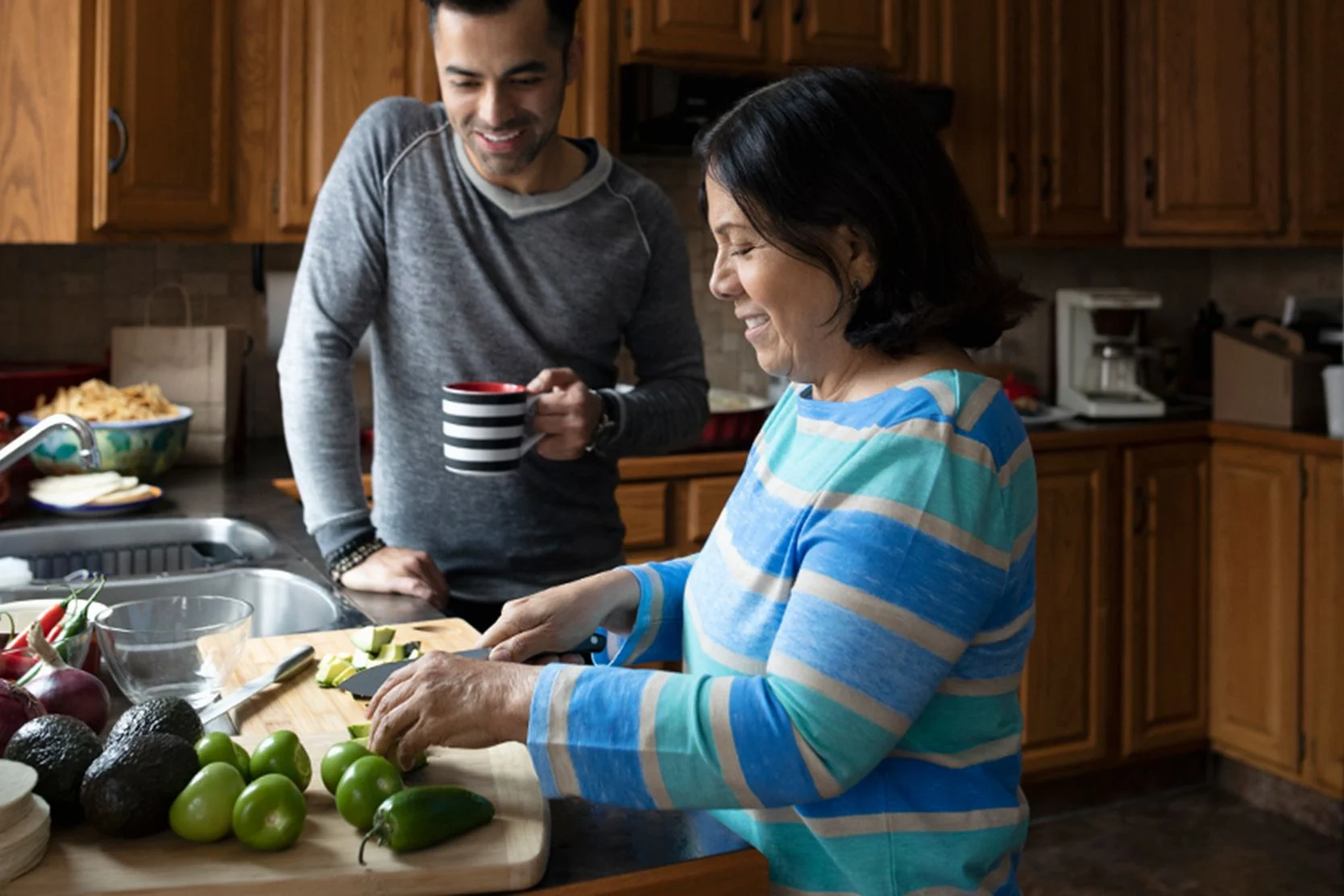
Nutrition and Coping with Cancer Symptoms
Side effects of cancer treatment may affect your eating habits. Find new ways to get the calories, protein and nutrients you need.
Questions to Ask Your Cancer Doctor
These questions can guide conversations with your cancer doctor and help you get the information you need to make care decisions for yourself or a loved one.
Resources for End of Life
Get resources to support yourself and your loved ones through end-of-life issues. Find bereavement support groups, counselors and reading materials.
Tips for Conserving Your Energy
Cancer treatments can cause extreme exhaustion. Here are tips to help you conserve your energy and manage cancer-related fatigue.
Using a Medical Calendar and Symptom Log
Here’s how to keep a medical calendar and symptom log to help you and your doctor track your condition and side effects of treatments or medications.
Related services & treatments
Specialties
Conditions
- Sarcoma
- Skin Cancer
Treatments
- Cancer Chemotherapy
- External Beam Radiation Therapy
- Skin Cancer Surgery
- Cancer Immunotherapy
Support services
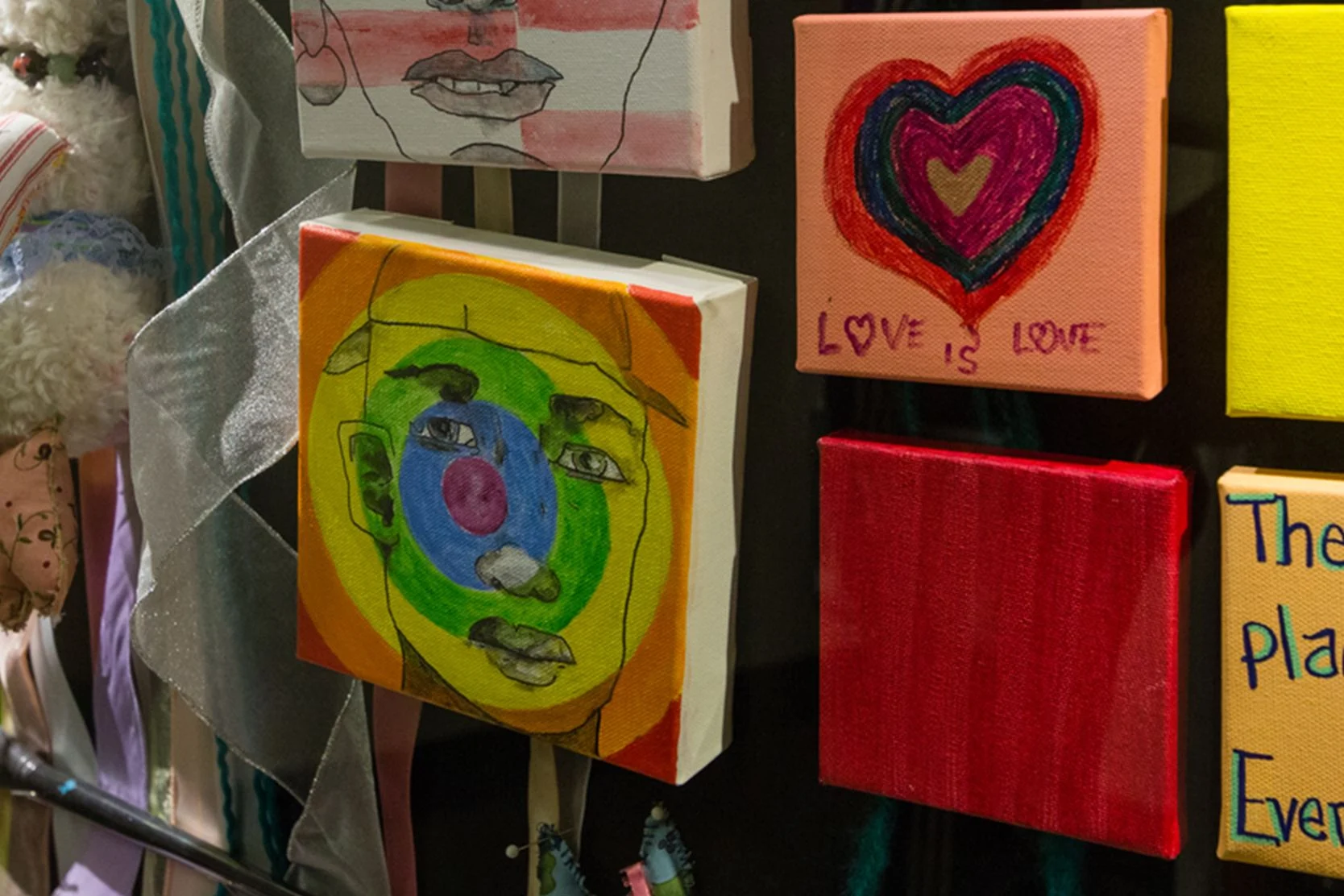
Art for Recovery
Creativity can help people with serious illnesses cope, heal and express what they're going through. Find out about our program and how to join.
Cancer Exercise Counseling
Our one-on-one exercise training sessions, customized for your needs and abilities, can complement other cancer treatments and speed your recovery.
Cancer Nutrition Counseling
UCSF Health offers free nutrition counseling to our patients with cancer, as well as nutrition seminars that are open to anyone. Learn more.
Cancer Support Groups
These groups offered by the Ida and Joseph Friend Patient and Family Cancer Support Center are free and available to all patients, whether or not you get your health care at UCSF.
Core and More Class for Cancer Patients
A strong body helps you fight cancer and enjoy life. Join this class to stabilize your core, strengthen your muscles and improve overall fitness. For cancer patients and caregivers!
Friend to Friend Specialty Shops
A one-stop boutique for patients with cancer. Get professional help with wigs, prostheses, sun-protective clothing, makeup, skin care and more.
Meditation and Guided Imagery for Cancer Patients
Drop in for a free class designed to help you heal, relax and find balance during your treatment. UCSF and non-UCSF patients are welcome.
Oncology Social Work
Social workers offer support, problem-solving, help accessing UCSF cancer-related resources and more. Find out how to contact the social worker for your clinic.
Patient & Family Cancer Support Center
The center offers wellness programming, community, support groups, classes, workshops and more at no cost to people facing cancer and their loved ones.
Peer Support Programs for Cancer
PeerTalk connects interested cancer patients with cancer survivors who can share their own experience to provide emotional and practical support.
UCSF Health medical specialists have reviewed this information. It is for educational purposes only and is not intended to replace the advice of your doctor or other health care provider. We encourage you to discuss any questions or concerns you may have with your provider.