



AIDS-related Lymphoma

Overview
AIDS-related lymphoma is a disease in which cancer or malignant cells are found in the lymph systems of patients who have AIDS.
The lymph system is made up of thin tubes that branch, like blood vessels, into all parts of the body. Lymph vessels carry lymph, a colorless, watery fluid that contains white blood cells called lymphocytes. Along the network of vessels are groups of small, bean-shaped organs called lymph nodes. Clusters of lymph nodes make and store infection-fighting cells. The spleen, an organ in the upper abdomen that makes lymphocytes and filters old blood cells from the blood; the thymus, a small organ beneath the breastbone; and the tonsils, an organ in the throat, are part of the lymph system.
Because there is lymph tissue in many parts of the body, the cancer can spread to almost any of the body's organs or tissues including the liver, bone marrow (spongy tissue inside the large bones of the body that makes blood cells), spleen or brain.
Types of lymphoma
Lymphomas are divided into two general types, Hodgkin's lymphoma and non-Hodgkin's lymphomas, which are classified by the way their cells look under a microscope. This determination is called the histology. Histology also is used to determine the subtype of non-Hodgkin's lymphoma.
The types of non-Hodgkin's lymphomas are classified by how quickly they spread: low-grade, intermediate-grade or high-grade. The intermediate or high-grade lymphomas grow and spread faster than the low-grade lymphomas.
Both major types of lymphoma — Hodgkin's lymphoma and non-Hodgkin's lymphoma, especially the more aggressive, intermediate and high grade lymphomas — may occur in adult and pediatric AIDS patients.
A separate type of lymphoma, called primary central nervous system lymphoma, starts in the brain or spinal cord, both of which are part of the central nervous system (CNS). This type of lymphoma is called a "primary CNS lymphoma" because it starts in the central nervous system rather than starting somewhere else in the body and spreading to the CNS. The immune deficiency usually is quite advanced before this develops.
Our approach to AIDS-related lymphoma
UCSF has been the birthplace of many treatment breakthroughs for both HIV/AIDS and cancer. We offer compassionate, cutting-edge care for these conditions, alongside support services and access to potential new therapies via clinical trials.
Treatment for AIDS-related lymphoma often consists of a combination of chemotherapy drugs, sometimes with the addition of radiation therapy. Because cancer treatment can further weaken patients' immune systems, we may use lower drug doses than we would for lymphoma patients who don't have AIDS. HIV drugs, by boosting the immune system, can also help the body fight cancer. Our goal is to cure the lymphoma.
Awards & recognition
-

Among the top hospitals in the nation
-

Best in California and No. 7 in the nation for cancer care
Signs & symptoms
See a doctor if any of the following symptoms persist for longer than two weeks:
- Painless swelling in the lymph nodes in the neck, underarm or groin
- Fever
- Night sweats
- Tiredness
- Weight loss without dieting
- Itchy skin
Diagnosis
If you have AIDS and symptoms of lymphoma, a doctor will carefully check for swelling or lumps in the neck, underarms and groin. Scans may be done to examine lymph nodes inside the body. If the lymph nodes don't feel or look normal, your doctor may need to cut out a small piece of tissue and look at it under the microscope to detect cancer cells. This procedure is called a biopsy.
Once AIDS-related lymphoma is found, more tests will be done to find out if the cancer has spread from where it started to other parts of the body, a process called staging.
Treatments
In general, patients with AIDS-related lymphoma respond to treatment differently from patients with lymphoma who do not have AIDS. AIDS-related lymphoma usually grows faster and spreads outside the lymph nodes and to other parts of the body more often than lymphoma that is not related to AIDS.
Because therapy can damage weak immune systems even further, patients who have AIDS-related lymphoma may be treated with lower doses of drugs than those who do not have AIDS.
Two types of treatment are commonly used:
UCSF Health medical specialists have reviewed this information. It is for educational purposes only and is not intended to replace the advice of your doctor or other health care provider. We encourage you to discuss any questions or concerns you may have with your provider.
Recommended reading













Where to get care (1)
Related clinics (4)
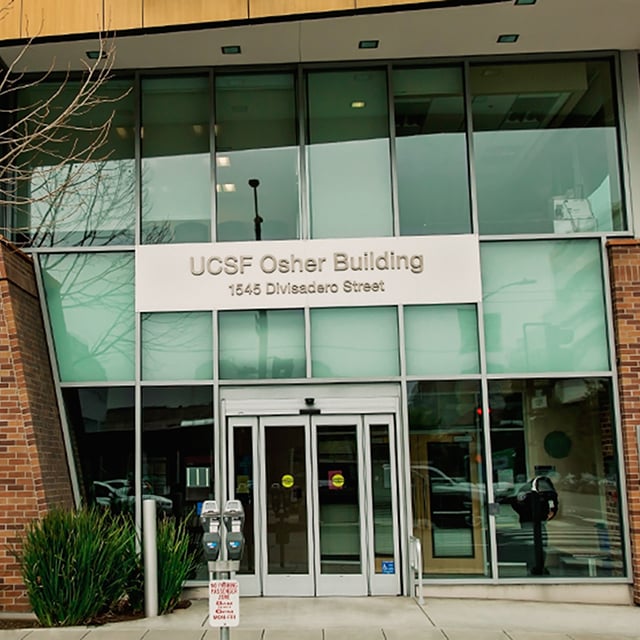
Osher Center for Integrative Health
 2
2