
Nutrition and Breast Cancer

Can you prevent breast cancer with a healthy diet? If you’ve been diagnosed with breast cancer, can a healthy diet help you recover?
Many studies are currently looking at how diet and cancer are related. Here's what the experts know: Good nutrition reduces the risk of many chronic diseases, including diabetes, high blood pressure and heart disease, and improves our quality of life. And although it’s not a magic bullet, a healthy diet may reduce breast cancer incidence and recurrence.
While certain elements of wellness are out of our control, making healthy lifestyle choices is something we can do – and it feels empowering.
Healthy diet guidelines
The goal is not to follow an "anticancer diet" but to adopt healthful habits and fuel your body with nourishing foods.
Choose a plant-based diet
A plant-based diet consists mainly of fruits, vegetables, legumes (such as beans), nuts and seeds, whole grains and other plant protein sources. You can still eat dairy, eggs, fish and other seafood – but they should make up a small portion of your total food intake.
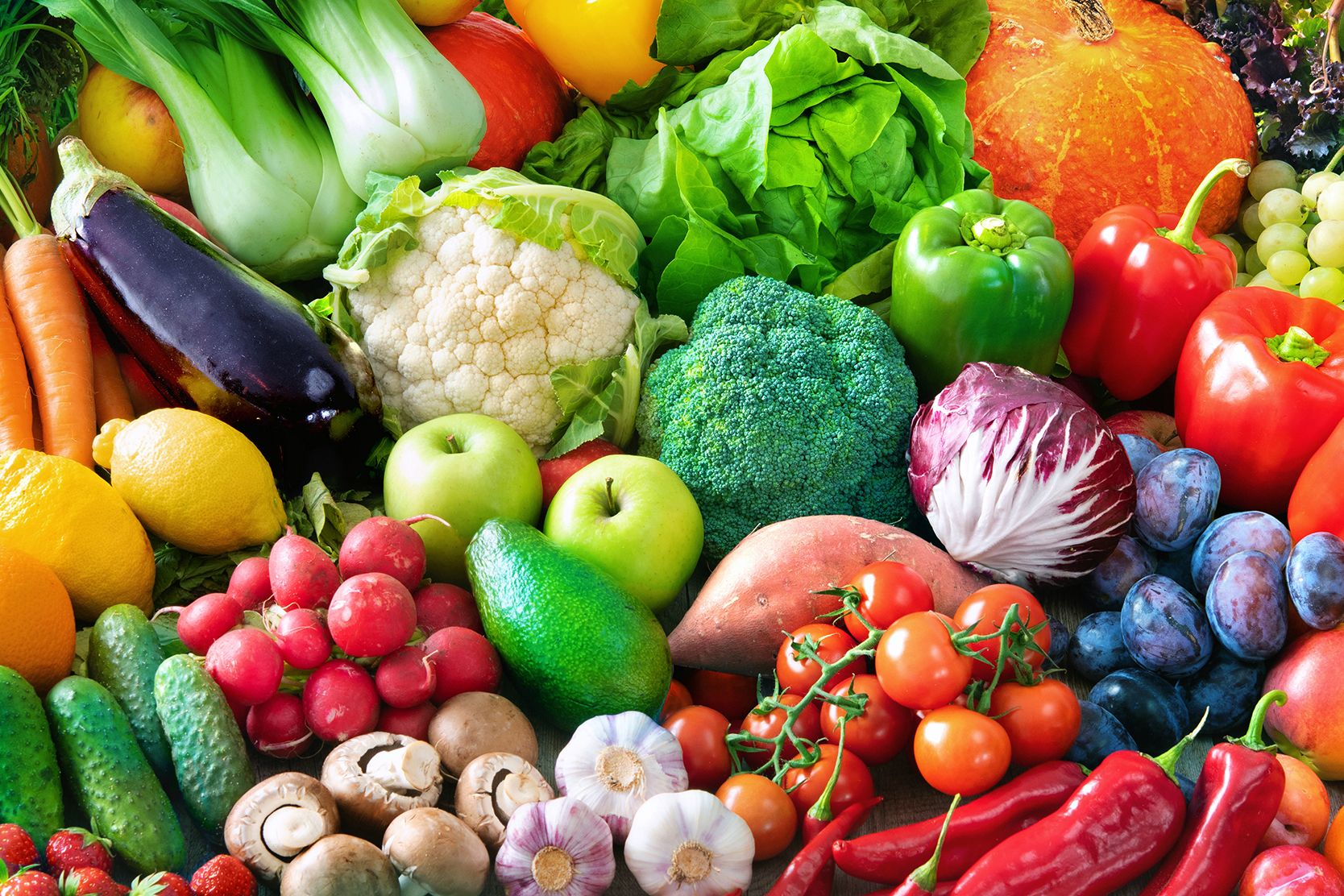
Use color as your guide
Brightly colored vegetables and fruits are rich in phytochemicals, natural substances in plants that may reduce cancer risk.
Build a healthy plate
An ideal plate is filled with:
- One-half or more vegetables and fruits
- One-quarter lean protein sources
- Up to one-quarter starchy vegetables (such as sweet potatoes, winter squashes and corn) or whole grains (such as brown rice and oatmeal)
Include healthy fats
Aim to get at least one daily serving of a healthy fat. For example:
- 1 ounce of nuts
- 1 tablespoon of olive oil
- One-third of a medium avocado
Limit or avoid alcohol
Studies have consistently associated alcohol use with an increased risk of breast cancer.
Recommended reading

Basic Facts About Breast Health
Learn about breast health, including breast anatomy, breast cancer screening and lifestyle changes to help prevent breast cancer.
Breast Cancer Risk Factors
Some people have a higher risk of developing breast cancer than others. Find out what factors increase risk, including those we can and cannot change.
Nutrition Plans for Cancer Patients Undergoing Treatment
Side effects of cancer treatment may include a loss of appetite and nausea. Find out what foods to avoid and which ones may help you feel better.
Related services
Cancer Nutrition Counseling
UCSF Health offers free nutrition counseling to our patients with cancer, as well as nutrition seminars that are open to anyone. Learn more.
Cancer Exercise Counseling
Our one-on-one exercise training sessions, customized for your needs and abilities, can complement other cancer treatments and speed your recovery.
Meditation and Guided Imagery for Cancer Patients
Drop in for a free class designed to help you heal, relax and find balance during your treatment. UCSF and non-UCSF patients are welcome.
Oncology Social Work
Social workers offer support, problem-solving, help accessing UCSF cancer-related resources and more. Find out how to contact the social worker for your clinic.
Patient & Family Cancer Support Center
The center offers wellness programming, community, support groups, classes, workshops and more at no cost to people facing cancer and their loved ones.
Peer Support Programs for Cancer
PeerTalk connects interested cancer patients with cancer survivors who can share their own experience to provide emotional and practical support.
UCSF Patient Support Corps
Receiving a breast cancer diagnosis is stressful. Get guidance, support and answers to your questions here as you consider your options and make decisions.
UCSF Health medical specialists have reviewed this information. It is for educational purposes only and is not intended to replace the advice of your doctor or other health care provider. We encourage you to discuss any questions or concerns you may have with your provider.