
Anal Cancer
On this page
Overview
What is anal cancer?
Although rare, anal cancer is becoming more common in the United States and many other countries. The condition develops in tissues of the anus, the short tube connecting the rectum (lower part of the large intestine) to the outside of the body. The anus controls the disposal of body waste during bowel movements.
Anal cancer is more often diagnosed in women than in men, with more than 90% of cases caused by the human papillomavirus (HPV). Symptoms – such as bleeding, itching or pain during bowel movements – are often mistaken for hemorrhoids but may actually indicate anal cancer or a precancerous condition known as anal intraepithelial neoplasia (AIN).
Our approach to anal cancer
At UCSF, we specialize in the early detection and treatment of anal cancer. Whenever possible, our goal is to help patients avoid anal cancer by finding and managing precancerous conditions.
We are also active in research to develop more effective therapies for these conditions.
Our team includes experts who have decades of experience specifically with anal cancer and HPV. We pioneered the use of a tool called a colposcope for diagnosing HPV-related diseases as well as high-resolution anoscopy (HRA), a procedure considered the best technique for anal cancer screening. Anal cancer is a highly curable condition if caught early, so regular screening is important.
Causes of anal cancer
The main cause of anal cancer is the human papillomavirus (HPV), a common virus that produces changes in the skin. An anal HPV infection is usually acquired through anal intercourse or from contact with genitals, fingers or sex toys infected with the virus. HPV is also the leading cause of cervical cancer.
HPV is common, posing a risk to anyone who is sexually active and hasn't had the HPV vaccine. The good news is that only a fraction of people with anal HPV infection will develop a lasting case of AIN (the precursor to anal cancer) and even fewer will develop anal cancer.
Other risk factors for anal cancer include:
- A history of anal intercourse
- A history of perianal warts (warts around and inside the anus)
- A history of vulvar warts (warts on the exterior female genitals)
- Being chronically immunocompromised, whether as a result of taking immunosuppressive medications, being HIV-positive or having gone through organ transplantation
Additional risk factors include the same ones associated with becoming infected with HPV, such as being over age 50, smoking or having many sexual partners.
Symptoms of anal cancer
In the earliest stages of anal cancer, patients often have no symptoms. As the disease progresses, the most common symptoms include:
- Pain or tenderness in the area around the anus, which can be constant or occur only with bowel movements or during anal sex
- Abnormal bleeding from bowel movements or following anal sex
- A lump or hard spot near the anal opening that appears to be getting bigger over time
- Itching or discharge from the anus
- A sense of fullness and frequent need to go to the bathroom
If you're at risk of anal cancer or experiencing any of these symptoms, you should contact your doctor and have an exam as soon as possible. An early diagnosis will generally bring a better outcome, as smaller tumors can be treated more effectively with fewer side effects.
Diagnosis of anal cancer
To diagnose anal cancer, your doctor will start by considering your medical history. This includes gathering information about your general health, immune status and any medications you take. If you're living with HIV, you'll be asked about your current viral load and CD4+ lymphocyte count.
Your doctor will specifically ask about any history of anal warts, dysplasia (abnormal cell growth) or other anal problems and about the symptoms you're currently experiencing.
To make a definitive diagnosis, your doctor will recommend tests, such as:
- Digital rectal exam (DRE). The doctor or nurse inserts a gloved, lubricated finger into your rectum to feel for abnormalities.
- High-resolution anoscopy (HRA). A magnifying tool is used to look at the tissues of the anal canal. Any abnormalities seen will be assessed and biopsied (see last item in this list).
- Sigmoidoscopy. Also known as a proctoscopy, this exam looks beyond the anus into the rectum using a proctoscope, a short tube with a light to enable viewing.
- Endoanal ultrasound. High-energy sound waves are used to produce images of the anal canal and surrounding structures.
- Rectal biopsy. A biopsy is performed for patients with symptoms of anal cancer or with abnormalities found during a proctoscopy or HRA. A small amount of tissue is removed from the rectum so that a pathologist can examine it.
Staging of anal cancer
If you're diagnosed with anal cancer, your doctor will need to determine the stage or extent of it. Staging is a careful process to learn whether the cancer has spread and, if so, to which parts of the body. This information helps your doctor design the most effective plan for treating your condition. More imaging tests, such as an MRI, CT or PET scan, may be performed to help reveal the stage.
The stages of anal cancer include:
- Stage 1. The tumor is no more than 2 centimeters in diameter. It hasn't spread to nearby lymph nodes or other parts of the body.
- Stage 2A. The tumor is between 2 and 5 centimeters. It hasn't spread to nearby lymph nodes or other parts of the body.
- Stage 2B. The cancer is 5 centimeters across or less and has spread to lymph nodes near the rectum but not to other parts of the body.
- Stage 3A. The tumor is more than 5 centimeters in diameter. It may have spread to nearby lymph nodes, but it hasn't spread to other parts of the body.
- Stage 3B. The tumor is any size and has spread to nearby organs, such as the vagina, prostate gland, urethra or bladder. But it hasn't spread to nearby lymph nodes or to other parts of the body.
- Stage 3C. The tumor is any size and is growing into nearby organs, such as the vagina, prostate gland, urethra or bladder. It has spread to nearby lymph nodes but not to other parts of the body.
- Stage 4. The tumor is any size, and though it may or may not be in nearby organs or lymph nodes, it has spread to distant parts of the body, such as the liver, lungs or brain.
- Recurrent. Recurrent cancer is cancer that has come back after treatment. The recurrence may be in the anus or another part of the body.
Treatment of anal cancer
Treatment depends on many factors, including the location, type and stage of your cancer as well as your age, general health and personal preferences. Your doctor will discuss your treatment options in detail with you and design the most effective plan that reflects your goals.
Anal cancer is often curable, particularly when it's diagnosed early and the tumors are small. Anal cancers are usually treated with a combination of chemotherapy and radiation, causing tumors to shrink or disappear in 80 to 90% of cases.
Surgery may be required for cancers that don't respond to chemotherapy and radiation or for those that recur after these treatments.
Chemotherapy for anal cancer
Chemotherapy uses drugs to kill cancer cells. Chemotherapy may be taken by pill, infused into a vein or injected into a muscle. Chemotherapy is called a systemic treatment because the drugs enter the bloodstream to be carried throughout the body, and thus can kill cancer cells in many areas. Some chemotherapy drugs can also make cancer cells more sensitive to radiation therapy.
Radiation therapy for anal cancer
Radiation therapy uses X-rays or other high-energy rays to kill cancer cells and shrink tumors. When the radiation is delivered by a machine outside the body, it's called external radiation therapy. Internal radiation therapy, or brachytherapy, is done by putting materials that produce radiation, called radioisotopes, into the area where the cancer cells are located. Radiation can be used alone or in addition to other treatments.
Side effects of chemotherapy and radiation therapy for anal cancer
For patients who have chemotherapy and radiation therapy, side effects tend to worsen as the therapy continues. Initial effects may include:
- Occasional open sores or ulceration
- Inflammation, redness and soreness (similar to a sunburn) on the skin around the anus
- Inflammation and irritation of the digestive tract, which may cause diarrhea, mouth sores, or both
- Sensation of urgently needing to have a bowel movement
- Low blood counts with possible sepsis (a serious condition in which the body reacts in an extreme way to infection)
Later side effects may include:
- Scar tissue around the anus
- Deep anal ulcers
- Anal tissue death or stenosis (narrowing of the anal passage), or both
- Narrowing of the anus requiring a colostomy (this happens in 6 to 12% of patients)
- Sterility or sexual dysfunction
- Leukemia (relatively uncommon and usually thought to be related to use of the chemotherapy drug mitomycin)
Surgery for anal cancer
In cases where the tumor is small and hasn't spread, a procedure called local excision may be recommended. This surgery removes the tumor along with some surrounding healthy tissue but doesn't affect the sphincter muscle, so patients will retain control over their bowel movements.
In cases where the tumor didn't respond to chemotherapy and radiation, or where the tumor has come back, an operation called abdominoperineal resection may be required. For this surgery, an incision is made into the abdomen in order to remove the anus, rectum, part of the colon, and any lymph nodes containing cancer.
The surgeon then brings the end of the colon to the abdominal surface to create a colostomy (an artificial opening). The colostomy allows body waste to pass directly from the colon into a disposable bag outside the body. Our specially trained nurses educate patients about how to manage the colostomy and incorporate it into their lifestyle.
Awards & recognition

Best in California and No. 7 in the nation for cancer care

Designated comprehensive cancer center

Recommended reading

After Anal and Rectal Surgery
Take care of yourself as you recover from anal or rectal surgery. Learn about pain control, caring for the surgical site and follow-up care with your surgeon.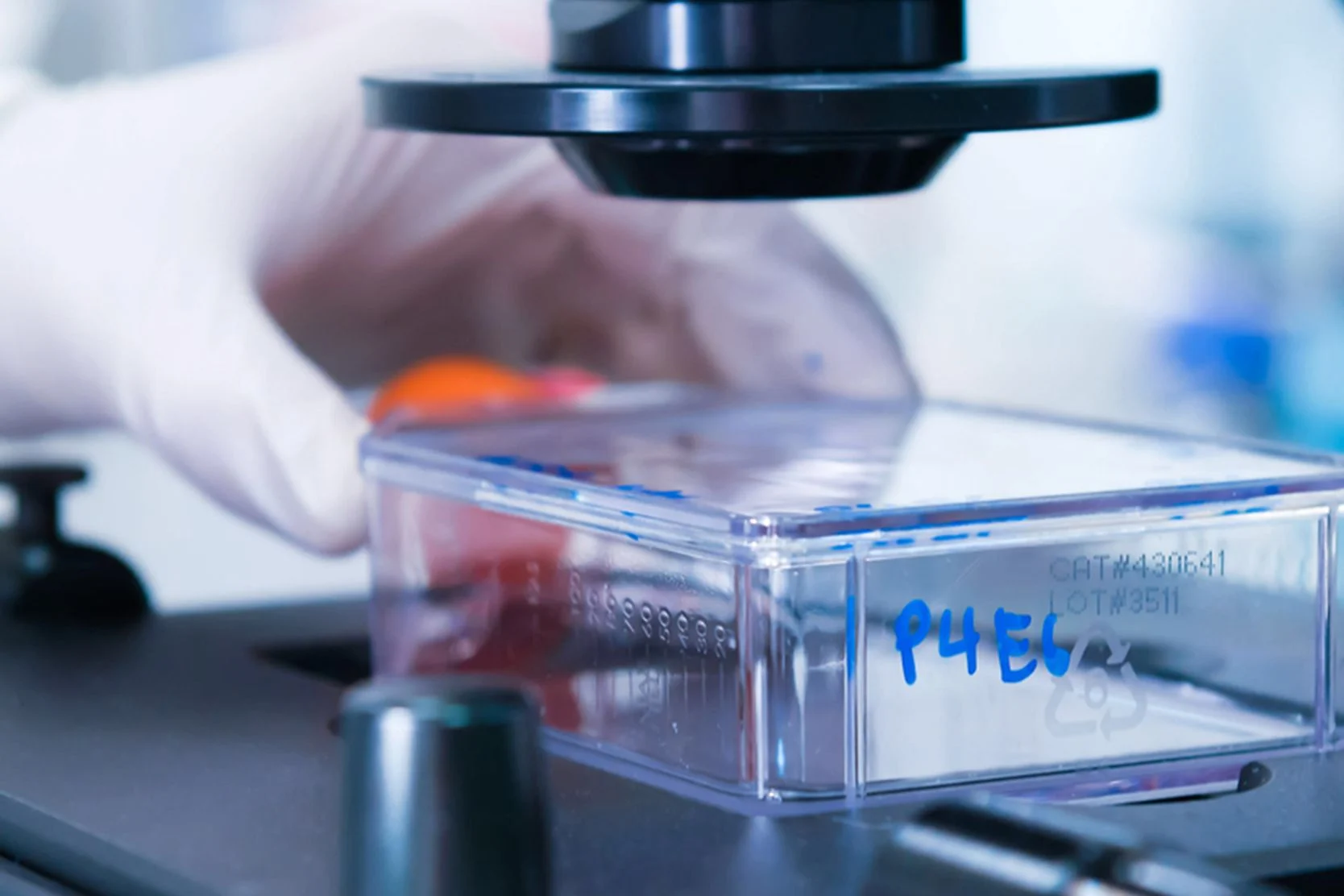
Cancer Pathology Tissue Slides FAQ
If you have a biopsy or surgery, diseased tissue is often placed on slides for a pathologist to examine. Learn how to get the slides to your doctor for review.
Cancer Radiology Scans and Reports FAQ
Learn the difference between a radiology report and radiology films or scans, why your doctor might request the scans and how to get them.
Self-Care for Caregivers
Caregiver fatigue can be brought on by the physical and emotional demands of caring for a loved one with a serious illness. Learn tips to combat caregiver fatigue here.
Communicating with Your Doctor
The doctor-patient relationship is built on communication and trust. Get tips to strengthen the partnership between you and your care team.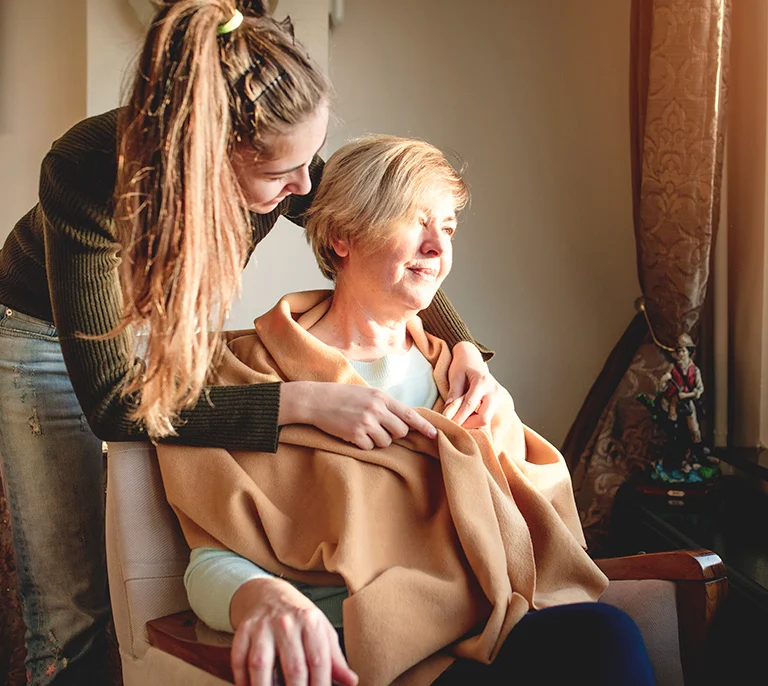
Coping with Chemotherapy
Everyone experiences chemotherapy differently. Understand the possible emotional and physical side effects of chemotherapy and how to cope.
Delegation to Help with Fatigue
Fatigue caused by cancer treatment can make it hard to accomplish tasks. Learn how to delegate tasks to people you trust and communicate effectively.
Nutrition Plans for Cancer Patients Undergoing Treatment
Side effects of cancer treatment may include a loss of appetite and nausea. Find out what foods to avoid and which ones may help you feel better.
Managing Your Treatment
Living with cancer or caring for someone with the disease can be overwhelming. Here are tips to reduce stress and help navigate life with cancer.
Nutrition and Coping with Cancer Symptoms
Side effects of cancer treatment may affect your eating habits. Find new ways to get the calories, protein and nutrients you need.
Questions to Ask Your Cancer Doctor
These questions can guide conversations with your cancer doctor and help you get the information you need to make care decisions for yourself or a loved one.
Resources for End of Life
Get resources to support yourself and your loved ones through end-of-life issues. Find bereavement support groups, counselors and reading materials.
Tips for Conserving Your Energy
Cancer treatments can cause extreme exhaustion. Here are tips to help you conserve your energy and manage cancer-related fatigue.
Using a Medical Calendar and Symptom Log
Here’s how to keep a medical calendar and symptom log to help you and your doctor track your condition and side effects of treatments or medications.
Related services & treatments
Specialties
- Colon and Rectal Surgery
- Colon and Rectal Surgical Oncology
- Gastrointestinal Medical Oncology
Treatments
- Anoscopy
- Anal Pap Smear
- Colposcopy
- Combined Modality Therapy
- Abdominoperineal Resection
Helpful resources
Support services

Art for Recovery
Creativity can help people with serious illnesses cope, heal and express what they're going through. Find out about our program and how to join.
Cancer Exercise Counseling
Our one-on-one exercise training sessions, customized for your needs and abilities, can complement other cancer treatments and speed your recovery.
Cancer Nutrition Counseling
UCSF Health offers free nutrition counseling to our patients with cancer, as well as nutrition seminars that are open to anyone. Learn more.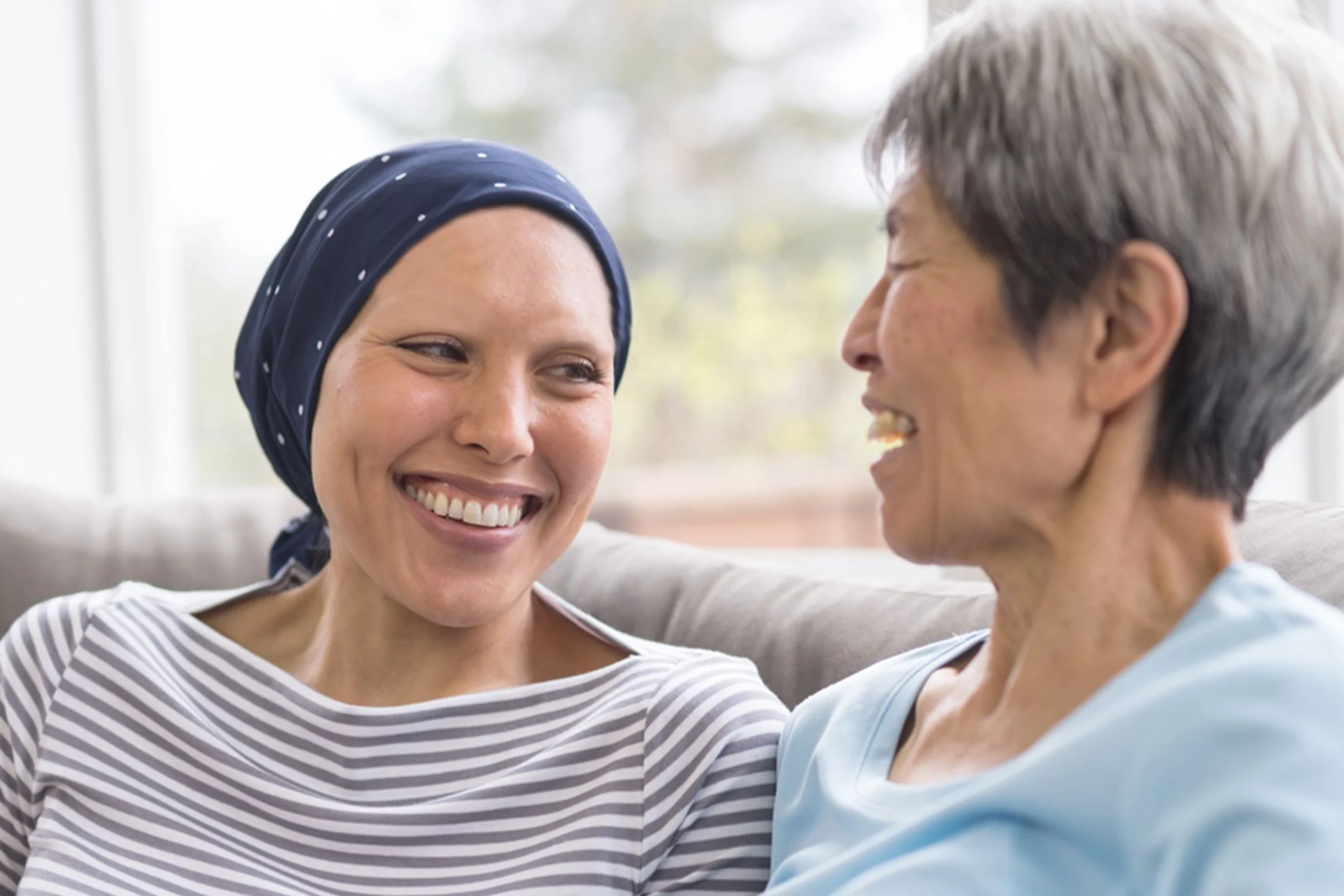
Cancer Support Groups
These groups offered by the Ida and Joseph Friend Patient and Family Cancer Support Center are free and available to all patients, whether or not you get your health care at UCSF.
Core and More Class for Cancer Patients
A strong body helps you fight cancer and enjoy life. Join this class to stabilize your core, strengthen your muscles and improve overall fitness. For cancer patients and caregivers!
Friend to Friend Specialty Shops
A one-stop boutique for patients with cancer. Get professional help with wigs, prostheses, sun-protective clothing, makeup, skin care and more.
Meditation and Guided Imagery for Cancer Patients
Drop in for a free class designed to help you heal, relax and find balance during your treatment. UCSF and non-UCSF patients are welcome.
Oncology Social Work
Social workers offer support, problem-solving, help accessing UCSF cancer-related resources and more. Find out how to contact the social worker for your clinic.
Patient & Family Cancer Support Center
The center offers wellness programming, community, support groups, classes, workshops and more at no cost to people facing cancer and their loved ones.
Peer Support Programs for Cancer
PeerTalk connects interested cancer patients with cancer survivors who can share their own experience to provide emotional and practical support.
UCSF Health medical specialists have reviewed this information. It is for educational purposes only and is not intended to replace the advice of your doctor or other health care provider. We encourage you to discuss any questions or concerns you may have with your provider.