


Colon Cancer

Overview
What is colon cancer?
The colon makes up the last 6 feet of the large intestine. Its main function is to absorb water, electrolytes and nutrients from food and transport them into the bloodstream. Cancer that starts in the colon is called colon cancer.
Colon cancer is closely related to rectal cancer, and the two are often discussed together as colorectal cancer. Colorectal cancer ranks third in cancer-related deaths for both men and women in the United States. Colon cancer itself is fairly common, affecting about 7% of the U.S. population.
Although colon cancer is a life-threatening disease, it's highly curable if found early. Therefore, regular checkups and colorectal cancer screenings are important.
Our approach to colon cancer
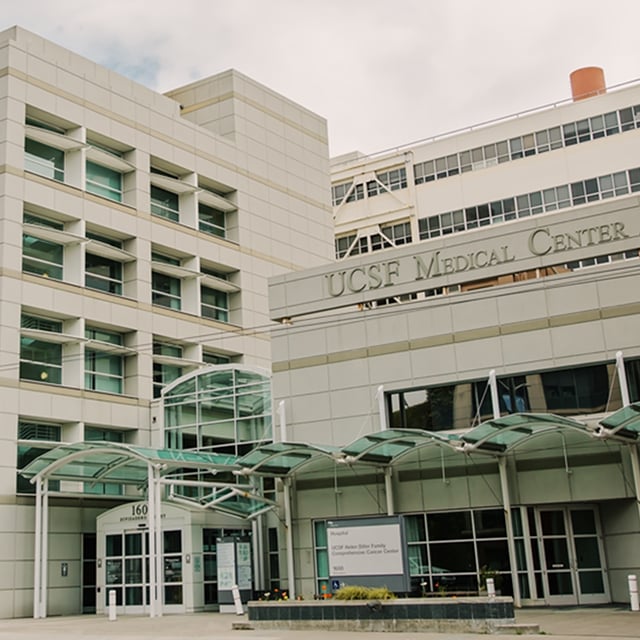
Colorectal cancer specialists at UCSF have decades of experience and are committed to providing the safest, most effective care for each patient. Treatment typically involves surgery, radiation or chemotherapy, or all three, depending on your situation.
Laparoscopic or robotic surgery may also be an option. These minimally invasive techniques result in less post-op pain and typically allow for a faster recovery. Patients may also be eligible to participate in clinical trials, which are studies to evaluate promising new treatments. In addition to treating people at every stage of colon cancer and with every prognosis, our team handles particularly complicated or unusual cases that other hospitals turn away.
Awards & recognition
-

Among the top hospitals in the nation
-

Best in California and No. 7 in the nation for cancer care
-
Designated comprehensive cancer center
-

Rated high-performing hospital for colon cancer surgery
Risk factors for colon cancer
Although the exact causes of colon cancer are unclear, certain factors have been identified that may increase a person's chance of developing the disease. These same factors also increase the risk of rectal cancer. The factors include:
- Age. Most colon and rectal cancers are diagnosed in people age 50 or older, although the disease affects all ages.
- Bowel disease. A history of colorectal cancer, intestinal polyps or inflammatory bowel disease (ulcerative colitis or Crohn's disease).
- Diet and exercise. A diet high in fat, particularly from animal sources, and a sedentary lifestyle.
- Ethnic background and race. Jews of Eastern European descent (Ashkenazi Jews), African Americans, Native Americans and Alaska Natives have higher rates of colorectal cancer.
- Family history or genetic factors. Specific genes may significantly increase a person's chance of developing colorectal cancer. People with a strong family history – defined as cancer or polyps in a first-degree relative (parent, sibling or child) under 60 years old or two first-degree relatives of any age – are at elevated risk.
- Smoking and alcohol use. Research suggests that smokers and heavy drinkers have an increased chance of developing colon or rectal cancer.
Symptoms of colon cancer
Common signs include:
- A change in bowel habits
- Diarrhea, constipation or a feeling of incomplete emptying during bowel movements
- Blood in the stool, either bright red or very dark
- Stools that are narrower than usual
- General abdominal discomfort, such as frequent gas pains, bloating or cramps
- Weight loss for no known reason
- Always feeling tired
- Vomiting
Diagnosis of colon cancer
To diagnose colon cancer, doctors start by learning your medical history. They will ask about any symptoms you're experiencing and then conduct a thorough physical exam. They may recommend one or more of the following tests:
- Digital rectal exam. During this exam, the doctor or nurse inserts a gloved, lubricated finger into the rectum to feel for abnormalities.
- Barium enema. Also known as a lower gastrointestinal series, this imaging test involves filling the large intestine with barium sulfate, a white liquid that shows up well on X-rays.
- Stool guaiac test. Also known as a fecal occult blood test, this noninvasive test detects the presence of hidden blood in the stool. This blood may come from anywhere along the digestive tract. Invisible blood in the stool is often the first – and in many cases the only – warning sign that a person has colorectal cancer.
- Sigmoidoscopy. This procedure allows doctors to examine the inside of your rectum and lower colon using a flexible endoscope. They may remove any polyps or abnormal tissue for examination under a microscope.
- Colonoscopy. This procedure allows doctors to examine the inside of your rectum and your entire colon, removing any polyps or abnormal tissue for examination under a microscope.
- Polypectomy. This is the removal of polyps during a sigmoidoscopy or colonoscopy. The polyps are then analyzed to see if they’re cancerous.
- Biopsy. To make a diagnosis, a small amount of tissue from the suspicious area is removed for microscopic examination by a pathologist.
Staging for colon cancer
If you're diagnosed with colon cancer, your doctor needs to determine the stage – or extent – of your disease. Staging is a careful process to assess whether the cancer has spread and, if so, to which parts of the body. This information helps your doctor develop the most effective treatment plan for you. Additional tests – in particular, an endorectal ultrasound and MRI scan – may be performed to help determine the stage.
The stages of colon cancer are:
- Stage 0. This is the earliest stage and means the cancer is only in the innermost lining of the colon.
- Stage 1. The cancer involves more of the colon's inner wall.
- Stage 2. The cancer has spread outside the colon to nearby tissue but not to lymph nodes. (Lymph nodes are small, bean-shaped structures that are part of the body's immune system.)
- Stage 3. The cancer has spread to nearby lymph nodes but not to other parts of the body.
- Stage 4. The cancer has spread to other parts of the body. Colon cancer tends to spread to the liver and lungs.
- Recurrent. Recurrent cancer is cancer that has come back after treatment. The disease may recur in the colon or another part of the body.
Treatment of colon cancer
Treatment for colon cancer may include surgery, radiation therapy or chemotherapy, or a combination of these approaches.
Surgery for colon cancer
Surgery is the most common treatment for all stages of colon cancer, although it's often combined with radiation, chemotherapy or both.
Depending on the tumor's stage and size, your surgeon will remove it with one of the following methods:
- Local excision. This approach is used for very early cancers. It involves inserting a colonoscope (a thin lighted tube) through the anus into the colon to remove the cancer, rather than making a cut through the abdominal wall. If the cancer is in a polyp, the procedure is called a polypectomy.
- Resection and anastomosis. This approach is used for larger and more advanced cancers. A resection involves removing the portion of the rectum containing the cancer, as well as the fatty tissue that surrounds the rectum and contains the nearby lymph nodes. It's followed by a procedure called an anastomosis in which the colon is sewn to the remaining rectum or the anus in order to maintain a passageway.
- Resection and colostomy. This approach is used when the rectum cannot be sewn back together. A colostomy involves creating a stoma, an opening to the outside of the body that will allow waste to pass into a collection bag. The colostomy may be temporary. If the entire colon is removed, it's permanent.
- Laparoscopic surgery. During this procedure, also called keyhole surgery, the surgeon operates through a few small incisions in the abdomen using a lighted tube (endoscope) and special instruments. The instruments are used to locate and remove the cancerous areas. Laparoscopic surgery has many advantages over standard surgery, including less post-op pain, fewer complications and a shorter recovery period.
- Robotic surgery. In some cases, we can remove the cancer using another minimally invasive technique called robotic surgery, a computerized mechanical system that enhances precision. The benefits are similar to those of laparoscopic surgery.
Radiation therapy for colon cancer
Radiation therapy uses X-rays or other high-energy rays to kill cancer cells and shrink tumors. The radiation may be delivered by a machine outside the body (external beam radiation therapy) or by radioactive materials inserted through thin plastic tubes into the intestinal area (called internal radiation therapy). Radiation can be used alone or in addition to surgery and chemotherapy.
Radiation therapy may be used after surgery to kill any remaining cancer or before surgery to shrink a tumor. Radiation also can be used to prevent cancer from coming back to the area where it started or to relieve symptoms of advanced cancer.
Chemotherapy for colon cancer
Chemotherapy is the use of drugs to kill cancer cells. Chemotherapy may be taken as pills or given intravenously (IV – that is, through a vein). For IV administration, we may place a catheter (a thin tube) that will stay in the vein over a period of weeks while a small pump administers the chemo drug. If your cancer has spread, you may be given chemotherapy directly into an artery that supplies the affected part of the body.
Chemotherapy is called a systemic treatment because the drug enters the bloodstream, travels through the body and can kill cancer cells beyond the colon.
If your surgeon removes all visible cancer at the time of your operation, you may receive chemotherapy after surgery to kill any remaining cancer cells. Chemotherapy after surgery, when you have no detectable cancer cells, is called adjuvant chemotherapy.
Immunotherapy for rectal cancer
Immunotherapy, also call biological therapy, aims to make your body's immune system fight your cancer. Materials made by the body or in a laboratory are used to boost, direct or restore your natural defenses against disease.
Radiofrequency ablation for colon cancer
Radiofrequency ablation involves using a special probe with tiny electrodes to kill cancer cells. The probe is inserted through an incision in the abdominal wall or directly into the skin, using local anesthesia.
Cryosurgery for colon cancer
This treatment uses an instrument to freeze and destroy abnormal tissue.
UCSF Health medical specialists have reviewed this information. It is for educational purposes only and is not intended to replace the advice of your doctor or other health care provider. We encourage you to discuss any questions or concerns you may have with your provider.
More treatment info
-
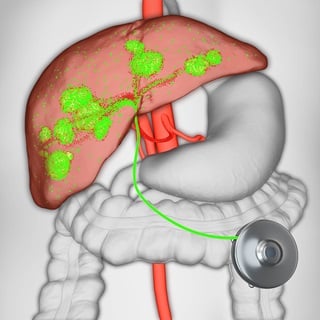
Hepatic Artery Infusion Pump
This implanted pump delivers chemotherapy directly to liver tumors, providing an effective treatment option for metastatic colon or bile duct cancer.
Learn more -

Virtual Colonoscopy
The procedure is equally effective, less invasive and faster than a standard colonoscopy screening for colon cancer.
Learn more
Where to get care (4)
Recommended reading















Early-Onset Colon Cancer
Colon cancer rates are rising for people under 50. Watch leading doctors discuss possible reasons, risk factors and available treatments.
Related clinics (5)
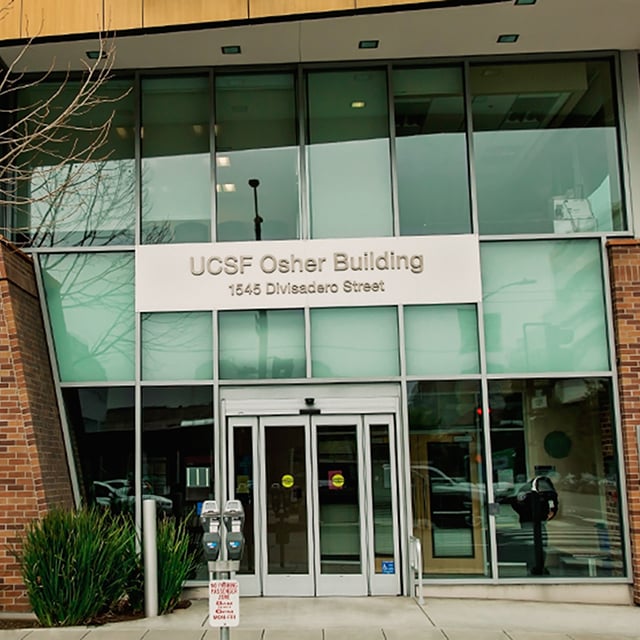
Osher Center for Integrative Health
 2
2