
Esophageal Cancer
On this page
Overview
Cancer of the esophagus is divided into two major types: squamous cell carcinoma and adenocarcinoma, depending on the type of cells that are malignant.
Squamous cell carcinomas arise in cells that line the upper two-thirds of the esophagus. Adenocarcinomas usually develop in the glandular tissue in the lower part of the esophagus. The treatment of these types may be similar but depends upon the details of each individual case.
Our approach to esophageal cancer
UCSF's highly trained gastrointestinal oncologists and surgeons provide the most advanced and effective treatments available for esophageal cancer. Our team will give you a precise diagnosis and design a personalized treatment plan, which may include surgery, chemotherapy, radiation, laser therapy or photodynamic therapy (targeting the cancer with drugs that destroy the malignant cells when exposed to a special light). In some cases, patients need to have the esophagus removed. Our hospital is one of a select group of specialty centers performing minimally invasive esophagectomies – esophagus removal using small incisions, miniature instruments and an endoscope. This option will minimize discomfort and speed recovery time.
In addition, we offer continued care for patients who have completed treatment for gastrointestinal cancers. Our survivorship clinic aims to maximize quality of life and minimize risk of recurrence.
Signs & symptoms
Early esophageal cancer usually does not cause symptoms. However, as the cancer grows, symptoms may include:
- Difficult or painful swallowing
- Severe weight loss
- Pain in the throat or back, behind the breastbone or between the shoulder blades
- Hoarseness or chronic cough
- Vomiting
- Coughing up blood
Diagnosis
To help find the cause of symptoms, your doctor will evaluate your medical history and perform a physical exam. Your doctor will likely recommend a chest X-ray and other diagnostic tests. These tests may include the following:
- Barium swallow. Also called an esophagram, a barium swallow is a series of X-rays of the esophagus. You drink a liquid containing barium, which coats the inside of your esophagus. The barium causes changes in the shape of the esophagus to show up on the X-rays.
- Gastroesophagoscopy. Also called endoscopy, this is an examination of the inside of the esophagus and stomach using a thin, lighted tube called an endoscope. An anesthetic, a substance that causes loss of feeling or awareness, is usually used during this procedure. If an abnormal area is found, your doctor can collect cells and tissue through the endoscope for a biopsy.
- Biopsy. Biopsy is a tissue sample for examination by a pathologist to make a diagnosis.
Staging
If the diagnosis is esophageal cancer, your doctor will determine the stage or extent of disease. Staging is a careful attempt to find out whether the cancer has spread and, if so, to what parts of the body. Knowing the stage of the disease helps the doctor plan treatments. Listed below are descriptions of the four stages of esophageal cancer.
- Stage I. The cancer is found only in the top layers of cells lining the esophagus.
- Stage II. The cancer involves deeper layers of the lining of the esophagus, or it has spread to nearby lymph nodes. The cancer has not spread to other parts of the body.
- Stage III. The cancer has invaded more deeply into the wall of the esophagus or has spread to tissues or lymph nodes near the esophagus. It has not spread to other parts of the body.
- Stage IV. The cancer has spread to other parts of the body. Esophageal cancer can spread almost anywhere in the body, including the liver, lungs, brain and bones.
Treatments
Surgery
Surgery is the most common treatment for esophageal cancer. Usually, the surgeon removes the tumor along with all or a portion of the esophagus, nearby lymph nodes and other tissue in the area. An operation to remove the esophagus is called an esophagectomy.
The surgeon connects the remaining healthy part of the esophagus to the stomach so that the patient is still able to swallow. The surgeon may also widen the opening between the stomach and the small intestine to allow stomach contents to pass more easily into the small intestine.
Sometimes surgery is done after other treatment is finished.
Chemotherapy
Chemotherapy is the use of anticancer drugs to kill cancer cells. The anticancer drugs used to treat esophageal cancer travel throughout the body and are usually given by injection into a vein or intravenously.
Chemotherapy may be combined with radiation therapy as primary treatment, instead of surgery, or to shrink the tumor before surgery.
Laser therapy
Laser therapy is the use of high-intensity light to destroy tumor cells. Laser therapy affects the cells only in the treated area. Laser therapy is used to destroy cancerous tissue and relieve a blockage in the esophagus when the cancer cannot be removed by surgery. The relief of a blockage can help to reduce symptoms, especially swallowing problems.
Photodynamic therapy
Photodynamic therapy (PDT), a type of laser therapy, involves the use of drugs that are absorbed by cancer cells. When exposed to a special light, the drugs become active and destroy cancer cells. Your doctor may use PDT to relieve symptoms of esophageal cancer, such as difficulty swallowing.
Radiation therapy
Radiation therapy, also called radiotherapy, involves the use of high-energy X-rays to kill cancer cells in the treated area only. The radiation may come from a machine outside the body – external radiation – or from radioactive materials placed in or near the tumor, called internal radiation.
A plastic tube may be inserted into the esophagus to keep it open during radiation therapy. This procedure is called intraluminal intubation and dilation.
Radiation therapy may be used alone or combined with chemotherapy as primary treatment instead of or before surgery, especially if the size or location of the tumor would make an operation difficult. Even if the tumor cannot be removed by surgery or destroyed entirely by radiation therapy, radiation therapy can often help relieve pain and make swallowing easier.
Awards & recognition
Best in California and No. 7 in the nation for cancer care
Designated comprehensive cancer center

Recommended reading
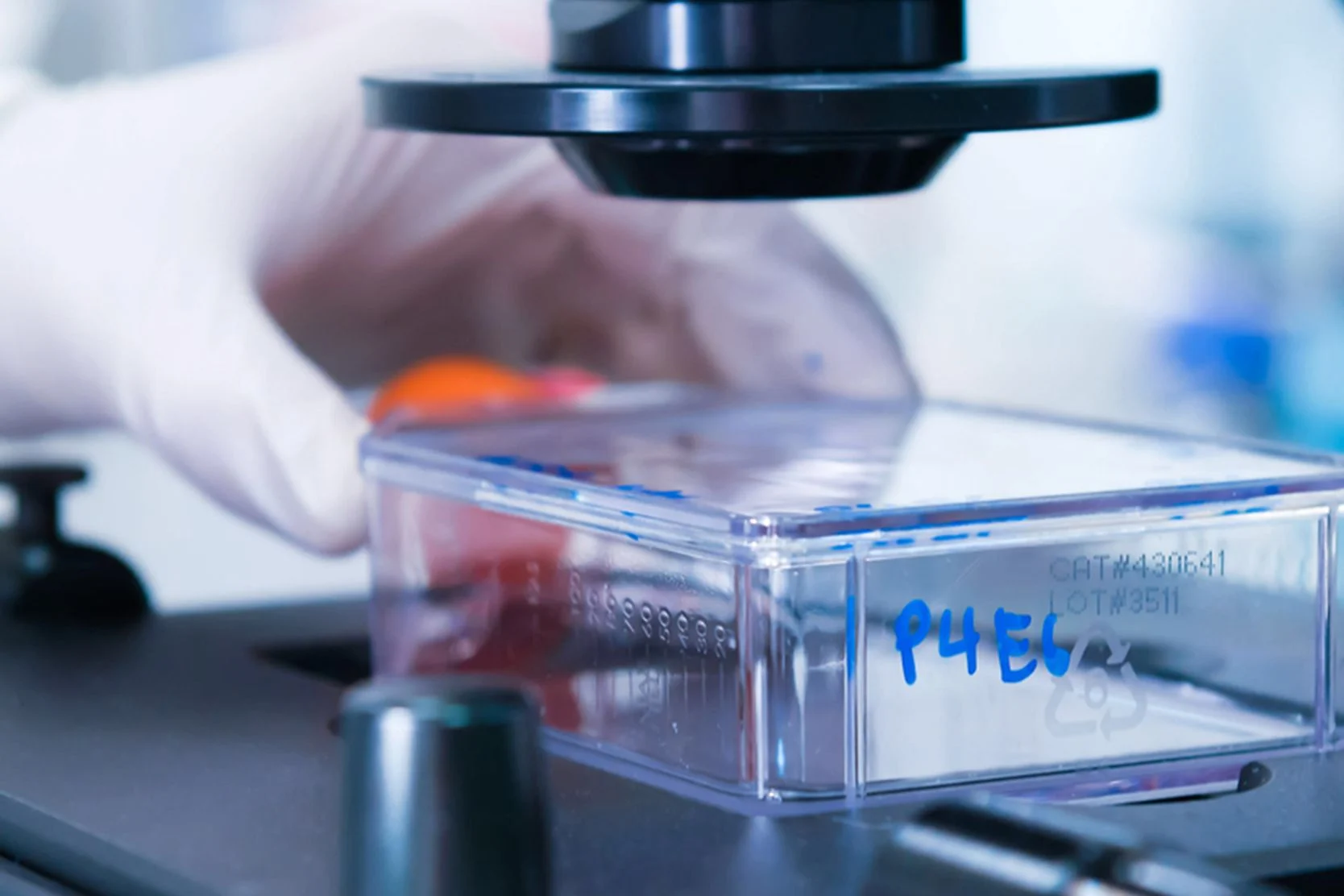
Cancer Pathology Tissue Slides FAQ
If you have a biopsy or surgery, diseased tissue is often placed on slides for a pathologist to examine. Learn how to get the slides to your doctor for review.
Cancer Radiology Scans and Reports FAQ
Learn the difference between a radiology report and radiology films or scans, why your doctor might request the scans and how to get them.
Self-Care for Caregivers
Caregiver fatigue can be brought on by the physical and emotional demands of caring for a loved one with a serious illness. Learn tips to combat caregiver fatigue here.
Communicating with Your Doctor
The doctor-patient relationship is built on communication and trust. Get tips to strengthen the partnership between you and your care team.
Coping with Chemotherapy
Everyone experiences chemotherapy differently. Understand the possible emotional and physical side effects of chemotherapy and how to cope.
Delegation to Help with Fatigue
Fatigue caused by cancer treatment can make it hard to accomplish tasks. Learn how to delegate tasks to people you trust and communicate effectively.
Nutrition Plans for Cancer Patients Undergoing Treatment
Side effects of cancer treatment may include a loss of appetite and nausea. Find out what foods to avoid and which ones may help you feel better.
Managing Your Treatment
Living with cancer or caring for someone with the disease can be overwhelming. Here are tips to reduce stress and help navigate life with cancer.
Nutrition and Coping with Cancer Symptoms
Side effects of cancer treatment may affect your eating habits. Find new ways to get the calories, protein and nutrients you need.
Questions to Ask Your Cancer Doctor
These questions can guide conversations with your cancer doctor and help you get the information you need to make care decisions for yourself or a loved one.
Resources for End of Life
Get resources to support yourself and your loved ones through end-of-life issues. Find bereavement support groups, counselors and reading materials.
Tips for Conserving Your Energy
Cancer treatments can cause extreme exhaustion. Here are tips to help you conserve your energy and manage cancer-related fatigue.
Using a Medical Calendar and Symptom Log
Here’s how to keep a medical calendar and symptom log to help you and your doctor track your condition and side effects of treatments or medications.
Helpful resources
Support services

Art for Recovery
Creativity can help people with serious illnesses cope, heal and express what they're going through. Find out about our program and how to join.
Cancer Exercise Counseling
Our one-on-one exercise training sessions, customized for your needs and abilities, can complement other cancer treatments and speed your recovery.
Cancer Nutrition Counseling
UCSF Health offers free nutrition counseling to our patients with cancer, as well as nutrition seminars that are open to anyone. Learn more.
Cancer Support Groups
These groups offered by the Ida and Joseph Friend Patient and Family Cancer Support Center are free and available to all patients, whether or not you get your health care at UCSF.
Core and More Class for Cancer Patients
A strong body helps you fight cancer and enjoy life. Join this class to stabilize your core, strengthen your muscles and improve overall fitness. For cancer patients and caregivers!
Friend to Friend Specialty Shops
A one-stop boutique for patients with cancer. Get professional help with wigs, prostheses, sun-protective clothing, makeup, skin care and more.
Meditation and Guided Imagery for Cancer Patients
Drop in for a free class designed to help you heal, relax and find balance during your treatment. UCSF and non-UCSF patients are welcome.
Oncology Social Work
Social workers offer support, problem-solving, help accessing UCSF cancer-related resources and more. Find out how to contact the social worker for your clinic.
Patient & Family Cancer Support Center
The center offers wellness programming, community, support groups, classes, workshops and more at no cost to people facing cancer and their loved ones.
Peer Support Programs for Cancer
PeerTalk connects interested cancer patients with cancer survivors who can share their own experience to provide emotional and practical support.
UCSF Health medical specialists have reviewed this information. It is for educational purposes only and is not intended to replace the advice of your doctor or other health care provider. We encourage you to discuss any questions or concerns you may have with your provider.