



Salivary Gland Cancer

Overview
Salivary gland cancer may involve two primary glands:
- Parotid gland, the largest of the salivary glands in the upper portion of each cheek, close to the ear, with ducts that empty into the upper inside of the cheek.
- Submandibular glands, in the floor of the mouth with ducts that empty near the lower front teeth.
Our Approach to Salivary Gland Cancer
UCSF offers cutting-edge diagnostic and treatment options for salivary gland cancer, delivered in a comfortable and supportive environment. Our goal is to treat the cancer while preserving speech and swallowing functions as much as possible.
To achieve the best outcome for each patient, our team includes a wide range of specialists. These include head and neck surgeons, otolaryngologists, medical oncologists, reconstructive surgeons and radiation oncologists, as well as experts in speech-language pathology, nutrition and psycho-oncology.
Awards & recognition
-

Among the top hospitals in the nation
-

Best in California and No. 7 in the nation for cancer care
-

One of the nation's best for ear, nose & throat care
-

Designated comprehensive cancer center
Signs & symptoms
Most cancers of these glands occur as painless lumps, either in front of the ear or under the jaw. Parotid cancers are more common than submandibular cancers. Some lumps can enlarge rapidly or be painful.
Other symptoms may include facial weakness, fixation of the lump, sensory loss, ulceration, difficulty opening the jaw and tongue numbness or weakness.
Diagnosis
Needle biopsy is effective for diagnosis and is commonly recommended. Imaging studies including computed tomography (CT) scan or magnetic resonance imaging (MRI) help delineate the tumor extent and status of neck lymph nodes.
Treatments
Surgery
Surgery is the mainstay of treatment for salivary gland cancers. The extent of surgery depends upon tumor type, size and location. A neck dissection is performed for removal of neck lymph nodes if they harbor tumor spread.
Radiation Therapy
Radiation therapy, also called radiotherapy, is the use of high-energy rays to damage cancer cells and stop them from growing. Like surgery, radiation therapy is local therapy. It affects only the cells in the treated area. The energy may come from a large machine, or external radiation.
Patients with large tumors may need both surgery and radiation therapy. Radiation therapy is given after surgery for advanced or aggressive tumors.
Chemotherapy
Chemotherapy is the use of drugs to kill cancer cells. Researchers are looking for effective drugs or drug combinations to treat salivary gland cancer. They are also exploring ways to combine chemotherapy with other forms of cancer treatment to help destroy the tumor and prevent the disease from spreading.
Chemotherapy is given at the time of radiation therapy in select tumors, usually in the setting of a therapeutic clinical trial. Chemotherapy is sometimes recommended if the cancer has spread to other locations in the body.
UCSF Health medical specialists have reviewed this information. It is for educational purposes only and is not intended to replace the advice of your doctor or other health care provider. We encourage you to discuss any questions or concerns you may have with your provider.
More treatment info
-

Brachytherapy (HDR & LDR)
Radioactive material is placed inside a tumor or very close to it to treat the tumor and spare healthy tissue.
Learn more -
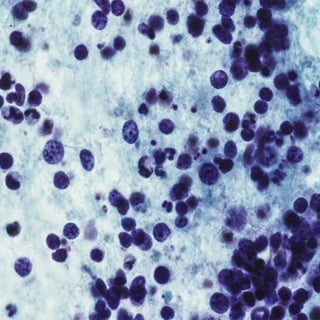
Intensity-modulated radiation therapy (IMRT)
The advanced technique focuses strong radiation on the tumor and spares surrounding healthy tissue.
Learn more
Recommended reading













Where to get care (3)
Related clinics (4)
Osher Center for Integrative Health
 2
2