
Chronic Lymphocytic Leukemia
On this page
Overview
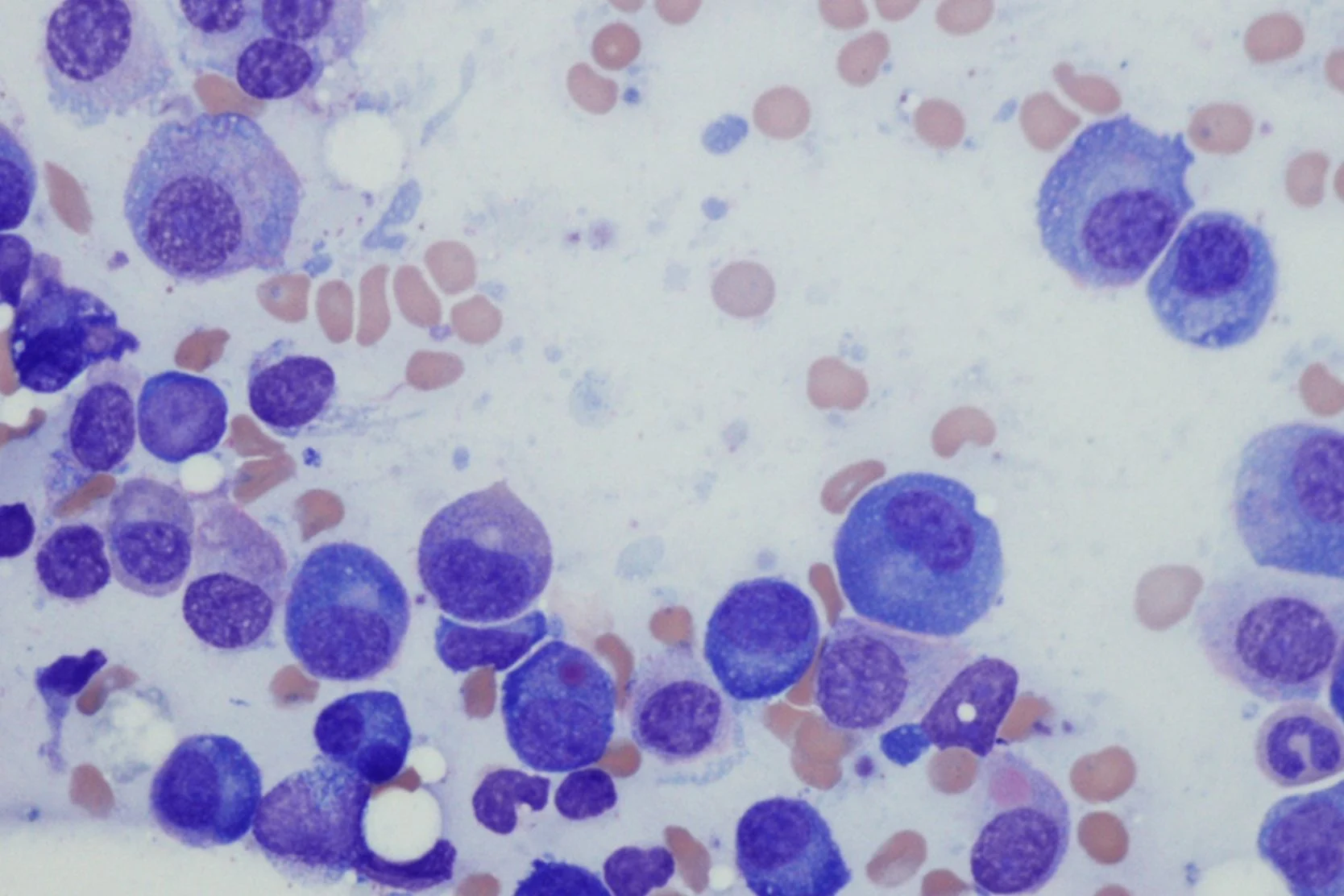
Chronic lymphocytic leukemia (CLL) is a disorder in which the lymphocytes lose their normal ability to die and end up accumulating over time. At first, the cells increase only in the blood, but over years they also increase in the lymph nodes, liver, spleen and bone marrow.
Some patients with CLL live decades and die of infection or other diseases common in older adults.
Our approach to chronic lymphocytic leukemia
UCSF delivers the most advanced treatment options for chronic lymphocytic leukemia (CLL) with care and compassion. Most patients with early-stage CLL do not need treatment. As the condition advances, we have a number of chemotherapy drugs that will put it into remission for several years. In select cases, where the potential benefits outweigh the risks, we offer stem cell transplantation using tissue-matched donors.
We are also dedicated to discovering better treatments for CLL through research. Interested patients may have the option to participate in clinical trials of potential new therapies.
Signs & symptoms
Many patients have no symptoms at the time of diagnosis, except for an elevated white blood cell count. Some patients notice fatigue, enlargement of lymph nodes or fullness in the abdomen due to an enlarged spleen.
When CLL becomes more advanced and begins to replace normal bone marrow, low blood counts can cause:
- Anemia, due to low levels of red blood cells
- Infections, due to low levels of white blood cells called neutrophils
- Bleeding, due to low levels of platelets
CLL also increases a person's risk of infection because of low production of antibodies (gamma globulins) that help fight bacteria.
In 5 percent to 10 percent of cases, CLL causes the destruction of the patient's own red blood cells and/or platelets through an "autoimmune" process. Destruction of platelets is called immune thrombocytopenic purpura (ITP), and destruction of red blood cells is called autoimmune hemolytic anemia (AHA).
Diagnosis
Chronic lymphocytic leukemia is diagnosed through the detection of a high white blood cell count composed primarily of small lymphocytes. The diagnosis is confirmed by "immunophenotyping" (flow cytometry), which determines the types of proteins on the leukemia cells. CLL classically expresses CD19 (a B-lymphocyte protein) and CD 5 (a T-cell lymphocyte protein) simultaneously.
CLL is the one type of leukemia for which there is a formal staging system:
- RAI Stages 0 to I. During this early stage of the disease, there is an elevated lymphocyte count (0) and enlarged lymph nodes (I).
- RAI Stage II. In the intermediate stage the spleen becomes enlarged.
- RAI Stages III to IV. In the advanced stage of the disease, bone marrow function is disturbed and there is a significant decrease in red blood cell (III) or platelet counts (IV).
The RAI stages predict survival:
- RAI Stage 0 or I. More than 10 years
- RAI Stage II. Six years
- RAI III or IV. One to two years
New biologic markers, including chromosome abnormalities, can also help with prognosis. Having normal chromosomes, an extra chromosome 12, or a missing part of chromosome 13 are favorable; a missing part of either chromosome 11 or 17 is unfavorable.
In 5 percent to 10 percent of cases, CLL can transform to an aggressive lymphoma. This is called Richter's syndrome, and it requires lymphoma treatment.
Treatments
Most patients with early-stage chronic lymphocytic leukemia do not need any treatment when the disease is first diagnosed. These patients will live 10 to 15 years on average, and early treatment offers no advantage.
Treatment should start when the patient either has an advanced form of the disease or has an intermediate stage with significant symptoms, very enlarged lymph nodes or a rapid increase in the lymphocyte count (doubling in less than 12 months).
Chemotherapy
The most common treatment for CLL is the chemotherapy drug fludarabine. This is given intravenously (through an IV) five days a week once a month, for four to six months. Although the schedule for fludarabine is rather inconvenient, it causes only modest side effects, such as fatigue. Most patients will have a good response to this treatment and remain in remission without further treatment for two to three years.
The remission rate and length of remission are increased by adding a monoclonal antibody, Rituximab – also used to treat lymphoma – to fludarabine. The most aggressive regimen, fludarabine plus cyclophosphamide plus Rituximab (FCR), has the highest response rate (close to 100 percent), but at the expense of a high infection risk. A new chemotherapy drug, bendamustine, was recently approved for CLL; the patient receives two doses intravenously every month. Another agent, lenalidomide (Revlimid), which is FDA-approved for the treatment of multiple myeloma and certain types of myelodysplastic syndrome, has activity in CLL and is an oral medication.
Chlorambucil, an oral chemotherapy drug, may be used instead of fludarabine, especially for elderly or frail patients.
Stem cell transplantation
Allogeneic stem cell transplantation, also called bone and marrow transplantation (BMT), can be used to potentially cure CLL. However, this therapy is only used to treat the occasional young patient with aggressive CLL, since most patients with CLL live so long that the risk of transplant can seldom be justified.
Investigational therapies
UCSF is dedicated to improving outcomes for CLL patients through the use of investigational therapies and clinical research trials. Clinical trials currently available to UCSF patients include Flavopiridol for CLL cases that don't respond to standard treatment. Flavopiridol kills CLL so quickly that blood salt and acid-base abnormalities arise, potentially causing kidney failure. The first cycle of Flavopiridol is given in the intensive care unit with kidney hemodialysis immediately available. Also available are national trials adding biologic agents, such as lenalidomide, to standard accepted CLL therapies.
Learn more about clinical trials and how they work.
Awards & recognition
Best in California and No. 7 in the nation for cancer care
Recommended reading
Bone Marrow Transplant Using an Unrelated Donor
Learn about an allogeneic bone marrow transplant, where the bone marrow comes from an unrelated donor. We use HLA typing to find the best match possible.
Hematology and BMT Resource Guide
Learn about hematology conditions and bone marrow transplant (BMT), connect with support groups and find resources that can promote healing and well-being.
Self-Care for Caregivers
Caregiver fatigue can be brought on by the physical and emotional demands of caring for a loved one with a serious illness. Learn tips to combat caregiver fatigue here.
Communicating with Your Doctor
The doctor-patient relationship is built on communication and trust. Get tips to strengthen the partnership between you and your care team.
Coping with Chemotherapy
Everyone experiences chemotherapy differently. Understand the possible emotional and physical side effects of chemotherapy and how to cope.
Delegation to Help with Fatigue
Fatigue caused by cancer treatment can make it hard to accomplish tasks. Learn how to delegate tasks to people you trust and communicate effectively.
Nutrition Plans for Cancer Patients Undergoing Treatment
Side effects of cancer treatment may include a loss of appetite and nausea. Find out what foods to avoid and which ones may help you feel better.
Cancer Pathology Tissue Slides FAQ
If you have a biopsy or surgery, diseased tissue is often placed on slides for a pathologist to examine. Learn how to get the slides to your doctor for review.
Cancer Radiology Scans and Reports FAQ
Learn the difference between a radiology report and radiology films or scans, why your doctor might request the scans and how to get them.
Managing Your Treatment
Living with cancer or caring for someone with the disease can be overwhelming. Here are tips to reduce stress and help navigate life with cancer.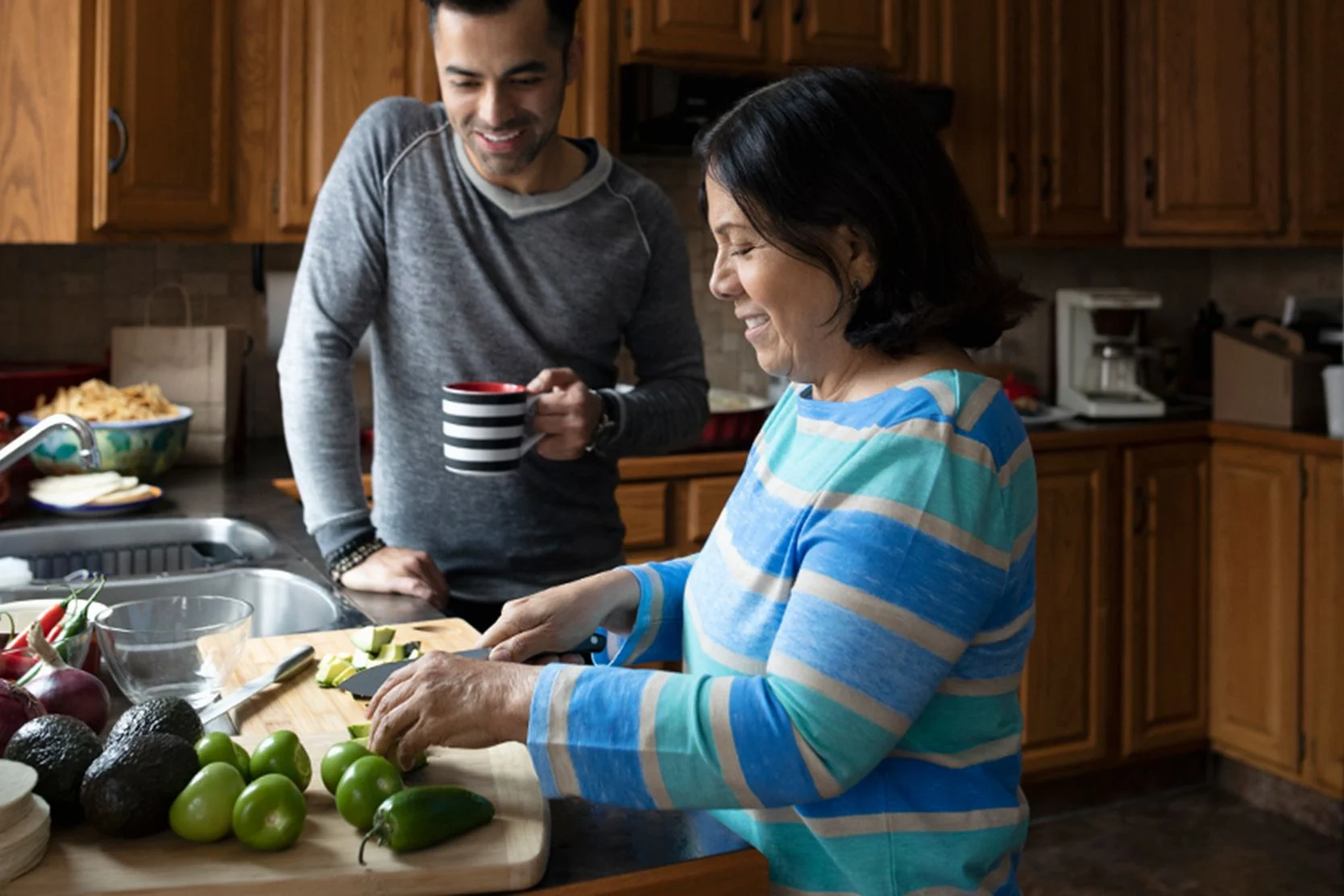
Nutrition and Coping with Cancer Symptoms
Side effects of cancer treatment may affect your eating habits. Find new ways to get the calories, protein and nutrients you need.
Questions to Ask Your Cancer Doctor
These questions can guide conversations with your cancer doctor and help you get the information you need to make care decisions for yourself or a loved one.
Resources for End of Life
Get resources to support yourself and your loved ones through end-of-life issues. Find bereavement support groups, counselors and reading materials.
Tips for Conserving Your Energy
Cancer treatments can cause extreme exhaustion. Here are tips to help you conserve your energy and manage cancer-related fatigue.
Using a Medical Calendar and Symptom Log
Here’s how to keep a medical calendar and symptom log to help you and your doctor track your condition and side effects of treatments or medications.
More treatment info
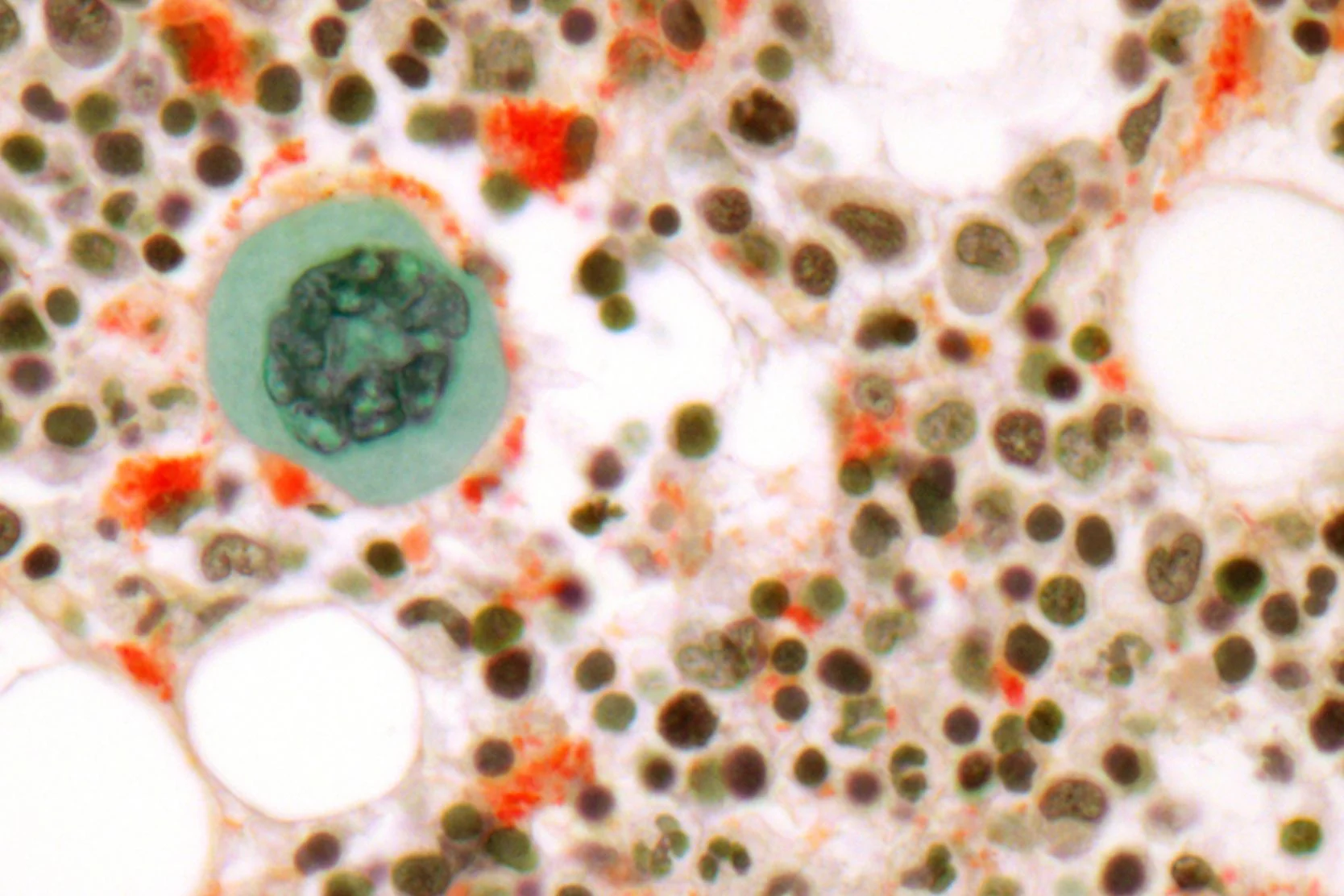
Allogeneic Transplant
Improvements in supportive care over the past 10 years have improved the results and tolerability of blood and marrow transplants (BMT).Learn more here.
Related services & treatments
Specialties
Treatments
- Cancer Chemotherapy
- Allogeneic Stem Cell Transplant
- Clinical Trials
Helpful resources
Support services
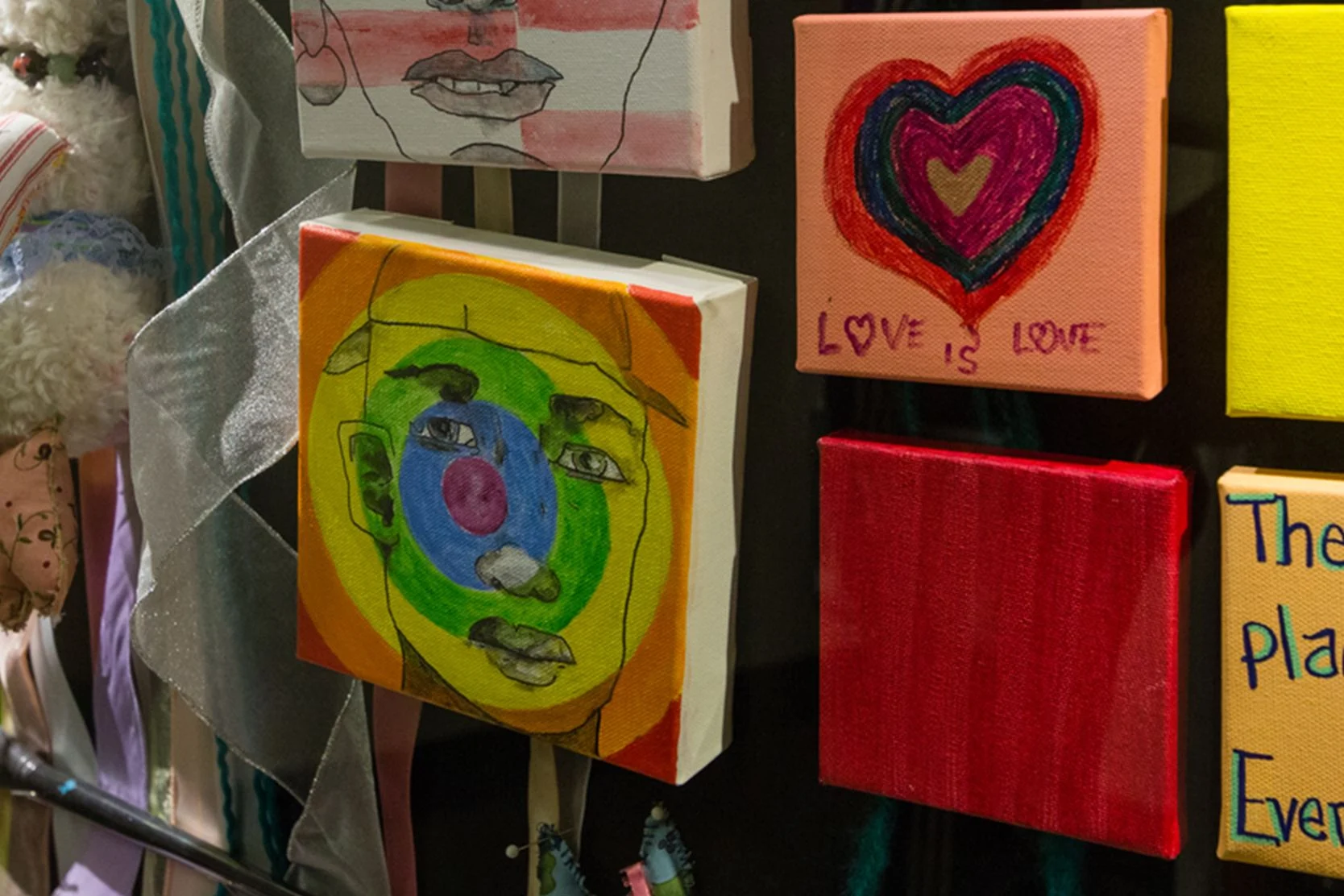
Art for Recovery
Creativity can help people with serious illnesses cope, heal and express what they're going through. Find out about our program and how to join.
Cancer Exercise Counseling
Our one-on-one exercise training sessions, customized for your needs and abilities, can complement other cancer treatments and speed your recovery.
Cancer Nutrition Counseling
UCSF Health offers free nutrition counseling to our patients with cancer, as well as nutrition seminars that are open to anyone. Learn more.
Cancer Support Groups
These groups offered by the Ida and Joseph Friend Patient and Family Cancer Support Center are free and available to all patients, whether or not you get your health care at UCSF.
Core and More Class for Cancer Patients
A strong body helps you fight cancer and enjoy life. Join this class to stabilize your core, strengthen your muscles and improve overall fitness. For cancer patients and caregivers!
Friend to Friend Specialty Shops
A one-stop boutique for patients with cancer. Get professional help with wigs, prostheses, sun-protective clothing, makeup, skin care and more.
Meditation and Guided Imagery for Cancer Patients
Drop in for a free class designed to help you heal, relax and find balance during your treatment. UCSF and non-UCSF patients are welcome.
Oncology Social Work
Social workers offer support, problem-solving, help accessing UCSF cancer-related resources and more. Find out how to contact the social worker for your clinic.
Patient & Family Cancer Support Center
The center offers wellness programming, community, support groups, classes, workshops and more at no cost to people facing cancer and their loved ones.
Peer Support Programs for Cancer
PeerTalk connects interested cancer patients with cancer survivors who can share their own experience to provide emotional and practical support.
UCSF Health medical specialists have reviewed this information. It is for educational purposes only and is not intended to replace the advice of your doctor or other health care provider. We encourage you to discuss any questions or concerns you may have with your provider.