



Liver Cancer

Overview
What is liver cancer?
One of the body's largest organs, the liver has many important functions that keep you healthy. It removes harmful material from your blood, produces enzymes and bile that help digest your food, and converts food into substances needed for life and growth.
Cancer involves uncontrolled growth of cells. Primary liver cancer is when this happens within the liver and, in early stages, is only in the liver. Secondary liver cancer originates in another organ – such as the colon, stomach, pancreas or breast – and spreads to the liver.
Our approach to liver cancer
UCSF offers the most advanced and effective treatments available for liver cancer, including surgical removal of liver tumors and chemotherapy administered directly to tumors or throughout the body. For some people, liver transplant may be an effective option. A pioneer of techniques that have made transplantation safer and more successful, the UCSF Liver Transplant Program is known for delivering outstanding outcomes.
Explore what we do

Promoting liver health in Asian Americans
The co-founders of a special center dedicated to preventing and treating liver cancer among Asian Americans share their culturally sensitive approach to care.
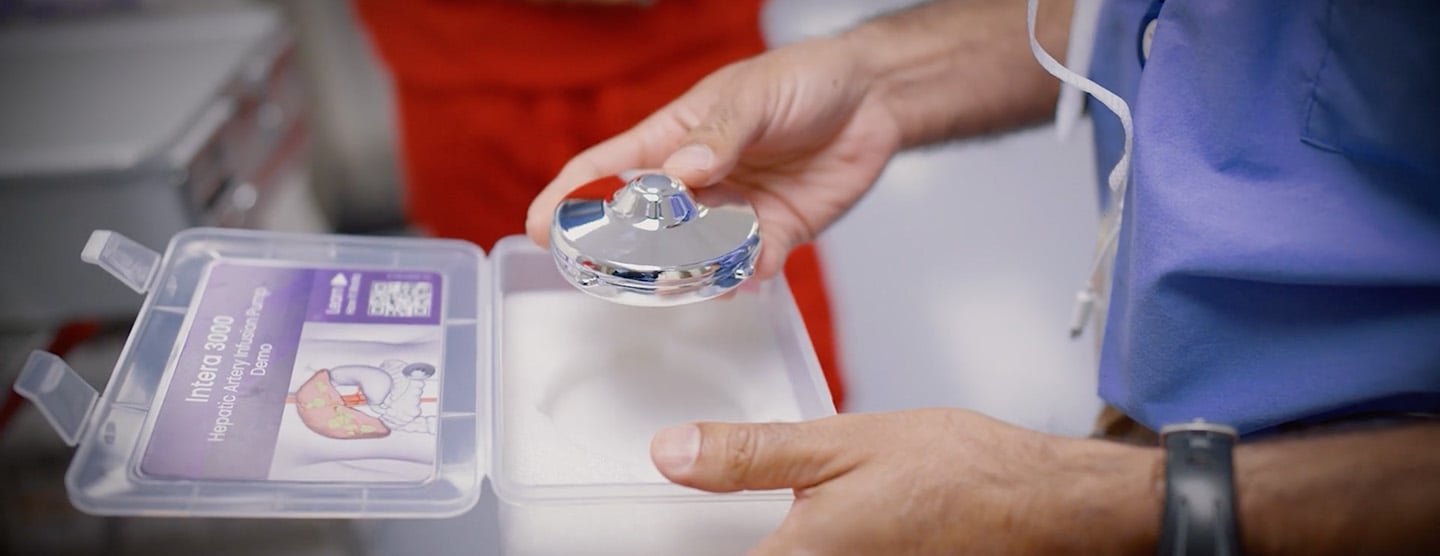
Targeting liver cancer with a small pump
One patient beat cancer with a hepatic arterial infusion (HAI) pump, a device that delivers chemotherapy directly to the liver.
Types of liver cancer
There are two main types of liver cancer, primary and secondary. Primary liver cancer starts in the liver. Secondary liver cancer is when cancer started somewhere else in the body and spread to the liver.
In addition, people can develop benign (noncancerous) liver tumors. These tumors can get large enough to cause problems, but they don't spread to nearby tissues or distant parts of the body. Surgery can often provide a cure for these tumors.
Types of primary liver cancer
Types of primary liver cancer include:
- Hepatocellular cancers. The most common liver cancer in adults, these typically start as a single tumor that grows larger or as many small cancer nodules throughout the liver.
- Intrahepatic cholangiocarcinomas. These start in the cells lining the bile ducts (tubes that carry the digestive fluid called bile) within the liver.
- Liver angiosarcomas or hemangiosarcomas. These are rare cancers that begin in the cells lining the liver's blood vessels. People with a history of exposure to vinyl chloride or thorium dioxide (such as in Thorotrast) have an elevated risk of developing these cancers.
- Hepatoblastomas. These very rare cancers develop in children, usually those under 4 years old.
Causes of liver cancer
Primary liver cancer can happen to anyone, but it occurs most frequently in people with advanced liver disease. In the United States, this means the risk is greatest for people with chronic hepatitis B, advanced hepatitis C and cirrhosis. Because hepatitis viruses are widespread, liver cancer is the second most common cause of death from cancer worldwide.
In addition, certain inherited conditions can increase your chances of developing liver cancer. These include:
- Tyrosinemia. In this rare disorder that affects children, the body can't effectively break down the amino acid tyrosine, allowing it and its by-products to build up in organs and tissues.
- Hemochromatosis. This genetic condition causes the body to absorb and store too much iron.
Both conditions, as well as all types of hepatitis, cause chronic liver inflammation and damage. One objective of current research at UCSF is to understand why liver inflammation and damage can lead to liver cancer.
Symptoms of liver cancer
People with liver cancer in early stages may not have any symptoms. As the disease progresses, they may experience:
- Loss of appetite
- Unexplained weight loss
- Fever
- Fatigue
- Weakness
- Nausea
- Vomiting
- Easy bruising and bleeding
- Pale, chalky-looking bowel movements and dark urine
Secondary liver cancer (when cancer has spread to the liver from elsewhere in the body) can cause pain on the right side of the upper abdomen that may extend into the back and shoulder.
With advanced liver cancer, signs of liver failure appear. These may include abdominal swelling, a feeling of fullness or bloating, yellowing of the skin and whites of the eyes (jaundice), and dark urine.
Diagnosis of liver cancer
To diagnose liver cancer, your doctor will gather information about your medical history to assess possible risk factors, ask about your symptoms, and perform a thorough physical exam. They'll look specifically for signs of liver cancer – such as by feeling your abdomen and checking the whites of your eyes – as well as signs of other health problems.
Your doctor may recommend certain tests, such as:
- Blood tests. A blood sample can be used to measure enzymes and other substances produced by the liver. The results indicate how well your liver is functioning.
- X-rays. Chest and abdominal X-rays can reveal tumors.
- Angiogram. X-rays of your blood vessels, highlighted on the images through the use of a contrast dye, can show arteries that are supplying blood to a liver tumor. An angiogram can help the doctor decide whether the cancer can be removed surgically.
- Computed tomography (CT) scan. In this technique, digital scans take X-rays from different angles to produce detailed images that can reveal tumors.
- Magnetic resonance imaging (MRI) scan. These scans, produced with a powerful magnet, radio waves and a computer, provide detailed images of the liver. As in angiography, a special dye may be injected intravenously (into a vein) to highlight abnormal areas of the liver and track blood flow through the vessels that feed into it.
- Biopsy. A small sample of tissue from the liver is removed using a needle or during surgery and the cells are examined under a microscope.
If primary liver cancer is found, your doctor may recommend additional tests to determine whether it has moved into other parts of your body.
Staging of liver cancer
Once cancer is diagnosed, your doctor needs to determine whether it has spread and, if so, how far. This process is called staging. There are four stages of primary liver cancer:
- Localized resectable. The cancer is in only one place in the liver and can be completely removed by surgery.
- Localized unresectable. It is in only one place in the liver but can't be totally removed.
- Advanced. It has spread through much of the liver or to other parts of the body.
- Recurrent. It has come back (recurred) following treatment and is present in either the liver or another part of the body.
Treatment of liver cancer
There are several methods of treating liver cancer. Which is best for you depends on the stage of your cancer and your overall health, as well as other factors, and your doctor will help you with the decision.
Radiation therapy for liver cancer
Radiation therapy uses X-rays or other high-energy rays to kill cancer cells and shrink tumors. The radiation is delivered by a machine outside the body, so the treatment is called external beam radiation therapy. Radiation can be used alone or in addition to surgery and chemotherapy.
Chemotherapy for liver cancer
Chemotherapy uses drugs to kill cancer cells. For liver cancer, these drugs are usually injected into a vein or artery. This type of chemo is a systemic treatment because the drug enters the bloodstream and travels throughout the body. It can therefore kill cancer cells outside of the liver. Another type of chemotherapy, called regional chemotherapy, involves placing a small pump containing medication inside the abdomen. The pump delivers the drugs directly to the liver tumors. A version of this treatment, called hepatic artery infusion, is used for patients with colon, rectal or bile duct cancer that has spread to the liver.
Surgery for liver cancer
Surgery is the most common treatment for liver cancer. In some cases, we can remove the cancer using robotic surgery, a minimally invasive technique that can reduce recovery time and the risk of surgical complications.
Liver transplant for liver cancer
In a liver transplant, the entire liver is removed and replaced with part of a healthy liver from a donor. This procedure is considered when the disease is confined to the liver and a suitable donor liver is available. In cases where patients have to wait, other treatments will be used as needed.
Immunotherapy
Immunotherapy harnesses the patient's own immune system to fight cancer. Disease-fighting cells – produced by your body or designed in a laboratory – are used to enhance, guide or restore your body's inherent defenses against cancer.
Secondary liver cancer treatment
Because secondary cancer means at least two organs are affected, the treatment possibilities are more limited than for primary liver cancer. Some of these treatments may still have value, and your doctor will explain your options and work with you on selecting the best approach for your condition.
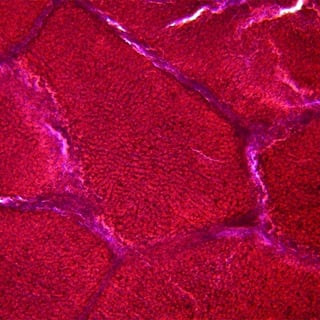
UCSF Health medical specialists have reviewed this information. It is for educational purposes only and is not intended to replace the advice of your doctor or other health care provider. We encourage you to discuss any questions or concerns you may have with your provider.
Where to get care (3)
Awards & recognition
-

Among the top hospitals in the nation
-

Best in California and No. 7 in the nation for cancer care
-

Best in Northern California for gastroenterology & GI surgery
-
Designated comprehensive cancer center
Recommended reading














Related clinics (4)