
Non-Hodgkin's Lymphoma
On this page
Overview
In non-Hodgkin's lymphoma, tumors develop from white blood cells called lymphocytes, often at different locations in your body. Normally, lymphocytes go through a predictable life cycle. Old lymphocytes die and your body creates new ones to replace them. But in non-Hodgkin's lymphoma, your body produces abnormal lymphocytes that continue to divide and grow without control. This excess of lymphocytes crowds into your lymph nodes, causing them to swell.
Non-Hodgkin's lymphoma accounts for about 4 percent of all new cancers in the United States. The disease is about eight times more common than Hodgkin's lymphoma. About 55,000 cases of non-Hodgkin's lymphoma are diagnosed each year in the U.S.
Our approach to Non-Hodgkin's Lymphoma
UCSF delivers compassionate, personalized care for non-Hodgkin's lymphoma. Treatments generally include chemotherapy, immunotherapy (which uses the body's immune system to fight the cancer and ease treatment side effects), radiation therapy or some combination of these. We also offer stem cell transplants to all patients with recurrent non-Hodgkin's lymphoma. Patients with slow-growing cancers may need careful monitoring but no immediate treatment.
We are dedicated to discovering better treatments for lymphoma and other cancers through research. Interested patients may have the option to participate in clinical trials of potential new therapies. UCSF also offers many support services for our cancer patients and their families.
Signs & symptoms
The most common symptom of non-Hodgkin's lymphoma is a painless swelling of the lymph nodes in the neck, underarm or groin. Other symptoms may include the following:
- Unexplained fever
- Night sweats
- Constant fatigue
- Unexplained weight loss
- Itchy skin
- Reddened patches on the skin
However, these symptoms are not sure signs of non-Hodgkin's lymphoma. They also may be caused by other, less serious conditions, such as the flu or other infections — only a doctor can make a diagnosis. Therefore, when symptoms like these are present, it is important to see a doctor so that any illness can be diagnosed and treated as early as possible.
Diagnosis
If non-Hodgkin's lymphoma is suspected, the doctor will ask about your medical history and perform a physical exam, which will include feeling the lymph nodes in the neck, underarm or groin and feeling to see if the liver or spleen is enlarged. In addition to checking general signs of health, the doctor may order blood tests.
The doctor also may recommend tests that produce pictures of the inside of the body, including:
- X-Rays High-energy radiation is used to take pictures of areas inside the body, such as the chest, bones, liver and spleen.
- Computed Tomography (CT) Scan A CT scan uses a thin X-Ray beam that rotates around the area being examined. A computer processes data to construct a three-dimensional, cross-sectional image.
- Magnetic Resonance Imaging (MRI) An MRI provides detailed pictures of areas inside the body, using a powerful magnet linked to a computer.
- PET Scan A PET scan uses a radioisotope of glucose, a sugar molecule, to determine if lymphoma is present in enlarged lymph nodes.
The diagnosis also depends on a biopsy, during which a surgeon removes a sample of tissue so that a pathologist can examine it under a microscope to check for cancer cells. A biopsy for non-Hodgkin's lymphoma is usually taken from a lymph node, but other tissues may be sampled as well.
Sometimes, an operation called a laparotomy may be performed. During this operation, a surgeon cuts into the abdomen and removes samples of lymph tissue to be checked under a microscope.
Treatments
The treatment of non-Hodgkin's lymphoma will vary according to the specific sub-type of lymphoma.
Patients with non-Hodgkin's lymphoma undergo an extensive evaluation that may include:
- A general history and physical examination
- Multiple blood tests
- X-Rays
- Bone marrow aspiration and biopsy procedure
- Lymph node biopsy
Some slow growing lymphomas, called indolent or low-grade lymphomas, may not require any initial therapy, and the doctor may decide to wait until the disease causes symptoms before starting treatment. Often, this approach is called "watchful waiting."
That said, the majority of patients with non-Hodgkin's lymphoma will require treatment at the time of diagnosis. Treatment usually consists of chemotherapy, although some patients may receive radiation therapy, or a combination of these treatments. In some cases, bone marrow transplantation, biological therapies or surgery may be considered.
Chemotherapy
Chemotherapy is the use of drugs to kill cancer cells. Chemotherapy for non-Hodgkin's lymphoma usually consists of a combination of several drugs. Patients may receive chemotherapy alone or in combination with radiation therapy.
Chemotherapy usually is given in cycles: a treatment period followed by a recovery period, then another treatment period and recovery period, and so on.
Although most anticancer drugs are given by injection into a blood vessel (through an IV), some are given by mouth. Chemotherapy is a systemic treatment because the drugs enter the bloodstream and travel throughout the body.
The most common therapy for non-Hodgkin's lymphoma is called R-CHOP and consists of four different chemotherapy medications plus a type of immunotherapy called rituximab, which specifically targets some lymphoma cells. The medications are given through an IV and by mouth for five consecutive days. This is then repeated every three weeks for six to eight cycles.
Chemotherapy is usually an outpatient procedure, which means it can be given at the hospital, at the doctor's office or at home. However, depending on the patient's general health, a short hospital stay may be required.
Radiation Therapy
Radiation therapy, also called radiotherapy, is the use of high-energy rays to kill cancer cells. Treatment with radiation may be given alone or with chemotherapy.
Radiation therapy is local treatment, meaning it only affects cancer cells in the treated area. Radiation therapy for non-Hodgkin's lymphoma comes from a machine that aims the high-energy rays at a specific area of the body. There is no radioactivity in the body when the treatment is over.
Stem Cell Transplants
At UCSF Medical Center, stem cell transplantation, also called bone marrow transplantation, is offered to all patients with recurrent non-Hodgkin's lymphoma. The type of stem cell transplant will depend on a number of factors including:
- Age
- Current symptoms
- Response to prior treatments
- The availability of a donor
The majority of patients will undergo an autologous stem cell transplant, which uses one's own stem cells. You are encouraged to consult with a stem cell transplantation doctor to learn more about non-Hodgkin's lymphoma, including treatments and stem cell transplantation.
Stem cell transplantation refers to the administration of high-dose chemotherapy followed by the infusion of stem cells. If the stem cells are collected from the hip bone, the procedure is called a bone marrow transplant. If the stem cells are collected from the blood using a procedure called leukapheresis, the procedure is called a peripheral blood stem cell transplant. Today, most transplantation procedures are performed using stem cells that have been collected from the peripheral blood.
Peripheral stem cell transplantation is a method of giving high-dose chemotherapy and then replacing the blood-forming cells destroyed by chemotherapy with healthy stem cells.
Transplantation may be:
- Autologous — Using an individual's own blood cells that were saved earlier
- Allogeneic — Using blood cells donated by someone else
- Syngeneic — Using blood cells donated by an identical twin
Biological Therapy
Biological therapy, also called immunotherapy, is a form of treatment that uses the body's immune system, either directly or indirectly, to fight cancer or to lessen the side effects that can be caused by some cancer treatments. It uses materials made by the body or in a laboratory to boost, direct or restore the body's natural defenses against disease.
The drug rituximab is an example of one type of immunotherapy that is widely used. Newer, investigational immunotherapies and agents that are designed to enhance normal cell-death pathology, which is often inhibited in cancer cells, are currently being investigated.
Awards & recognition
Best in California and No. 7 in the nation for cancer care

Recommended reading
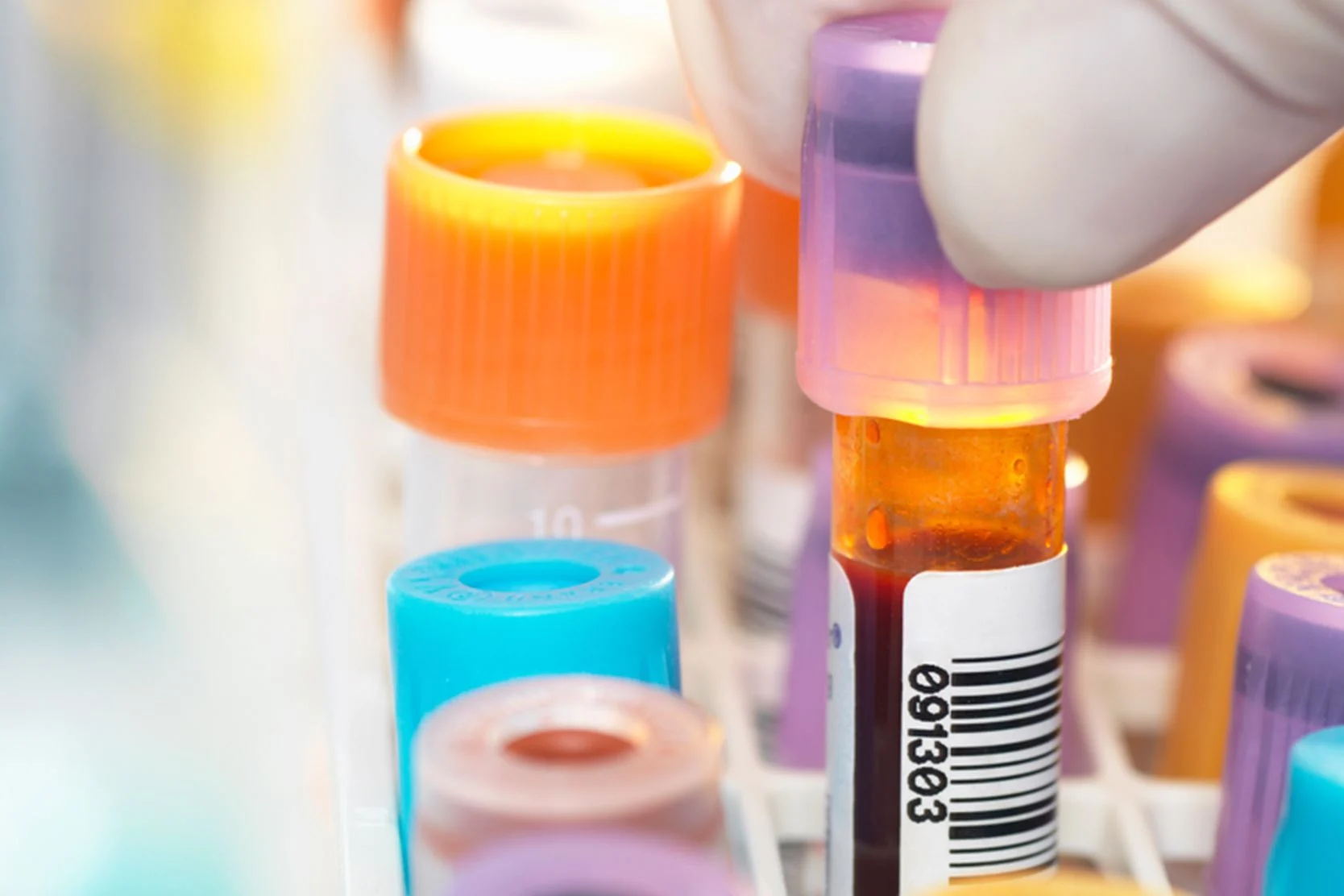
Autologous Transplant Guide
A blood and marrow transplant (BMT) can be challenging. This comprehensive guide can help you or a loved one prepare for the procedure.
Hematology and BMT Resource Guide
Learn about hematology conditions and bone marrow transplant (BMT), connect with support groups and find resources that can promote healing and well-being.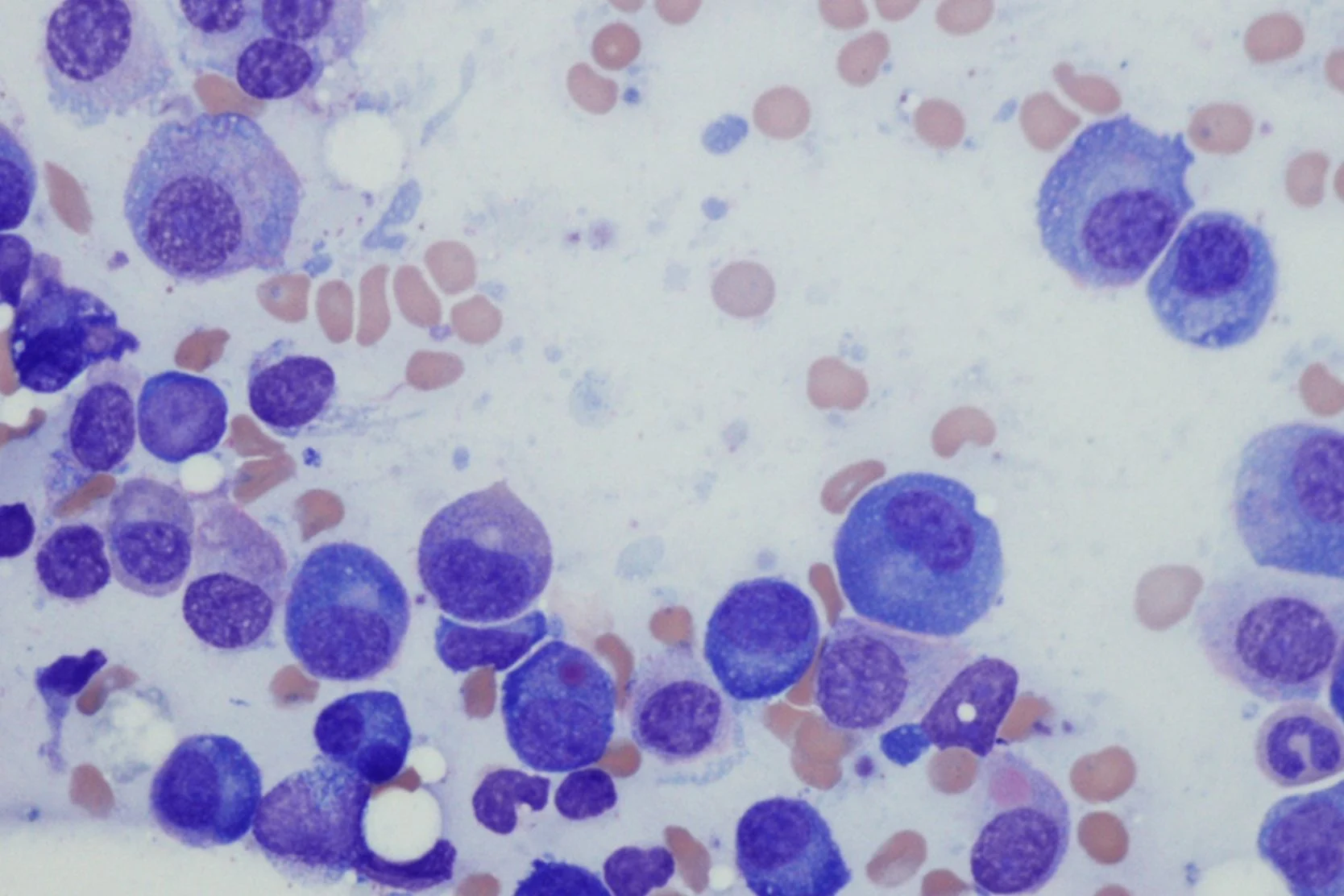
Bone Marrow Transplant Using an Unrelated Donor
Learn about an allogeneic bone marrow transplant, where the bone marrow comes from an unrelated donor. We use HLA typing to find the best match possible.
Self-Care for Caregivers
Caregiver fatigue can be brought on by the physical and emotional demands of caring for a loved one with a serious illness. Learn tips to combat caregiver fatigue here.
Communicating with Your Doctor
The doctor-patient relationship is built on communication and trust. Get tips to strengthen the partnership between you and your care team.
Coping with Chemotherapy
Everyone experiences chemotherapy differently. Understand the possible emotional and physical side effects of chemotherapy and how to cope.
Delegation to Help with Fatigue
Fatigue caused by cancer treatment can make it hard to accomplish tasks. Learn how to delegate tasks to people you trust and communicate effectively.
Nutrition Plans for Cancer Patients Undergoing Treatment
Side effects of cancer treatment may include a loss of appetite and nausea. Find out what foods to avoid and which ones may help you feel better.
Cancer Pathology Tissue Slides FAQ
If you have a biopsy or surgery, diseased tissue is often placed on slides for a pathologist to examine. Learn how to get the slides to your doctor for review.
Cancer Radiology Scans and Reports FAQ
Learn the difference between a radiology report and radiology films or scans, why your doctor might request the scans and how to get them.
Managing Your Treatment
Living with cancer or caring for someone with the disease can be overwhelming. Here are tips to reduce stress and help navigate life with cancer.
Nutrition and Coping with Cancer Symptoms
Side effects of cancer treatment may affect your eating habits. Find new ways to get the calories, protein and nutrients you need.
Questions to Ask Your Cancer Doctor
These questions can guide conversations with your cancer doctor and help you get the information you need to make care decisions for yourself or a loved one.
Resources for End of Life
Get resources to support yourself and your loved ones through end-of-life issues. Find bereavement support groups, counselors and reading materials.
Tips for Conserving Your Energy
Cancer treatments can cause extreme exhaustion. Here are tips to help you conserve your energy and manage cancer-related fatigue.
Using a Medical Calendar and Symptom Log
Here’s how to keep a medical calendar and symptom log to help you and your doctor track your condition and side effects of treatments or medications.
More treatment info
Allogeneic Transplant
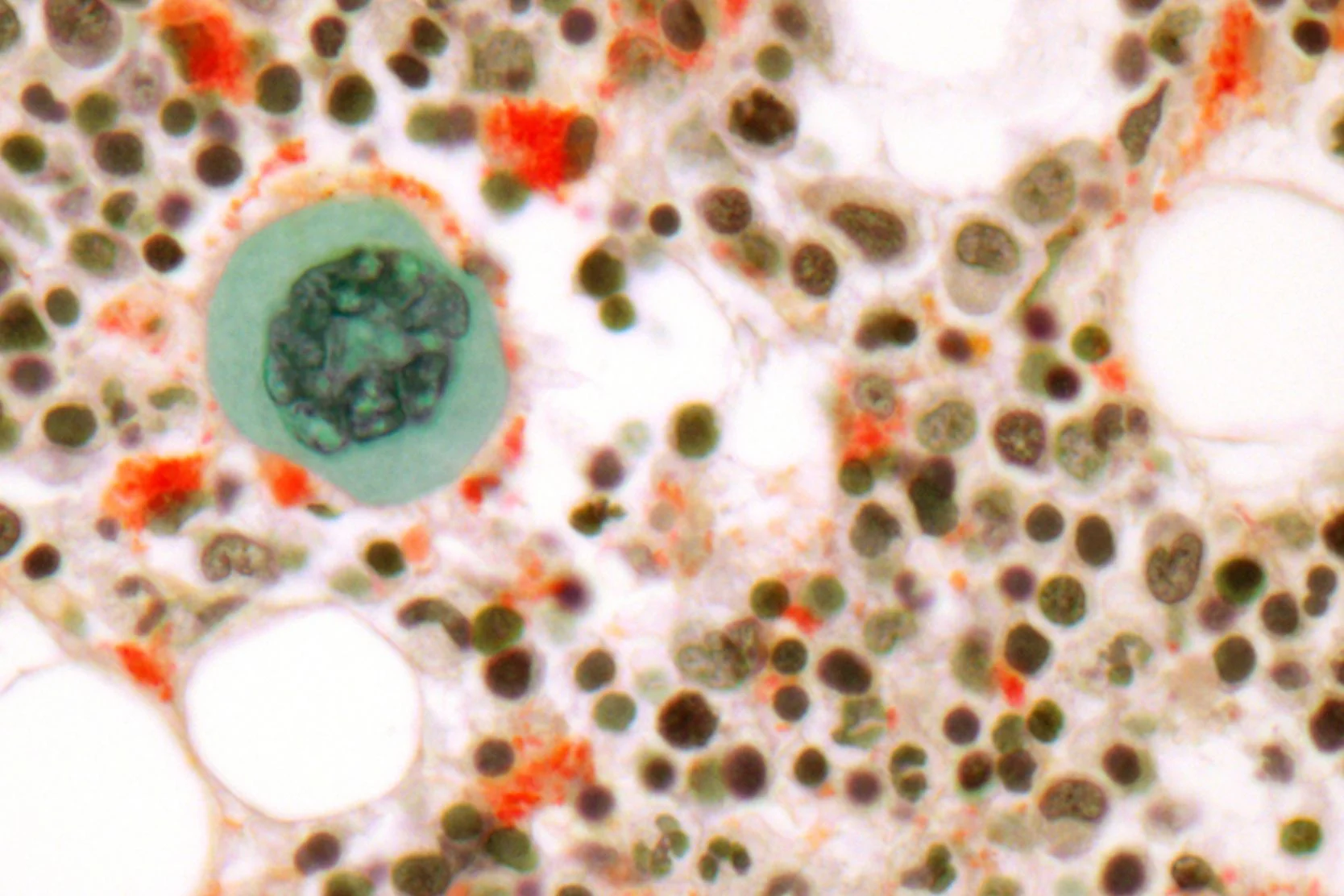
Improvements in supportive care over the past 10 years have improved the results and tolerability of blood and marrow transplants (BMT).Learn more here.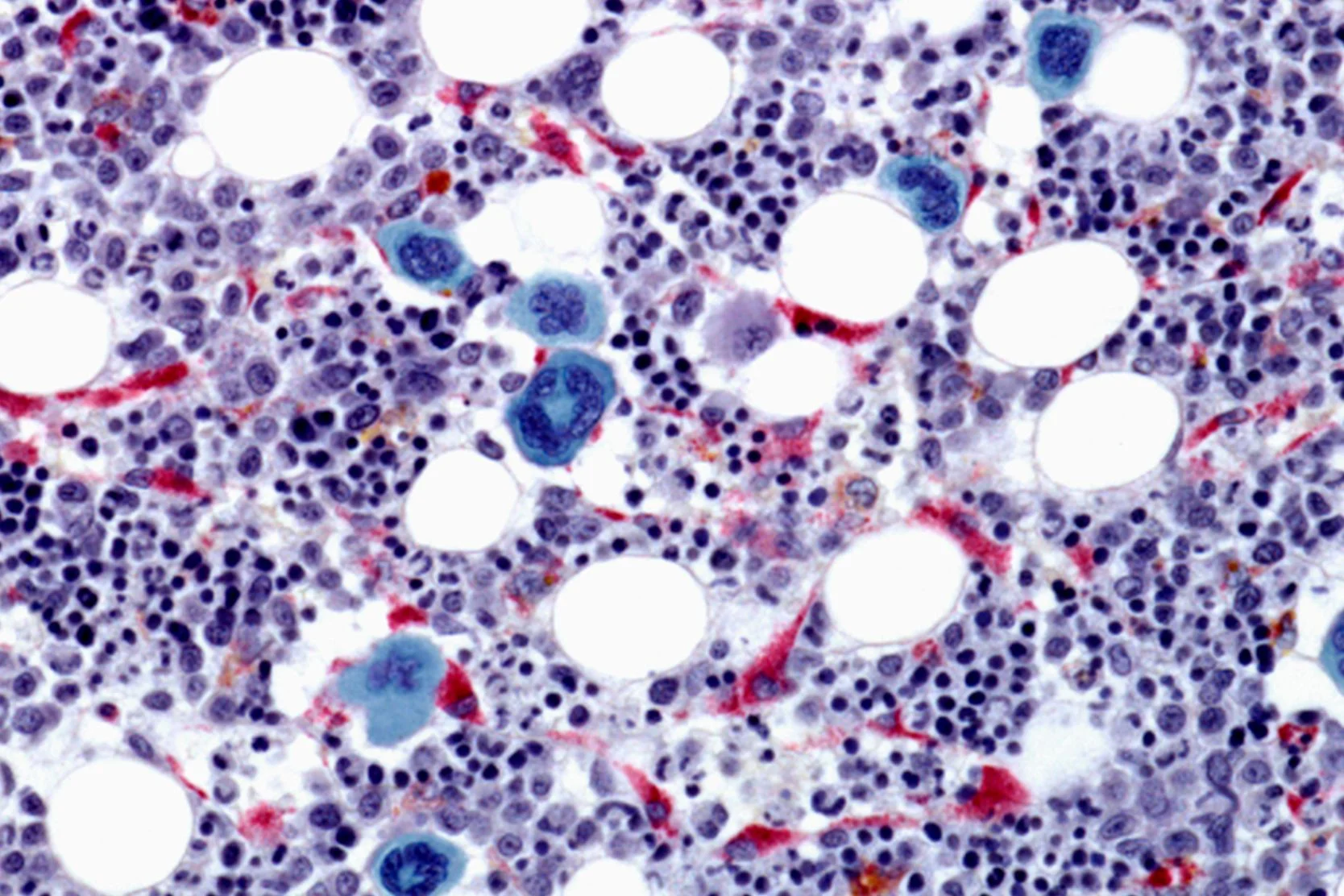
Autologous Transplant
Advances in the treatment of cancer and improvements in supportive care over the past 10 years have improved the results and tolerability of stem cell transplants.
Related services & treatments
Specialties
Treatments
- Cancer Chemotherapy
- Cancer Immunotherapy
- External Beam Radiation Therapy
- Stem Cell Transplant
- Clinical Trials
Helpful resources
Support services

Art for Recovery
Creativity can help people with serious illnesses cope, heal and express what they're going through. Find out about our program and how to join.
Cancer Exercise Counseling
Our one-on-one exercise training sessions, customized for your needs and abilities, can complement other cancer treatments and speed your recovery.
Cancer Nutrition Counseling
UCSF Health offers free nutrition counseling to our patients with cancer, as well as nutrition seminars that are open to anyone. Learn more.
Cancer Support Groups
These groups offered by the Ida and Joseph Friend Patient and Family Cancer Support Center are free and available to all patients, whether or not you get your health care at UCSF.
Core and More Class for Cancer Patients
A strong body helps you fight cancer and enjoy life. Join this class to stabilize your core, strengthen your muscles and improve overall fitness. For cancer patients and caregivers!
Friend to Friend Specialty Shops
A one-stop boutique for patients with cancer. Get professional help with wigs, prostheses, sun-protective clothing, makeup, skin care and more.
Meditation and Guided Imagery for Cancer Patients
Drop in for a free class designed to help you heal, relax and find balance during your treatment. UCSF and non-UCSF patients are welcome.
Oncology Social Work
Social workers offer support, problem-solving, help accessing UCSF cancer-related resources and more. Find out how to contact the social worker for your clinic.
Patient & Family Cancer Support Center
The center offers wellness programming, community, support groups, classes, workshops and more at no cost to people facing cancer and their loved ones.
Peer Support Programs for Cancer
PeerTalk connects interested cancer patients with cancer survivors who can share their own experience to provide emotional and practical support.
UCSF Health medical specialists have reviewed this information. It is for educational purposes only and is not intended to replace the advice of your doctor or other health care provider. We encourage you to discuss any questions or concerns you may have with your provider.