


Breast Cancer
On this page
Why choose UCSF Health for breast cancer treatment?
Having breast cancer isn't a journey you chose, but we're here to empower you to make the best choices for the road ahead. UCSF Health is known regionally and nationally for our expertise in breast cancer care. In addition to providing the latest therapies, our whole-person care approach ensures you have everything you need to manage symptoms and feel supported at every stage, from diagnosis through recovery.
Why choose UCSF Health for breast cancer treatment?
Having breast cancer isn't a journey you chose, but we're here to empower you to make the best choices for the road ahead. UCSF Health is known regionally and nationally for our expertise in breast cancer care. In addition to providing the latest therapies, our whole-person care approach ensures you have everything you need to manage symptoms and feel supported at every stage, from diagnosis through recovery.
Team approach
Our breast surgeons, plastic and reconstructive surgeons, oncologists, radiologists and pathologists work together to address your needs.Innovative research
Our pioneering research on hereditary cancers helps provide more effective care for patients and families.Personalized medicine
Utilizing the latest advancements, we offer therapies tailored to the unique genetic and molecular profiles of cancer cells in your body, which can greatly improve outcomes.National recognition
We are ranked among the top hospitals in the nation for cancer care by U.S. News & World Report.
Individualized breast cancer care
At UCSF Health, we consider many factors when selecting the right breast cancer treatments for your needs. Our doctors partner with you to customize your care plan according to the type and stage of cancer you have, your age and overall health, and your personal preferences and needs. Our goal is to deliver the safest, most effective treatments while maximizing your quality of life.
More effective therapies, fewer side effects
For many people, long-term positive outcomes can be achieved with less aggressive treatments, resulting in a lower risk of complications. Through the expertise of our cancer specialists and access to the latest therapies and clinical trials, we can often offer treatment options with fewer side effects. These approaches may include:
Active surveillance
Less invasive surgery
Lower doses of chemotherapy
Shorter courses of radiation
Targeted therapies for hereditary cancers
Advanced breast cancer treatments
Your treatment plan may include:
Breast cancer surgery. Our breast surgeons use techniques that preserve as much healthy breast tissue as possible. We offer microsurgical breast reconstruction, which leads to better aesthetic outcomes.
Radiation therapy. Our radiation oncologists use the most sophisticated technology to target tumors and spare healthy tissue. Whenever possible, we recommend shorter courses of radiation to minimize disruption to your life.
Chemotherapy. Our medical oncologists use the latest cancer-fighting drugs, while striving to reduce side effects whenever possible. For example, we offer scalp cooling to help prevent chemotherapy-related hair loss.
Hormone therapy. Some breast cancers need hormones like estrogen to grow. Depending on your age and the type of cancer you have, we may recommend medication that blocks the effects of these hormones.
Immunotherapy. People with cancer that has spread from their breast (metastatic breast cancer) may benefit from these medications that boost their immune system so it can better fight cancer. Our cancer immunotherapy specialists offer the latest treatment options.
Targeted therapy. We use drugs that target specific molecules on cancer cells to prevent the cells from growing and dividing. Targeted therapy may be an option for people with HER2-positive breast cancer or BRCA gene mutations.
Locations
Providers
Related services
Excellence in patient care
Best in California and No. 7 in the nation for cancer care
Related conditions & treatments
Conditions
- Abnormal Mammogram
- Atypical Ductal Hyperplasia
- Atypical Lobular Hyperplasia
- BRCA
- Breast Cancer
- Breast Lump
- HER2-Positive Breast Cancer
- Nipple Discharge
Treatments
- Breast Cancer Surgery
- Cancer Chemotherapy
- Cancer Immunotherapy
- Clinical Trials
Guides and forms
Accreditations & memberships
National Cancer Institute
The National Cancer Institute has designated UCSF Health a comprehensive cancer center, its highest ranking. This designation is awarded to centers that demonstrate scientific excellence and the ability to conduct cancer research across many disciplines.
Commission on Cancer
UCSF Health's cancer programs have been accredited by the American College of Surgeons' Commission on Cancer (CoC) since 1933. The CoC is a consortium of groups dedicated to improving cancer patients' survival and quality of life via research, education and better medical care.
National Comprehensive Cancer Network
UCSF is a member of the National Comprehensive Cancer Network, an alliance of the world's top cancer centers. The network brings together leaders in treatment and research to improve the quality, effectiveness and efficiency of cancer care.
Special programs
Breast Cancer Coordinated Diagnostic Evaluation
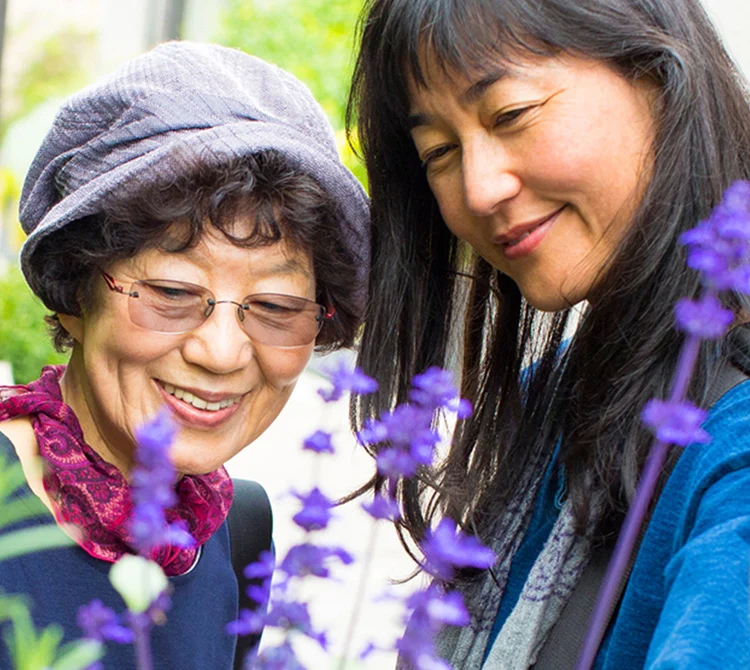
We provide prompt breast biopsies and diagnoses for people with abnormal mammograms or breast lumps. Our streamlined services give you the answers you need.
Hereditary Cancer
Our services for people at risk of hereditary cancers include genetic counseling and testing, cancer screening management and cancer risk reduction.
Support services
UCSF Patient Support Corps
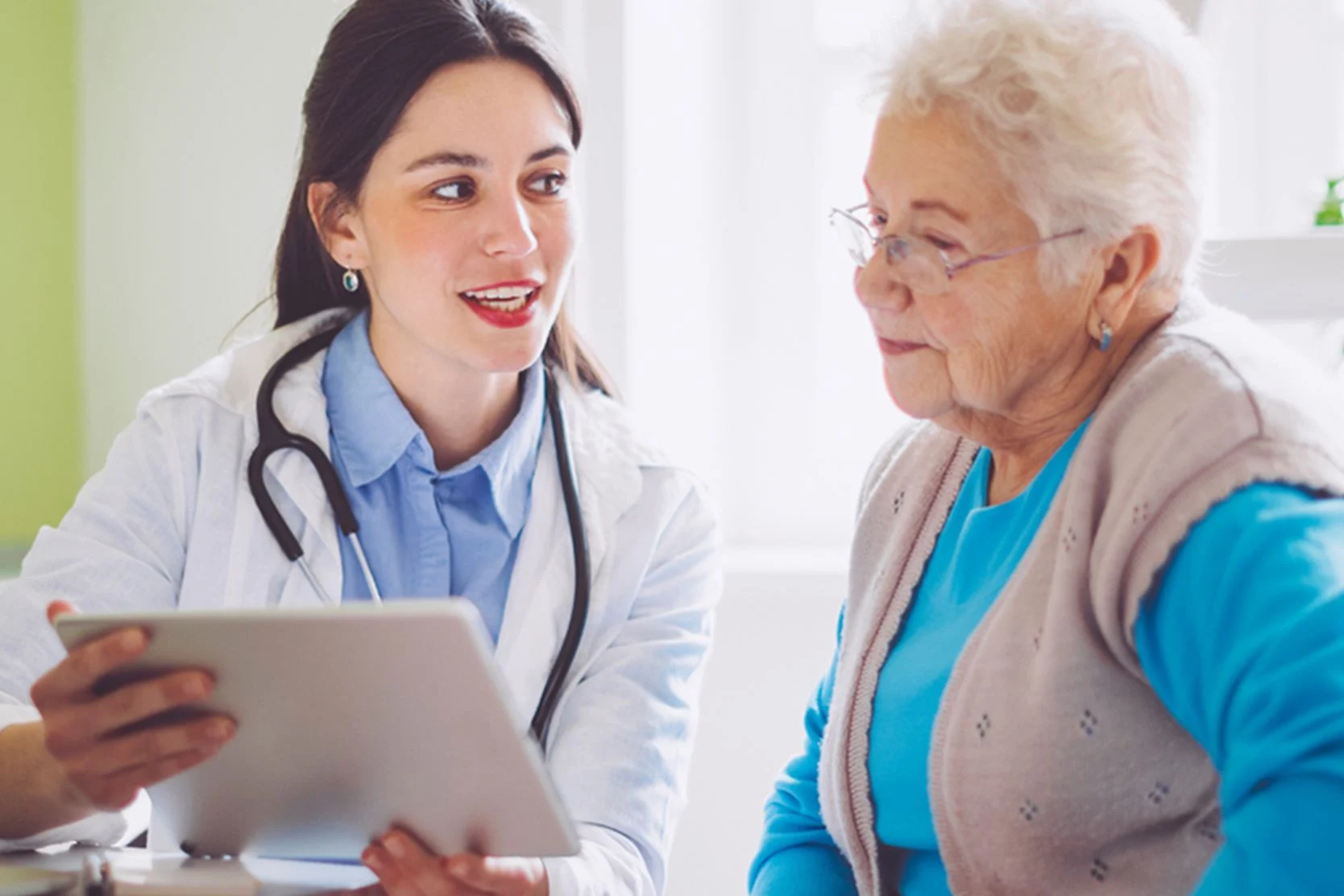
Receiving a breast cancer diagnosis is stressful. Get guidance, support and answers to your questions here as you consider your options and make decisions.
Art for Recovery
Creativity can help people with serious illnesses cope, heal and express what they're going through. Find out about our program and how to join.
Cancer Exercise Counseling
Our one-on-one exercise training sessions, customized for your needs and abilities, can complement other cancer treatments and speed your recovery.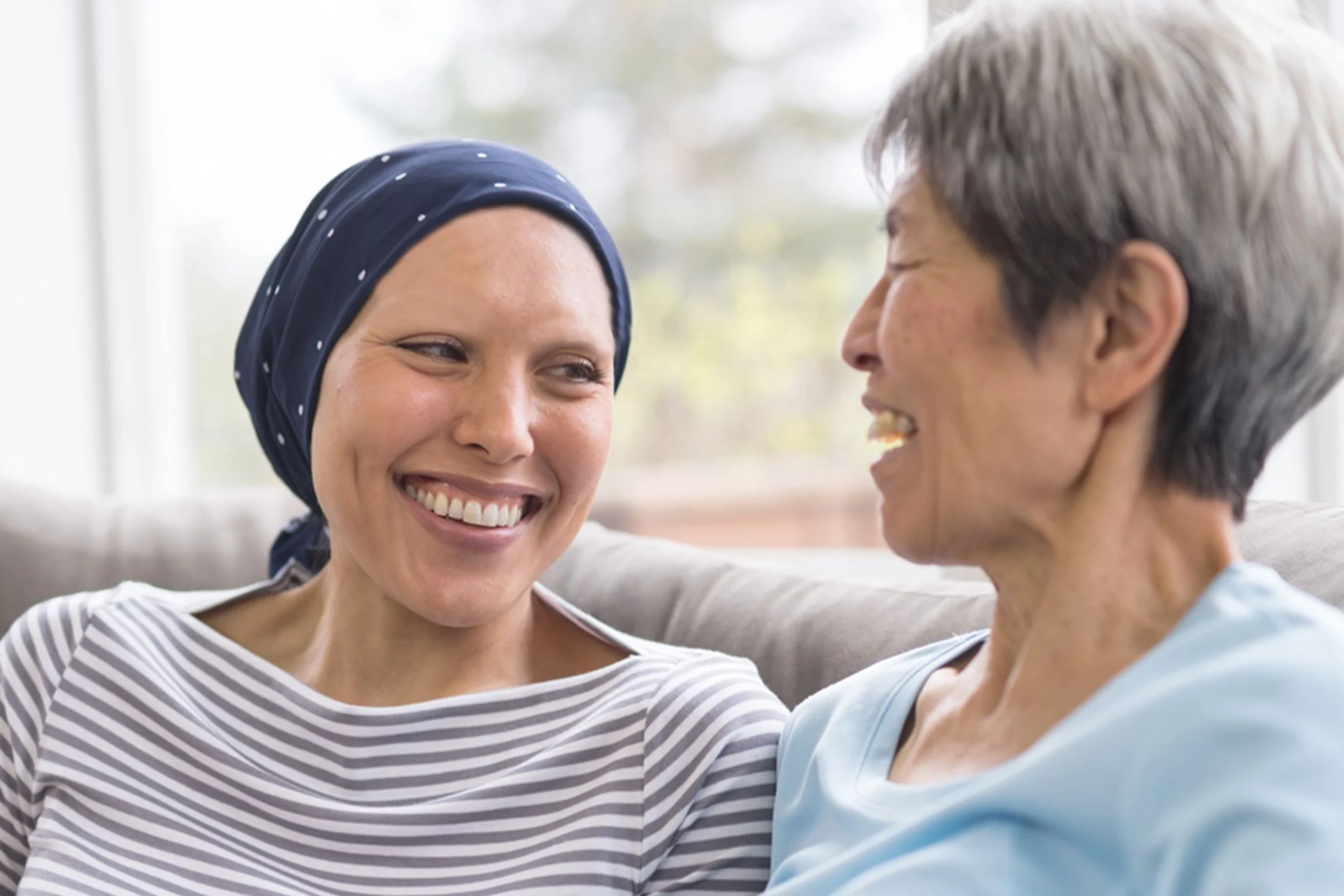
Cancer Support Groups
These groups offered by the Ida and Joseph Friend Patient and Family Cancer Support Center are free and available to all patients, whether or not you get your health care at UCSF.
Core and More Class for Cancer Patients
A strong body helps you fight cancer and enjoy life. Join this class to stabilize your core, strengthen your muscles and improve overall fitness. For cancer patients and caregivers!
Friend to Friend Specialty Shops
A one-stop boutique for patients with cancer. Get professional help with wigs, prostheses, sun-protective clothing, makeup, skin care and more.
Meditation and Guided Imagery for Cancer Patients
Drop in for a free class designed to help you heal, relax and find balance during your treatment. UCSF and non-UCSF patients are welcome.
Oncology Social Work
Social workers offer support, problem-solving, help accessing UCSF cancer-related resources and more. Find out how to contact the social worker for your clinic.
Patient & Family Cancer Support Center
The center offers wellness programming, community, support groups, classes, workshops and more at no cost to people facing cancer and their loved ones.
Peer Support Programs for Cancer
PeerTalk connects interested cancer patients with cancer survivors who can share their own experience to provide emotional and practical support.