
Fallopian Tube Cancer
On this page
Overview
Fallopian tube cancer, also known as tubal cancer, develops in the fallopian tubes that connect the ovaries and the uterus. It is very rare and accounts for only 1 percent to 2 percent of all gynecologic cancers. About 1,500 to 2,000 cases of fallopian tube cancer have been reported worldwide. Approximately 300 to 400 women are diagnosed with the condition annually in the United States.
It is more common for cancer to spread, or metastasize, from other parts of the body, such as the ovaries or endometrium, than for cancer to actually originate in the fallopian tubes.
Fallopian tube cancer typically affects women between the ages of 50 and 60, although it can occur at any age. It is more common in Caucasian women who have had few or no children.
Because this cancer is so rare, little is known about what causes it. However, researchers are investigating whether genetics play a role. There is evidence that women who have inherited the gene linked to breast and ovarian cancer, called BRCA1, are also at an increased risk of developing fallopian tube cancer.
Our approach to fallopian tube cancer
UCSF offers innovative, compassionate care in a supportive environment to women with fallopian tube cancer. Our team includes gynecologic oncologists, gynecologic cancer surgeons, radiation oncologists and nurses with special training in reproductive cancers.
We believe that education is a powerful part of the healing process. Our team works with each patient to help her understand her condition and all her treatment options, so we can decide together on the best course of action.
Signs & symptoms
Symptoms of fallopian tube cancer also may mimic those of other gynecological problems. Some of the more common symptoms of the disease may include:
- Abnormal vaginal bleeding, especially after menopause
- Abdominal pain or a feeling of pressure in the abdomen
- Abnormal vaginal discharge that is white, clear or pinkish
- A pelvic mass at the time of diagnosis, which is present in up to two-thirds of patients
Diagnosis
Because fallopian tube cancer is so rare, and its symptoms can resemble other problems, it can be difficult to diagnose. Additionally, in some cases, women don't learn they have fallopian tube cancer until a tube has been removed surgically during an operation to treat another illness or problem.
However, there are several tests that may be performed in order to make a definite diagnosis of the condition. First your doctor will start by asking about any symptoms you may be experiencing, as well as reviewing your medical history and conducting a thorough physical exam. Other tests that may be performed include:
- Pelvic exam. This test involves feeling the uterus, vagina, ovaries, fallopian tubes, bladder and rectum to find any abnormality in their shape or size.
- CA125 test. This is a blood test that checks levels of a blood protein known as CA125, which is a tumor marker for gynecological diseases such as fallopian tube cancer. An estimated 85 percent of women with gynecological disease have increased levels of CA125. However, it is important to note that increased levels of CA125 may not necessarily mean that a woman has cancer, since CA125 levels also may be increased during pregnancy, menstruation, in the presence of other non-cancerous gynecologic diseases or cancers affecting other parts of the body.
- Computed tomography (CT) scan. This imaging test takes a series of detailed pictures of areas inside the body. The pictures are created by a computer, which is linked to an X-ray machine. A special dye may be injected into a vein or swallowed to help the organs or tissues show up more clearly.
- Ultrasound. An ultrasound of the pelvis may be performed. This test involves the use of high-frequency sound waves to create images of organs and systems within the body. These waves, which cannot be heard by humans, create a pattern of echoes called a sonogram. Healthy tissues, fluid-filled cysts, and tumors look different on this picture.
Treatments
Treatment for fallopian tube cancer usually involves surgery, followed by chemotherapy. Therapy will depend on your age, your desire to have children, as well as the type and stage of your tumor.
Surgery
Surgery is typically the first step of treatment for fallopian tube cancer. It usually involves the removal of the uterus, cervix, fallopian tubes and ovaries, a procedure called a total abdominal hysterectomy. During this procedure, specific areas outside of the fallopian tubes are sampled to see if any cancer has spread. If cancer has spread beyond the fallopian tubes, it is extremely important to remove as much of the tumor as possible.
Chemotherapy
In some cases, chemotherapy may be recommended as a follow-up treatment to surgery. Chemotherapy uses drugs to kill cancer cells. Drugs may be given by mouth or they may be put into the body by a needle in the vein or muscle. Chemotherapy is called systemic treatment because the drug enters the blood stream, travels through the body and can kill cancer cells throughout the body.
Awards & recognition

Best in California and No. 7 in the nation for cancer care
Designated comprehensive cancer center

Recommended reading
Cancer Pathology Tissue Slides FAQ
If you have a biopsy or surgery, diseased tissue is often placed on slides for a pathologist to examine. Learn how to get the slides to your doctor for review.
Cancer Radiology Scans and Reports FAQ
Learn the difference between a radiology report and radiology films or scans, why your doctor might request the scans and how to get them.
Self-Care for Caregivers
Caregiver fatigue can be brought on by the physical and emotional demands of caring for a loved one with a serious illness. Learn tips to combat caregiver fatigue here.
Communicating with Your Doctor
The doctor-patient relationship is built on communication and trust. Get tips to strengthen the partnership between you and your care team.
Coping with Chemotherapy
Everyone experiences chemotherapy differently. Understand the possible emotional and physical side effects of chemotherapy and how to cope.
Delegation to Help with Fatigue
Fatigue caused by cancer treatment can make it hard to accomplish tasks. Learn how to delegate tasks to people you trust and communicate effectively.
Nutrition Plans for Cancer Patients Undergoing Treatment
Side effects of cancer treatment may include a loss of appetite and nausea. Find out what foods to avoid and which ones may help you feel better.
Managing Your Treatment
Living with cancer or caring for someone with the disease can be overwhelming. Here are tips to reduce stress and help navigate life with cancer.
Nutrition and Coping with Cancer Symptoms
Side effects of cancer treatment may affect your eating habits. Find new ways to get the calories, protein and nutrients you need.
Questions to Ask Your Cancer Doctor
These questions can guide conversations with your cancer doctor and help you get the information you need to make care decisions for yourself or a loved one.
Resources for End of Life
Get resources to support yourself and your loved ones through end-of-life issues. Find bereavement support groups, counselors and reading materials.
Tips for Conserving Your Energy
Cancer treatments can cause extreme exhaustion. Here are tips to help you conserve your energy and manage cancer-related fatigue.
Using a Medical Calendar and Symptom Log
Here’s how to keep a medical calendar and symptom log to help you and your doctor track your condition and side effects of treatments or medications.
More treatment info
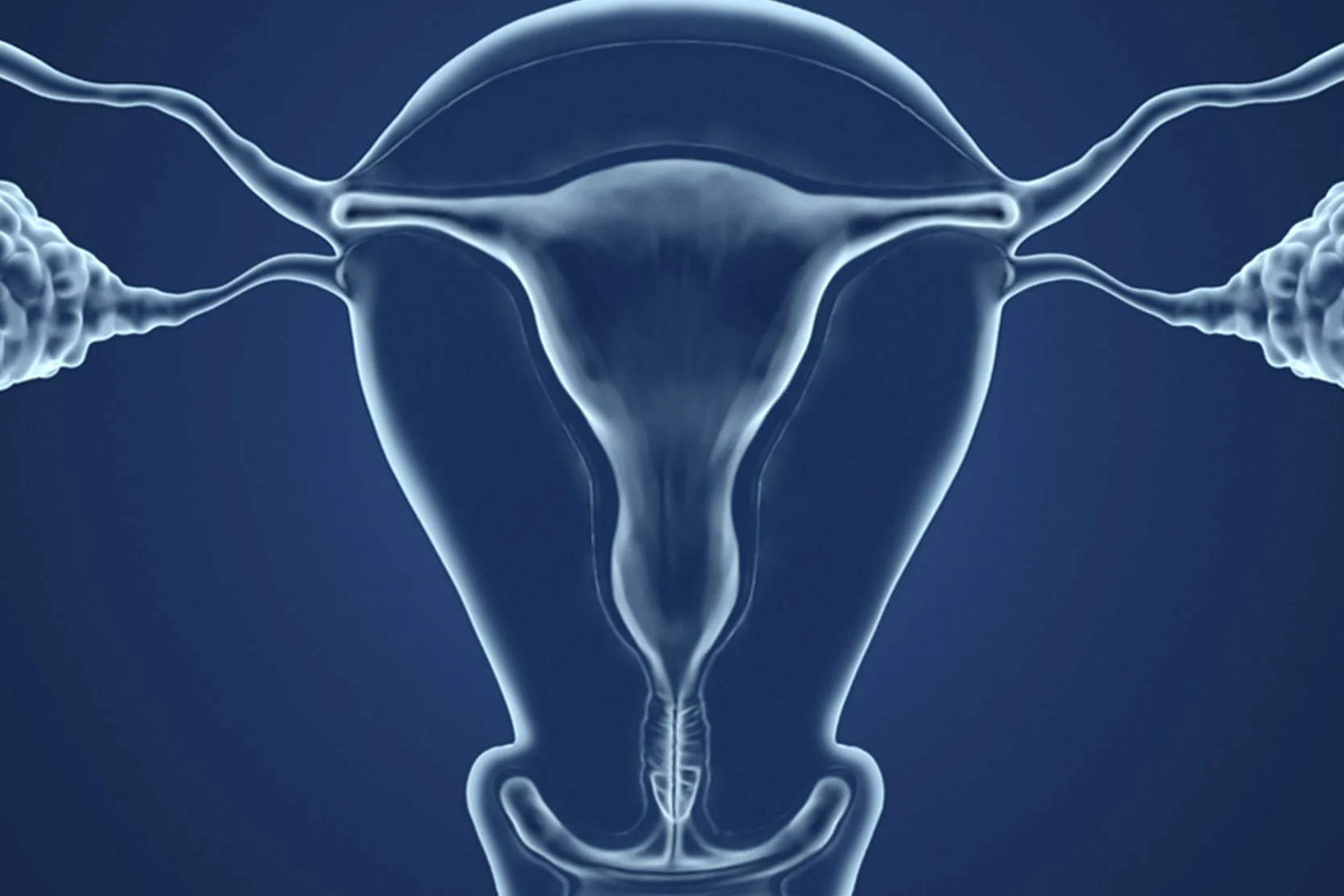
Hysterectomy
Hysterectomy is a major surgical procedure in which the uterus is removed. Many women choose hysterectomy to definitively resolve their fibroid symptoms.
Helpful resources
Support services

Art for Recovery
Creativity can help people with serious illnesses cope, heal and express what they're going through. Find out about our program and how to join.
Cancer Exercise Counseling
Our one-on-one exercise training sessions, customized for your needs and abilities, can complement other cancer treatments and speed your recovery.
Cancer Nutrition Counseling
UCSF Health offers free nutrition counseling to our patients with cancer, as well as nutrition seminars that are open to anyone. Learn more.
Cancer Support Groups
These groups offered by the Ida and Joseph Friend Patient and Family Cancer Support Center are free and available to all patients, whether or not you get your health care at UCSF.
Core and More Class for Cancer Patients
A strong body helps you fight cancer and enjoy life. Join this class to stabilize your core, strengthen your muscles and improve overall fitness. For cancer patients and caregivers!
Friend to Friend Specialty Shops
A one-stop boutique for patients with cancer. Get professional help with wigs, prostheses, sun-protective clothing, makeup, skin care and more.
Meditation and Guided Imagery for Cancer Patients
Drop in for a free class designed to help you heal, relax and find balance during your treatment. UCSF and non-UCSF patients are welcome.
Oncology Social Work
Social workers offer support, problem-solving, help accessing UCSF cancer-related resources and more. Find out how to contact the social worker for your clinic.
Patient & Family Cancer Support Center
The center offers wellness programming, community, support groups, classes, workshops and more at no cost to people facing cancer and their loved ones.
Peer Support Programs for Cancer
PeerTalk connects interested cancer patients with cancer survivors who can share their own experience to provide emotional and practical support.
UCSF Health medical specialists have reviewed this information. It is for educational purposes only and is not intended to replace the advice of your doctor or other health care provider. We encourage you to discuss any questions or concerns you may have with your provider.