
Basal Cell and Squamous Cell Carcinoma
On this page
Overview
The two most common kinds of skin cancer are basal cell carcinoma and squamous cell carcinoma, which are sometimes called nonmelanoma skin cancer. These cancers are carcinomas that begin in the cells that cover or line an organ.
Basal cell carcinoma accounts for more than 90 percent of all skin cancers in the United States and is the most common of all cancers. Typically, it is a slow-growing cancer that seldom spreads to other parts of the body.
Squamous cell carcinoma also rarely spreads, but does so more often than basal cell carcinoma. It is important that skin cancers are found and treated early because they can invade and destroy nearby tissue. Organ transplant recipients have a 65-fold higher risk of developing squamous cell carcinoma than others. UCSF Medical Center offers a High Risk Skin Cancer Clinic for those at high risk for non-melanoma skin cancers, such as transplant recipients.
Our approach to basal cell and squamous cell carcinoma
UCSF provides superior, proven care to prevent, detect and manage basal cell and squamous cell carcinomas, and will tailor cutting-edge treatment plans to the individual patient. Our dermatologists, medical and surgical oncologists, radiation oncologists and dermatopathologists (specialists who analyze tissue at the microscopic level) are known for providing the best treatment options and cure rates for skin cancer, while giving outstanding cosmetic results.
Some of our new diagnostic and treatment techniques include lymph node mapping to detect early occurrences of cancer, electron beam radiation and Mohs micrographic surgery, which removes the smallest amount of healthy tissue in order to minimize scarring and preserve skin function. We also offer our patients access to educational programs, resources for emotional support and opportunities to participate in experimental treatments.
Signs & symptoms
The most common warning sign of skin cancer is a change on the skin, especially a new growth or a sore that doesn't heal. The cancer may start as a small, smooth, shiny, pale or waxy lump. It also may appear as a firm red lump. Sometimes, the lump bleeds or develops a crust.
Both basal and squamous cell cancers are found mainly on areas of the skin that are exposed to the sun — the head, face, neck, hands and arms. But skin cancer can occur anywhere.
Actinic keratosis
An early warning sign of skin cancer is the development of an actinic keratosis, a precancerous skin lesion caused by chronic sun exposure. These lesions are typically pink or red in color and rough or scaly to the touch. They occur on sun-exposed areas of the skin such as the face, scalp, ears, backs of hands or forearms.
Actinic keratoses may start as small, red, flat spots but grow larger and become scaly or thick, if untreated. Sometimes they're easier to feel than to see. There may be multiple lesions next to each other.
Early treatment of actinic keratoses may prevent them from developing into cancer. These precancerous lesions affect more than 10 million Americans. People with one actinic keratosis usually develop more. Up to 1 percent of these lesions can develop into a squamous cell cancer.
Actinic keratoses are most common in people older than 40, but can appear in younger individuals with extensive sun exposure. Because they can turn cancerous, affected areas should be regularly examined and treated by a primary care doctor or dermatologist.
Basal cell carcinoma
Basal cell carcinoma is the most commonly diagnosed skin cancer. In recent years, there has been an upturn in the diagnoses among young women and the rise is blamed on sunbathing and tanning salons.
Basal cell carcinoma is rarely fatal and doesn't typically spread, but it's important to catch it in the early stages so the surgical removal is as non-invasive as possible. It generally occurs on sun-exposed areas and often looks like pink bumps with the following features:
- Pearly or waxy appearance
- Sunken center
- Irregular blood vessels on surface
- Tendency to bleed easily after injury
Squamous cell carcinoma
Squamous cell carcinoma is the second most common skin cancer after basal cell. It's rarely deadly, but may spread or recur if not caught early. It's often found on the head, hands, ears, back of neck and forearms — areas with more sun exposure. Characteristics include:
- Raised, dull-red skin lesion
- Thick crusted scale
- Ulcerated appearance
Diagnosis
Basal cell carcinoma and squamous cell carcinoma are generally diagnosed and treated in the same way. When an area of skin doesn't look normal, your doctor may remove all or part of the growth. This process is called a biopsy and it's the only sure way to detect cancer.
Doctors generally divide skin cancer into two stages — local, affecting only the skin, or metastatic, spreading beyond the skin.
Because skin cancer rarely spreads, a biopsy often is the only test needed to determine the stage. In cases where the growth is very large or has been present for a long time, your doctor will carefully check the lymph nodes in the area.
If your doctor is concerned your cancer may have spread to other parts of your body, you may need additional tests, such as special X-rays. Identifying the stage of skin cancer will help your doctor plan your treatment.
Treatments
Numerous treatment options are available for basal cell and squamous cell carcinoma. Your therapy will depend upon the type of skin cancer you have and its stage.
- Surgery. Many skin cancers can be cut from the skin quickly and easily. In fact, the cancer is sometimes completely removed at the time of the biopsy, and no further treatment is needed.
- Curettage and Electrodesiccation. Doctors commonly use a type of surgery called curettage. After a local anesthetic numbs the area, the cancer is scooped out with a curette, an instrument with a sharp, spoon-shaped end. The area is also treated by electrodesiccation. An electric current from a special machine is used to control bleeding and kill any cancer cells remaining around the edge of the wound. Most patients develop a flat, white scar.
Cryosurgery
Extreme cold may be used to treat pre-cancerous skin conditions, such as actinic keratosis — a scaly or crusty bump on the skin that can be a precursor or first step in the development of skin cancer — as well as certain small skin cancers. In cryosurgery, liquid nitrogen is applied to the growth to freeze and kill abnormal cells. After the area thaws, dead tissue falls off. More than one freezing may be needed to remove the growth completely. Cryosurgery usually doesn't hurt, but you may have pain and swelling after the area thaws. A white scar may form in the treated area.
Laser therapy
Laser therapy uses a narrow beam of light to remove or destroy cancer cells. This approach is sometimes used for cancers that involve only the outer layer of skin.
Mohs surgery
Mohs' technique is a special type of surgery used for skin cancer. Its purpose is to remove all of the cancerous tissue and as little of the healthy tissue as possible. It is especially helpful when the doctor isn't sure of the shape and depth of the tumor. This method is used to remove large tumors, those in hard-to-treat places and cancers that have recurred. After being given a local anesthetic, the cancer is shaved off one thin layer at a time. Each layer is checked under a microscope until the entire tumor is removed. The degree of scarring depends on the location and size of the treated area.
Radiation therapy
Skin cancer responds well to radiation therapy, also called radiotherapy, that uses high-energy rays to damage cancer cells and stop them from growing. Doctors often use this treatment for cancers that occur in areas that are hard to treat with surgery. Radiation therapy might be used for cancers of the eyelid, the tip of the nose or the ear. Several treatments may be needed to destroy all cancer cells. Radiation therapy may cause a rash or make skin dry or red. Changes in skin color or texture may develop after the treatment and may become more noticeable later.
Topical chemotherapy
Topical chemotherapy is the use of anticancer drugs in a cream or lotion applied to the skin. Actinic keratosis, a scaly or crusty bump on the skin that can be a precursor or first step in the development of skin cancer, can be treated effectively with the anticancer drug fluorouracil, also called 5-FU. This treatment is also useful for cancers limited to the top layer of skin. The 5-FU is applied daily for several weeks. Intense inflammation is common during treatment, but scars usually do not occur.
Reconstruction after surgery
When a large cancer is removed, a skin graft sometimes is needed to close the wound and reduce scarring. For this procedure, your doctor takes a piece of healthy skin from another part of the body to replace skin that was removed.
Awards & recognition
Best in California and No. 7 in the nation for cancer care
Designated comprehensive cancer center

Recommended reading
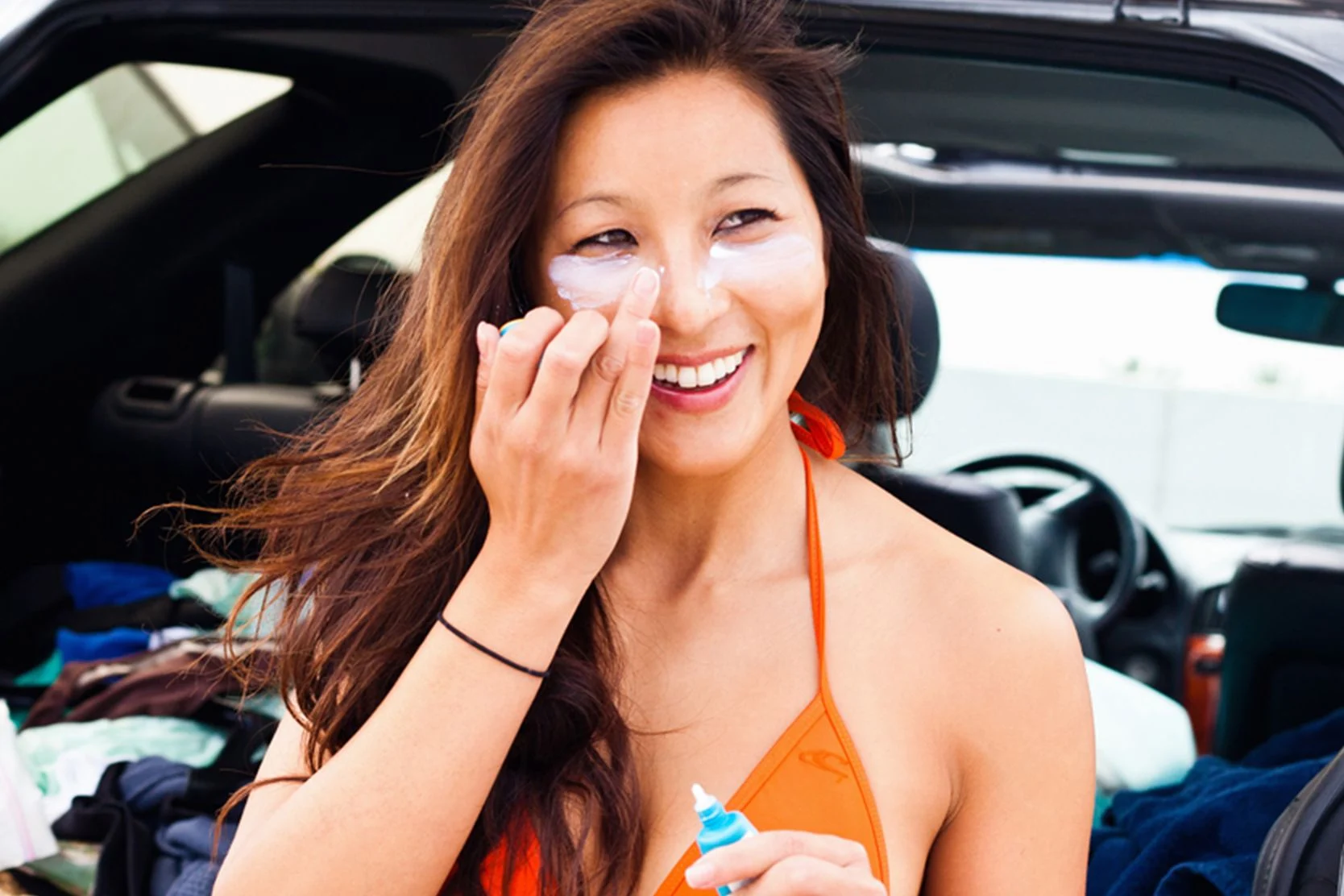
Skin Cancer Prevention
Find out how to protect your skin when you’re spending time outdoors, determine your skin cancer risk and recognize signs of melanoma.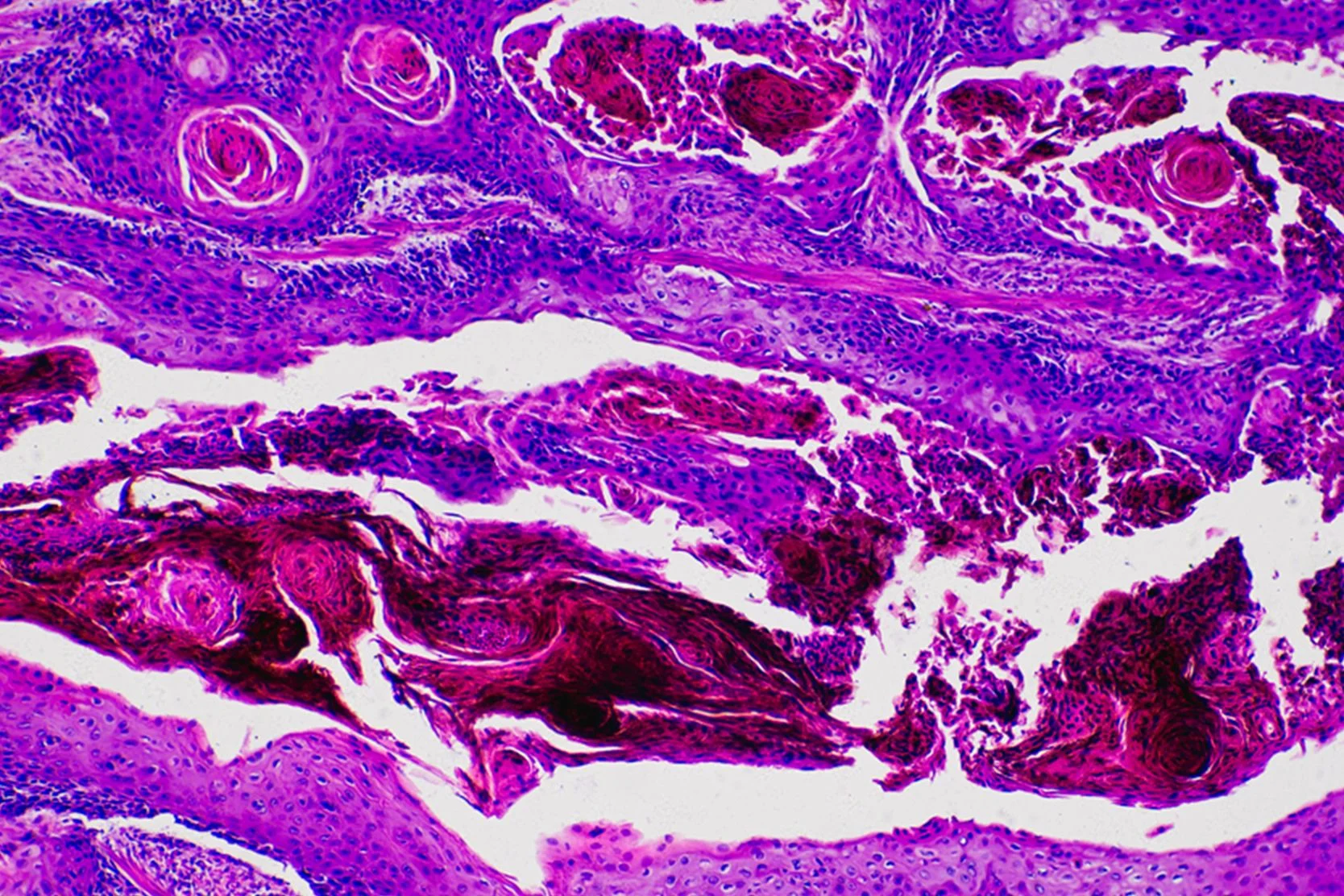
Organ Transplant and Skin Cancer Risk
Organ transplant recipients have a high risk of developing skin cancer. Learn about precautions to take and the importance of regular skin exams.
Protective Clothing for Skin Cancer Prevention
Get trusted information about sun-protective clothing, which can help shield your skin from ultraviolet A (UVA) and ultraviolet B (UVB) rays.
Sunscreen for Skin Cancer Prevention
Sunscreen protects your skin from harmful sun rays. Here’s how to choose a sunscreen and what to do if it irritates your skin.
Cancer Pathology Tissue Slides FAQ
If you have a biopsy or surgery, diseased tissue is often placed on slides for a pathologist to examine. Learn how to get the slides to your doctor for review.
Cancer Radiology Scans and Reports FAQ
Learn the difference between a radiology report and radiology films or scans, why your doctor might request the scans and how to get them.
Self-Care for Caregivers
Caregiver fatigue can be brought on by the physical and emotional demands of caring for a loved one with a serious illness. Learn tips to combat caregiver fatigue here.
Communicating with Your Doctor
The doctor-patient relationship is built on communication and trust. Get tips to strengthen the partnership between you and your care team.
Coping with Chemotherapy
Everyone experiences chemotherapy differently. Understand the possible emotional and physical side effects of chemotherapy and how to cope.
Delegation to Help with Fatigue
Fatigue caused by cancer treatment can make it hard to accomplish tasks. Learn how to delegate tasks to people you trust and communicate effectively.
Nutrition Plans for Cancer Patients Undergoing Treatment
Side effects of cancer treatment may include a loss of appetite and nausea. Find out what foods to avoid and which ones may help you feel better.
Managing Your Treatment
Living with cancer or caring for someone with the disease can be overwhelming. Here are tips to reduce stress and help navigate life with cancer.
Nutrition and Coping with Cancer Symptoms
Side effects of cancer treatment may affect your eating habits. Find new ways to get the calories, protein and nutrients you need.
Questions to Ask Your Cancer Doctor
These questions can guide conversations with your cancer doctor and help you get the information you need to make care decisions for yourself or a loved one.
Resources for End of Life
Get resources to support yourself and your loved ones through end-of-life issues. Find bereavement support groups, counselors and reading materials.
Tips for Conserving Your Energy
Cancer treatments can cause extreme exhaustion. Here are tips to help you conserve your energy and manage cancer-related fatigue.
Using a Medical Calendar and Symptom Log
Here’s how to keep a medical calendar and symptom log to help you and your doctor track your condition and side effects of treatments or medications.
Related programs

Dermatology - Visible Tumor Conference
The monthly dermatology tumor board, called the Visible Tumor Conference, evaluates patients with complicated, advanced, recurrent and unusual skin tumors.
More treatment info
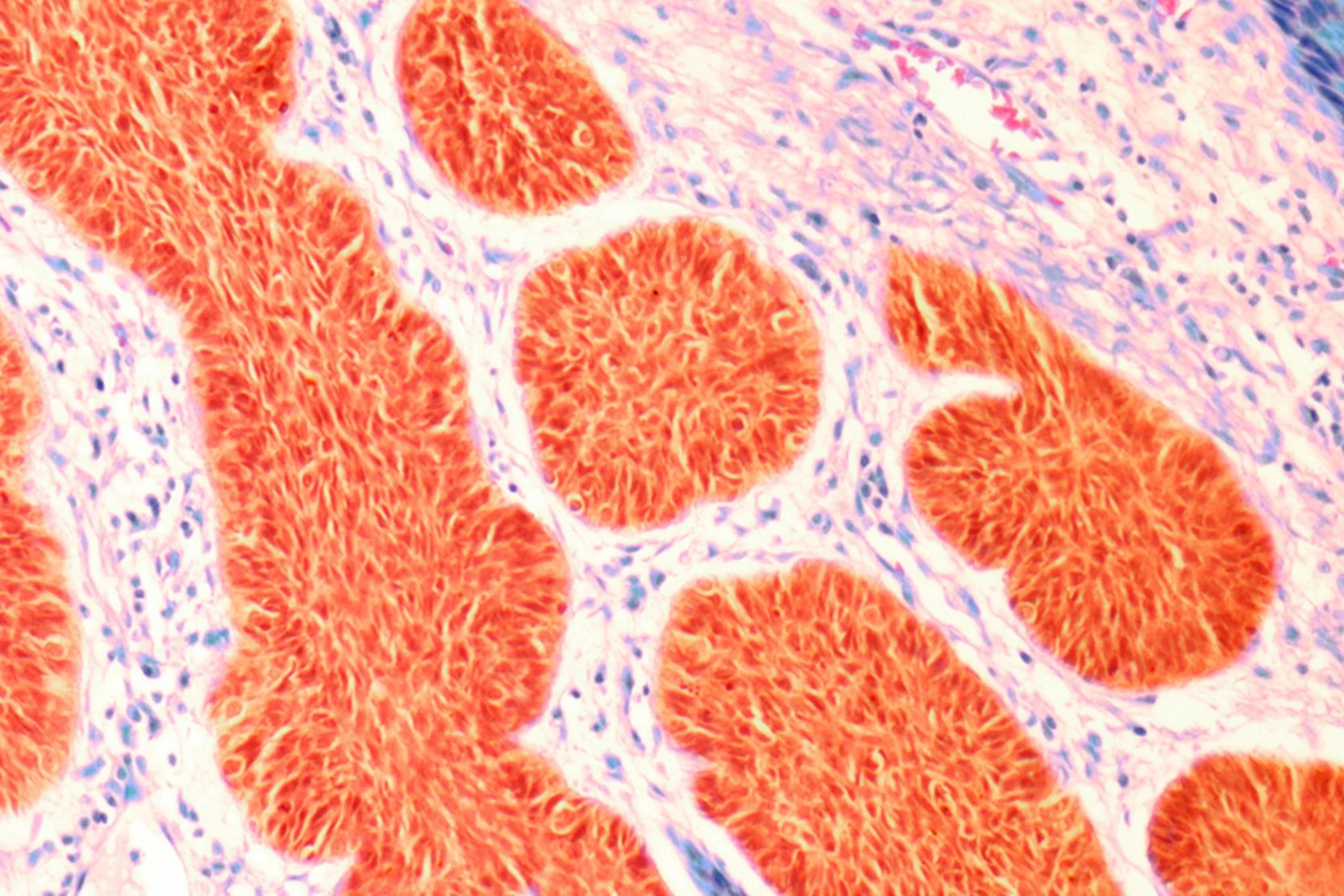
Mohs Micrographic Surgery
Compared to standard procedures, Mohs surgery removes the smallest amount of healthy tissue, which minimizes scarring and preserves skin function/appearance.
Helpful resources
Support services
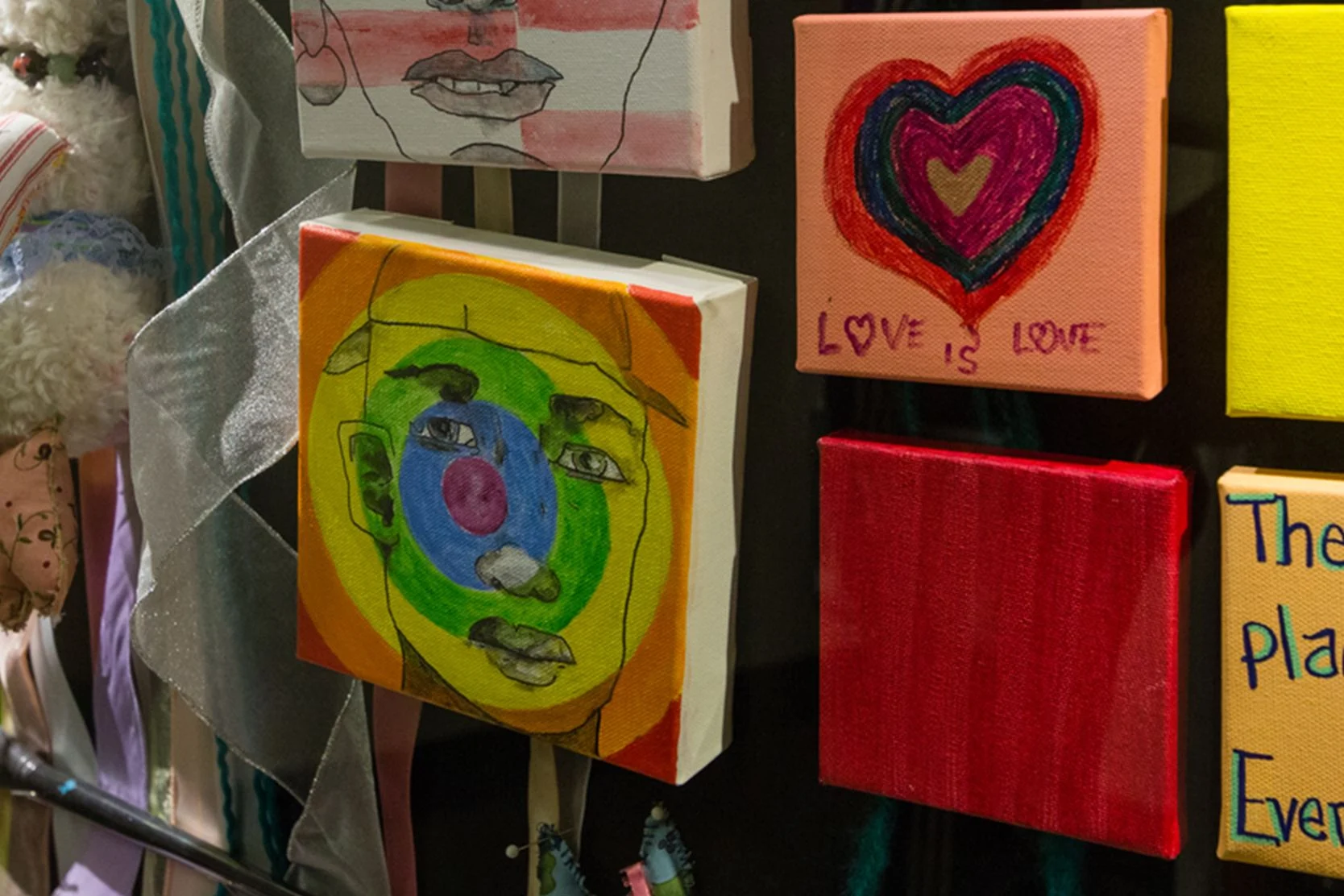
Art for Recovery
Creativity can help people with serious illnesses cope, heal and express what they're going through. Find out about our program and how to join.
Cancer Exercise Counseling
Our one-on-one exercise training sessions, customized for your needs and abilities, can complement other cancer treatments and speed your recovery.
Cancer Nutrition Counseling
UCSF Health offers free nutrition counseling to our patients with cancer, as well as nutrition seminars that are open to anyone. Learn more.
Cancer Support Groups
These groups offered by the Ida and Joseph Friend Patient and Family Cancer Support Center are free and available to all patients, whether or not you get your health care at UCSF.
Core and More Class for Cancer Patients
A strong body helps you fight cancer and enjoy life. Join this class to stabilize your core, strengthen your muscles and improve overall fitness. For cancer patients and caregivers!
Friend to Friend Specialty Shops
A one-stop boutique for patients with cancer. Get professional help with wigs, prostheses, sun-protective clothing, makeup, skin care and more.
Meditation and Guided Imagery for Cancer Patients
Drop in for a free class designed to help you heal, relax and find balance during your treatment. UCSF and non-UCSF patients are welcome.
Oncology Social Work
Social workers offer support, problem-solving, help accessing UCSF cancer-related resources and more. Find out how to contact the social worker for your clinic.
Patient & Family Cancer Support Center
The center offers wellness programming, community, support groups, classes, workshops and more at no cost to people facing cancer and their loved ones.
Peer Support Programs for Cancer
PeerTalk connects interested cancer patients with cancer survivors who can share their own experience to provide emotional and practical support.
UCSF Health medical specialists have reviewed this information. It is for educational purposes only and is not intended to replace the advice of your doctor or other health care provider. We encourage you to discuss any questions or concerns you may have with your provider.