



Cirrhosis

Overview
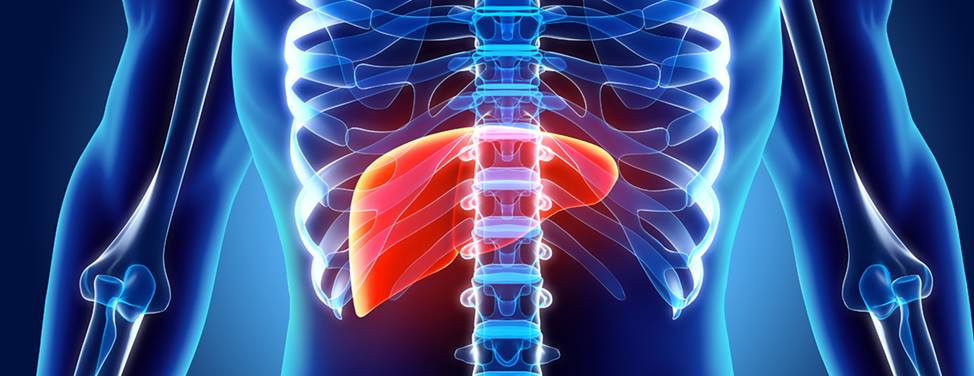
Cirrhosis is a condition that occurs when chronic diseases cause permanent damage or injury to the liver. The liver is the second largest organ in the body weighing about four pounds and is located in the upper right side of the abdomen, below the ribs. The liver is responsible for performing more functions than any other organ in the body, such as metabolizing the food we eat, filtering and detoxifying poisons in our blood to remove numerous toxic compounds, producing immune agents to control infection and regenerating itself when part of it has been damaged. The scar tissue that forms in cirrhosis harms the structure of the liver, blocking the flow of blood through the organ. It also slows the processing of nutrients, proteins, hormones, drugs, toxins and other substances produced by the liver.
About 25,000 people die from cirrhosis annually, making it the 11th leading cause of death by disease in the United States. Cirrhosis has many causes, but in the U.S., chronic alcoholism and hepatitis C are among the most common. Almost one-half of all cirrhosis deaths are due to excessive alcohol use. Other causes of the disease include chronic hepatitis B and D, autoimmune hepatitis, nonalcoholic steatohepatitis (NASH), blocked bile ducts, drugs, toxins, infections and certain inherited metabolic diseases such as Alpha-1 antitrypsin deficiency, hemochromatosis, Wilson's disease, galactosemia and glycogen storage diseases.
Our approach to cirrhosis
To treat cirrhosis, our specialists focus on addressing its underlying cause to slow or stop the liver damage. We may also prescribe medications to relieve symptoms and prevent or treat complications.
If the liver becomes too damaged to function, liver transplantation may be an option. UCSF offers a liver transplant program known for outstanding outcomes and survival statistics that are among the best in the country. Our program helped pioneer techniques that have made transplantation safer and more successful.
Awards & recognition
-

Among the top hospitals in the nation
-

One of the nation's best in gastroenterology & GI surgery
Signs & symptoms
Many people with cirrhosis do not experience any symptoms in the early stages of the disease. However, as scar tissue replaces healthy cells, liver function may begin to fail, causing the following symptoms.
Early symptoms include:
- Development of spider-like red spots on the chest, face or arms
- Fatigue
- Loss of appetite
- Nausea
- Weakness
- Weight loss
Symptoms of advanced cirrhosis include:
- Difficulty concentrating
- Impaired sleep
- Poor memory
- Accumulation of fluid in the abdomen and/or legs
- Yellowish color of the skin and eyes (jaundice)
- Dark urine
- Weakness and decreased muscle mass
- Gastrointestinal bleeding
- Coma, in severe cases
Diagnosis
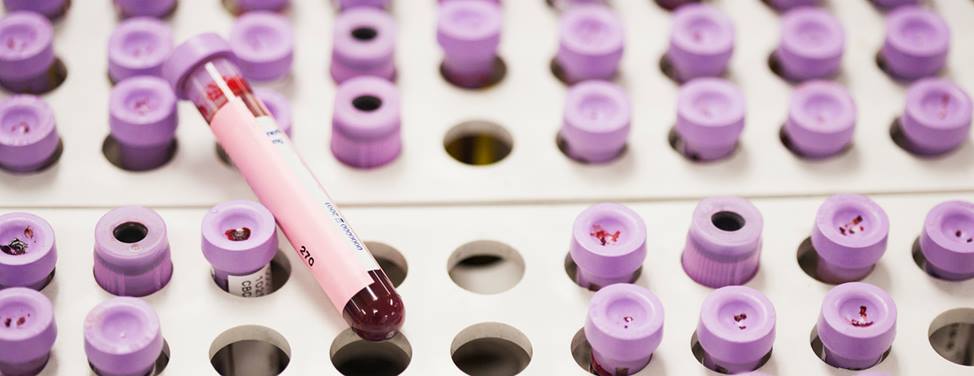
Cirrhosis may be diagnosed based on your symptoms, medical history, physical examination and results of laboratory tests. Tests to confirm a diagnosis of cirrhosis include a complete blood count (CBC), liver enzyme, liver function and electrolyte testing as well as screening for other health conditions such as hepatitis B and C viruses, liver cancer or gallstones.
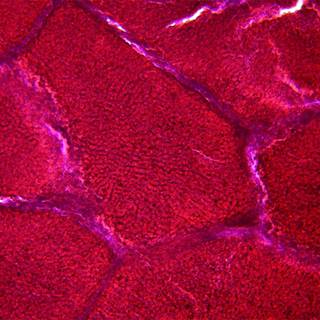
In most cases, a liver biopsy is used to confirm the diagnosis. During a biopsy, the doctor uses a needle to take a small sample of tissue from your liver so that it can be examined for scarring or other signs of disease.
Imaging tests may also be recommended to obtain a closer look at your liver. These include a computerized tomography (CT) scan, ultrasound or a scan of the liver using a radioisotope — a harmless radioactive substance that highlights the liver. The doctor also might examine your liver using a laparoscope, an instrument that is inserted through the abdomen that relays images onto a computer screen.
Treatments
Treatment of cirrhosis focuses on stopping or delaying the damage to your liver and preventing complications, such as liver failure. When the cause of the condition is known, therapy will aim to specifically manage that illness. For instance, if a patient has hepatitis, the doctor may administer steroids or antiviral drugs for treatment.
Regardless of the cause of cirrhosis, it is essential that every patient avoid all substances, habits and drugs that may further damage the liver or cause complications or liver failure. Alcohol, in addition to causing cirrhosis, may accelerate the progression of liver scarring. All patients with liver disease should not drink any alcohol. Medications also may be given to control the symptoms of cirrhosis.
If complications progress to the point of possible liver failure, a liver transplant may be recommended. Our team of digestive disorder experts work closely with liver transplant specialists at UCSF Medical Center, who can provide excellent care. Liver failure may occur at the end stage of liver disease when the liver stops working and cannot support life. Liver failure is difficult to treat and survival is limited. However, the good news is that many people with cirrhosis have undergone successful liver transplants. Also, many patients live long and healthy lives with other means of therapy.
UCSF Health medical specialists have reviewed this information. It is for educational purposes only and is not intended to replace the advice of your doctor or other health care provider. We encourage you to discuss any questions or concerns you may have with your provider.