




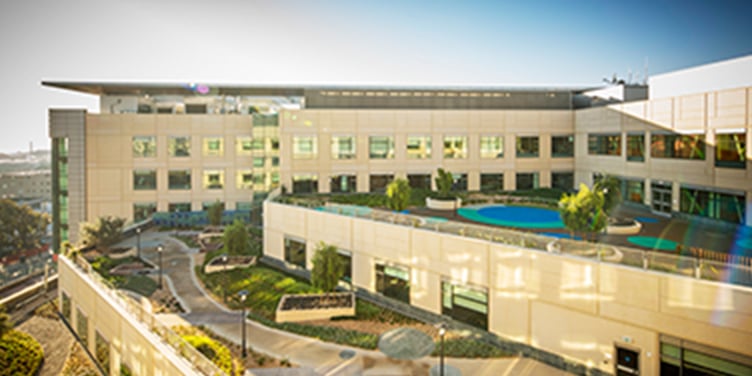

The UCSF Heart and Vascular Center is home to a world-class team of cardiologists, heart surgeons, vascular surgeons, interventional radiologists and other specialists. We provide the highest-quality care for all heart conditions, from the most common to the rare and complex.
We focus on prevention and on encouraging heart-healthy lifestyles, but also offer the most state-of-the-art treatments available. Many of these therapies were developed right here at UCSF, including ablation to treat arrhythmias and cardiac resynchronization to treat heart failure.
We also conduct a wide range of research projects and are committed to improving heart care on all fronts: prevention, diagnosis and treatment.
Awards & recognition
-

Among the top hospitals in the nation
-
One of the nation's best for heart & vascular care
-

Rated high-performing hospital for heart arrhythmia care
-

Rated high-performing hospital for heart attack care
-
Rated high-performing hospital for heart failure care
-

Rated high-performing hospital for abdominal aortic aneurysm repair
-

Rated high-performing hospital for pacemaker implantation
Our locations (37)
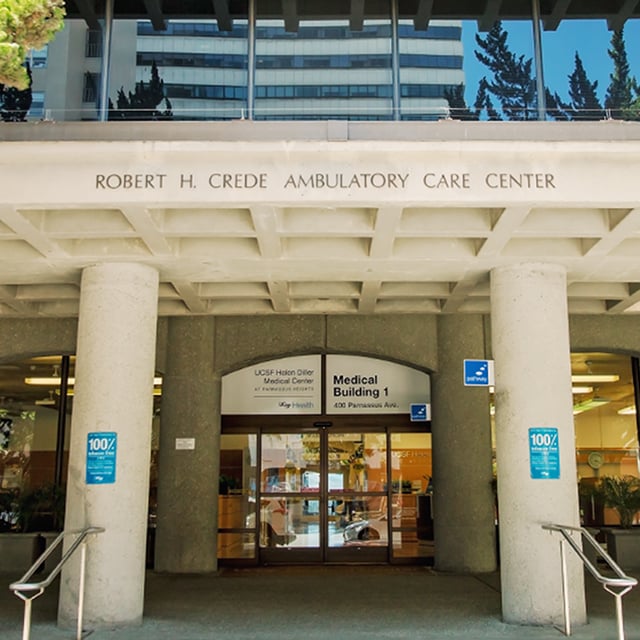 3
3
Advanced Heart Failure Comprehensive Care Center

Asian Heart and Vascular Center
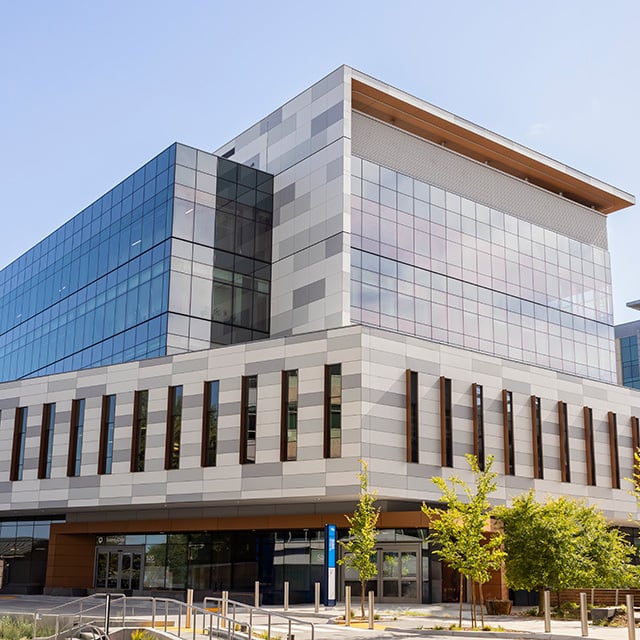
Bayfront Medical Building


Cardiac Critical Care Unit
Cardiac Electrophysiology and Arrhythmia Service

Cardiac Rehabilitation and Wellness Center
 2
2
Cardiac Surgery Program
3
Cardio-Oncology & Immunology Program
Allergy and Immunology Clinic
Cardiovascular Care and Prevention Center – Golden Gate Practice

Cardiovascular Care and Prevention Center at Mission Bay
Cardiovascular Care and Prevention Center at Parnassus
Cardiovascular Genetics Program
Center for Limb Preservation
Center for Prevention of Heart and Vascular Disease
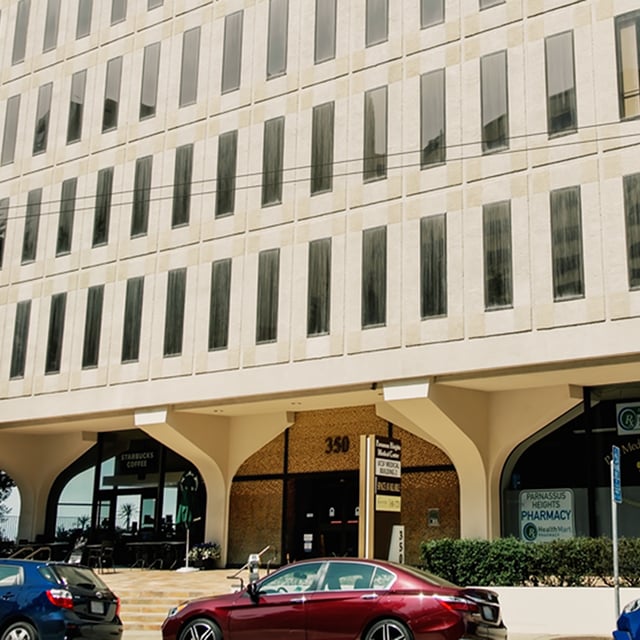
Comprehensive Genetic Arrhythmia Program
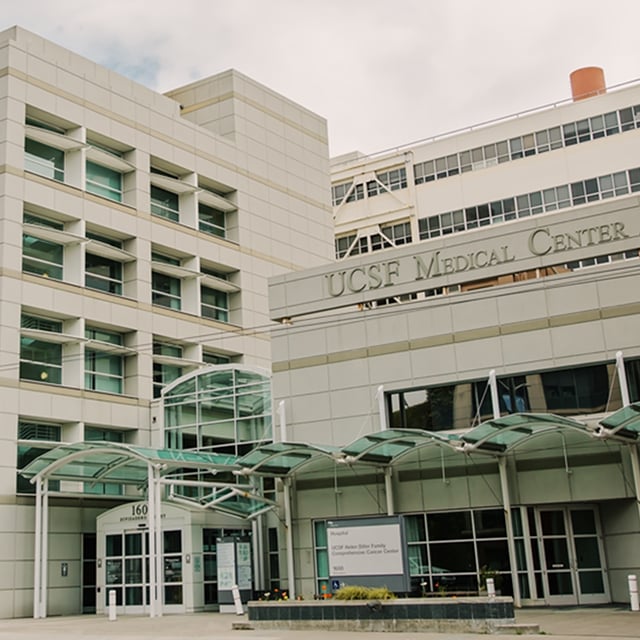
ECG/Stress Testing Laboratories at Mount Zion
ECG/ Stress Testing/ Nuclear Cardiology Laboratories at Parnassus
Echocardiography Lab at Mount Zion
Echocardiography Lab at Parnassus
Heart Transplant Program
2
Interventional Cardiology Program
Interventional Radiology Clinic
Mechanical Circulatory Support
2
Myocarditis Center

Pregnancy and Cardiac Treatment (PACT) Program
Pulmonary Hypertension Clinic
Vascular and Endovascular Surgery Clinic
5
MarinHealth Cardiovascular Medicine
MarinHealth Cardiovascular Performance Center
Patient stories

"Symphony" of care saves patient after heart attacks
John went into cardiac arrest at home, then his heart stopped twice in the hospital. He made a full recovery, thanks to the timely interventions of his cardiac team.

Avoiding open heart surgery with minimally invasive valve replacement
Born with a heart condition, Russell faced the prospect of a third valve replacement surgery. A gentler procedure helped minimize the risk and recovery time.

