
On this page
Overview
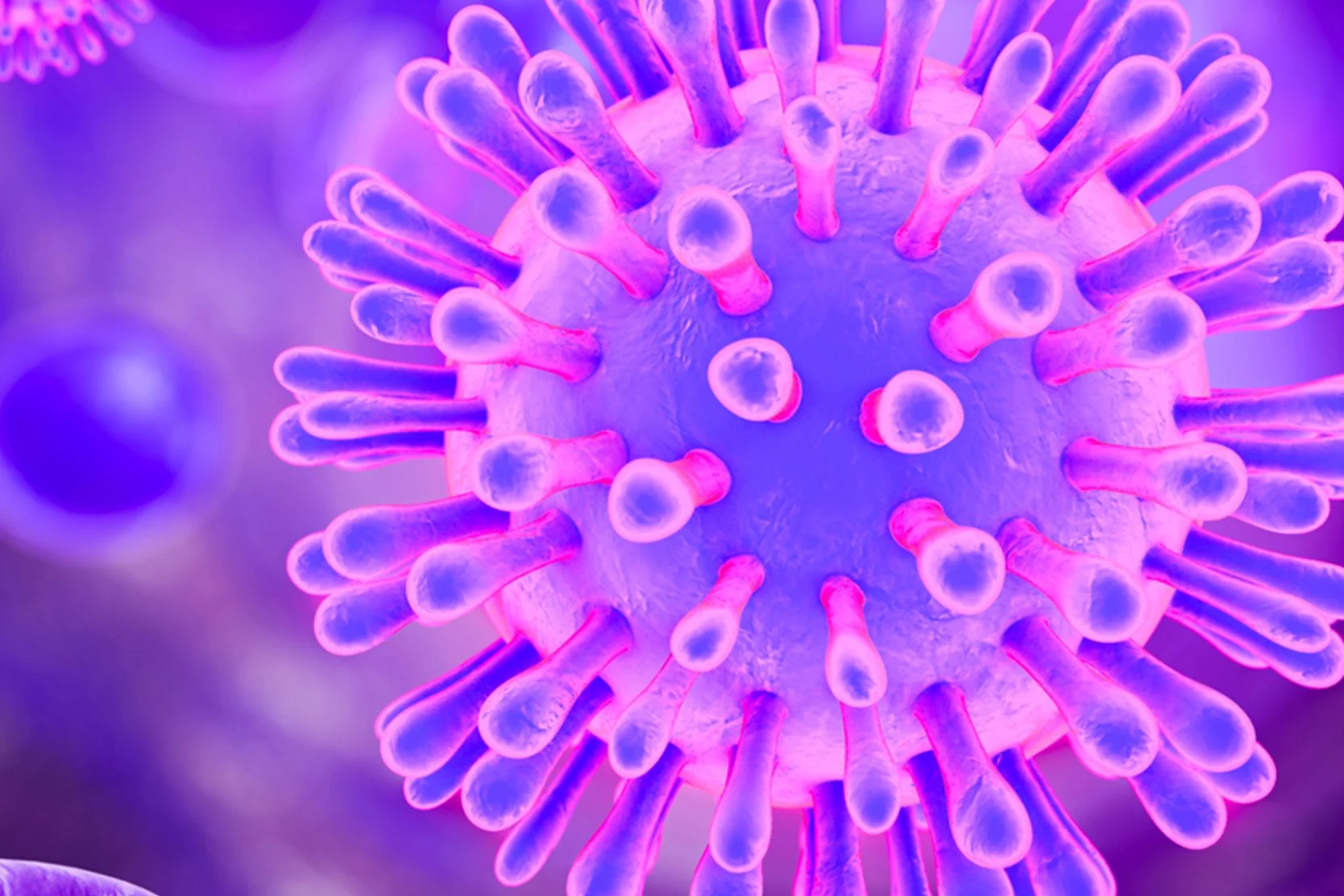
The HIV virus actively multiplies, infects and kills cells of the immune system called CD4+T cells, which are the immune system's key infection fighters. As soon as HIV enters the body, it begins to disable or destroy these cells, even when you are not experiencing any symptoms.
HIV is not spread through casual contact such as sharing food, utensils, towels, bedding, swimming pools, telephones or toilet seats. HIV also is not spread by insects, such as mosquitoes or bedbugs.
HIV can be spread by:
- Blood transfusions with HIV-infected blood. This is rare since all donated blood is tested for HIV.
- HIV-contaminated needles.
- Sexual contact, especially intercourse or anal sex.
- A mother to child during pregnancy, childbirth or breastfeeding.
In rare instances, HIV can be spread by:
- A bite by someone infected with HIV
- Blood from an HIV-infected person entering an open wound
- Sharing personal hygiene items, such as razors and toothbrushes, with a person infected with HIV
Sexually transmitted diseases such as syphilis, genital herpes, chlamydia or gonorrhea appear to increase the susceptibility of getting HIV during sex with infected partners
Our approach to HIV
UCSF has been a pioneer in HIV and AIDS care ever since our HIV/AIDS program welcomed its first patients in 1984. Our comprehensive treatment center is a safe space where patients living with HIV or AIDS can meet their health needs in a single location. We offer a full range of high-quality services, including primary care, sexual health testing and treatment, and provision of preventive tools, such as pre-exposure prophylaxis (PrEP) medication. For individual patients, we tailor care plans that encompass nutrition, medication management, pain management, exercise, mental health, social support and long-term wellness.
We also offer specialty services not widely available, including programs designed to address the particular needs of women and children, older adults and African American men. Our center's telemedicine program helps us reach patients in marginalized or underserved communities, as well as others who face financial, social, time or additional barriers to accessing excellent care.
Finally, as a leader in HIV/AIDS research, UCSF offers patients access to cutting-edge therapies under evaluation in clinical trials.
Signs & symptoms
Many people don't have any symptoms when they first become infected with HIV. Some have a flu-like illness, called HIV sero-conversion syndrome, a month or two after exposure to the virus. This illness may cause a variety of symptoms, including:
- Diarrhea
- Enlarged liver or spleen
- Fever
- Enlarged or swollen lymph nodes
- Headache
- Muscle pain
- Nausea and vomiting
- Neurologic symptoms
- Rash on the abdomen, arms and legs and face
- Sore throat
- Thrush, a common fungal infection of the mouth caused by Candida, a yeast-like fungus
These symptoms usually disappear in a week to a month and may be mistaken for other viral infections. During this period, people are very infectious and HIV is present in large quantities in genital fluids.
An infected person may not experience severe symptoms for eight to 10 years or more. This period – called the asymptomatic period – varies in length for each person. Some people may have symptoms within a few months and others may be symptom-free for years.
Children born with HIV usually have symptoms within two years of birth. Children may grow slowly or become sick frequently.
As the immune system weakens, other complications may occur. For many people, the first signs of infection are large lymph nodes or swollen glands that may be enlarged for more than three months. Other symptoms before the onset of AIDS include:
- Fevers and sweats
- Herpes infections that cause severe mouth, genital or anal sores
- Lack of energy
- Pelvic inflammatory disease in women that does not respond to treatment
- Persistent skin rashes or flaky skin
- Shingles, a painful nerve disease often accompanied by a rash or blisters
- Short-term memory loss
- Weight loss
Diagnosis
Blood tests are the most common way to diagnose HIV. These tests look for antibodies to the virus that the body creates in an attempt to fight the virus.
People exposed to the virus should get tested immediately, although it can take the body anywhere from six weeks to a year to develop antibodies to the virus. Follow-up tests may be needed depending on the initial time of exposure.
Early testing is crucial. If you test positive for the virus, you and your doctor will discuss and develop a treatment plan that can help fight HIV and ward off complications. Early testing also can alert you to avoid high-risk behavior that can spread the virus to others.
Most health care providers offer HIV testing, often with appropriate counseling. Anonymous and free testing also is available. During testing, your doctor will ask about your symptoms, medical history and risk factors, and perform a physical examination.
Tests for HIV and AIDS
The primary tests for diagnosing HIV and AIDs include:
- ELISA test. ELISA, which stands for enzyme-linked immunosorbent assay, is used to detect HIV infection. If an ELISA test is positive, the Western blot test is usually administered to confirm the diagnosis. If an ELISA test is negative, but you think you may have HIV, you should be tested again in one to three months. ELISA is quite sensitive in chronic HIV infection, but because antibodies aren't produced immediately upon infection, you may test negative during a window of a few weeks to a few months after being infected. Even though your test result may be negative during this window, you may have a high level of the virus and be at risk of transmitting infection.
- Home tests. The only home test approved by the U.S. Food and Drug Administration is called the Home Access Express Test, which is sold in pharmacies.
- Saliva tests. A cotton pad is used to obtain saliva from the inside of your cheek. The pad is placed in a vial and submitted to a laboratory for testing. Results are available in three days. Positive results should be confirmed with a blood test.
- Viral load test. This test measures the amount of HIV in your blood. Generally, it's used to monitor treatment progress or detect early HIV infection. Three technologies measure HIV viral load in the blood: reverse transcription polymerase chain reaction (RT-PCR), branched DNA (bDNA) and nucleic acid sequence-based amplification assay (NASBA). The basic principles of these tests are similar. HIV is detected using DNA sequences that bind specifically to those in the virus. It is important to note that results may vary between tests.
- Western blot. This is a very sensitive blood test used to confirm a positive ELISA test result.
For more information, please see FAQ: HIV Testing.
Treatments
At this time, there is no cure for HIV or AIDS, but medications are effective in fighting HIV and its complications. Treatments are designed to reduce HIV in your body, keep your immune system as healthy as possible and decrease the complications you may develop.
You and your doctor will work together to develop a treatment plan that best meets your needs. Three main factors will be considered when designing your treatment plan:
- Your willingness and readiness to begin therapy
- The stage of your disease
- Other health problems
The U.S. Food and Drug Administration (FDA) has approved a number of drugs for treating HIV and AIDS.
It's important that you take your medications exactly as prescribed. This is a crucial part of your treatment success. Our program offers pharmacy services to help you maintain your drug regimen and to answer any questions you may have.
Most medications have side effects, which your doctor will discuss with you. Individuals respond differently to medications and side effects may vary. Our doctors, nurses and pharmacists can help you manage these side effects.
AIDS medications
Although there is no cure for acquired immunodeficiency syndrome (AIDS), medications have been highly effective in fighting HIV and its complications. Drug treatments help reduce the HIV virus in your body, keep your immune system as healthy as possible and decrease the complications you may develop.
Some of the drugs approved by the FDA for treating HIV and AIDS are listed below.
Nucleoside reverse transcriptase inhibitors (NRTI)
These drugs interrupt the virus from duplicating, which may slow the spread of HIV in the body. They include:
- Abacavir (Ziagen, ABC)
- Didanosine (Videx, dideoxyinosine, ddI)
- Emtricitabine (Emtriva, FTC)
- Lamivudine (Epivir, 3TC)
- Stavudine (Zerit, d4T)
- Tenofovir (Viread, TDF)
- Zalcitabine (Hivid, ddC)
- Zidovudine (Retrovir, ZDV or AZT)
Combinations of NRTIs make it possible to take lower doses and maintain effectiveness. These drugs include Combivir (Zidovudine and Lamivudine), Trizivir (Zidovudine, Lamivudine and Abacavir), Epzicom (Abacavir and Lamivudine) and Truvada (Tenofovir and Lamivudine). We expect more combination drugs to be available in the future.
Side effects of NRTIs
Side effects from taking NRTIs vary, depending on the individual. We recommend that you consult with your doctor regarding any side effects you experience. Common side effects include:
- Abacavir (Ziagen, ABC). Side effects may include fever, rash, fatigue, vomiting, diarrhea, abdominal pain, malaise or fatigue, loss of appetite and respiratory symptoms.
- Dideoxyinosine (Videx, ddI). Side effects may include nausea, vomiting and bloating. More serious side effects include pancreatitis and peripheral neuropathy. Peripheral neuropathy is a common neurological disorder resulting from damage to the peripheral nerves. Symptoms of peripheral neuropathy include a sharp, burning pain sensation in the hands or legs.
- Lamivudine (Epivir, 3TC). Side effects may include cough, diarrhea, dizziness, headache, loss of appetite, mild stomach cramps or pain and trouble sleeping. More serious side effects include burning, tingling, or pain in the hands, arms, feet, or legs; chills; ear, nose, or throat problems; fever; muscle aches; nausea; pale skin; severe stomach pain; skin rash; unusual tiredness or weakness; vomiting; and yellow eyes or skin.
- Stavudine (Zerit, d4T). Side effects may include peripheral neuropathy. Symptoms of peripheral neuropathy include a sharp, burning pain sensation in the hands or legs. In rare cases, Stavudine also may cause pancreatitis.
- Tenofovir (Viread, TDF). Side effects may include weakness and lack of energy, headache, diarrhea, nausea, vomiting and intestinal gas. More serious side effects include liver or kidney failure and pancreas disease.
- Zalcitabine (Hivid, ddC). Side effects may include oral ulcers and peripheral neuropathy. Symptoms of peripheral neuropathy include a sharp, burning pain sensation in the hands or legs.
- Zidovudine (Retrovir, ZDV or AZT). Side effects may include diarrhea, nausea, vomiting, headache, insomnia, weakness and fatigue, bone marrow suppression, anemia and neutropenia. Neutropenia refers to an abnormally low number of neutrophils in the blood. Neutrophils, a type of white blood cell, help fight bacterial infections. Neutropenia isn't a disease but a sign of an underlying problem. In mild cases, it may cause no symptoms. Severe neutropenia increases the risk of infection of the lungs, kidneys, blood and skin.
Protease inhibitors (PI)
These FDA-approved drugs interrupt virus replication at a later step in the virus life cycle. Protease inhibitors include:
- Amprenavir (Agenerase, APV)
- Atazanavir (Reyataz, ATV)
- Fosamprenavir (Lexiva, FOS)
- Indinavir (Crixivan, IDV)
- Lopinavir (Kaletra, LPV/r)
- Ritonavir (Norvir, RIT)
- Saquinavir (Fortovase, Invirase, SQV)
Side effects of PIs
Side effects from protease inhibitors vary, depending on the individual. We recommend that you consult with your doctor to discuss any side effects you may experience. The following is a list protease inhibitors and their possible side effects:
- Amprenavir (Agenerase, APV). Side effects include nausea, diarrhea, vomiting, rash, numbness around the mouth and abdominal pain. About 1 percent of people have serious skin reactions, including Stevens-Johnson syndrome.
- Atazanavir (Reyataz, ATV). Side effects include headache, rash, stomach pain, vomiting, depression, increased cough, trouble sleeping, tiredness, back pain, joint pain, as well as numbness, tingling or burning of the hands or feet. More serious side effects include yellowing of the eyes or skin, change in heart rhythm, diabetes and high blood sugar, diarrhea, infection, nausea and blood in the urine.
- Fosamprenavir (Lexiva, FOS). Side effects may include rash, nausea and diarrhea.
- Indinavir (Crixivan, IDV). Side effects include change in sense of taste, diarrhea, nausea, vomiting, dizziness or drowsiness, general feeling of weakness, headache, stomach pain and trouble sleeping. More serious side effects include kidney stones, changes in body fat, increased bleeding in patients with hemophilia, high sugar and fat levels in the blood and onset or worsening of diabetes.
- Lopinavir (Kaletra, LPV/r). Side effects include abdominal pain, abnormal stools or bowl movements, diarrhea, feeling weak or tired, headache and nausea. In addition, patients taking Lopinavir should be monitored for possible liver problems. People taking the drug who have liver disease, such as hepatitis B or hepatitis C, may experience a worsening of their liver condition. A small number of patients have experienced severe liver problems.
- Nelfinavir (Viracept, NFV). Side effects include diarrhea, weakness, headache, nausea and abdominal pain.
- Ritonavir (Norvir, RIT). Ritonavir often is used in combination with other protease inhibitors (PIs), an approach called "Ritonavir boosting." Studies have shown that small amounts of Ritonavir, taken in combination with other PIs, can boost or increase the strength and effectiveness of some drugs and may overcome drug and food interactions. In some cases, Ritonavir boosting reduces the number of pills necessary or how often they're taken. The disadvantage is that Ritonavir interacts with many drugs, both prescription and over the counter. It is important that you speak with your doctor about all your medications before taking Ritonavir. Side effects include general weakness, burning or prickling sensation in the hands and feet, stomach pain, diarrhea, constipation, indigestion, flatulence, nausea, vomiting, loss of appetite, change in sense of taste, headache, dizziness, drowsiness, insomnia, fever, throat irritation, abnormal thinking, rash, sore throat and sweating. More serious effects include pancreas disease, changes in body fat, increased bleeding in patients with hemophilia, high sugar and fat levels in the blood and onset or worsening of diabetes.
- Saquinavir (Fortovase, Invirase, SQV). Side effects are related to the stomach and intestinal system, including diarrhea, nausea, stomach-intestinal pain, heartburn, rectal gas, vomiting, altered taste sensation, headache, fatigue, depression, sleep disturbance including insomnia, anxiety, sex drive disorder, muscle aches, rash, hepatitis and abnormal fat redistribution.
Other AIDS medications
Fusion inhibitors
Fusion inhibitors are a new class of drugs that act against HIV by preventing the virus from fusing with the inside of a cell, preventing it from replicating. The group of drugs includes Enfuvirtide, also known as Fuzeon or T-20.
Highly active antiretroviral therapy (HAART)
In 1996, highly active antiretroviral therapy (HAART) was introduced for people with HIV and AIDS. HAART – often referred to as the anti-HIV "cocktail" – is a combination of three or more drugs, such as protease inhibitors and other anti-retroviral medications. The treatment is highly effective in slowing the rate at which the HIV virus replicates itself, which may slow the spread of HIV in the body. The goal of HAART is to reduce the amount of virus in your body, or the viral load, to a level that can no longer be detected with blood tests.
Non-nucleoside reverse transcriptase inhibitors (NNRTI)
Non-nucleoside reverse transcriptase inhibitors (NNRTIs) block the infection of new cells by HIV. These drugs may be prescribed in combination with other anti-retroviral drugs. NNRTs include:
- Delvaridine (Rescriptor, DLV)
- Efravirenz (Sustiva, EFV)
- Nevirapine (Viramune, NVP)
Awards & recognition

Among the top hospitals in the nation
Recommended reading
FAQ: HIV Testing
Find answers to common questions about HIV testing, including who should be tested and where HIV testing is available in the Bay Area.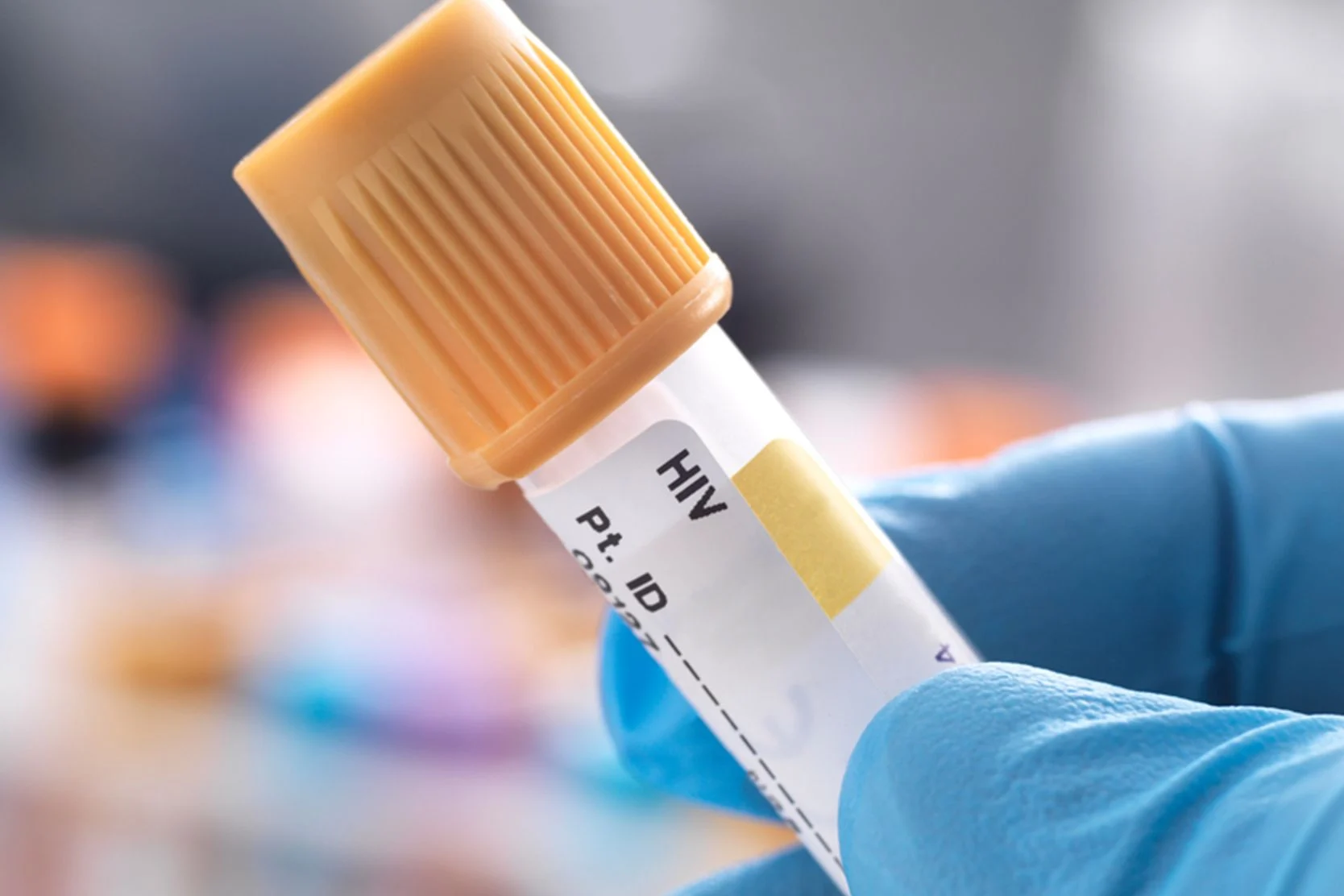
HIV and Pregnancy
If you’re pregnant, you should know if you have HIV to keep you and your baby healthy. Learn more about HIV testing during pregnancy and why it's important.
Pre-Exposure Prophylaxis (PrEP) to Prevent HIV Transmission
Get the facts on pre-exposure prophylaxis (PrEP) to prevent HIV transmission, including answers to commonly asked questions about side effects and more.
Related services & treatments
Specialties
Treatments
- Screening for Sexually Transmitted Diseases (STD)
- Clinical Trials
Support services

Case Management and Social Work
Connect with a team that can help you find resources, solve problems and advocate for you during treatment at UCSF.
International Services
If you live outside the United States and are coming to UCSF for medical treatment, our patient liaisons can help coordinate all aspects of your visit.
Interpreting Services
UCSF offers interpreters in various languages, including American Sign Language (ASL), as well as services for deaf, hard-of-hearing and visually impaired patients.
Mindfulness-Based Stress Reduction Class
This eight-week class teaches mindfulness practices that can reduce stress and improve your overall health, such as meditation and body awareness.
Patient Relations
We welcome feedback about your experience at UCSF Health. Find out how to contact us with comments, questions or concerns.
Spiritual Care at UCSF
Chaplains representing many faiths are available around the clock to provide support, comfort and counsel to patients, families and caregivers.
Stop Smoking/Vaping/Chewing Class
Get help quitting. Our tobacco addiction specialists will guide you through a four-week course on smoking, health and how to quit.
UCSF Health medical specialists have reviewed this information. It is for educational purposes only and is not intended to replace the advice of your doctor or other health care provider. We encourage you to discuss any questions or concerns you may have with your provider.