
Hemochromatosis
On this page
Overview
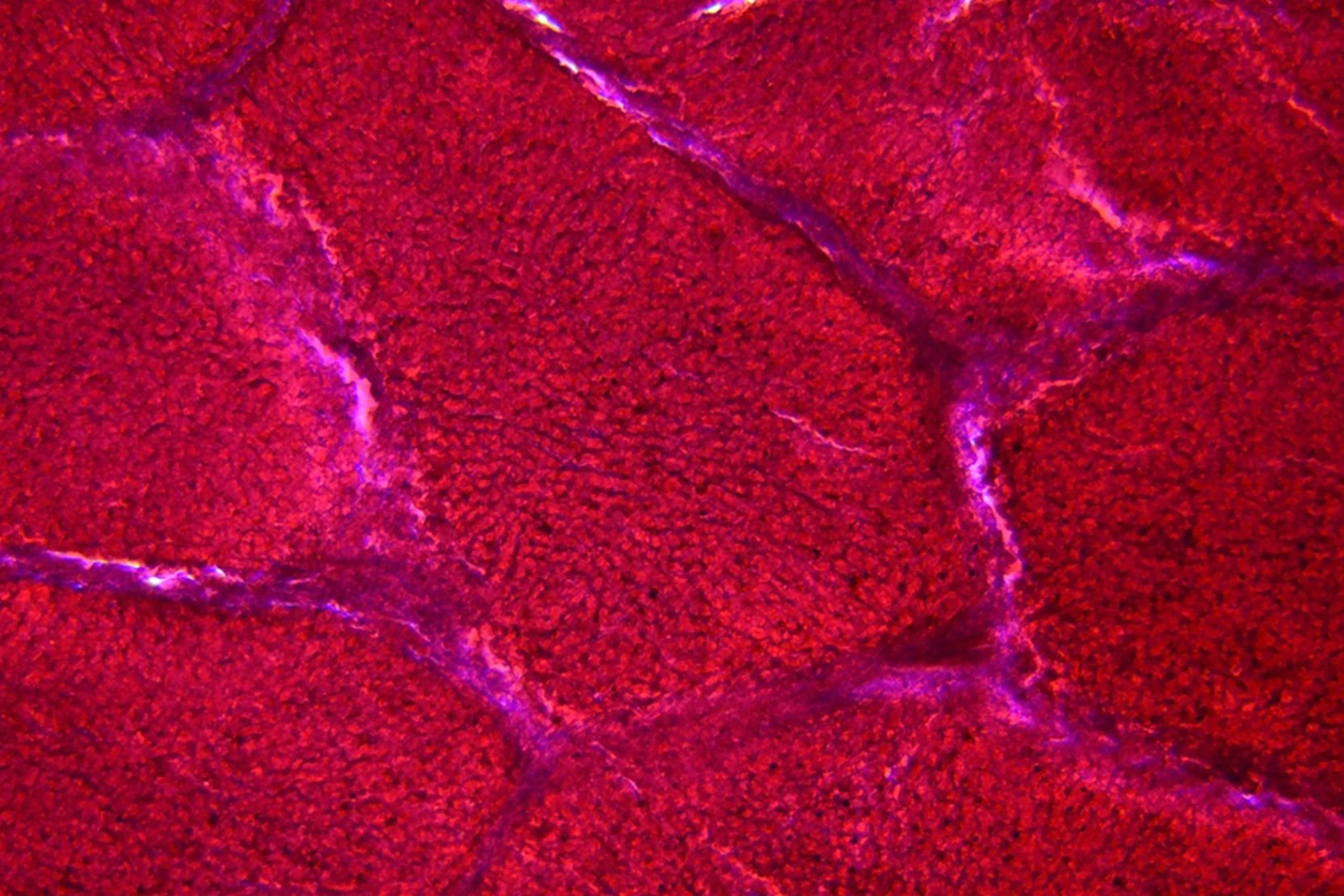
Hereditary hemochromatosis is one of the most common genetic diseases in the United States. It involves an imbalance in the absorption, use and storage of iron in the body. As a result, iron is absorbed in excess and accumulates in a variety of tissues, particularly the liver. This leads to inflammation of the liver that over many years can progress to a variety of diseases, including enlarged liver, cirrhosis, cancer and liver failure.
Our approach to hemochromatosis
Treatment for hemochromatosis involves having a set amount of blood removed regularly. Over time, this lowers iron to normal levels and prevents conditions such as liver disease. Patients need to have periodic blood draws for life.
If the liver is already severely damaged, liver transplantation may be an option. UCSF offers a liver transplant program that is known for outstanding outcomes and for survival statistics that are among the best in the country. Our program helped pioneer techniques that have made transplantation safer and more successful.
Signs & symptoms
Symptoms of hemochromatosis develop at an earlier age in men than in women, because until the onset of menopause, women lose iron through menstruation, which compensates for an inherited tendency to accumulate iron. It is important to note, however, that some people do not experience any symptoms.
Common symptoms of the disease include:
- Joint pain
- Fatigue
- Lack of energy
- Abdominal pain
- Loss of sex drive
- Heart problems
Diagnosis
In making a diagnosis of hemochromatosis, your doctor will start by conducting a thorough physical examination and asking about your medical history, including any symptoms you have been experiencing. A simple blood test is then used to identify whether you have the genetic defect that causes the disorder.
Treatments
The treatment for hemochromatosis is safe and simple. It involves removing the excess iron from the body by drawing your blood, usually a pint at a time in regular intervals. This is done in the same way in which blood is drawn from donors at blood banks.
Once iron levels return to normal, you must give a pint of blood every two to four months for life. When the body replenishes the blood, it draws iron from storage sites such as the liver. Repeated over time, this process eventually eliminates the excess iron and risk of chronic liver disease.
It is important to note that alcohol abuse contributes to the damage caused by excess iron in the liver and should be avoided. Also, people with cirrhosis from hemochromatosis are at increased risk of liver cancer and should have regular surveillance studies. Liver transplantation is an option for patients with liver failure or early cancer.
Liver transplantation
Liver transplant is recommended for people whose hemochromatosis causes severe liver damage or progresses to liver failure. The evaluation for a transplant is complex and generally requires several months. Therefore, even if a patient is feeling well, they should be referred for a transplant at the first sign of liver failure or if they have advanced liver disease diagnosed by X-ray studies or liver biopsy.
Awards & recognition
Best in Northern California for gastroenterology & GI surgery

Recommended reading

After Living Liver Donor Surgery
Find out what to expect following living liver donor surgery, including information about your hospital stay, pain management and when you can eat and drink.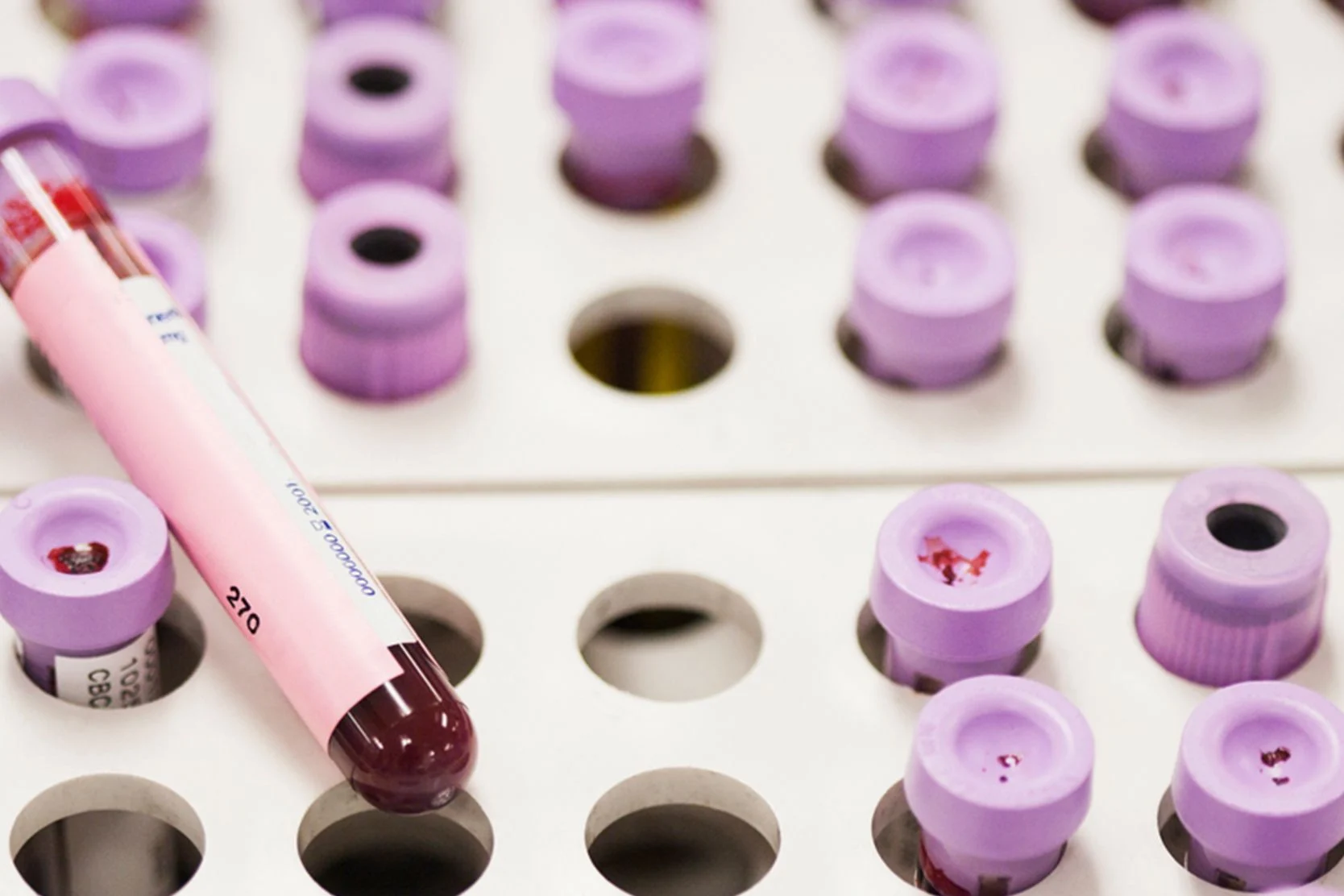
FAQ: Living Liver Donor
Considering becoming a living liver donor? Get answers to common questions, including the evaluation process and what to consider before donating.
Evaluation to be a Living Liver Donor
Learn about the living liver donor evaluation process, including evaluation steps, timelines, insurance coverage and more.
FAQ: Getting a Liver Transplant
Find answers to common questions about receiving a liver transplant, including who gets priority and whether there's a way to speed up the process.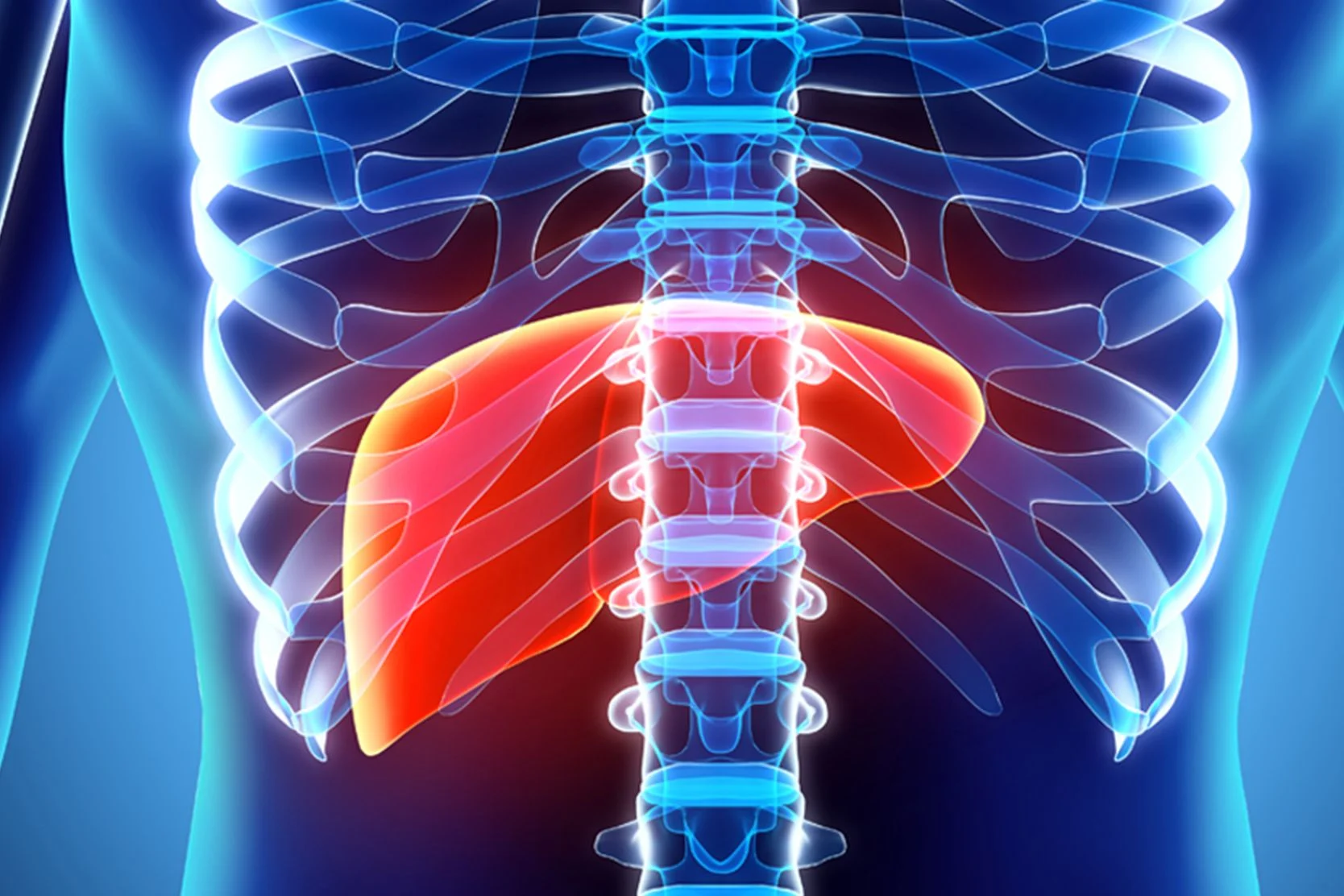
Liver Transplant Glossary
Use this glossary to understand the medical terms involved in liver transplant, including angiogram, sclerotherapy and T-tube.
More treatment info
Living Donor Liver Transplant
Learn how living liver donation works, who can become a donor and what to expect from the evaluation process.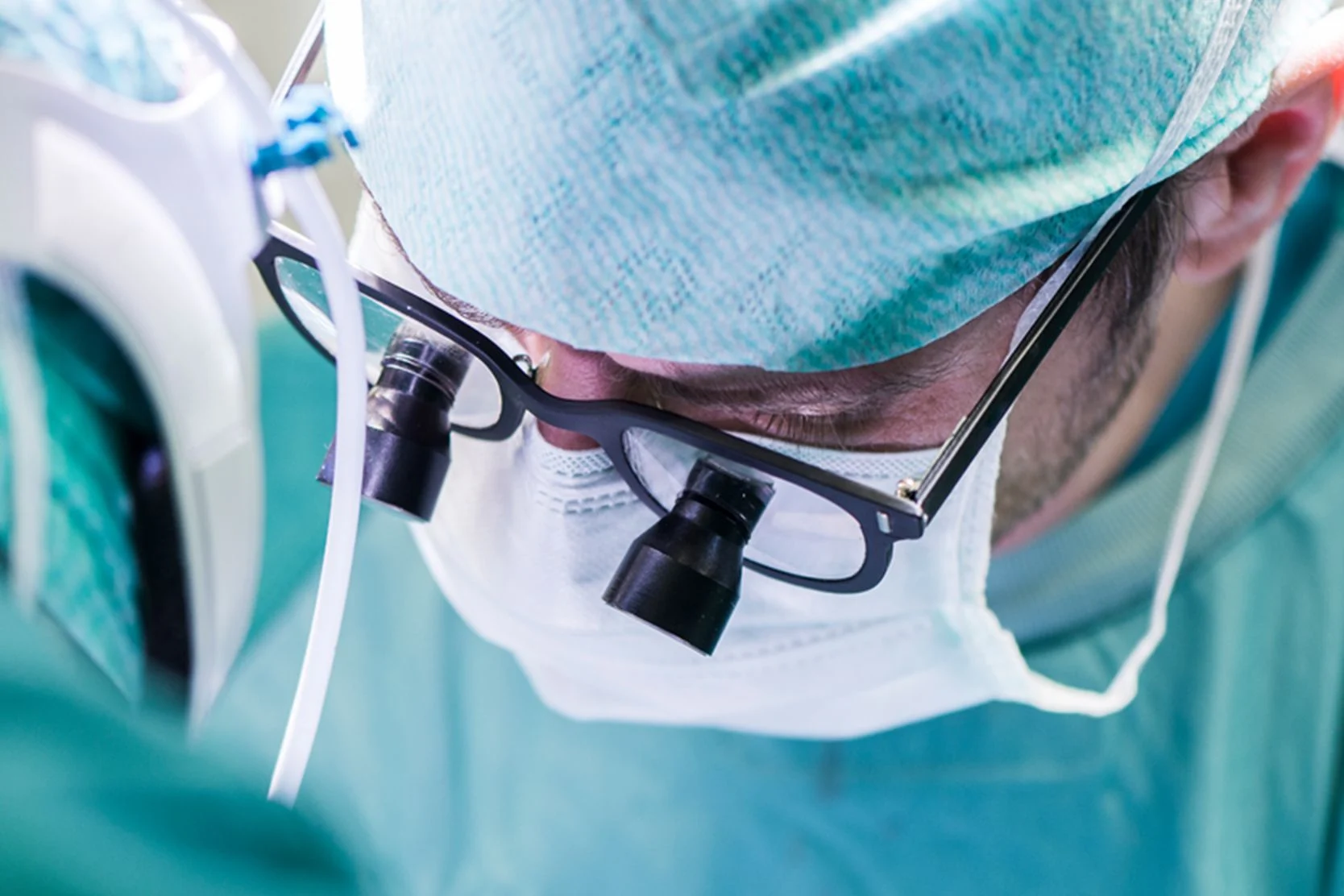
Liver Transplant
Liver transplantation can be a life-saving option for patients with end-stage liver disease. Learn what happens during the evaluation, surgery and recovery.
Related services and treatments
Support services

Case Management and Social Work
Connect with a team that can help you find resources, solve problems and advocate for you during treatment at UCSF.
International Services
If you live outside the United States and are coming to UCSF for medical treatment, our patient liaisons can help coordinate all aspects of your visit.
Interpreting Services
UCSF offers interpreters in various languages, including American Sign Language (ASL), as well as services for deaf, hard-of-hearing and visually impaired patients.
Mindfulness-Based Stress Reduction Class
This eight-week class teaches mindfulness practices that can reduce stress and improve your overall health, such as meditation and body awareness.
Patient Relations
We welcome feedback about your experience at UCSF Health. Find out how to contact us with comments, questions or concerns.
Spiritual Care at UCSF
Chaplains representing many faiths are available around the clock to provide support, comfort and counsel to patients, families and caregivers.
UCSF Health medical specialists have reviewed this information. It is for educational purposes only and is not intended to replace the advice of your doctor or other health care provider. We encourage you to discuss any questions or concerns you may have with your provider.