
Toxic Hepatitis
On this page
Overview
The liver processes almost everything a person consumes, including chemicals, medications and alcohol. In some instances, these substances may cause serious injury to the liver, resulting in toxic hepatitis — a condition that causes inflammation of the liver.
Causes
Medications
Many medications have the potential to cause liver toxicity and carry a warning on their label to this effect. In most cases when problems occur, they are mild and only apparent from blood tests, and can be resolved by reducing the dose of medication or discontinuing use.
In rare instances, however, some patients have an idiosyncratic reaction to a drug, causing massive destruction of liver cells and rapidly developing liver failure. Patients experiencing a severe idiosyncratic drug reaction must stop taking the drug immediately. They also require an urgent referral to a transplant center for a liver transplant, which may be life-saving.
Herbs and Nutritional Supplements
Despite their widespread availability, some herbs and nutritional supplements may cause toxic hepatitis. It is important to note that these substances are not subject to the same regulations, testing or approval processes as conventional drugs. Studies have shown that some herbs and nutritional supplements are adulterated with steroids or antibiotics.
Herbs that may be toxic to the liver include comfrey, chaparral, germander, kava, valerian, mistletoe and traditional Chinese herbs. People with liver disease should not use herbs or nutritional supplements without the approval of their doctor.
Alcohol
Alcohol abuse is well known to cause liver damage, but the extent of injury varies widely among people who drink to excess. In individuals who are prone to alcohol-related liver injury — possibly due to genetics — heavy drinking can result in acute liver failure, a life-threatening condition that requires hospitalization and intensive care. Other people may develop progressive liver disease from regular, heavy use of alcohol.
The goal of treatment is to eliminate alcohol from the diet and treat the psychological dependence on alcohol. Even at the advanced stage of cirrhosis, liver disease from alcohol may show significant improvement with total abstinence from alcohol.
Our Approach to Toxic Hepatitis
UCSF offers the most advanced diagnostic and treatment options for patients with toxic hepatitis. The first and most important step we will take is to identify and eliminate the substance that's causing the condition. This may be a medication, an herbal or other nutritional supplement, certain chemicals or alcohol. When alcohol is causing a patient's liver inflammation, we will need to address the underlying substance use disorder.
Toxic hepatitis can lead to severe liver damage or failure. In these cases, a liver transplant may be necessary. Our liver transplant program, designated a center of excellence by the U.S. Department of Health and Human Services, is known for outstanding outcomes and for helping pioneer techniques that have made transplants safer and more successful. We perform more than 100 transplants each year, and our survival statistics are among the very best in the country.
Signs & symptoms
Signs and symptoms of toxic hepatitis vary, depending on the cause. However, some of the more common include:
- Jaundice, a condition that causes a yellow tint in the skin and eyes
- Fatigue
- Loss of appetite
- Nausea and vomiting
- Headache
- Abdominal pain
- Dark urine
- Diarrhea
- White or clay-colored stools
Diagnosis
In making a diagnosis of toxic hepatitis, your doctor will ask about your medical history, including detailed information regarding your medications, use of herbs or other over-the-counter nutritional supplements and alcohol consumption. Your doctor also will carry out a thorough physical exam, which can be helpful in determining the presence or absence of significant chronic liver disease.
The following tests may be performed to assess the presence and severity of liver damage:
- Liver Function Tests These include a series of special blood tests than can help determine if the liver is functioning properly. These tests also can assist in determining the extent and type of liver damage.
- Ultrasound An ultrasound uses high-frequency sound waves to create images of organs and systems within your body. An ultrasound may be performed to generate detailed pictures of your liver.
- Computed Tomography (CT) Your doctor also may suggest a computed tomography scan, also known as a CT scan, to obtain two-dimensional images of your liver. CT is an X-Ray technique that produces more detailed images of your internal organs than conventional X-Ray exams. This technology uses an X-Ray sensing unit, which rotates around your body, and a large computer to create cross-sectional images of the inside of your body.
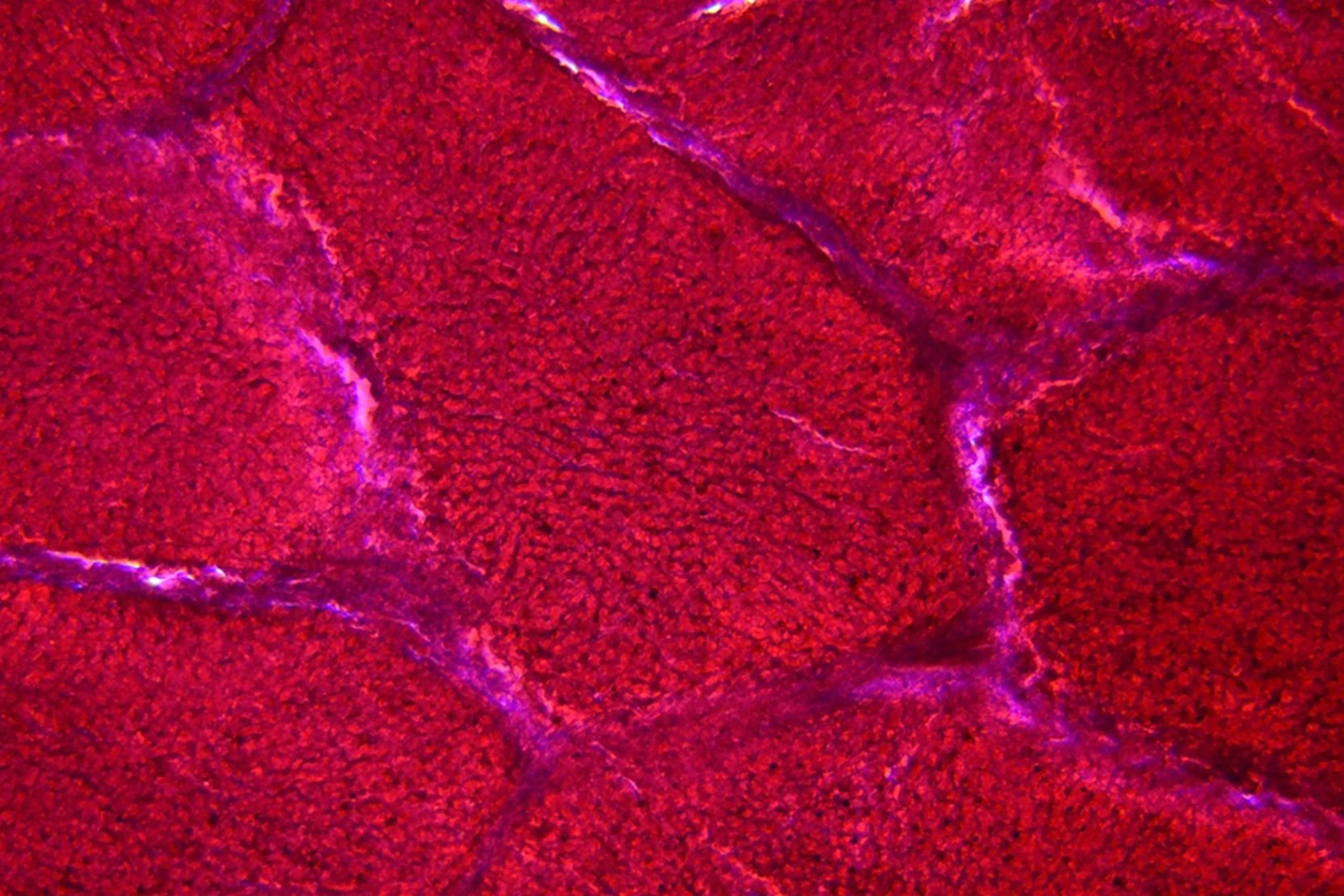
- Liver Biopsy A biopsy may be performed following blood tests and X-Rays if questions still exist about the nature and severity of your liver problem. During a biopsy, a small sample of tissue is removed from your liver using a thin needle. The tissue is prepared and stained in a laboratory for examination under a microscope.
Treatments
The first and most important step in treating toxic hepatitis is to identify and eliminate the substance that is causing the problem, such as medications, herbs or alcohol. In the case of alcohol-related liver damage, joining a treatment program such as Alcoholics Anonymous is highly recommended. Alcoholism is a serious addiction and without the proper treatment and support networks, many people experience a relapse and return to alcohol.
Liver Transplantation
Urgent liver transplantation should be considered for patients with life-threatening liver damage caused by a medication, herb or nutritional supplement.
Patients with end-stage cirrhosis from alcohol may be considered for transplantation. However, they are considered candidates for transplantation only if they have been completely abstinent from alcohol and in a treatment program for a minimum of six months.
Awards & recognition
Best in Northern California for gastroenterology & GI surgery

Recommended reading
After Living Liver Donor Surgery
Find out what to expect following living liver donor surgery, including information about your hospital stay, pain management and when you can eat and drink.
FAQ: Living Liver Donor
Considering becoming a living liver donor? Get answers to common questions, including the evaluation process and what to consider before donating.
Evaluation to be a Living Liver Donor
Learn about the living liver donor evaluation process, including evaluation steps, timelines, insurance coverage and more.
FAQ: Getting a Liver Transplant
Find answers to common questions about receiving a liver transplant, including who gets priority and whether there's a way to speed up the process.
Liver Transplant Glossary
Use this glossary to understand the medical terms involved in liver transplant, including angiogram, sclerotherapy and T-tube.
More treatment info
Living Donor Liver Transplant
Learn how living liver donation works, who can become a donor and what to expect from the evaluation process.
Liver Transplant
Liver transplantation can be a life-saving option for patients with end-stage liver disease. Learn what happens during the evaluation, surgery and recovery.
Related services & treatments
Specialties
- Hepatology
- Gastroenterology
- Transplant Hepatology
- Liver Transplant Surgery
- Addiction Medicine
Conditions
Treatments
- Liver Transplant
- Alcohol Detox
- Alcohol Dependence Medical Management
- Addiction Recovery
Helpful resources
Support services

Case Management and Social Work
Connect with a team that can help you find resources, solve problems and advocate for you during treatment at UCSF.
International Services
If you live outside the United States and are coming to UCSF for medical treatment, our patient liaisons can help coordinate all aspects of your visit.
Interpreting Services
UCSF offers interpreters in various languages, including American Sign Language (ASL), as well as services for deaf, hard-of-hearing and visually impaired patients.
Mindfulness-Based Stress Reduction Class
This eight-week class teaches mindfulness practices that can reduce stress and improve your overall health, such as meditation and body awareness.
Patient Relations
We welcome feedback about your experience at UCSF Health. Find out how to contact us with comments, questions or concerns.
Spiritual Care at UCSF
Chaplains representing many faiths are available around the clock to provide support, comfort and counsel to patients, families and caregivers.
UCSF Health medical specialists have reviewed this information. It is for educational purposes only and is not intended to replace the advice of your doctor or other health care provider. We encourage you to discuss any questions or concerns you may have with your provider.