

Parkinson's Disease

Overview
Parkinson's disease is a neurological disorder that targets brain cells that control movement. Symptoms include tremors, stiffness and poor balance, as well as depression or dementia. Some patients experience impairments of the "autonomic" nervous system, the part of the nervous system that helps control blood pressure as well as the bowel and bladder.
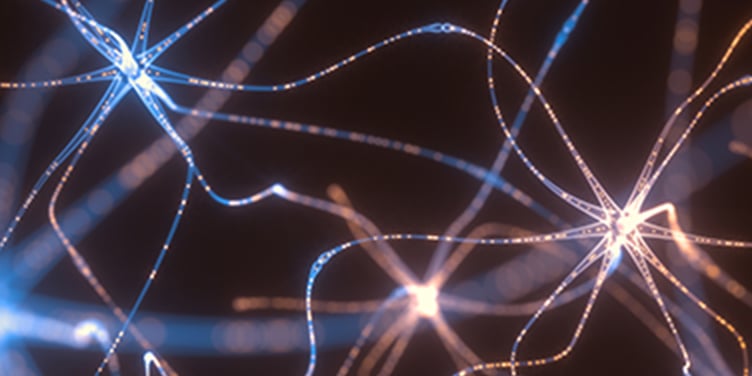
The disease, which affects about 1 million people in the United States, targets neurons that produce an important chemical called dopamine. Dopamine is a chemical messenger that transmits signals within the brain. Normally, dopamine operates in a delicate balance with other neurotransmitters to help coordinate the millions of nerve and muscle cells involved in movement. Because Parkinson's patients have a loss of dopamine-producing cells in the brain, the coordination among nerve and muscle cells is disrupted.
The cause of the disease is unknown.
Our Approach to Parkinson's Disease
Designated a center of excellence by the Parkinson's Foundation, UCSF offers comprehensive evaluations and treatment plans designed to maximize patients' quality of life. Treatment plans may include medications or surgery alongside physical therapy, nutrition counseling, consultations with speech and swallowing specialists, and integrative medicine services. We also host support groups and connect patients and their families to outside support groups and related services.
Awards & recognition
-

Among the top hospitals in the nation
-
Best in California and No. 2 in the nation for neurology & neurosurgery
Signs & symptoms
Parkinson's generally progresses slowly, sometimes taking years for symptoms to appear. The disease usually strikes adults over age 50, although it has been diagnosed as early as age 20. About 15 percent of Parkinson's patients have a family history of the disease.
Because it develops gradually, most people have many years of productive living after being diagnosed.
Some of the first symptoms commonly experienced with Parkinson's include the following:
- Rigidity Arms and legs become stiff and hard to move
- Tremors Rapid shaking of the hands, arms or legs
- Slowed movements Difficulty starting or completing movements, called bradykinesia
- Impaired balance Lack of balance or difficulty adjusting to sudden changes in position
These symptoms may make it difficult for you to walk, pick up and hold things, eat, write, or react quickly to prevent injury if you fall.
Other symptoms include difficulty speaking or swallowing, drooling, stooped posture, inability to make facial expressions, oily skin, cramped handwriting, shortness of breath, constipation, increased sweating, erectile dysfunction, difficulty sleeping, problems urinating and anxiety.
Diagnosis
A diagnosis for this disease generally includes an assessment of symptoms and a series of tests. There is no single test to clearly identify the disease.
Tests administered may include:
- Blood or urine tests
- An electrocardiogram (ECG)
- X-rays
- Other imaging tests, such as a positron emission tomography (PET) scan or a magnetic resonance imaging (MRI) scan.
The imaging tests are generally quick and painless. They use diagnostic cameras and recording devices to produce images of organs and tissues inside your body.
If you've been diagnosed with Parkinson's already, these tests can help determine if you have the classic form or an atypical form of the disease.
If you doctor suspects you have Parkinson's disease, he or she may prescribe anti-Parkinson's drugs to see if you respond.
Treatments
Medications can provide dramatic relief from Parkinson's symptoms, but no drug can stop the progression of the disease. In some cases, surgery is an option. Some doctors recommend physical therapy or muscle strengthening. For many patients, a combination of these approaches works best.
Medication
Levodopa, combined with another drug called carbidopa or Sinemet, is the mainstay of Parkinson's therapy. Levodopa is rapidly converted into dopamine by the enzyme dopa decarboxylase (DDC), which is present in the central and peripheral nervous systems. Much of levodopa is metabolized before it reaches the brain.
Because these drugs are known to cause side effects and can become ineffective after prolonged periods of use, other drugs, such as dopamine agonists, amantadine, COMT inhibitors and anticholinergic medications also are used to treat Parkinson's disease.
Surgery
When medication is ineffective, surgery may be an option to control symptoms and improve quality of life. However, not everyone is a good candidate for surgery. For example, if a patient never responded or no longer responds to levodopa and carbidopa, surgery is unlikely to help. Only about 10 percent of Parkinson's patients are candidates for surgery.
Three surgical procedures are performed to treat Parkinson's disease — ablative or destructive surgery, stimulation surgery or deep brain stimulation (DBS), and transplantation or restorative surgery.
- Ablative Surgery This procedure locates, targets and then ablates or destroys a targeted area of the brain affected by Parkinson's. The object is to destroy tissue that produces abnormal chemical or electrical impulses that cause tremors and other symptoms of Parkinson's. A lesion of the globus pallidus, called pallidotomy, is the most common ablative surgery for Parkinson's disease.
- Deep Brain Stimulation (DBS) Like ablative surgery, deep brain stimulation surgery treats the tremors and slowness associated with Parkinson's disease. The procedure involves inserting a deep brain stimulator into certain areas of the brain. Instead of destroying the overactive cells that cause symptoms of Parkinson's, DBS temporarily disables them by sending pulses of electricity. This therapy has been shown to provide greater relief of symptoms with fewer side effects than other treatments.
- Transplantation In transplantation or restorative surgery, dopamine-producing cells are implanted into a certain part of the brain. The cells used for transplant may come from one of several sources — the patient's body, human embryos or pig embryos. Using stem cells for this procedure is currently being researched.
Complementary Treatments
Complementary or integrative care combines the best of alternative therapies — such as acupuncture, massage, meditation, herbs and nutrition — and conventional medicine. A number of treatments such as simply physical activity, physical therapy, massage and support groups can help relieve symptoms and improve quality of life. Discuss with your doctor the possible treatments he or she recommends to treat your symptoms.
UCSF Health medical specialists have reviewed this information. It is for educational purposes only and is not intended to replace the advice of your doctor or other health care provider. We encourage you to discuss any questions or concerns you may have with your provider.