
Insomnia
On this page
Overview
Insomnia is a common problem – approximately half of American adults report experiencing insomnia at some time. It affects both men and women, although females and elderly are typically affected the most. The condition is classified into three groups depending on the length that it lasts:
- Transient insomnia is defined as lasting for a few nights
- Intermittent insomnia is periodic episodes of insomnia
- Chronic insomnia occurs on most nights and lasts a month or more
Although insomnia is not considered a serious medical problem, lack of sleep can seriously impact your quality of life. It can make you feel tired, depressed and irritable, as well as impair your concentration.
Although it differs for each person, most adults need about seven to nine hours of sleep to feel completely rested. And, despite common belief, the need for sleep does not decrease with age.
Causes
Some of the most common causes of insomnia include:
- Stress
- Anxiety
- Depression
Other factors that also can cause insomnia include:
- Drinking too much caffeine throughout the day
- Drinking alcohol before bedtime
- Excessive napping during the day
- Changes in your surroundings and sleep schedule
- Noise
- Jet lag
- Certain medications
- Pain from medical problems, such as arthritis
Our approach to insomnia
At UCSF, our sleep medicine specialists offer a comprehensive range of services and treatments for conditions such as insomnia, sleep apnea, periodic limb movement disorder, restless legs syndrome, narcolepsy and snoring. Accredited by the American Academy of Sleep Medicine, our sleep center sees more than 2,000 patients a year.
The first step in treating insomnia involves diagnosing any underlying causes that may be contributing, including lifestyle factors, physical conditions or psychological issues. Insomnia often goes away when these issues are addressed. However, some cases require other treatments. These may include medication, light therapy and behavioral techniques, such as relaxation therapy and sleep restriction treatment.
Signs & symptoms
Symptoms of insomnia include:
- Trouble falling asleep
- Experiencing restless sleep, in which you wake frequently throughout the night and then have trouble falling back asleep
- Waking too early in the morning
- Feeling tired and unrefreshed upon waking in the morning
Diagnosis
If you think you are experiencing insomnia, your doctor will start by asking you about your medical history as well as your sleep history. Your doctor will ask you and your bed partner, if he or she is present, certain questions to determine your sleep habits. This may include questions about the following:
- When you go to bed and wake up
- The amount of caffeine and alcohol you drink
- How long you've had insomnia
- Whether you are experiencing any stress or anxiety that may be affecting your sleep
- If you snore
- Any medical problems that may be interrupting your sleep
If the cause of your insomnia is unclear to your doctor, he or she may ask you to keep a sleep diary, in which you will record:
- The time you go to bed
- How long it takes you to fall asleep
- How often you wake during the night
- What time you wake up
- How you feel upon waking
Treatments
The first step in treatment for insomnia involves diagnosing and treating any underlying medical or psychological problems that may be contributing to your insomnia. The key to treating insomnia is to determine what is causing it and then eliminating those factors from your life. Often once the causes, such as jet lag or stress, are dealt with, insomnia goes away on its own.
However, there are some cases when other treatment is required. In addition to identifying the causes of insomnia and then trying to eliminate or reduce them, treatment may include the following.
Sleeping pills
Typically, sleeping pills are prescribed at a low dose and for a short duration of time. They are not recommended for long-term use and should be taken under the close supervision of your doctor.
Behavioral techniques
Behavior techniques may help to improve your sleep and include relaxation therapy, sleep restriction therapy and reconditioning.
Relaxation therapy
Relaxation therapy can be used to reduce or eliminate nighttime stress, body tension and anxiety, and prevent your mind from racing, so you are able to fall asleep.
Sleep restriction therapy
You may find that if you are unable to fall asleep or wake up in the night, you spend a lot of time in bed trying unsuccessfully to sleep. If so, you may benefit from a sleep restriction program that initially allows only a few hours of sleep during the night. Gradually this time is increased until a normal sleep period is achieved.
Reconditioning
Reconditioning aims to condition your body to associate the bed and bedtime with sleep. For most people, this means using the bed only for sleep and sex. People are advised to go to sleep only when very sleepy, wake and go to bed at the same time every day, and if they are unable to fall asleep, to get out of bed and leave their bedroom and not return until they feel sleepy again. Napping is not recommended during this process.
Awards & recognition

Among the top hospitals in the nation

No. 1 in the nation for pulmonology & lung surgery
Recommended reading

Improve Your Sleep Hygiene
Good sleep hygiene includes waking at consistent times and avoiding excessive time in bed. See more tips for helping your body get the right amount of rest.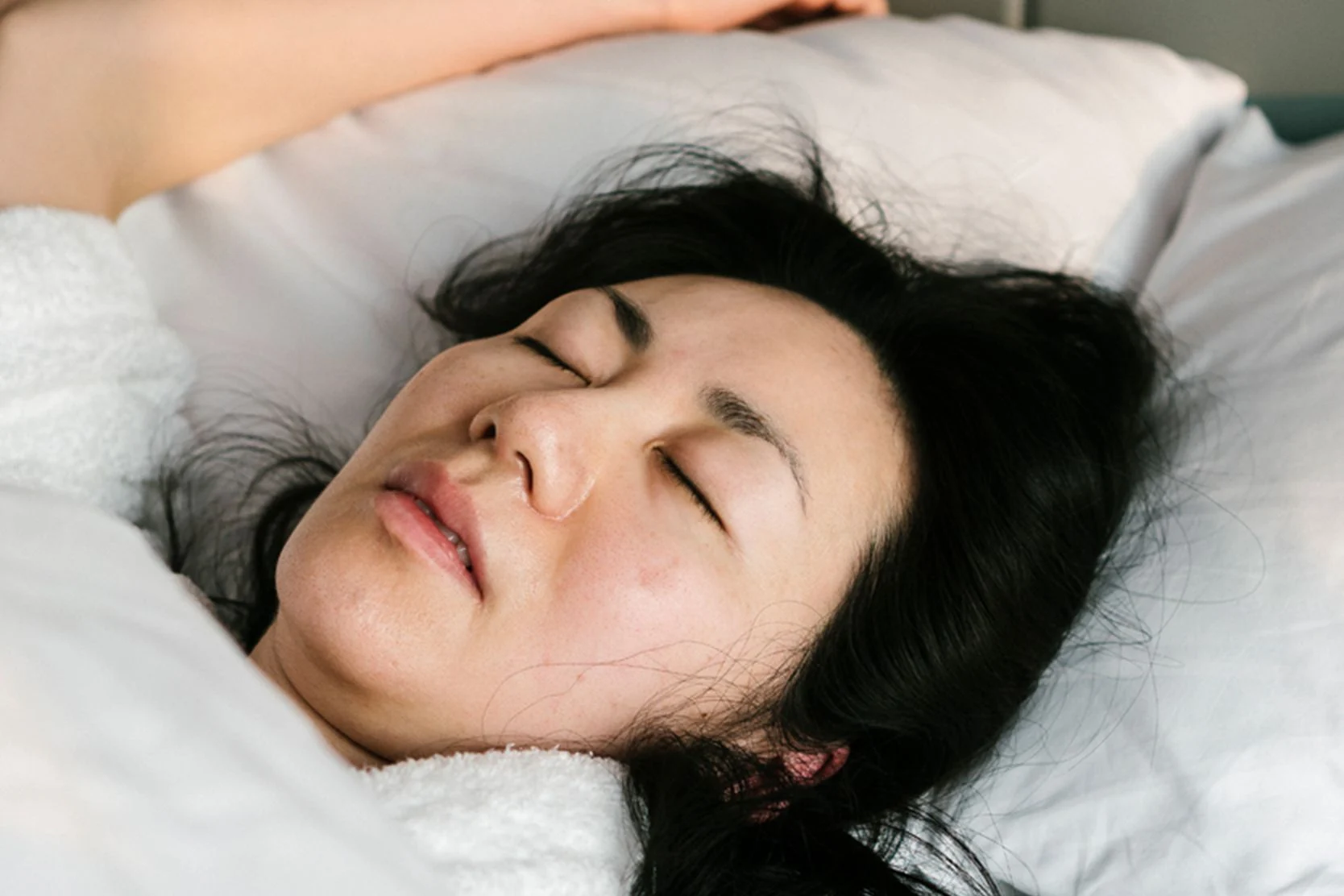
Melatonin and Sleeping Pills
Understand the difference between melatonin and sleeping pills, including the benefits and disadvantages of both sleep aids.
Overnight Sleep Study
Find out how to prepare and what to expect during an overnight sleep study at our sleep testing lab.
Sleep Quiz
Take this quiz to help identify potential sleep issues. If you experience more than three of these sleep-related problems, visit your care provider for help.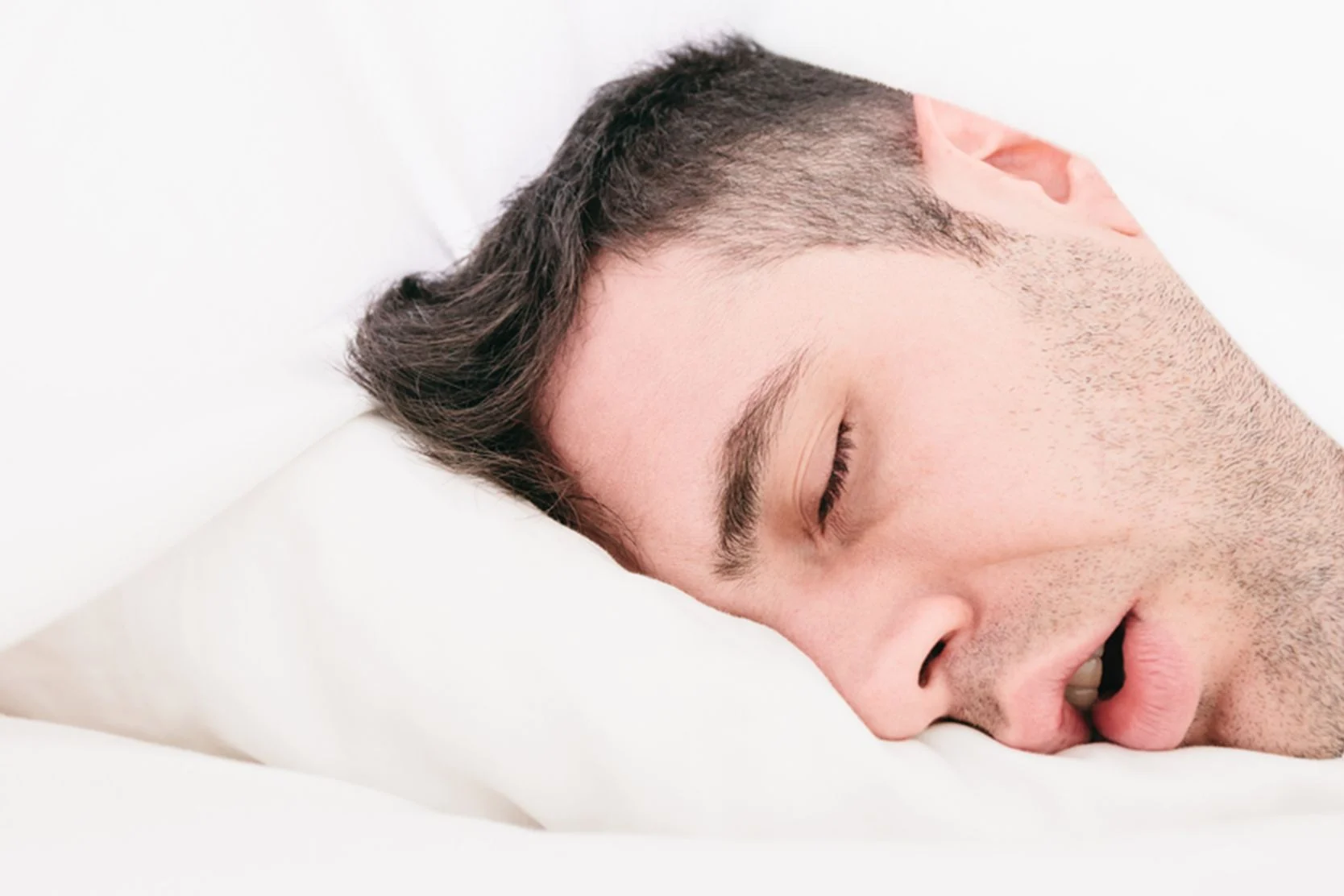
Snoring
Snoring is a symptom of a narrow or closed airway that may have several causes. Find out when snoring is a concern and what treatments are available.
Tips for a Better Night's Sleep
Sleep is important to your overall health. Follow these guidelines to help you get a better night's rest.
Support services

Case Management and Social Work
Connect with a team that can help you find resources, solve problems and advocate for you during treatment at UCSF.
Mindfulness-Based Stress Reduction Class
This eight-week class teaches mindfulness practices that can reduce stress and improve your overall health, such as meditation and body awareness.
Patient Relations
We welcome feedback about your experience at UCSF Health. Find out how to contact us with comments, questions or concerns.
Spiritual Care at UCSF
Chaplains representing many faiths are available around the clock to provide support, comfort and counsel to patients, families and caregivers.
UCSF Health medical specialists have reviewed this information. It is for educational purposes only and is not intended to replace the advice of your doctor or other health care provider. We encourage you to discuss any questions or concerns you may have with your provider.