
Narcolepsy
On this page
Overview
If not treated, people with narcolepsy can fall asleep at any time, such as when at work, while driving and while engaged in a conversation. Narcolepsy is linked to a chemical in the brain called hypocretin, which normally stimulates arousal and helps regulate sleep. Most people with narcolepsy do not produce hypocretin in the deep part of the brain called the hypothalamus. As a result, the body's messages about when to sleep and when to stay awake sometimes occur at the wrong times and places.
Narcolepsy is a lifelong condition that affects an estimated one in 1,000 to 1,500 people. Although it occurs in both men and women, it is slightly more common among men. The condition can begin at any age, although its symptoms usually appear between the ages of 10 and 20. Narcolepsy has been found to be hereditary in some cases.
Our approach to narcolepsy
At UCSF, our sleep medicine specialists offer a comprehensive range of services and treatments for conditions such as narcolepsy, insomnia, sleep apnea, periodic limb movement disorder restless legs syndrome and snoring. We have a sleep testing laboratory specially designed to provide cutting-edge diagnostic care in a comfortable, hotel-like setting for patients' overnight sleep tests. Accredited by the American Academy of Sleep Medicine, our sleep center sees more than 2,000 patients a year.
Treatment for narcolepsy typically involves taking stimulant medications to increase daytime alertness and antidepressants to reduce other symptoms. We also counsel patients on how to improve their sleeping habits and eliminate or minimize factors that might be contributing to their condition.
Signs & symptoms
The hallmark symptom of narcolepsy is an excessive daytime sleepiness (EDS), in which a person falls asleep at times when they want to be awake. EDS may include daytime sleep attacks that occur with or without warning, persistent drowsiness and fleeting moments of sleep that occur in between a person's waking state.
Other symptoms may include:
- Cataplexy. Most people with narcolepsy experience some degree of cataplexy, which is defined as a sudden loss of voluntary muscle control. An attack may involve only a slight feeling of weakness and limp muscles — such as sagging facial muscles, nodding head, buckling knees, loss of arm strength and garbled speech — or also may cause immediate total body collapse. These attacks are usually triggered by intense emotions, such as laughter, surprise, anger, stress and fear, and can last anywhere from a few seconds to thirty minutes.
- Sleep paralysis. For a brief period when falling asleep or waking up, a person with narcolepsy may be unable to talk or move.
- Hypnagogic hallucinations. These are defined as vivid, realistic and typically frightening dreams that occur when a person is falling asleep.
- Automatic behavior. This occurs when familiar or routine tasks, such as making coffee in the morning, getting the paper and taking a shower, are performed without full memory or awareness of them.
- Fragmented nighttime sleep. In addition to having trouble with sleep during the day, people with narcolepsy also tend to sleep poorly at night, waking up often.
Diagnosis
To diagnose narcolepsy, your doctor will conduct a physical examination and ask about your medical history and symptoms. In addition, a number of tests are available to assist the diagnosis of narcolepsy:
- Polysomnogram. These tests, performed in an overnight sleep laboratory, measure brain waves and body movements as well as your nerve and muscle function.
- Multiple sleep latency test (MSLT). This test measures the time it takes you to fall asleep and move into a deep sleep while taking several naps over a period of time.
- Genetic blood tests. These tests check for specific antigens often found in people who have a genetic predisposition to narcolepsy.
Treatments
Treatment for narcolepsy typically involves medications to increase daytime alertness and reduce cataplexy and other symptoms. Stimulants are usually prescribed to improve alertness. Antidepressants as well as a new drug called gammahydroxybutyrate, or Xyrem, may be used to control cataplexy, hypnagogic hallucinations and sleep paralysis.
Stimulants
Common stimulants include the following:
- Dextroamphetamine sulfate, or Dexedrine
- Methylphenidate hydrochloride, or Ritalin
- Pemoline, or Cylert
- Modafinil, or Provigil
There are a few common side effects of stimulants that you may experience when taking these medications. They include headache, irritability, nervousness, insomnia, irregular heartbeat and mood changes.
Antidepressants
Tricyclic antidepressants and serotonin reuptake inhibitors, which go by the brand names Vivactil and Tofranil, are typically used to control cataplexy, sleep paralysis and hypnagogic hallucinations.
Side effects of antidepressants vary, but you may experience drowsiness, sexual dysfunction and lowered blood pressure. Although uncommon, serotin reuptake inhibitors may cause overexcitement, anxiety, insomnia, nausea and sexual dysfunction.
Other treatments
Medication is just one aspect of treatment for narcolepsy. There are other simple things you can do to improve your sleep habits, including:
- Taking several short naps, or one long nap, each day to control sleepiness and sleep attacks.
- Adopt a sleep routine in which you go to bed and wake up at the same time.
- Use your bed for sleep and sex only.
- Do not have caffeine, nicotine or alcohol in the late afternoon or evening.
- Exercise regularly, but at least three hours before bedtime.
- Try to avoid exciting or stressful situations that may trigger a cataplexy attack.
Awards & recognition

Best in the West and No. 3 in the nation for pulmonology & lung surgery

Recommended reading

Improve Your Sleep Hygiene
Good sleep hygiene includes waking at consistent times and avoiding excessive time in bed. See more tips for helping your body get the right amount of rest.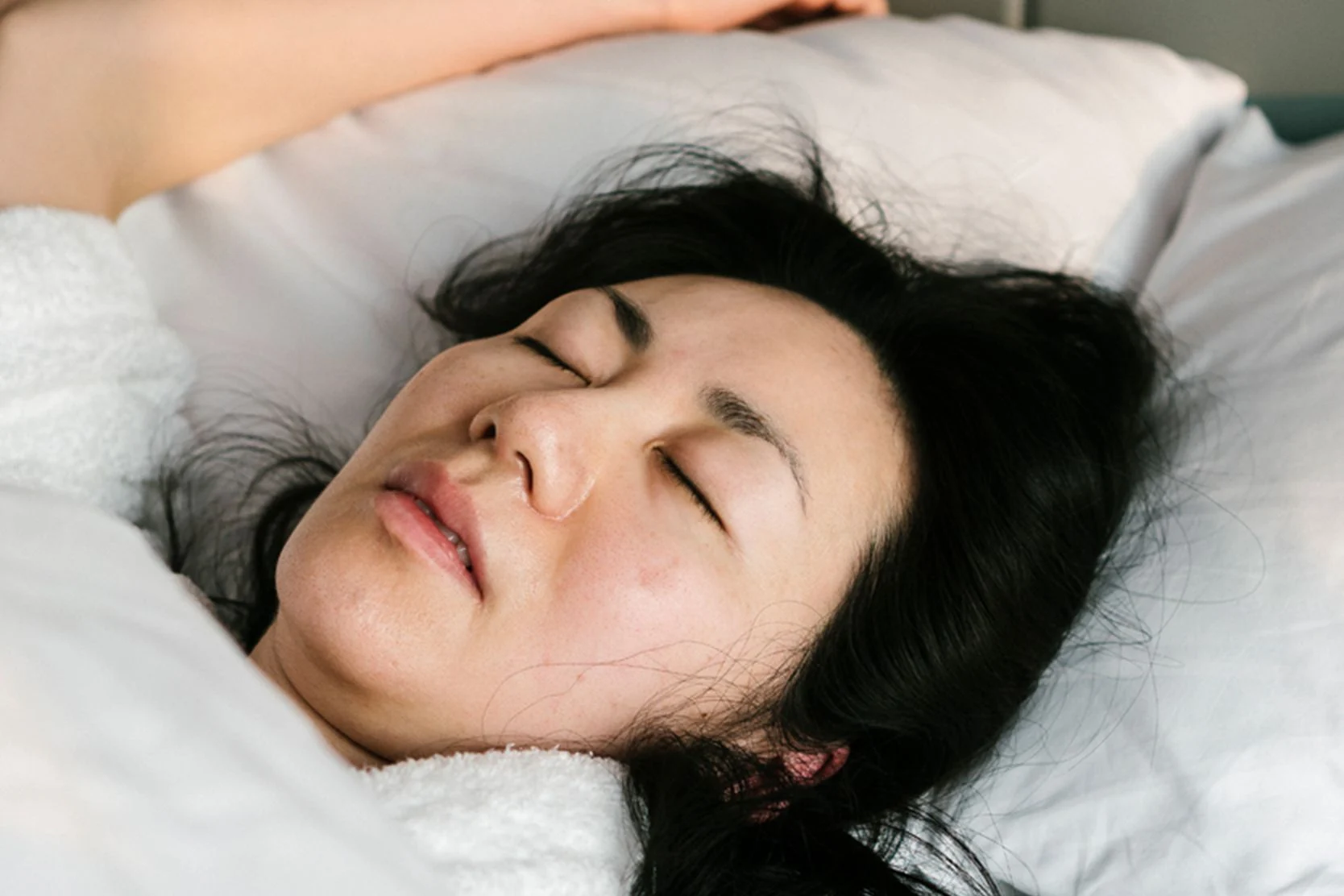
Melatonin and Sleeping Pills
Understand the difference between melatonin and sleeping pills, including the benefits and disadvantages of both sleep aids.
Overnight Sleep Study
Find out how to prepare and what to expect during an overnight sleep study at our sleep testing lab.
Sleep Quiz
Take this quiz to help identify potential sleep issues. If you experience more than three of these sleep-related problems, visit your care provider for help.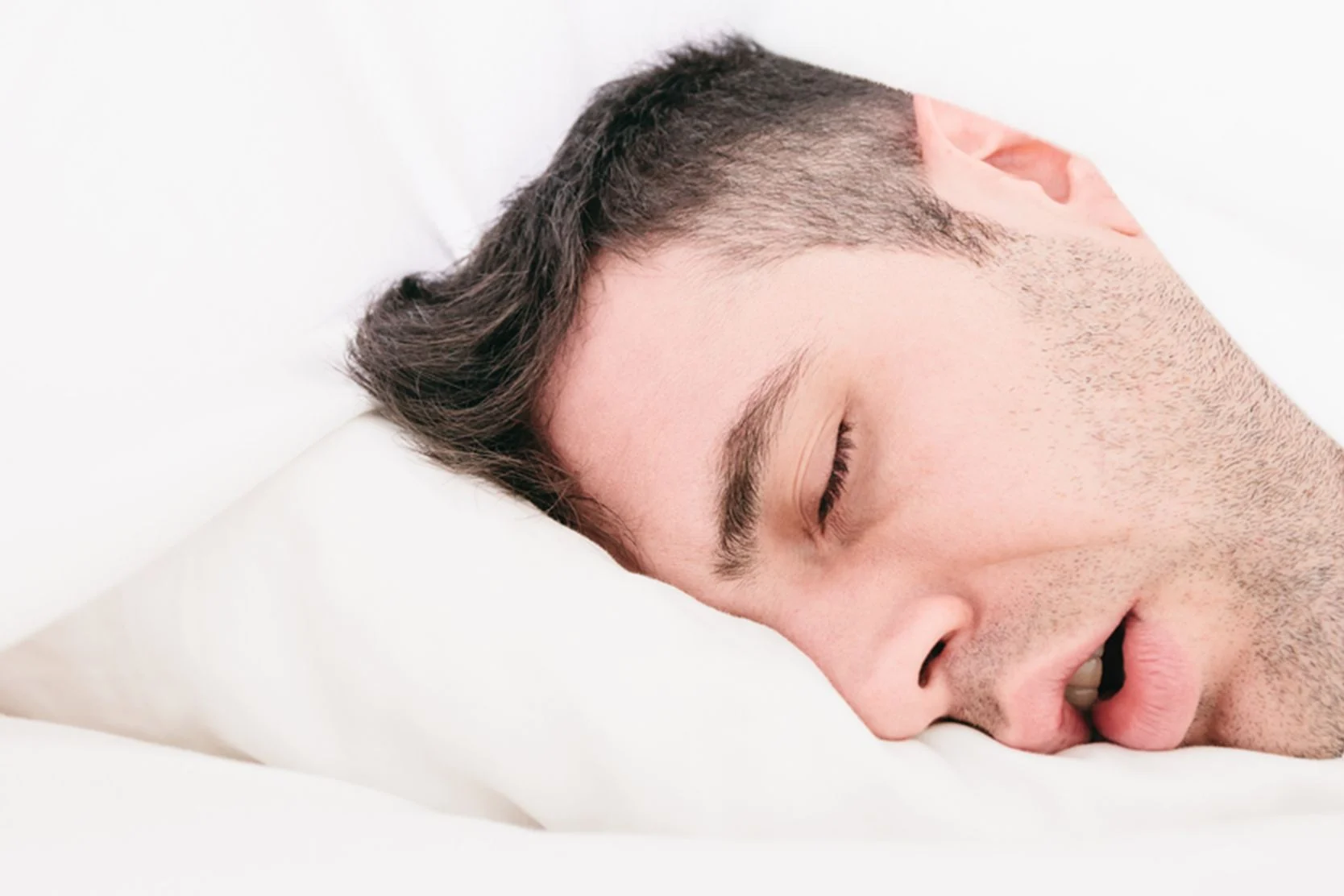
Snoring
Snoring is a symptom of a narrow or closed airway that may have several causes. Find out when snoring is a concern and what treatments are available.
Tips for a Better Night's Sleep
Sleep is important to your overall health. Follow these guidelines to help you get a better night's rest.
Related services and treatments
Specialties
Treatments
- Polysomnography
Support services

Case Management and Social Work
Connect with a team that can help you find resources, solve problems and advocate for you during treatment at UCSF.
Mindfulness-Based Stress Reduction Class
This eight-week class teaches mindfulness practices that can reduce stress and improve your overall health, such as meditation and body awareness.
Patient Relations
We welcome feedback about your experience at UCSF Health. Find out how to contact us with comments, questions or concerns.
Spiritual Care at UCSF
Chaplains representing many faiths are available around the clock to provide support, comfort and counsel to patients, families and caregivers.
UCSF Health medical specialists have reviewed this information. It is for educational purposes only and is not intended to replace the advice of your doctor or other health care provider. We encourage you to discuss any questions or concerns you may have with your provider.