
Kidney Transplant
On this page
Kidney Transplant
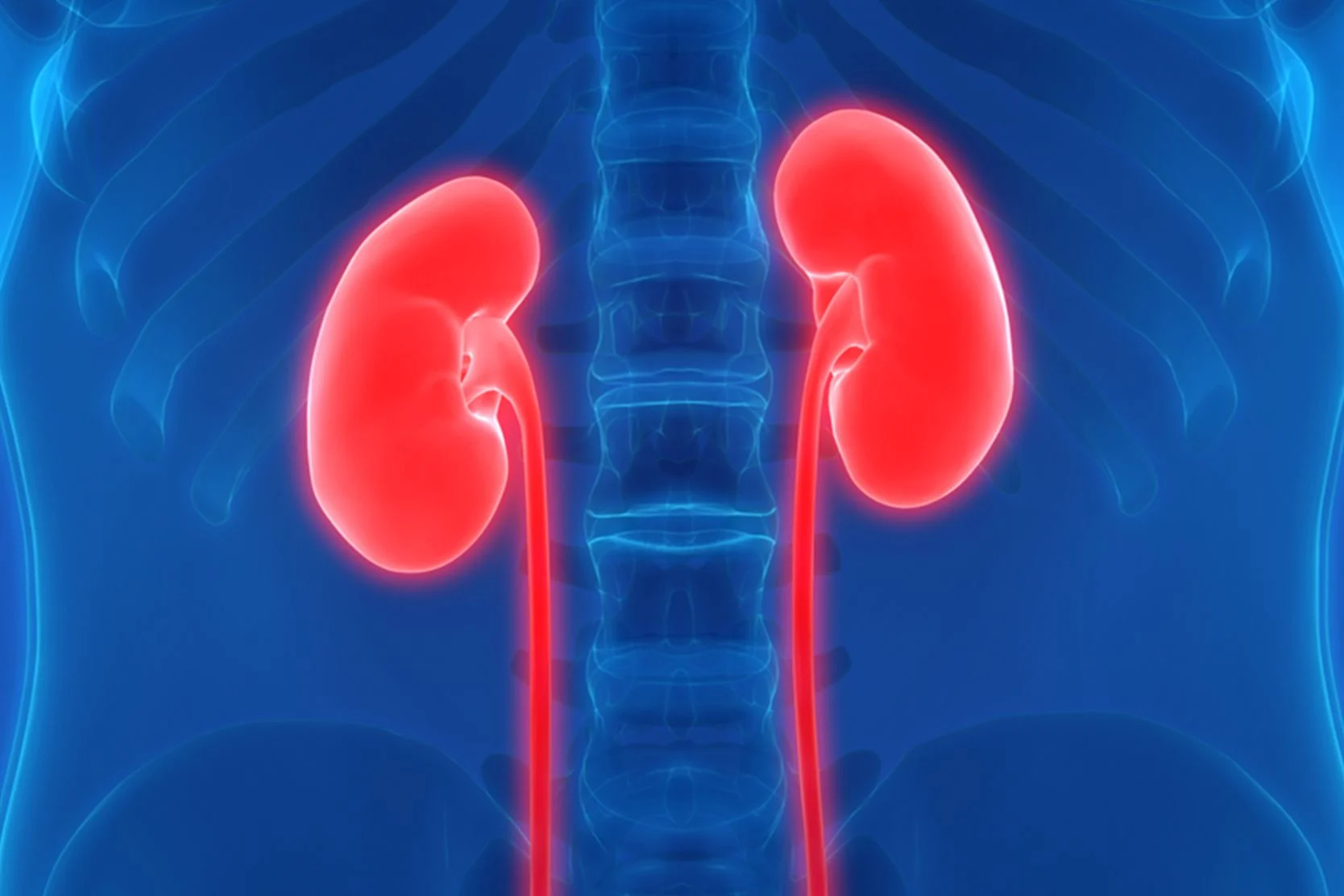
The kidneys perform several important functions, including:
- Filtering blood to remove waste products, expelling waste from the body as urine and returning water and chemicals back to the body as necessary.
- Regulating blood pressure by releasing several hormones.
- Stimulating red blood cell production by releasing the hormone erythropoietin.
When the kidneys stop working, this is referred to as end-stage renal disease. Toxic waste products accumulate in the body and the patient needs either dialysis or a kidney transplant to survive. Neither of these options is a cure for kidney failure, but a transplant offers the best prospects if the transplanted kidney functions successfully.
Kidney failure causes
The most common causes of kidney failure include:
- Diabetes mellitus
- Glomerulonephritis
- High blood pressure
- Polycystic kidney disease
- Severe defects of the urinary tract
Kidney transplant evaluation
During a kidney transplant evaluation, a transplant coordinator will arrange a series of tests to assess your treatment options. You'll be evaluated for potential medical problems such as heart disease, infections, bladder dysfunction, ulcer disease and obesity. A social worker will discuss transportation, housing, financial and family support needs in regard to a transplant and a financial counselor will address the benefits of your insurance policy.
We want you to learn as much as possible about the transplant process before making a decision.
Screening tests
Regardless of whether you'll receive a kidney from a living or deceased donor, you'll need to undergo special blood tests to determine your blood and tissue type. These tests help us match you with a donor kidney.
Blood type. The first test establishes blood type. There are four blood types: A, B, AB and O. The recipient and donor must have either the same blood type or compatible types.
- If your blood type is A, donor blood type must be A or O
- If your blood type is B, donor blood type must be B or O
- If your blood type is AB (universal recipient), donor blood type may be A, B, AB or O
- If your blood type is O (universal donor), donor blood type must be O
The AB blood type, called the universal recipient, is the easiest to match because the individual accepts all blood types. Blood type O, called the universal donor, is the hardest to match. Although people with blood type O can donate to all types, they can only receive kidneys from blood type O donors. For example, if a patient with blood type O were transplanted with a kidney from an A donor, the body would recognize the donor kidney as foreign and destroy it.
The Rh type (+, -) is not a factor in donor matching.
Human leukocyte antigens (HLA). The second test is a blood test for human leukocyte antigens (HLA), called tissue typing. These antigens are found on many cells of the body, but are mostly seen on white blood cells. Tissue type likeness between family members may be 100, 50 or 0 percent. The tissue type of all potential donors is considered in donor selection.
All potential donors, whether or not they're related to the recipient, can arrange to have the tissue typing test. No special preparation is required and results are available within two weeks. Pre-packaged kits with instructions to collect and return blood samples are available for potential donors who don't live nearby. Blood can be drawn at a local doctor's office or hospital laboratory and sent to the UCSF Transplant Service via overnight mail.
Crossmatch. The immune system makes proteins called antibodies, which attack foreign substances such as bacteria and viruses. You make antibodies when you have an infection, are pregnant, have a blood transfusion or undergo a kidney transplant. If you have antibodies to the donor kidney, your body will destroy the kidney. To ensure that you don't already have antibodies to the donor, we conduct a test called a crossmatch.
To perform a crossmatch, we mix your blood with cells from your donor. If the crossmatch is positive, you have antibodies against the donor and should not receive the person's kidney. If the crossmatch is negative, you don't have antibodies to the donor and you're eligible to receive the kidney.
Crossmatches are performed several times during preparation for a living-related donor transplant, particularly if donor-specific blood transfusions are used. A final crossmatch is performed within 48 hours before the transplant.
Serology. Testing is conducted for potentially transmissible diseases, such as HIV (human immunodeficiency virus), hepatitis and cytomegalovirus.
Transplant eligibility
When the evaluation is complete, the transplant team will meet, discuss your medical and social history and decide whether or not to place you on the transplant waiting list. This decision is made only after discussing your situation with a nephrologist (kidney specialist), surgeon, transplant coordinator, social worker and financial counselor.
If you're a transplant candidate, you will be placed on the waiting list of the United Network for Organ Sharing (UNOS). If a transplant is not in your best interest, a transplant team member will discuss other options with you.
People who are 60 years of age and older are considered for transplant on an individual basis after medical and cardiovascular evaluation. People with anatomically abnormal urinary tracts may not qualify until they've undergone appropriate reconstructive surgery.
You may not qualify for a kidney transplant if you've:
- Recently had cancer
- Recently had a heart attack
- Recently abused drugs or alcohol
- Have an active infection
Kidney transplant waiting list
Living donors
Kidneys for transplant may come from either a living donor or deceased (cadaver) donor. To learn more about the evaluation and surgery for living donors, visit Living Kidney Donor Transplant.
Deceased donors
The Uniform Anatomical Gift Act allows people to donate organs for transplant when they die and allows their families to provide permission as well. All donors are carefully screened to prevent disease transmission.
If you decide to undergo a cadaveric kidney transplant and you're medically eligible, your name will be placed on a cadaver organ waiting list. A blood sample for antibody level will be sent monthly to the medical center. The waiting period depends upon the availability of a cadaver donor compatible with your blood type and your antibody level.
When a kidney becomes available, your kidney specialist is contacted for approval. UCSF's transplant service will verify that you have no recent infections or medical problems that would interfere with a safe transplant. We will help you make arrangements for your transplant.
Kidney transplant surgery
Your surgery will last from two to four hours. During the operation, the transplanted kidney is placed in your pelvis rather than the usual location in the back. (Your own kidneys will not be removed.) The artery that carries blood to the kidney and the vein that carries blood out of it are surgically connected to two blood vessels in the pelvis. The ureter, or tube that carries urine from the kidney to the bladder, is transplanted through an incision in the bladder.
After the operation, you will remain in the recovery room for a few hours and then return to the Kidney Transplant Unit. The surgeon will inform your family when the procedure is over.
You will be encouraged to get out of bed 12 to 24 hours after surgery and walk as much as you can. Nurses will instruct you in taking your medications, explain the side effects and discuss making lifestyle changes.
A cadaver kidney may be temporarily slow in functioning, a condition called "sleepy kidney" or acute tubular necrosis. A sleepy kidney usually starts working in two to four weeks. Until then, you may need to undergo dialysis a few times.
Most transplant recipients must take medications called immunosuppressants to prevent the body from rejecting the transplanted organ. One of the side effects of these drugs is an increased risk for cancer, particularly skin cancer and lymphoma. You should be closely monitored for these conditions.
Becoming a living donor
Find out more
The gift of an organ offers someone another chance at life. If you have questions or would like more information, please send us an email at [email protected].
You can also explore details about UCSF Health's liver care providers, patients and evaluation process.
Awards & recognition

Rated high-performing hospital for kidney failure care
380+
Kidney transplants performed each year

Kidney transplant research

Studying long-term outcomes of kidney transplantsOpens in a new window
UCSF is part of the APOL1 Long-term Kidney Transplantation Outcomes (APOLLO) Network, a national study supported by the National Institutes of Health (NIH) that is working to address racial disparities in kidney transplant outcomes.
Patient stories
A sister's incredible gift made normal life possible
Recommended reading
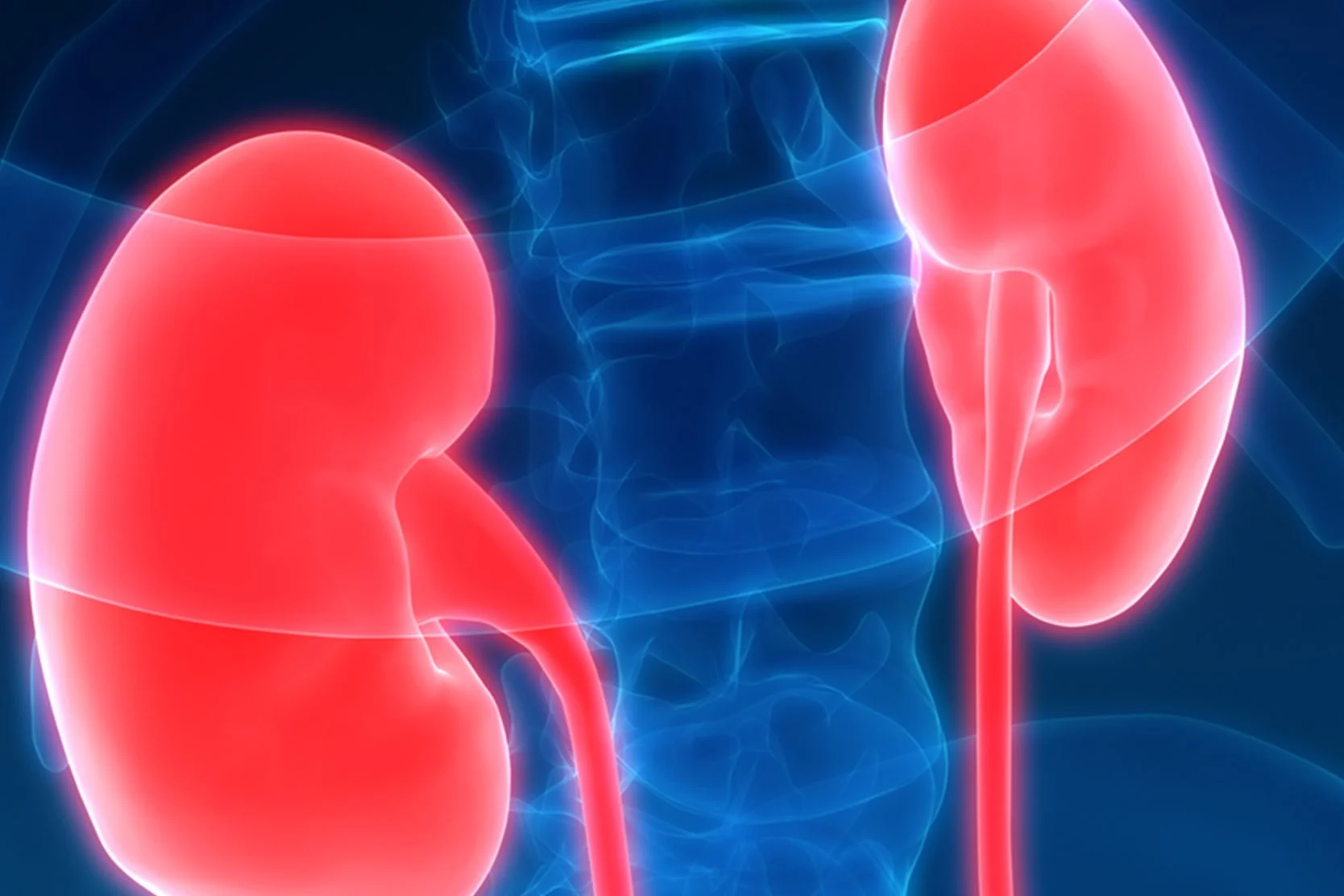
FAQ: Living Kidney Donor
Considering donating a kidney? Get answers to common questions, including the evaluation process, how to prepare for surgery and what to expect during recovery.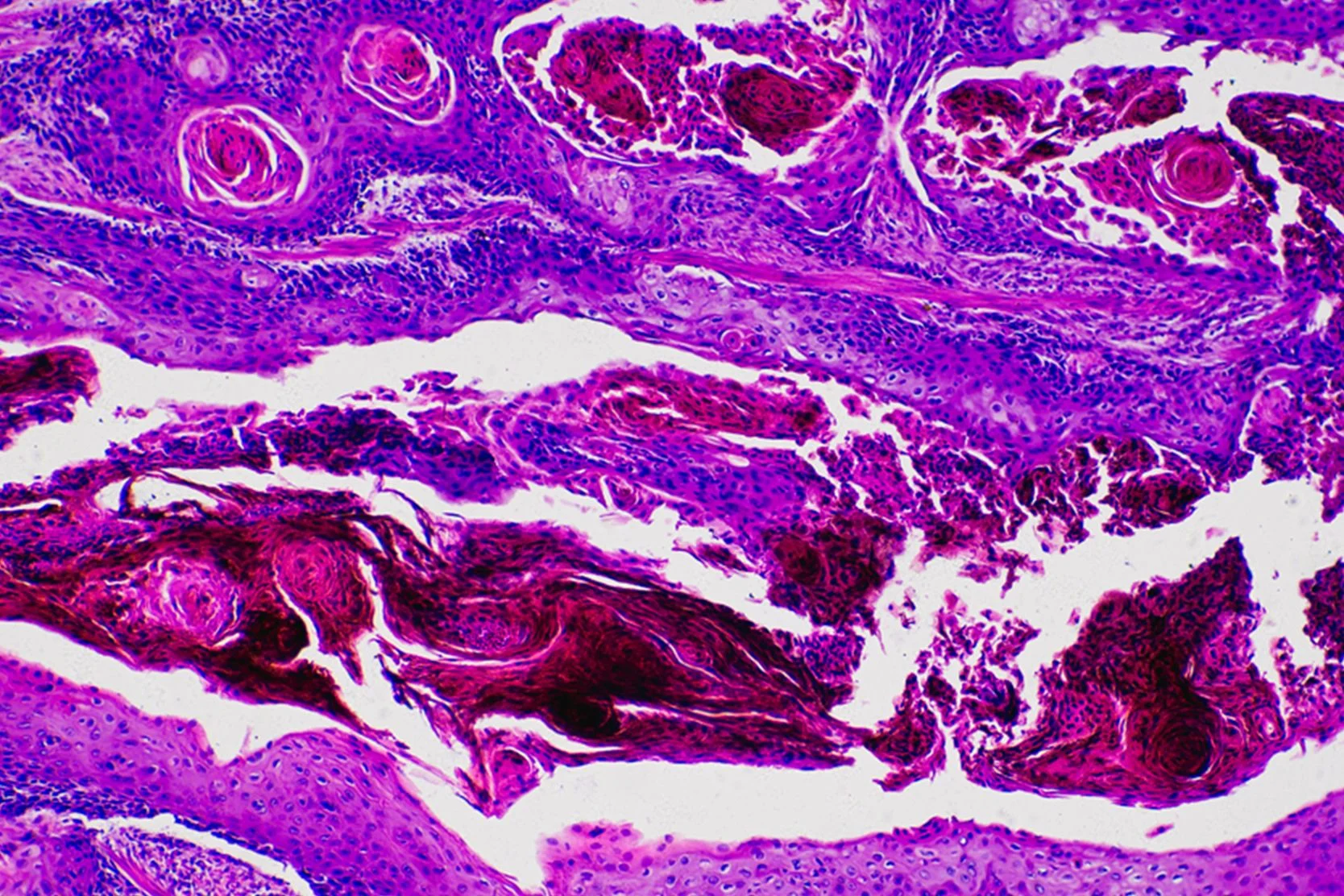
Organ Transplant and Skin Cancer Risk
Organ transplant recipients have a high risk of developing skin cancer. Learn about precautions to take and the importance of regular skin exams.
Transplant Screening Tests
If you need a kidney transplant, your doctor will do several blood tests to help match a donor kidney to your body. See a list of transplant blood tests we use.
Surgical Weight Loss Procedures for Kidney Transplant Patients
Find out how UCSF Health’s skilled surgeons can help you lose weight with gastric bypass, improving your chances of being a kidney transplant candidate.
Related treatments
Living Donor Kidney Transplant
Nationally, more than 70,000 patients are on the kidney transplant waiting list, and more are added each year. Find more treatment information here.
UCSF Health medical specialists have reviewed this information. It is for educational purposes only and is not intended to replace the advice of your doctor or other health care provider. We encourage you to discuss any questions or concerns you may have with your provider.