
Osteoarthritis of the Hip
On this page
Overview
Osteoarthritis of the hip causes the hip joint to get stiff and inflamed and can progress until resting no longer relieves your pain. Bone spurs might build up at the edges of the joint. When the cartilage wears away completely, bones rub directly against each other, making it very painful to move. You may lose the ability to rotate, flex or extend your hip. If you become less active to avoid the pain, the muscles controlling your joint get weak and you may start to limp.
Osteoarthritis, resulting from the wear and tear of your body as you age, affects more than 20 million people in the United States. The pressure of gravity on your joints and surrounding tissues causes physical damage, leading to pain, tenderness, swelling and decreased function. The smooth and glistening covering on the ends of your bones, called articular cartilage, which help your joints glide, may wear thin. Initially, osteoarthritis is not painful and its onset is subtle and gradual, usually involving one or only a few joints. The joints most often affected are the knee, hip and hand. In some instances, joint replacement (arthroplasty) of the hip or knee may be recommended to treat osteoarthritis.
Our Approach to Osteoarthritis of the Hip
When treating hip osteoarthritis, our goals are to relieve pain and restore normal movement. Treating the condition early, with nonsurgical options such as medication and physical therapy, can slow cartilage degeneration, minimize pain and preserve function. If the arthritis is already severe, joint replacement surgery can help, eliminating pain and improving the ability to walk.
UCSF's team of highly trained orthopedic surgeons includes specialists in joint replacement. Using the latest techniques and technology, they perform more than 800 hip and knee procedures each year on patients who come to UCSF from all over the world.
Signs & symptoms
Your first sign may be a bit of discomfort and stiffness in your groin, buttock, or thigh when you wake up in the morning. The pain flares when you are active and gets better when you rest. If you do not get treatment for osteoarthritis of the hip, the condition keeps getting worse until resting no longer relieves your pain. The hip joint gets stiff and inflamed. Bone spurs might build up at the edges of the joint. When the cartilage wears away completely, bones rub directly against each other. This makes it very painful for you to move. You may lose the ability to rotate, flex or extend your hip. If you become less active to avoid the pain the muscles controlling your joint get weak, and you may start to limp.
Diagnosis
Your doctor will determine how much the disease has progressed. Describe your symptoms and when they began. Your doctor may rotate, flex and extend your hips to check for pain. He or she may want you to walk or stand on one leg to see how your hips line up. Both hips will probably be X-rayed to check if hip joint space has changed, and if you have developed bone spurs or other abnormalities.
Treatments
While you can't reverse the effects of osteoarthritis, early treatment may help you avoid pain and disability and slow progression of the disease. Surgery may help if your condition is already severe. If you have early stages of osteoarthritis of the hip, the first treatments may include:
- Resting your hip from overuse
- Following a physical therapy program of gentle, regular exercise like swimming, water aerobics or cycling to keep your joint functioning and improve its strength and range of motion
- Using nonsteroidal anti-inflammatory medications like ibuprofen for pain
- Getting enough sleep each night
In later stages of osteoarthritis, your hip joint hurts when you rest at night or your hip may be severely deformed. Your doctor may recommend total hip replacement surgery or arthroplasty. A two-piece ball and socket will replace your hip joint. This will cure your pain and improve your ability to walk. You may need crutches or a walker for a time after surgery. Rehabilitation is important to restore your hip's flexibility and to work your muscles back into shape.
Awards & recognition

Best in Northern California and No. 6 in the nation for orthopedic care

Rated high-performing hospital for hip replacement

Recommended reading

Preparing for Hip Replacement Surgery
Learn how to prepare for hip replacement surgery, including attending preoperative appointments, organizing your home and packing for the hospital.
Recovering from Hip Replacement Surgery
After hip replacement surgery, you’ll participate in physical therapy. Learn what else to expect after surgery, including how to care for yourself at home.
Patient stories
More treatment info
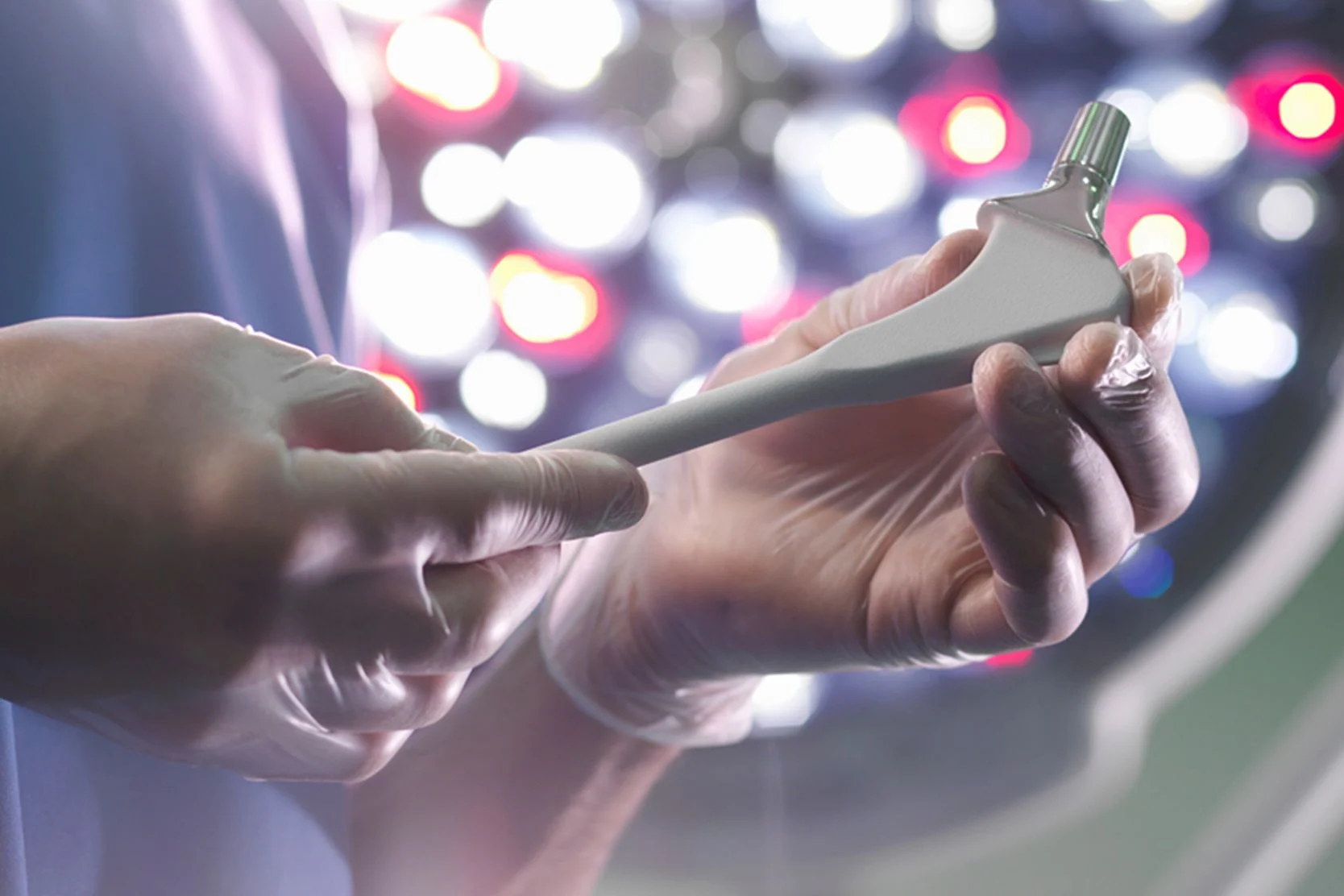
Hip Replacement
The hip is one of the biggest working joints of the body. Hip problems can seriously impact your entire body and your ability to perform normal activities.
Related services & treatments
Specialties
- Orthopedic Surgery
- Joint Replacement Surgery
- Hip and Knee Orthopedic Surgery
- Hip Orthopedic Surgery
- Orthopedic Physical Therapy
Treatments
- Hip Preservation
- Hip Joint Injection
- Total Hip Replacement
- Hip Surgery
Support services

Case Management and Social Work
Connect with a team that can help you find resources, solve problems and advocate for you during treatment at UCSF.
Mindfulness-Based Stress Reduction Class
This eight-week class teaches mindfulness practices that can reduce stress and improve your overall health, such as meditation and body awareness.
Patient Relations
We welcome feedback about your experience at UCSF Health. Find out how to contact us with comments, questions or concerns.
Spiritual Care at UCSF
Chaplains representing many faiths are available around the clock to provide support, comfort and counsel to patients, families and caregivers.
UCSF Health medical specialists have reviewed this information. It is for educational purposes only and is not intended to replace the advice of your doctor or other health care provider. We encourage you to discuss any questions or concerns you may have with your provider.