
Rotator Cuff Tear
On this page
Overview
Rotator cuff tears are a common injury in people over the age of 40. The rotator cuff is a group of muscles and tendons surrounding the top of the humerus (upper arm bone) and holding it in the shoulder joint. A tear may result from a single traumatic blow to the area or may develop gradually because of activities in which the arm makes repetitive overhead motions, such as tennis and swimming. The injury is more likely to occur in a person's dominant arm – the right shoulder for right-handed people and the left for lefties. A partial tear may cause pain when the arm is lifted away from the body (painful arc syndrome), and a complete tear can make it difficult to raise the arm at all.
Our approach to rotator cuff tears
UCSF is committed to helping patients with rotator cuff tears recover shoulder function and return to their favorite activities. Our team includes orthopedic surgeons, primary care sports medicine doctors, physical therapists and athletic trainers, all of whom collaborate to tailor a treatment plan to each patient's needs and goals. Keeping our team on the forefront of new therapeutic options, UCSF's nationally recognized experts in rotator cuff research lead many studies and are active in investigating the role of stem cells in rotator cuff muscle regeneration.
Treatment for a rotator cuff tear depends on the injury's cause and severity. We usually begin with a plan that combines rest, anti-inflammatory medications and physical therapy. Some patients benefit from a steroid injection to bring down inflammation.
Some tears require surgical repair, which we perform using minimally invasive techniques. For patients with serious damage or degenerative conditions, we may surgically replace portions of the shoulder joint with a metal and plastic implant (reverse shoulder replacement).
Signs & symptoms
People with rotator cuff tears may experience:
- Recurrent or constant pain, particularly when lifting the arm overhead
- Pain at night that makes it difficult to sleep on the affected side
- Muscle weakness, especially when trying to lift the arm
Diagnosis
To diagnose this injury, a doctor takes the patient's medical history, performs a physical exam and evaluates shoulder X-rays. An MRI is often used to determine the extent of an injury and plan for surgery, if needed.
Treatments
For most patients, the initial treatment involves:
- Rest. If the tear resulted partly from overuse, resting the shoulder may help.
- Nonsteroidal anti-inflammatory drugs (NSAIDs). Over-the-counter pain medications, such as ibuprofen, are used to ease discomfort by reducing the inflammation around the torn tendon.
- Strengthening and stretching exercises. Physical therapy focuses on strengthening the muscles around the rotator cuff. A program can be done at UCSF or at a facility close to home.
- Corticosteroid injections. Corticosteroids can reduce pain by decreasing inflammation.
Surgery
For patients who don't improve enough with nonsurgical treatment, surgery is an option. It also may be the best first option for patients whose injury occurred in a sudden single event, such as a fall or car accident.
A majority of rotator cuff repairs are performed arthroscopically at the UCSF Orthopaedic Institute. (An arthroscope is an endoscope for use in joints.) The surgery involves inserting slender instruments and a tiny camera through several small incisions around the shoulder. "Bone anchors" are then used to reattach the rotator cuff where it belongs. Made of metal, plastic or sutures, the anchors hold the rotator cuff in place while the tissues heal. Patients are under general anesthesia (completely asleep) and given a nerve block (an injection that interrupts pain signals in the area), which lessens post-op pain. The surgery typically takes 60 to 90 minutes.
Sometimes a torn rotator cuff cannot be repaired, yet these patients still have several options, such as shoulder replacement surgery. UCSF is a national leader in research to improve shoulder surgery techniques and in performance of reverse shoulder replacement, which may be the best option for patients with shoulder arthritis as well as a rotator cuff tear.
Recovery
Recovery from rotator cuff repair is a relatively slow process. Patients are typically in a sling for six weeks to allow the tendon to heal and reattach. During that time, patients shouldn't drive, and their physical therapy regimen is limited to passive range-of-motion exercises, which keep the joint from becoming stiff while protecting the repair.
At week six, the sling is removed, and patients begin doing active range-of-motion exercises without weights. They can also begin jogging and doing other lower body exercises. At week 12, physical therapy starts to focus on strengthening moves, with the program completed around the fourth month post-op. A full return to activities is allowed between five and six months post-op, with the repair considered totally healed at six months.
Frequently asked questions
Awards & recognition
Best in Northern California and No. 6 in the nation for orthopedic care

Recommended reading

Post-Shoulder Replacement Surgery Exercises
Try these five exercises to help restore mobility and strength in your arm after shoulder replacement surgery.
Recovering from Shoulder Replacement Surgery
Learn what to expect while you recover from shoulder replacement surgery, including sling use, physical therapy and caring for yourself at home.
More treatment info
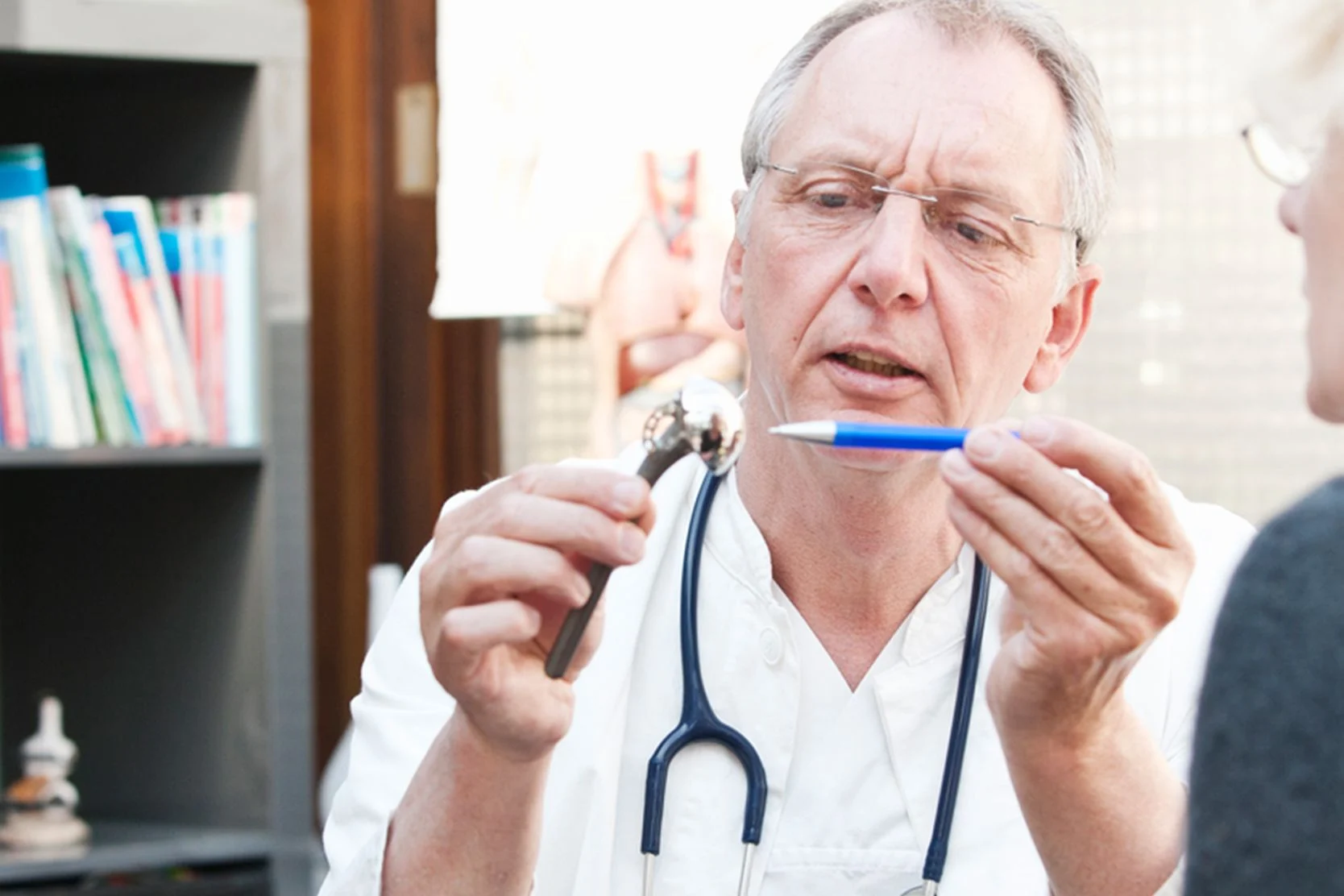
Shoulder Replacement
Total shoulder replacement surgery replaces your shoulder's damaged bone and cartilage with a metal and plastic implant. Find out more.
Related services & treatments
Specialties
- Shoulder and Elbow Orthopedic Surgery
- Orthopedic Surgery
- Physical Therapy
- Sports Physical Therapy
Conditions
- Rotator Cuff Injury
Treatments
- Rotator Cuff Repair
- Arthroscopy of Shoulder
- Shoulder Injection
- Orthopedic Rehabilitation
- Total Shoulder Replacement Surgery
- Cortisone Injection
Support services
Case Management and Social Work
Connect with a team that can help you find resources, solve problems and advocate for you during treatment at UCSF.
Mindfulness-Based Stress Reduction Class
This eight-week class teaches mindfulness practices that can reduce stress and improve your overall health, such as meditation and body awareness.
Patient Relations
We welcome feedback about your experience at UCSF Health. Find out how to contact us with comments, questions or concerns.
Spiritual Care at UCSF
Chaplains representing many faiths are available around the clock to provide support, comfort and counsel to patients, families and caregivers.
UCSF Health medical specialists have reviewed this information. It is for educational purposes only and is not intended to replace the advice of your doctor or other health care provider. We encourage you to discuss any questions or concerns you may have with your provider.