
Patellofemoral Pain Syndrome
On this page
Overview
The kneecap, or patella, is a small triangular bone at the front of the knee that moves as the joint bends. It glides up and down along a track at the end of the thighbone (femur) and gives the front thigh muscles (quadriceps) leverage for straightening the leg. The patella also protects the joint during collisions and falls.
Patellofemoral pain syndrome occurs when the patella cartilage is stressed by overuse or poor alignment. High-impact sports – such as football, basketball, soccer, tennis and running – can overtax the cartilage or aggravate existing abnormal kneecap alignment. In addition, running on uneven surfaces, such as hills or trails, or playing a sport on a different surface than usual, such as a hard tennis court rather than a grass court, may increase the likelihood of patellofemoral pain.
Patellofemoral pain syndrome may indicate that the protective cartilage under the kneecap is wearing down, which can eventually lead to bone loss and arthritis.
Our approach to patellofemoral pain syndrome
This condition responds best to a team-based approach, with experts collaborating to ensure that each patient regains normal knee mechanics, strength and function. Our world-class team of orthopedic surgeons, primary care sports medicine doctors, physical therapists and athletic trainers works with you to address your specific condition and meet your goals.
Signs & symptoms
The most common symptom of patellofemoral pain syndrome is a dull ache under the kneecap while walking down stairs, squatting or getting up after sitting for a long time. In addition, your knee may catch when bending, and you may experience a painful grating or creaking sensation.
Although many physically active people notice symptoms when starting a new activity or increasing their level of intensity, people who don't exercise may also experience patellofemoral pain simply doing their daily activities.
Diagnosis
After discussing your symptoms and physical activities, your doctor will examine the knee area. In one quick test, the doctor moves your kneecap to see how well it tracks as you flex and extend your leg. After this brief exam, your doctor most likely will know whether your discomfort is due to patellofemoral pain syndrome or another knee problem. You also may be asked about any other conditions you have, such as diabetes and allergies, and whether you're currently taking any medications.
Should your doctor require a closer look, the following tests may be ordered:
- X-rays. Taking images from different angles can show when your kneecap goes off track.
- Magnetic resonance imaging (MRI). This valuable tool can reveal whether your pain is due to bone, cartilage or muscle problems.
- Arthroscopy. During this test, the doctor inserts an arthroscope – an instrument with a tiny camera – into your knee to visualize details about the joint. This is done on an outpatient basis and causes minimal discomfort.
Treatments
The vast majority of people – as high as 90 percent – recover fully from patellofemoral pain and are able to resume their previous activities. Most active people respond to nonsurgical treatments. Surgery is considered only in rare cases when patients haven't experienced relief from rest, use of a brace and physical therapy.
If your kneecap isn't tracking properly, your doctor will prescribe a well-supervised physical therapy program lasting six weeks to six months, depending on the degree of misalignment. You'll learn specific movements for strengthening the knee, hamstring and calf muscles, and to prevent recurrence of the problem, you'll probably need to continue doing these exercises for life.
Awards & recognition

Among the top hospitals in the nation

Best in Northern California and No. 6 in the nation for orthopedic care
Recommended reading

Knee Injuries in Women: Tips for Prevention and Healing
Explore expert insights and research-backed guidance for preventing knee injuries in women, including meniscus and ACL tears.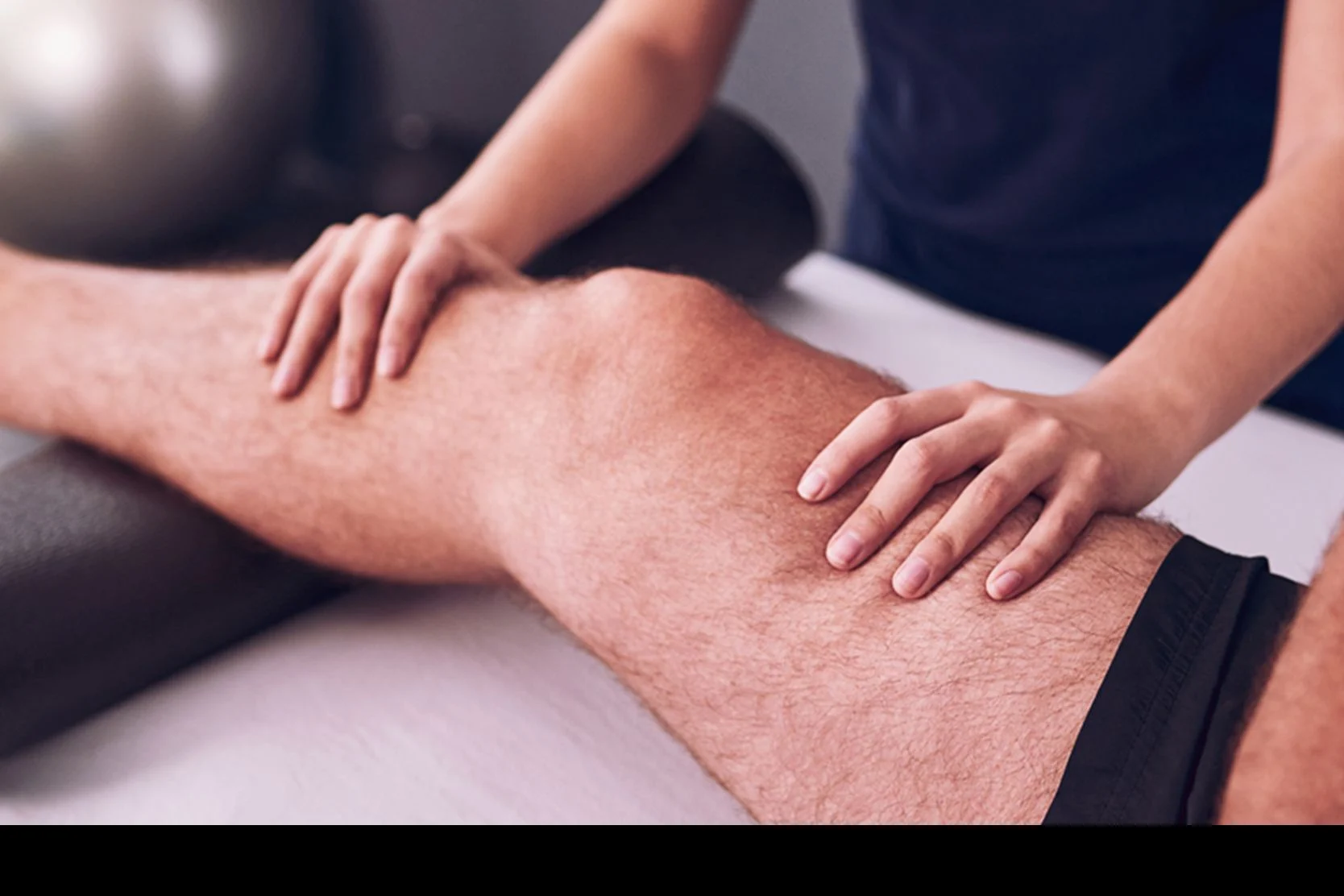
After Surgical Kneecap Alignment
Learn what to expect as you recover from kneecap realignment surgery, including physical therapy, pain management and follow-up care.
Patellofemoral Surgery
Learn how our surgeons treat patellofemoral pain syndrome using a tailored surgical approach.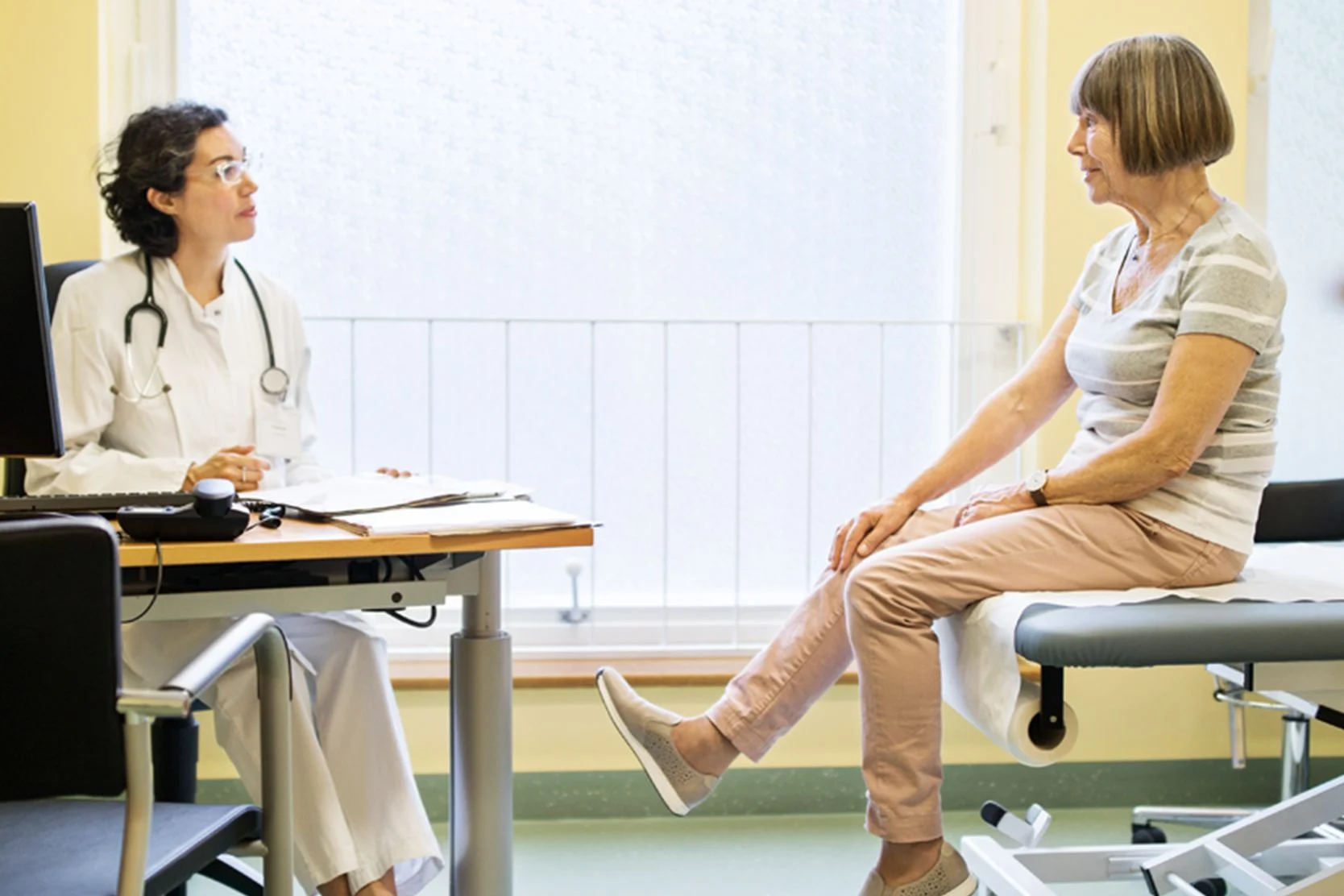
Preparing for Surgical Kneecap Alignment
Here are eight tips to help you prepare for surgical kneecap realignment and what to expect during your recovery.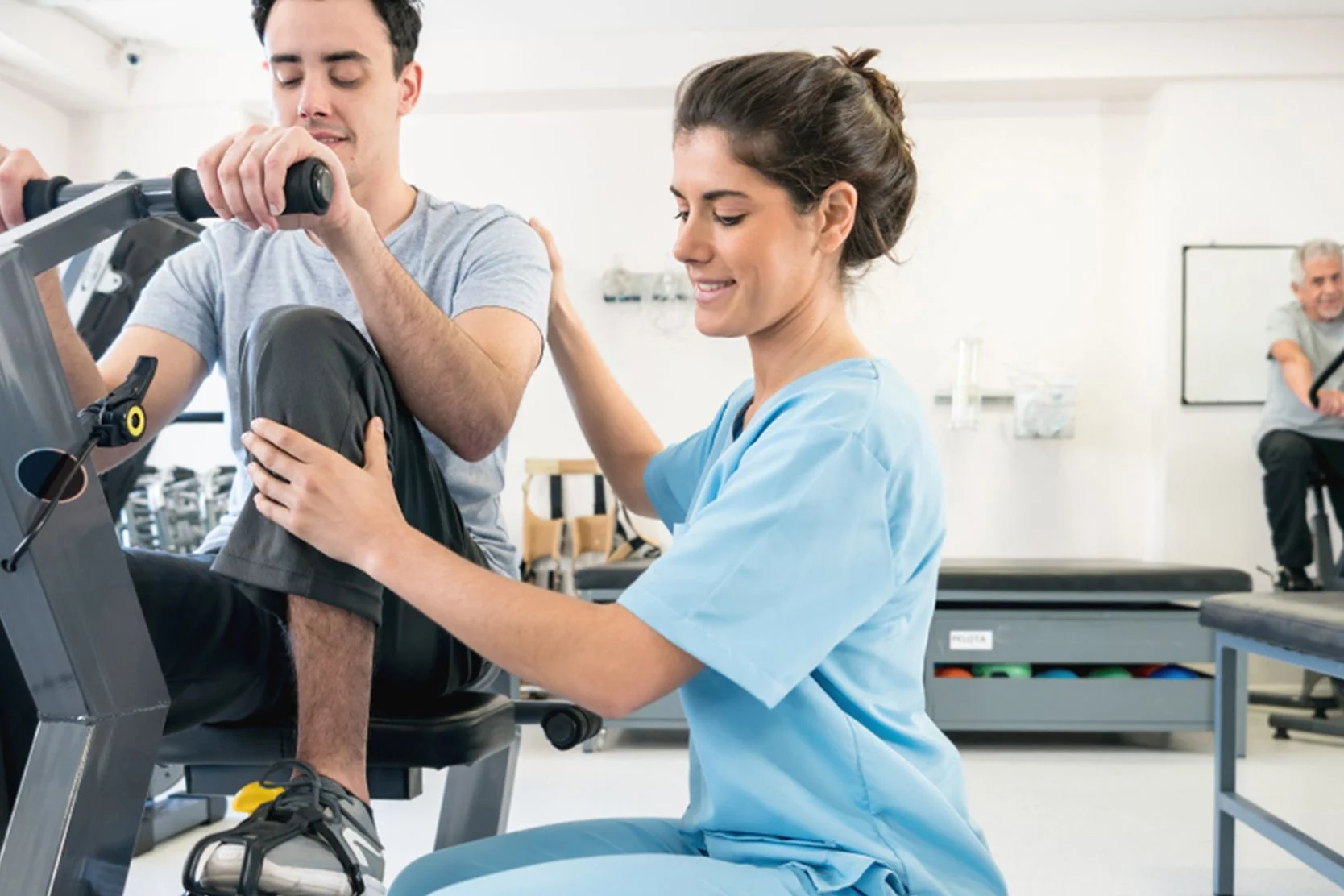
Preventing Future Patellofemoral Pain
Patellofemoral pain can return after surgical kneecap realignment surgery. Follow these guidelines to protect your knee and reduce the risk of re-injury.
Take Care of Your Knees
Sometimes joint injuries are unavoidable, but there are steps you can take to care for your knees. Get five tips to protect and strengthen your knees.
Related services & treatments
Specialties
- Sports Medicine
- Orthopedic Surgery (Adult Reconstruction)
- Physical Therapy
Treatments
- Knee Joint Preservation
- Knee Cartilage Repair
- Sports Injury Rehabilitation
- Orthopedic Rehabilitation
Support services

Case Management and Social Work
Connect with a team that can help you find resources, solve problems and advocate for you during treatment at UCSF.
Mindfulness-Based Stress Reduction Class
This eight-week class teaches mindfulness practices that can reduce stress and improve your overall health, such as meditation and body awareness.
Patient Relations
We welcome feedback about your experience at UCSF Health. Find out how to contact us with comments, questions or concerns.
Spiritual Care at UCSF
Chaplains representing many faiths are available around the clock to provide support, comfort and counsel to patients, families and caregivers.
UCSF Health medical specialists have reviewed this information. It is for educational purposes only and is not intended to replace the advice of your doctor or other health care provider. We encourage you to discuss any questions or concerns you may have with your provider.