
Pregnancy
On this page
Overview
Pregnancy is broken into three time periods, called trimesters. Most women feel differently, both physically and mentally, during each trimester. In addition to weight and body shape, other alterations in your body chemistry and function also take place during pregnancy. Your heart works harder, your temperature registers slightly higher, body secretions increase, joints and ligaments are more flexible and hormones are altered.
Mood changes also are common, resulting from a combination of hormonal changes and greater fatigue, as well as normal anxiety over body image, sexuality, finances, partner roles and impending parenthood.
For the vast majority of women, pregnancy follows a fairly routine course. Some women, however, have complications or challenges related to their health or the health of their baby. These women experience what is called a high-risk pregnancy.
Signs to watch For
Although there are many symptoms that are a normal part of pregnancy, there are certain danger signs that may indicate problems. You should notify your doctor immediately if you experience any of the following:
- Persistent vomiting
- Chills or fever
- Continuous pain
- Burning with urination
- Blurred vision
- Continuous headache
- Sudden swelling of the hands or face
- Five or more uterine contractions per hour
- Decreased fetal movements
- Leaking of fluid from the vagina (blood or water). If you have vaginal bleeding at any time during your pregnancy, have someone call your doctor immediately.
Our approach to pregnancy
UCSF provides world-class care for women who are pregnant or considering becoming pregnant. Each pregnancy is unique. That's why collaboration with individuals is the core of our approach. We listen to your needs, provide information and support, and guide you through the process of having a child, from the early stages of family planning through pregnancy, delivery, postpartum recovery and beginning life as a new parent.
Our team of obstetricians, perinatologists (specialists in maternal-fetal care) and nurse-midwives has the expertise and compassion to care for all pregnancies and deliveries, from the routine to the highest risk. UCSF has a family-oriented, state-of-the-art birth center, where birthing suites are equipped with a spa-style bathtub, a dedicated family area and a media wall for education and entertainment. Should you or your baby need special care, we provide a seamless transition to renowned specialists and one of the nation's finest intensive care nurseries.
In addition to patient care in the clinic, we offer a variety of other resources, such as classes and support groups, to help you navigate pregnancy, childbirth and parenting.
The three trimesters
Pregnancy has three trimesters, each of which is marked by specific fetal developments. A pregnancy is considered full-term at 40 weeks; infants delivered before the end of week 37 are considered premature. Premature infants may have problems with their growth and development, as well as difficulties in breathing and digesting.
First trimester (0 to 13 weeks)
The first trimester is the most crucial to your baby's development. During this period, your baby's body structure and organ systems develop. Most miscarriages and birth defects occur during this period.
Your body also undergoes major changes during the first trimester. These changes often cause a variety of symptoms, including nausea, fatigue, breast tenderness and frequent urination. Although these are common pregnancy symptoms, every woman has a different experience. For example, while some may experience an increased energy level during this period, others may feel very tired and emotional.
Second trimester (14 to 26 weeks)
The second trimester of pregnancy is often called the "golden period" because many of the unpleasant effects of early pregnancy disappear. During the second trimester, you're likely to experience decreased nausea, better sleep patterns and an increased energy level. However, you may experience a whole new set of symptoms, such as back pain, abdominal pain, leg cramps, constipation and heartburn.
Somewhere between 16 weeks and 20 weeks, you may feel your baby's first fluttering movements.
Third trimester (27 to 40 weeks)
You have now reached your final stretch of pregnancy and are probably very excited and anxious for the birth of your baby. Some of the physical symptoms you may experience during this period include shortness of breath, hemorrhoids, urinary incontinence, varicose veins and sleeping problems. Many of these symptoms arise from the increase in the size of your uterus, which expands from approximately 2 ounces before pregnancy to 2.5 pounds at the time of birth.
Prenatal care
Expert prenatal care ensures that both you and your baby are as healthy as possible throughout your pregnancy.
If you think you're pregnant, contact your doctor to make an appointment and establish your prenatal care schedule. Many factors determine the number of visits you'll have, including your personal health and your doctor's preference.
At prenatal visits, we test you and your baby to identify any potential risks, treat any complications, and monitor your baby's growth and development. Additional prenatal care may be needed if you have preexisting medical conditions, such as diabetes, or if complications arise during your pregnancy.
If your pregnancy is going well, visits are planned around key pregnancy developments and tests. Visits are also a time for your doctor to give you important information as your pregnancy progresses and help you prepare for giving birth.
Here's a guide to the most common prenatal tests, including when they happen and what you can expect.
Genetic carrier screening
Timing: Before or during pregnancy
How it works: A blood test is done to see whether you're a carrier of a genetic change that could raise your baby's risk for a genetic condition. Two conditions commonly screened for are cystic fibrosis and spinal muscular atrophy.
California Prenatal Screening Program (CA PNS)
CA PNS screening is a combination of these two blood tests, performed at different stages of pregnancy:
- Cell-free DNA screening (also called noninvasive prenatal testing or NIPT) is done at 10 weeks of pregnancy or later to determine a baby's risk for Down syndrome and two other syndromes, trisomy 18 and trisomy 13. It can also predict the sex of your baby.
- A maternal serum alpha-fetoprotein (MASFP) screening is done between 15 and 21 weeks of pregnancy to assess the risk for abnormalities of the spine (neural tube defects) or abdomen (abdominal wall defects).
Nuchal translucency test
Timing: Usually between 12 and 14 weeks of pregnancy, at the first trimester screening
How it works: An abdominal ultrasound measures the amount of fluid behind the baby's neck to look for certain genetic conditions as well as structural problems, such as heart defects. Extra fluid in that area indicates a higher risk of chromosome abnormalities, birth defects and genetic conditions.
Chorionic villus sampling (CVS)
Timing: Usually between 10 and 13 weeks of pregnancy
How it works: A small sample of the placenta is taken and sent for testing to identify any chromosomal or genetic disorders. (Not everyone who is pregnant chooses to have CVS.)
Amniocentesis
Timing: Usually between 16 and 22 weeks of pregnancy
How it works: The doctor takes a small sample of the amniotic fluid surrounding your baby. Genetic testing of that fluid can identify chromosomal or genetic disorders as well as neural tube defects. (Not everyone who is pregnant chooses to have amniocentesis.)
Early fetal anatomy examination
Timing: Usually between 12 and 14 weeks of pregnancy
How it works: Like the level 2 anatomy ultrasound done in the second trimester, the first-trimester ultrasound examines many physical aspects of your baby's body and includes additional imaging, such as the evaluation done in a nuchal translucency ultrasound. It's usually recommended for high-risk patients, such as those who are carrying a baby with a suspected abnormality, had high-risk findings on a genetic screening test, or had a previous pregnancy with fetal abnormalities.
Anatomy ultrasound (level 2)
Timing: Around 20 weeks of pregnancy
How it works: An "anatomic survey" examines many aspects of your baby's body, including the heart, brain, spine, limbs and certain other organs. The anatomy ultrasound visit also includes an assessment of the placenta and of your uterus and cervix.
Glucose tolerance test
Timing: Usually between 24 and 28 weeks of pregnancy
How it works: This test measures the level of sugar (glucose) in your blood. An abnormally high blood sugar level may be a sign of gestational diabetes, a type of diabetes that can develop during pregnancy and requires monitoring.
Fetal monitoring
How it works: Your doctor may want to monitor your baby's heart rate (using an ultrasound transducer) and measure uterine contractions (using a device called a toco transducer).
Group B strep testing
How it works: Doctors routinely take a sample from your vagina and rectum during pregnancy to test for group B streptococcus ("group B strep") bacteria.
Group B strep bacteria can cause infections during pregnancy and lead to complications and even death for a newborn if transmitted during delivery. Fortunately, the infection can easily be treated with antibiotics during pregnancy.
Labor and delivery
Labor is a series of progressive and continuous contractions of the uterus that help the cervix to open and thin, allowing the baby to travel through the birth canal. Labor usually starts within two weeks before or after your estimated delivery date. However, this can vary widely.
Labor and delivery are hard work and involve some discomfort. The level of discomfort experienced during childbirth varies from woman to woman and from pregnancy to pregnancy. Each woman chooses a different way to experience her birth — some prefer to go through it without medication, while others choose to have medication or anesthesia. Many decide to "see how it goes" and make choices as their labor unfolds.
We offer a spectrum of options for managing your pain during labor and delivery. You will be assigned to your own nurse during your stay in the birthing suite. He or she will help keep you comfortable and guide you through non-drug approaches to pain management, such as whirlpool soaks and position changes.
Pain management
Non-medical approaches for labor and vaginal birth
The Birth Center rooms provide a number of options for comfort during labor including space to move around, tubs for soaking, rocking chairs and beds that convert into different positions.
Relaxation and breathing techniques ease the discomfort for many, as does the presence of family and friends and the support of health care providers. Comfort measures can be learned from classes, books or videos available through UCSF's Great Expectations Pregnancy Program.
Medical approaches for labor and vaginal birth
- Narcotic Injections of a narcotic can be given intravenously (through an IV) during labor. The narcotic works quickly and can be given every hour during labor. However, it is not given immediately before delivery to ensure that the effects will have worn off before the baby is born. For some women, this medication takes the edge off and allows them to rest and relax between contractions.
- Nitrous oxide gas This is the same gas that is used at the dentist, and can be inhaled during contractions through a mask you hold. The gas can lessen but not eliminate the pain of labor. The effect occurs only while the gas is being inhaled and disappears rapidly when the mask is removed. It can be used through delivery.
- Epidural anesthesia An epidural offers the most complete pain relief during labor and birth. A tiny tube or catheter is placed through a needle into a space (the "epidural space") outside the spinal cord sac in the lower back. The needle is removed and the tubing is taped in place. Similar to an IV, medication is given continuously through the tube during labor and birth. The medication blocks the pain of contractions. Because of the numbness produced by the epidural, a woman with an epidural cannot get out of bed. Most women take the opportunity to get some rest. A "walking epidural" — also called a "combined spinal-epidural" — is a technique that allows a woman to continue to move around while receiving a lighter form of medication.
Our anesthesiologists are available to the Birth Center 24 hours a day. The anesthesiologist on-call meets every woman who is admitted in labor regardless of whether she is planning anesthesia for her birth. The purpose of this visit is two-fold: To learn of any medical problems you may have in the unlikely event of an emergency, and to answer any questions you may have about the pros and cons of medical approaches to pain relief during labor.
Caesarean birth
When a Caesarean is needed
While most women will have a vaginal delivery, some may need abdominal surgery referred to as Caesarean section. Most often women have a Caesarean birth when labor does not progress — the cervix does not completely dilate or the baby cannot be pushed out — over a long period of time. It is a decision made by the woman and her doctor when both feel everything else has been tried and this is the only alternative.
Sometimes a Caesarean birth is planned. Situations that might require a scheduled Caesarean include:
- Breech position
- Previous Caesarean section
- Placenta previa, when the placenta is covering the cervix
Rarely, Caesarean birth is due to an emergency situation that endangers the woman's or her baby's health. In these situations, there is no time to wait for the regular process of labor and the decision to perform a Caesarean section must be made very quickly. Indications for an emergency Caesarean may include:
- Maternal bleeding
- The baby being in distress
Anesthesia for Caesarean section
For a planned or non-emergency Caesarean, an epidural or spinal anesthesia is the anesthesia of choice. This allows the woman to be awake and able to see her baby immediately after birth. In an emergency situation, the woman would be put to sleep using general anesthesia. This is the fastest anesthesia to administer when time is of the essence.
If the woman is awake, a support person can be with her for the birth. If general anesthesia is used and the woman is asleep, support people need to wait in the labor room or waiting room until the surgery is completed.
Caesarean procedure and recovery
Most often, the doctor will make a low transverse incision — a "bikini cut" — both on the skin, just above the pubic hair, and on the uterus itself. This is a preferable cut for both comfort and recovery. Occasionally an "up and down" or vertical incision is made on the skin, uterus, or both. This is a faster cut and may be used in an emergency. The size and position of your baby also may determine the need for this kind of incision.
Recovery from surgery takes longer than recovery from a vaginal birth. Usually it requires an extra night or two in the hospital, for a total of three to four nights, and more help at home in the first few weeks.
Many women choose to attempt a vaginal birth after Caesarean, called VBAC, and many will succeed. Every woman who has had a Caesarean will need to discuss the subject of VBAC with her provider. Many factors — including the reason for the Caesarean, the type of incision and the number of prior Caesareans — will influence the safety of VBAC.
Birth plans
You will be provided with a Birth Plan, a form asking about your preferences for delivery. This promotes communication with your health care provider and helps them meet your individual needs. You will complete your Birth Plan and discuss it with your health care provider at your 34 to 36 week visit.
Make photocopies of your Birth Plan. Give one to your health care provider to put in your medical record, and bring one with you when you come to the hospital in labor.
Awards & recognition
One of the nation’s best for obstetrics & gynecology

Rated high-performing for maternity care – uncomplicated pregnancy by U.S. News & World Report

Excellence in supporting breastfeeding

Recommended reading

Anemia and Pregnancy
During the last half of pregnancy, your body makes more red blood cells, which can cause anemia. Discover symptoms of anemia and how to prevent it.
Birth Center Tour
Explore our birth center, combining expert care in a warm, family-like environment. Learn what to expect before, during and after delivering your baby.
Coping With Common Discomforts of Pregnancy
Learn about common discomforts you may experience during pregnancy and how to cope with them, including nausea, constipation, fatigue and heartburn.
Diabetes in Pregnancy
Learn about diabetes diagnosed during pregnancy (gestational diabetes), including blood sugar control, diet tips and what to expect after your baby is born.
Dietary Recommendations for Gestational Diabetes
If you have gestational diabetes (GD, diabetes diagnosed during pregnancy), diet changes help maintain healthy blood sugar levels. Get dietary guidelines.
Domestic Violence and Pregnancy
Experiencing domestic violence during pregnancy harms you and your baby. View a list of community resources to help you develop a safety plan.
Eating Right Before and During Pregnancy
Fuel your body with the nutrients it needs before and during pregnancy. Follow these dietary guidelines during preconception and pregnancy.
Exercise During Pregnancy
Moderate exercise during pregnancy is beneficial for most people. Find out how to exercise safely during pregnancy.
FAQ: Prenatal Tests
Find answers to common questions about prenatal testing, including the difference between prenatal screenings and prenatal diagnostic tests.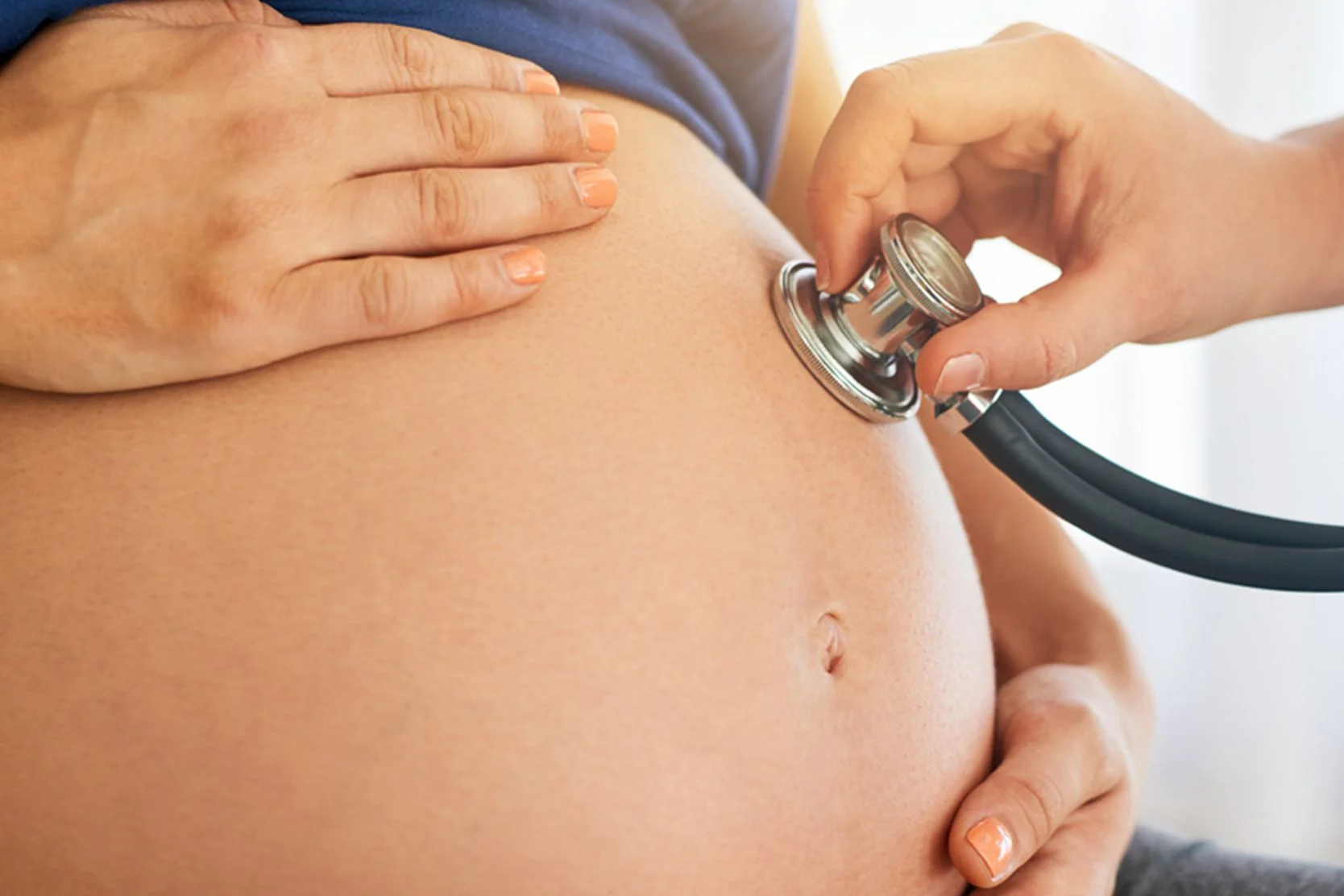
Frequently Asked Questions About Zika Virus
Learn about the Zika virus, how it's transmitted and how to protect yourself, especially important if you're pregnant.
Gestational Diabetes: Counting Carbs
Counting carbohydrates due to gestational diabetes? Simplify menu planning with these meals that contain 30 grams of carbs.
HIV and Pregnancy
If you’re pregnant, you should know if you have HIV to keep you and your baby healthy. Learn more about HIV testing during pregnancy and why it's important.
Recognizing Premature Labor
Premature labor happens between the 20th and 37th week of pregnancy. Know the signs of premature labor and what to do if you think you might have symptoms.
Sex During Pregnancy
The pregnancy may alter how a woman and her partner feel about making love, and differences in sexual need may arise. Learn more here.
Substance Use During Pregnancy
Using certain substances during pregnancy can harm you and your baby. Understand the effects of alcohol, tobacco, cannabis and other substances.
Related programs

Centering Pregnancy Program
Find pregnancy support, education and outstanding group prenatal care through our Centering Pregnancy Program.
Midwifery Care
More and more women are choosing to place their prenatal care, labor and delivery in the hands of a midwife, usually in a hospital rather than at home.
Related services & treatments
Specialties
- Obstetrics
- Maternal and Fetal Medicine
- Midwifery
- Obstetrics and Gynecology
Conditions
Treatments
- Antepartum and Postpartum Care
- Labor and Delivery
- Postpartum Care
- Pregnancy Counseling
Support services

Case Management and Social Work
Connect with a team that can help you find resources, solve problems and advocate for you during treatment at UCSF.
Great Expectations Pregnancy Classes
Get ready for the baby! Choose from a variety of classes that prepare moms and partners for pregnancy, birth, baby care, breastfeeding and parenting.
Lactation Consultant Support
Get support for all your breastfeeding needs. Troubleshoot with a lactation consultant, find equipment and supplies, join a support group and more.
Mindfulness-Based Stress Reduction Class
This eight-week class teaches mindfulness practices that can reduce stress and improve your overall health, such as meditation and body awareness.
Patient Relations
We welcome feedback about your experience at UCSF Health. Find out how to contact us with comments, questions or concerns.
Spiritual Care at UCSF
Chaplains representing many faiths are available around the clock to provide support, comfort and counsel to patients, families and caregivers.
Stop Smoking/Vaping/Chewing Class
Get help quitting. Our tobacco addiction specialists will guide you through a four-week course on smoking, health and how to quit.
Women's Health Resource Center
Access free health resources here, from classes and webinars to support groups and medical referrals, plus pregnancy, birth and breastfeeding services.
UCSF Health medical specialists have reviewed this information. It is for educational purposes only and is not intended to replace the advice of your doctor or other health care provider. We encourage you to discuss any questions or concerns you may have with your provider.