
Scoliosis
On this page
Overview
Scoliosis is a curvature of the spine that occurs most often in adolescents, but adults develop the condition too. An estimated 60 percent of the older population have what is known as adult scoliosis. As people live longer and are more active, this number is expected to increase.
Adult scoliosis is most common in people between the ages of 50 and 80. It is characterized by a side-to-side curvature of the spine caused by degeneration of the spine's facet joints, which act as hinges to help the spine bend.
As people age, the cartilage that protects the joints may develop arthritic changes, causing the joints to become irritated and inflamed resulting in back and leg pain. Some adults had childhood scoliosis that worsened with age or was untreated in their youth.
Spinal curvature is measured in degrees. Unlike the slow progression of adolescent scoliosis, adult scoliosis can remain the same, can progress slowly and can progress at higher rates of more than 3 degrees a year. Often, the condition causes significant physical pain and can impact quality of life.
Our approach to scoliosis
UCSF is home to one of the largest centers in the country dedicated to evaluating and treating spinal disorders such as scoliosis. Patients have access to the most up-to-date diagnostic imaging techniques and to innovative treatments that are not widely available. Our team includes world-renowned specialists in neurosurgery, orthopedic surgery, neurology, pain management, physical therapy, psychiatry, radiology and rheumatology. These experts work together to personalize a plan for each patient.
Treatment for scoliosis usually begins with physical therapy to stabilize the spine and medications to manage pain. Patients who do not respond to these treatments may require spinal surgery. Our team’s expertise in state-of-the-art surgical repair and rehabilitation results in less time under anesthesia, faster recovery and, ultimately, improved quality of life.
Signs & symptoms
Mid to lower back pain and back stiffness are often the first symptoms of degenerative adult scoliosis.
Other symptoms include:
- Curved posture
- Difficulty sitting or standing
- Difficulty walking due to loss of leg muscle coordination
- Humpback
- Leaning towards one side
- Nerve damage, causing weakness, numbness and pain in legs and feet
- Protruding rib
- Reduction in height due to a curved spine
- Shortness of breath and fatigue, caused by an upper spine curve
- Spinal stiffness
Diagnosis
To make a diagnosis, a spine specialist will record your medical history, including information about your symptoms, previous treatments and family history of scoliosis.
A physical examination will include tests to measure your range of motion, balance, reflexes, muscle strength, sensation and neurologic function.
Standing X-rays, from the front and side, will be taken to document the curvature of your spine and to determine how fast the curve is progressing.
MRIs and CT scans may be performed to determine the health of the discs above and below your curve and to determine if there is any nerve compression.
Treatments
Treatment usually begins with physical therapy and medications, including:
- Anti-inflammatory medications and occasional mild narcotics for pain relief
- Epidural steroid injections to relieve leg pain
- Physical therapy to stabilize the spine
Surgery
For patients whose back or leg pain doesn't respond to medication and physical therapy, surgery may be considered. Spinal surgery to treat adult scoliosis is complex, considering the average patient's age and the possibility of other medical conditions, such as osteoporosis, but a patient's age should not rule out surgery.
Research has shown that age is not as important as a person's health in determining the success of the surgery and rate of recovery. Patients considering surgery are encouraged to adapt a healthy diet and weight, and participate in an exercise regimen before and after surgery.
Spinal fusion surgery
Spinal fusion surgery may be recommended for patients who have pain despite other treatments.
Fusion surgery is performed to fuse the vertebrae so the spine can't bend. This stabilizes the spine, preventing excessive motion and collapse. Surgery also corrects the deformity, when needed. The goal is to correct the curve by 50 percent or more.
Other procedures
In some cases a more minimally invasive approach may be possible. Corrective surgery may require less significant bone cutting when combined with an advanced procedure called the transpsoas approach. This procedure differs from traditional approaches because the surgeon accesses the space between the discs from a patient's side, rather than from the front or back, sparing major back muscles, bones and ligaments from an incision.
The transpsoas approach enables a surgeon to correct a side-to-side curvature and improve the front to back balance, known as sagittal balance. Restoring sagittal balance is perhaps the single most important factor contributing to a good outcome following treatment for adult scoliosis.
One of these procedures, involving an incision on the patient's side, is called extreme lateral interbody fusion.
The UCSF Spine Center specializes in treating complex cases of scoliosis in adults, using state-of-the-art surgical repair and rehabilitation, which results in limited anesthesia, quicker patient mobilization and recovery, and ultimately improved quality of life.
UCSF Spine Center
Doctors at the UCSF Spine Center are experts in the surgical repair and rehabilitation for adult scoliosis, including high-risk cases. Our team is part of a high volume service with over 10 years of experience and over 150 medical research papers published on adult spinal deformity.
Treatment advances at UCSF, including minimally invasive surgical approaches, advanced neuromonitoring techniques and 3-dimensional imaging, allows for limited anesthesia, quicker patient mobilization and recovery and ultimately improved quality of life. We also perform "co-surgery," in which two spine surgeons operate together on a patient, rather than just one surgeon. UCSF is one of only a few centers in the country to offer this approach. Research by UCSF doctors, published in the January 2013 issue of Spine Deformity, found that co-surgery for complex spinal disorders results in reduced surgical times, blood loss and complications for certain complex cases.
Awards & recognition
Best in Northern California and No. 6 in the nation for orthopedic care
Best in the West and No. 2 in the nation for neurology & neurosurgery

Rated high-performing hospital for spinal fusion surgery

Related services and treatments
Specialties
Treatments
- Spine Deformity Correction Surgery
- Spine Fusion
- Lumbar Spine Fusion
- Interventional Pain Management
- Orthopedic Rehabilitation
- Scoliosis Surgery
More treatment info
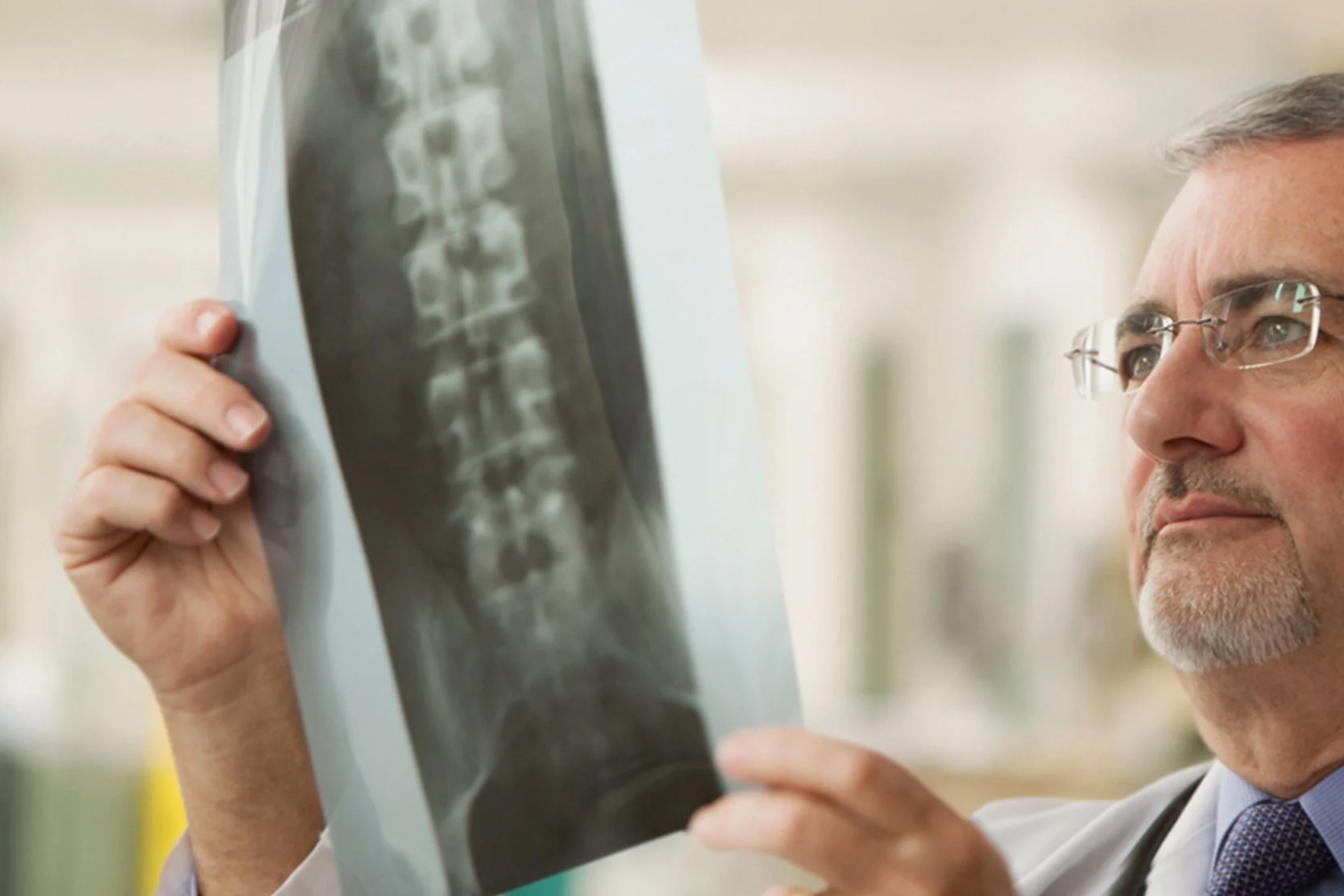
Extreme Lateral Interbody Fusion (XLIF)
Extreme lateral interbody fusion (XLIF) is a minimally invasive procedure to treat spinal disorders and reduce long-term back or leg pain.Learn more here.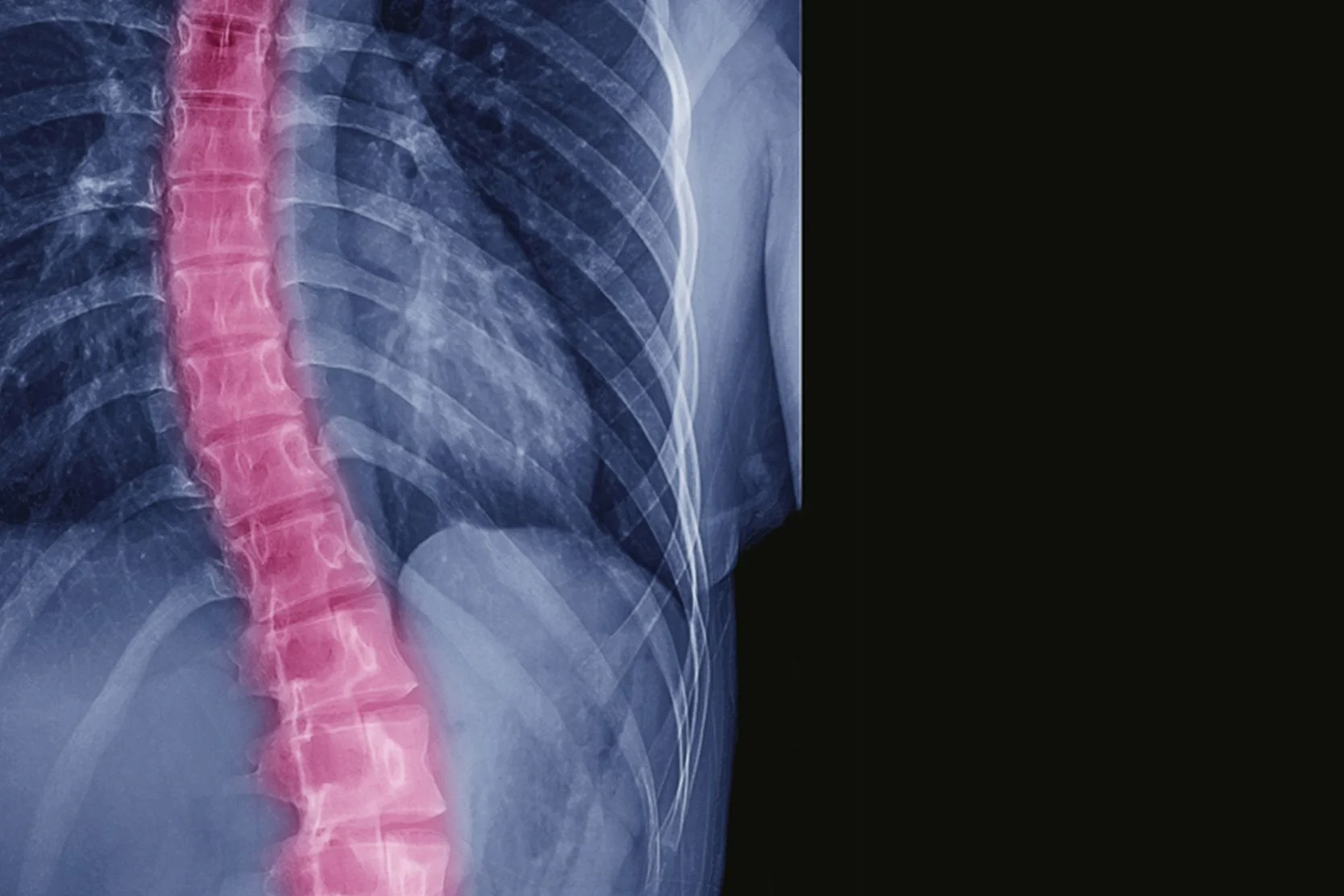
Spinal Fusion Surgery for Scoliosis
The goal of spinal surgery for scoliosis is to fuse the vertebrae so the spine cannot bend and to correct deformity. Find more treatment information here.
Support services

Case Management and Social Work
Connect with a team that can help you find resources, solve problems and advocate for you during treatment at UCSF.
Mindfulness-Based Stress Reduction Class
This eight-week class teaches mindfulness practices that can reduce stress and improve your overall health, such as meditation and body awareness.
Patient Relations
We welcome feedback about your experience at UCSF Health. Find out how to contact us with comments, questions or concerns.
Spiritual Care at UCSF
Chaplains representing many faiths are available around the clock to provide support, comfort and counsel to patients, families and caregivers.
UCSF Health medical specialists have reviewed this information. It is for educational purposes only and is not intended to replace the advice of your doctor or other health care provider. We encourage you to discuss any questions or concerns you may have with your provider.