
Lumbar Stenosis
On this page
Overview
Lumbar stenosis is a narrowing of the spinal canal in the lower back, or lumbar area, characterized by radiating pain, numbness or weakness in the lower back, buttocks, legs and feet.
This narrowing of the spinal canal occurs when bone or tissue, or both, grow and reduce the openings in the spinal bones, and then squeeze and irritate the spinal cord nerves.
Our Approach to Lumbar Stenosis
UCSF is home to one of the largest centers in the country dedicated to evaluating and treating spinal disorders, such as lumbar stenosis. Patients have access to the most up-to-date diagnostic imaging techniques as well as innovative treatments that are not widely available. Our team includes world-renowned specialists in neurosurgery, orthopedic surgery, neurology, pain management, physical therapy, psychiatry, radiology and rheumatology. These experts work together to personalize a plan for each patient.
Treatment for lumbar stenosis initially focuses on alleviating the associated lower back pain. The plan may include a rest period, pain medications, physical therapy, posture adjustments and weight management. Patients who do not respond to these treatments may require surgery to widen the spinal canal. Our team's expertise in state-of-the-art surgical repair and rehabilitation results in less time under anesthesia, faster recovery and, ultimately, a better quality of life.
Signs & symptoms
Frequently, people afflicted with lumbar stenosis have varying degrees of low back pain.
The pain most often occurs during activities and may get worse when walking, standing or leaning backward. Some pain relief may occur when resting, sitting or bending forward.
Other symptoms, which typically occur in the lower back, buttocks, legs and feet, are:
- Cramping
- Numbness
- Stiffness
- Weakness
In severe cases, the condition can impact continence and sexual function.
Diagnosis
Doctors use two kinds of tests to diagnose spinal stenosis. Some of the tests are aimed at making sure there isn't another cause producing the symptoms. Others can indicate that the vertebral narrowing has occurred. After asking you questions about your symptoms, your doctor probably will check your reflexes, gait and other indicators of spinal problems.
Tests include:
- X-ray High-energy radiation is used to take pictures of the spine.
- Magnetic Resonance Imaging (MRI) An MRI provides detailed pictures of the spine that are produced with a powerful magnet linked to a computer.
- Computed Tomography (CT) Scan A CT scan uses a thin X-ray beam that rotates around the spine area. A computer processes data to construct a three-dimensional, cross-sectional image.
- Myelogram This is an X-ray of your spine taken after a special dye has been injected into the spinal column. It can show pressure on the spinal cord or problems with discs or vertebrae.
Treatments
The initial treatment for stenosis is to treat the symptoms rather than the condition itself. These treatments include:
- Medication such as aspirin or ibuprofen to relieve inflammation and pain
- Rest
- Physical therapy
- Posture changes, such as lying with the knees drawn up to the chest or leaning forward while walking, may relieve the pressure on the nerves
- Losing weight
- Corticosteroid injections to reduce inflammation and relieve pain
- A cervical collar
If several months of treatment have not improved the symptoms, and if the stenosis is severe, surgery to widen the spinal canal may be necessary. Because bone continues to deteriorate, additional treatment may be needed several years after even successful surgery. Operations used to treat stenosis include:
- Anterior Cervical Discectomy and Fusion A small incision in the front of the neck is used to access the upper spine. The ruptured or herniated disc is removed and replaced with a small bone plug, which eventually grows to connect the two adjacent vertebrae.
- Cervical Corpectomy Part of the vertebra and discs are removed and replaced with a bone graft or a metal plate and screws to support the spine.
- Decompressive Laminectory The roof of the vertebrae, called the lamina, is surgically removed. The procedure also may include removing part of the disc or fusing the vertebrae (spinal fusion).
- Foramenotomy The area where nerve roots leave the spinal canal, called the foramen, is removed. This procedure can be performed using a minimally invasive approach with an endoscope, an instrument that allows the surgeon to see inside the body through a tiny incision. The surgeon can then use other tiny incisions to perform the surgery, avoiding the discomfort and muscle atrophy associated with the traditional open technique that uses a large incision.
- Laminoplasty The compressive bone in the back of the neck is gently lifted off of the spinal cord creating a new "roof" over the spinal cord and nerve roots. This procedure effectively decompresses the spinal cord over multiple segments without the need for fusion or hardware. It also minimizes the chance of spinal instability or deformity that may result from the traditional laminectomy procedure.
- Laminotomy Only a small portion of the lamina is removed.
- Medial Facetectomy Part of the bone structure in the spinal canal, called the facet, is removed.
- Cervical Disc Replacement A new technology that will be undergoing clinical trials at UCSF Medical Center. Instead of fusing the affected area, the natural disc material is replaced with a metal and plastic prosthesis that maintains or restores the motion segment. This will hopefully prevent degeneration of the next disc level.
Awards & recognition

Best in Northern California and No. 6 in the nation for orthopedic care

More treatment info
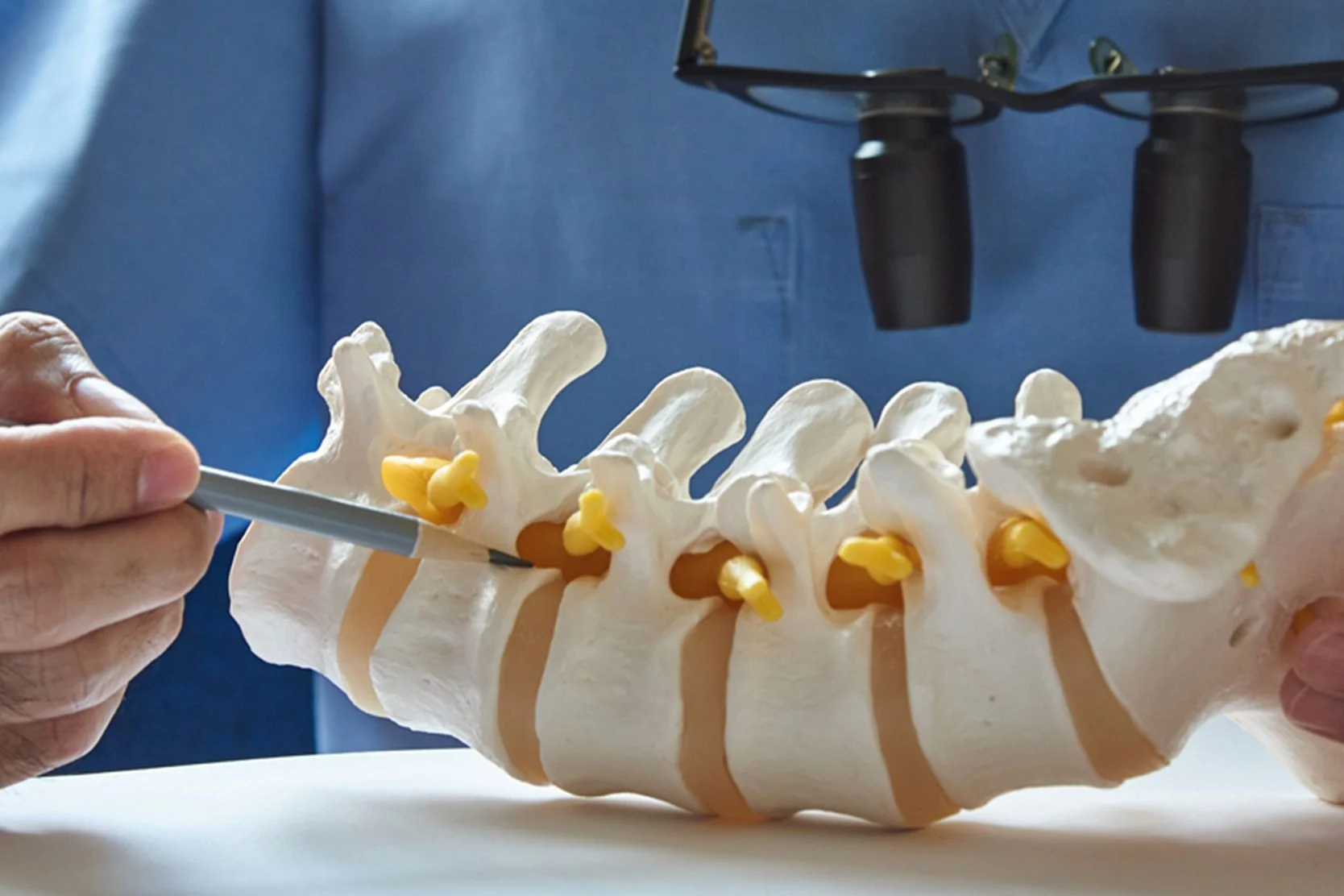
Disc Replacement
Artificial disc replacement surgery is offered at our Spine Center, where specialists in orthopedics, neurosurgery and other specialties work together
Support services

Case Management and Social Work
Connect with a team that can help you find resources, solve problems and advocate for you during treatment at UCSF.
Patient Relations
We welcome feedback about your experience at UCSF Health. Find out how to contact us with comments, questions or concerns.
Mindfulness-Based Stress Reduction Class
This eight-week class teaches mindfulness practices that can reduce stress and improve your overall health, such as meditation and body awareness.
Spiritual Care at UCSF
Chaplains representing many faiths are available around the clock to provide support, comfort and counsel to patients, families and caregivers.
UCSF Health medical specialists have reviewed this information. It is for educational purposes only and is not intended to replace the advice of your doctor or other health care provider. We encourage you to discuss any questions or concerns you may have with your provider.