




Pessaries
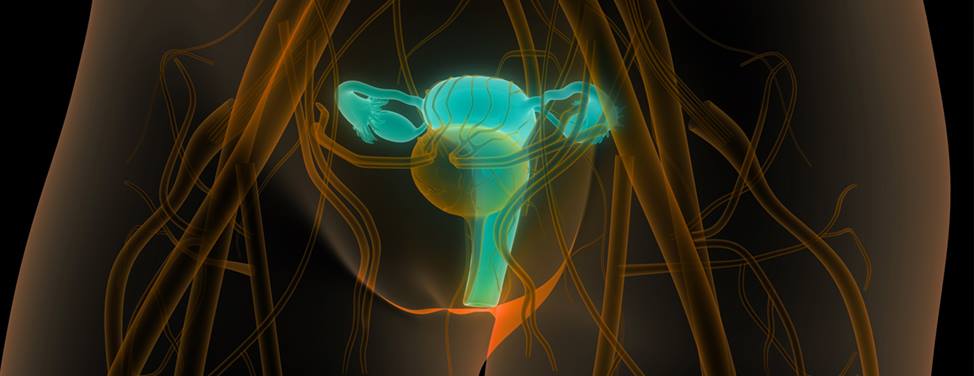
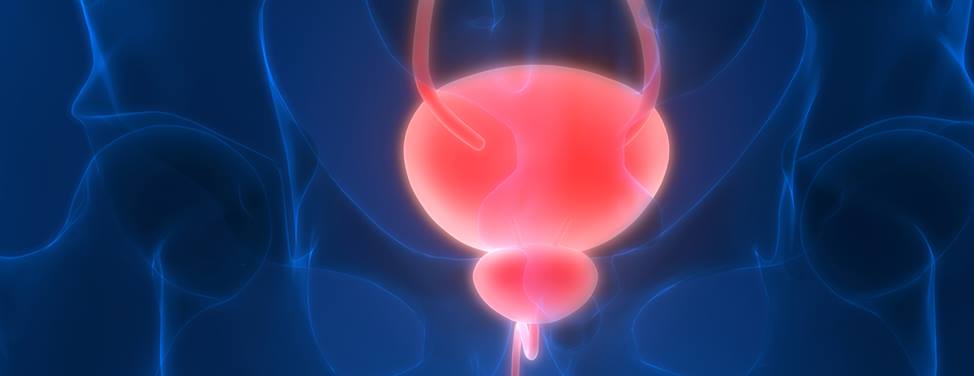
The pessary is a device that is placed into the vagina to support the uterus or bladder and rectum. It is a firm ring that presses against the wall of the vagina and urethra to help decrease urine leakage. The type and size of the pessary should be fitted to meet your individual needs and anatomy. A properly fitted pessary is not noticeable when it is in place.
If you have sensations of pressure or rubbing with continued wear of the pessary, or if you notice any unusual vaginal bleeding or spotting, call your health care provider immediately. It is not unusual to have to change the shape or size of the pessary after the initial fitting or even after continued wear. This is why it is important to keep your regularly scheduled clinic appointments.
You may notice an increase in vaginal discharge or secretions with pessary use. However, the pessary is made of silicon rubber and does not absorb odors or secretions. The Center for Urogynecology and Women's Pelvic Health recommends only external cleansing. Do not douche or use vaginal products unless they are specifically given to you by your health care provider.
Caring for a pessary is easy. Pessaries can be left in place for up to a week and removed for periodic easy cleaning. Some women choose to remove the pessary nightly before bed and replace it in the morning. It can be left in during intercourse if this is comfortable for you.
Inserting the pessary
- Wash your hands.
- The notches inside the open ring and the openings in the ring-with-support are the flexible points. Grasp the device midway between these points and fold the pessary in half. The curved part should be facing the ceiling, like a taco. Put a small amount of water-soluble lubricant, such as KY Jelly, on the insertion edge.
- Hold the folded pessary in one hand and spread the lips of your vagina with the other hand. Gently push the pessary as far back into the vagina as it will go. You can do this squatting, standing with one foot propped on the tub or toilet, or sitting with your feet propped up.
Removing the pessary
- Wash your hands.
- Find the rim of the pessary just under the pubic bone at the front of your vagina. Locate the notch or opening and hook your finger under or over the rim.
- Tilt the pessary slightly, to about a 30 degree angle, and gently pull down and out of the vagina. If you can fold the pessary somewhat, it will ease the removal.
Bearing down as if you are having a bowel movement can help push the rim of the pessary forward so you can grasp it more easily.
UCSF Health medical specialists have reviewed this information. It is for educational purposes only and is not intended to replace the advice of your doctor or other health care provider. We encourage you to discuss any questions or concerns you may have with your provider.