
Endometriosis
On this page
Overview
Endometriosis is a condition in which tissue from the membrane that normally lines the uterus — the endometrium — grows outside the uterus, typically on the ovaries, fallopian tubes, intestines or other areas in the pelvis. This tissue acts just like the endometrium in accumulating blood in the monthly menses period, but it has no place to shed the blood at the end of the cycle. The accumulation of tissue and blood can cause inflammation and scarring, which can lead to other conditions, particularly pelvic pain and infertility. Blood trapped in the ovaries may develop into benign cysts called endometrioma.
Between 25 and 50 percent of infertile women are estimated to have endometriosis. Endometriosis affects more than one million women in the United States and at this time, the exact cause of the condition is unknown.
Our approach to endometriosis
UCSF provides personalized care to women with all stages of endometriosis. Our team includes gynecologic surgeons, physical therapists, urogynecologists, sexual health specialists, alternative and integrative medicine providers, pain specialists, infertility doctors, radiologists and psychologists. We work together to create comprehensive treatment plans that address each woman's symptoms and complications, from pelvic pain to infertility. For women considering surgery, we offer minimally invasive approaches to several procedures.
We believe that empowering women with knowledge is an important part of the healing process, and encourage each patient to participate in choosing the best treatment option for her.
Signs & symptoms
Typically, symptoms of endometriosis worsen over time. The severity of symptoms varies, and some women may not experience any symptoms at all. Symptoms may stop after menopause or during pregnancy, though they will return after the woman has the baby and begins menstruating again.
Common symptoms may include:
- Pelvic pain and cramping before and during periods
- Lower back and stomach pain during periods
- Excessive bleeding during periods
- Pelvic pain during intercourse
- Fatigue
- Diarrhea
- Constipation
- Nausea
- Infertility
These symptoms can occur with other conditions. If you're experiencing any of these symptoms, see your doctor to determine the cause.
Diagnosis
In diagnosing endometriosis, your doctor will begin by asking about your symptoms and conducting a physical exam, including a pelvic exam to check for any abnormalities, though these are typically hard to detect without other, more advanced tests.
The tests may include:
- Pelvic exam. This is done to check a woman's vagina, uterus, bladder and rectum. The doctor feels these organs for any lumps or changes in their shape or size. To see the upper part of the vagina and the cervix, the doctor inserts an instrument called a speculum into the vagina.
- Transvaginal ultrasound. In this test, a doctor inserts an instrument into the vagina that aims high-frequency sound waves at the uterus. The pattern of the echoes they produce creates a picture.
- Laparoscopy. This is a surgical procedure that uses tiny incisions and a scope, called a laparoscope, to view the pelvic and other abdominal organs to look for signs of endometrial tissue outside the uterus.
- CA125 test. This is a blood test that checks levels of a blood protein known as CA125, which is a tumor marker for certain gynecological cancers, but is also used to detect a specific protein found in the blood of women who have endometriosis. However, it is important to note that CA125 levels also may be increased during pregnancy, menstruation and in the presence of other non-cancerous gynecologic diseases or cancers.
Treatments
There are several different treatment options available for endometriosis. Your doctor will discuss each treatment in detail and help you determine those that best meet your needs. Treatment may depend on the severity of your condition, your age and whether or not you are planning to have children, and whether you have any other associated conditions.
Medications
Hormonal therapies can help slow the growth of endometriosis. These include birth control pills, progestins, Danazol and the newer drugs known as aromatase inhibitors, which act by interrupting local estrogen formation within the endometrial growths.
Over-the-counter pain relievers such as ibuprofen can be taken to manage pelvic pain and menstrual cramping.
Surgery
Surgery may be recommended for some women who are trying to get pregnant and for those who suffer from severe pelvic pain. Conservative surgery removes endometrial growths, scar tissue and adhesions without removing reproductive organs. This may be performed laparoscopically, using a slender scope called a laparoscope, which is inserted through a tiny incision near the navel. The laparoscope has a laser or small surgical instruments which remove growths.
In the most severe cases, a hysterectomy — with or without the removal of the ovaries — is performed. This is typically a last resort, particularly for women who are still in their reproductive years. Also, while surgery can be very effective in treating endometriosis, the recurrence rate of the condition after surgery is an estimated 40 percent.
Women who are experiencing infertility due to endometriosis may also benefit from treatment from an infertility specialist.
Awards & recognition

Recommended reading
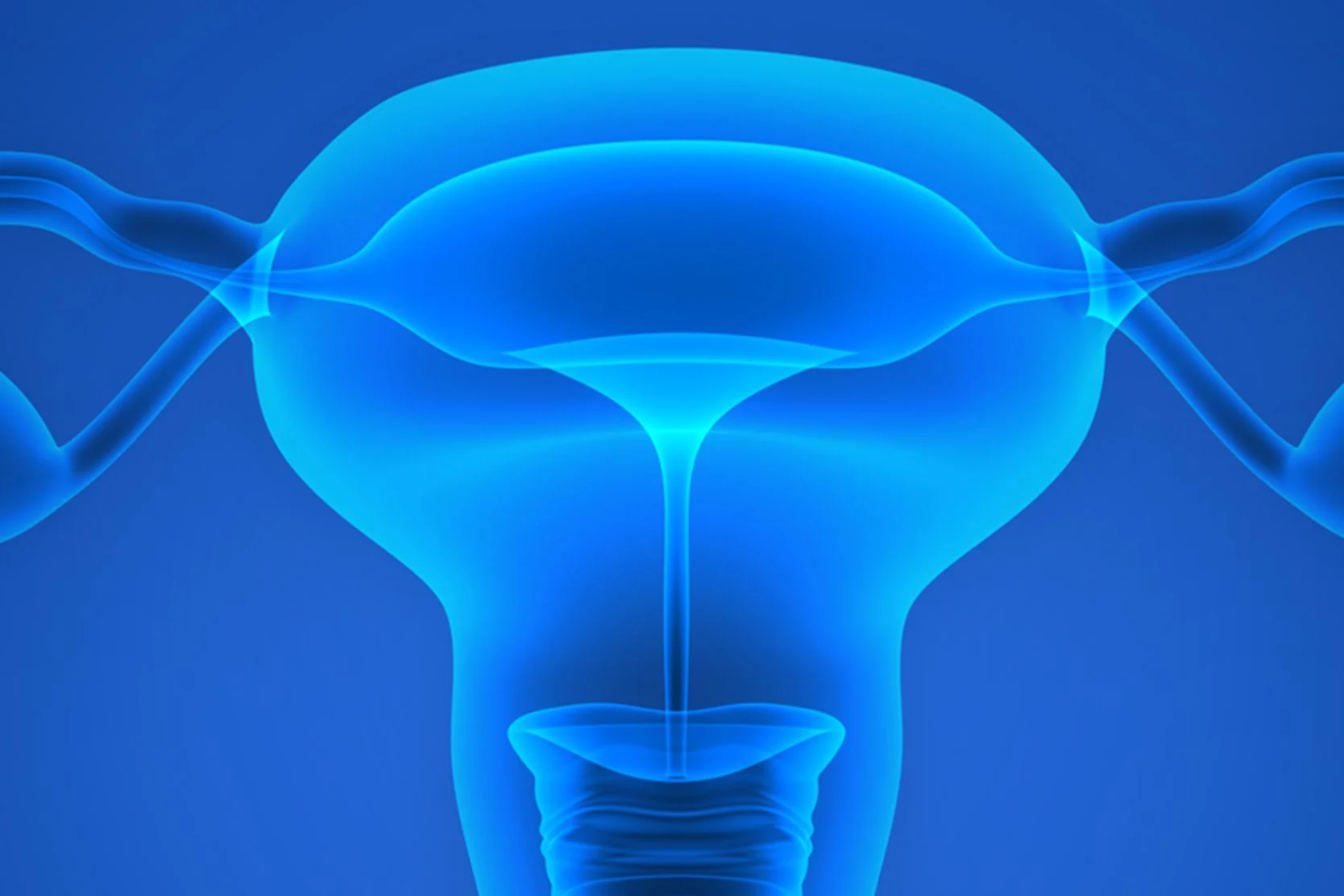
The Menstrual Cycle
The female reproductive system is complex. Learn about how your reproductive system works to maintain a regular menstrual cycle.
More treatment info
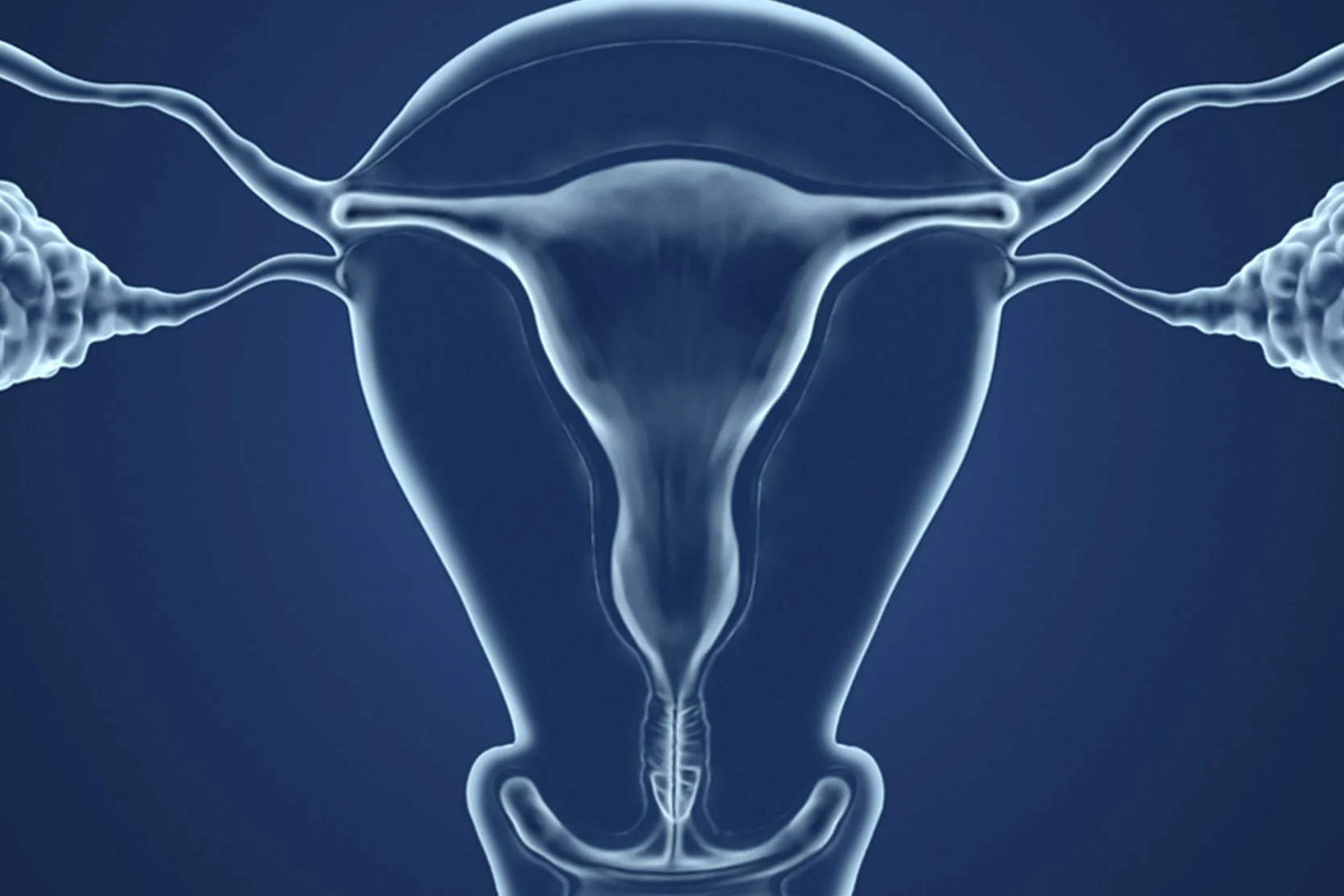
Hysterectomy
Hysterectomy is a major surgical procedure in which the uterus is removed. Many women choose hysterectomy to definitively resolve their fibroid symptoms.
Related services & treatments
Specialties
Treatments
- Laparoscopy
- Laparoscopic Ovarian Cystectomy
- In Vitro Fertilization
- Pelvic Floor Exercise
- Pain Clinic
Support services

Case Management and Social Work
Connect with a team that can help you find resources, solve problems and advocate for you during treatment at UCSF.
Interpreting Services
UCSF offers interpreters in various languages, including American Sign Language (ASL), as well as services for deaf, hard-of-hearing and visually impaired patients.
Mindfulness-Based Stress Reduction Class
This eight-week class teaches mindfulness practices that can reduce stress and improve your overall health, such as meditation and body awareness.
Patient Relations
We welcome feedback about your experience at UCSF Health. Find out how to contact us with comments, questions or concerns.
Spiritual Care at UCSF
Chaplains representing many faiths are available around the clock to provide support, comfort and counsel to patients, families and caregivers.
Women's Health Resource Center
Access free health resources here, from classes and webinars to support groups and medical referrals, plus pregnancy, birth and breastfeeding services.
UCSF Health medical specialists have reviewed this information. It is for educational purposes only and is not intended to replace the advice of your doctor or other health care provider. We encourage you to discuss any questions or concerns you may have with your provider.