


Menopause

Overview
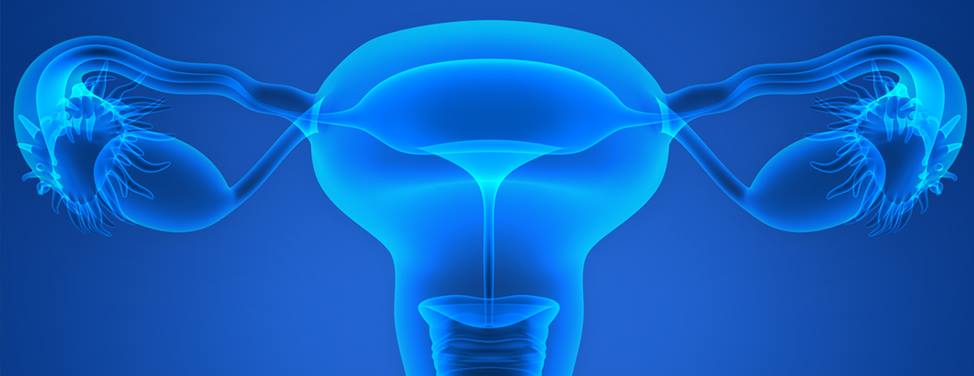
Menopause is a normal phase of a woman's life, one that more than 4,000 women enter each day. It is defined as the period in time when the ovaries cease functioning and menstrual periods stop. The production of hormones in a woman's body begins to decline, however, several years before the onset of menopause. You may also hear the term perimenopause or climacteric, which means the time from when menstrual periods start to diminish up to a year after the final menstrual period. In the United States the average age of menopause is 51.
In the past, menopause was often treated as an illness, a subject only talked about behind exam room doors. Today, women want to understand the physical changes that are happening to their bodies. They are seeking immediate relief for their menopausal symptoms, including hot flashes and vaginal dryness. They are also considering the impact of menopause on their risk of chronic disease and their long-term health.
Our Approach to Menopause
There is a lot of information available about menopause, but it can be confusing and difficult to interpret, especially with regard to hormone replacement therapy. UCSF offers consultations to address women's questions and help them manage any bothersome symptoms. Our goal is to provide all women with the best care possible as well as the knowledge they need to make informed decisions on their own health.
Awards & recognition
-

Among the top hospitals in the nation
-

One of the nation’s best in obstetrics & gynecology
Signs & symptoms
Common symptoms of menopause include:
- Reduced fertility
- Changes in menstrual periods
- Hot flashes
- Vaginal dryness
- Insomnia
- Emotional changes
- Libido changes
Most of these symptoms will stop after menopause is completed.
However, menopause also increases the risk of contracting heart disease or osteoporosis, which continue after menopause is completed. Although not associated with menopause, cancer is associated with advancing age in women.
Diagnosis
Menopause usually is diagnosed by reviewing a woman's medical history, symptoms and ruling out other causes for the symptoms. In most cases, hormone tests aren't necessary. If there is a question about hormone levels, a blood test can be performed to measure the amount of follicle-stimulating hormone (FSH) in the blood.
Other testing also may be done to ensure that a particular symptom is a result of menopause and not some other underlying causes.
Treatments
Most treatment is aimed at treating symptoms rather than altering menopause, which is a natural and healthy phase of life for most women. Treatments may include:
- Lifestyle changes
- Nonprescription medications
- Prescription therapies
- Treatments for specific symptoms, such as lubricants for vaginal dryness or antidepressants for emotional changes
- Preventive medications or supplements for chronic post-menopausal conditions such as osteoporosis and heart disease
UCSF Health medical specialists have reviewed this information. It is for educational purposes only and is not intended to replace the advice of your doctor or other health care provider. We encourage you to discuss any questions or concerns you may have with your provider.