



Polycystic Ovarian Syndrome

Overview
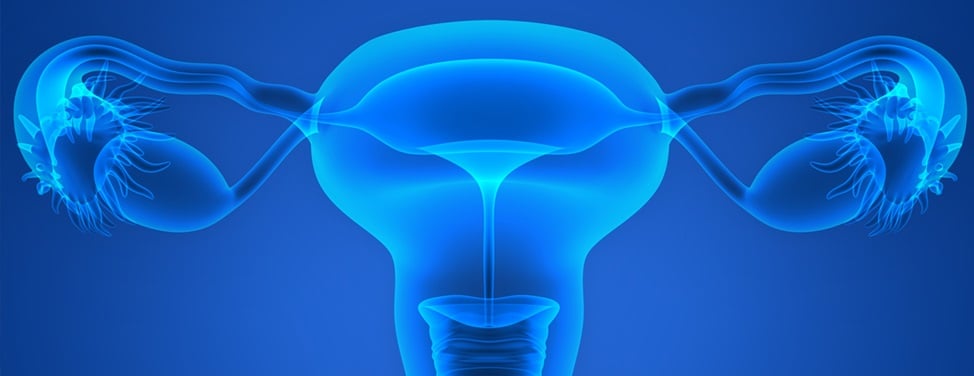
Polycystic ovarian syndrome (PCOS) is a hormonal disorder in which a woman's body produces abnormally high levels of the male hormone, called androgens. These high levels of androgens prevent the ovaries from producing enough progesterone, which is necessary for a normal menstrual cycle. This results in undeveloped egg follicles, which turn into small cysts in the ovaries that prevent ovulation.
PCOS affects approximately five to ten percent of women of childbearing age and is a leading cause of infertility. It is also the most common hormonal disorder among pre-menopausal women.
The exact cause of PCOS is unknown. However, research suggests that genetics may play a part, since women who have female relatives with PCOS are at a higher risk of developing the syndrome. Obesity, diabetes, being insulin resistant and having problems with the adrenal, thyroid or pituitary glands may also contribute to PCOS.
Our Approach to Polycystic Ovarian Syndrome
At UCSF, our women's health experts take a comprehensive approach to treating polycystic ovarian syndrome. Our team includes specialists in reproductive endocrinology, dermatology, nutrition, exercise physiology, psychology and genetics. We work with each woman to develop a personalized treatment plan that best meets her lifestyle and needs.
Awards & recognition
-

Among the top hospitals in the nation
-

One of the nation’s best for obstetrics & gynecology
Signs & symptoms
Symptoms usually develop within a few years of puberty, although sometimes they appear later in life. Symptoms may worsen during a woman's prime reproductive years – between the ages of 20 and 40 – particularly in women who gain a significant amount of weight.
Symptoms of PCOS vary for each woman. However, common symptoms may include:
- Irregular periods
- Excess body or facial hair
- Acne
- Difficulty maintaining a healthy weight
PCOS may also be associated with depression, difficulty getting pregnant, predisposition to type II diabetes and other long-term health problems.
Diagnosis
Currently, there is no single test to diagnose PCOS. Your doctor will start by performing a thorough physical examination, including a pelvic exam to determine if your ovaries are enlarged or swollen. You may also have a vaginal ultrasound to examine your ovaries for cysts and check for other abnormalities.
Your doctor will also record your medical history and ask about any symptoms you may be experiencing. In addition, you may have a series of blood tests to check your hormone and sugar levels.
Treatments
Currently, there is no cure for PCOS. However, the condition can be managed by treating symptoms with medications and by adapting a healthy, well-balanced lifestyle through weight loss, exercise and diet modifications. In some cases, a surgical procedure called ovarian drilling may be recommended to induce ovulation.
UCSF Health medical specialists have reviewed this information. It is for educational purposes only and is not intended to replace the advice of your doctor or other health care provider. We encourage you to discuss any questions or concerns you may have with your provider.