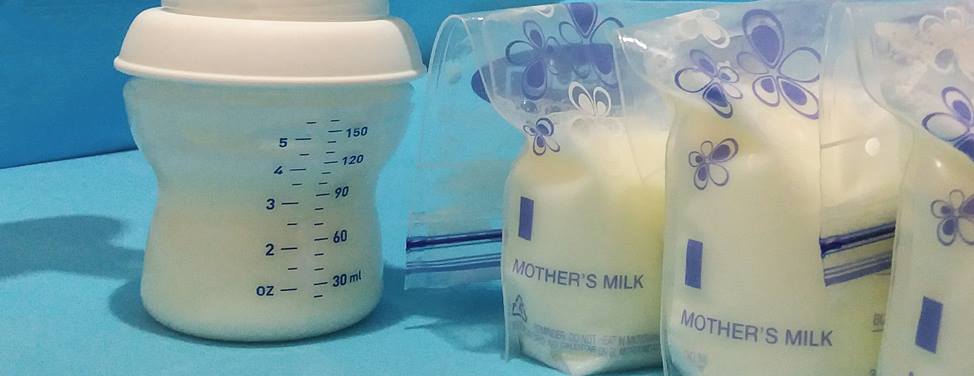




























The nutrition requirements for breast-feeding are similar to those for pregnancy, and women are recommended to continue eating similarly to how they were eating during their pregnancy. However, a breast-feeding woman needs 200 more calories per day than she did during pregnancy, and it is important that the calories come from nutritious foods. Breast-feeding women usually lose 1 to 4 pounds per month without restricting their calorie intake.
Protein
While breast-feeding you should eat two to three servings of protein each day. A serving is equal to 3 to 4 ounces of meat, fish or poultry. Good sources of protein include:
- Meat
- Poultry
- Seafood
- Eggs
- Cheese
- Milk and yogurt
- Cottage cheese
- Tofu
- Dried beans
A note about seafood: The Food and Drug Administration (FDA) recommends that nursing mothers not eat shark, swordfish, king mackerel or tilefish because of their high mercury content.
Calcium
The suggested daily intake of calcium for breast-feeding mothers is 1,300 milligrams per day. Reading nutrition labels can help ensure that you are getting enough calcium. For example, one cup of milk or yogurt contains 300 milligrams of calcium. The best sources of calcium are:
- Milk
- Yogurt
- Hard cheeses
- Calcium-fortified orange juice
- Calcium-fortified tofu
Iron
Iron is also important for breast-feeding mothers. If you are 18 years of age or younger, you should get 10 milligrams of iron per day. For those over 19, the suggested daily intake is 9 milligrams. Good sources of iron include:
- Meat
- Poultry
- Seafood
- Dried beans
- Dried fruit
- Egg yolks
As mentioned above, it is important not to eat shark, swordfish, king mackerel or tilefish because of their high mercury content.
Vitamin C
Nursing mothers need slightly more vitamin C than they did during pregnancy. If you are 18 years of age or younger, you should get 115 milligrams of vitamin C per day. Those over 19 should get 120 milligrams per day. Good sources of vitamin C include:
- Citrus fruits
- Broccoli
- Cantaloupe
- Potato
- Bell pepper
- Tomato
- Kiwi
- Cauliflower
- Cabbage
Vitamins and Minerals
Breast-feeding mothers need to take some sort of daily multivitamin that contains 100 percent of the recommended dietary allowance (RDA). If you wish, you can continue to take your prenatal vitamin or mineral supplement — however, it contains much more iron than needed for breast-feeding. If you have problems with constipation or stomach upset, switch to a general multivitamin that contains 100 percent of the recommended dietary allowance (RDA).
Liquids
While breast-feeding you should drink at least 8 cups of water each day. Have a glass of water each time you nurse your baby. In addition to water, other good liquids are juice, milk, broths, herb teas and soups.
Exercise and high temperatures will increase your need for liquids. Therefore, drink even more water if you are active or it is warm, to make sure you keep hydrated.
Other Tips
Limit caffeinated foods and beverages, such as coffee, tea and some sodas. It is a good idea to limit your intake of highly caffeinated foods and drinks to 8 ounces a day.
Avoid drinking alcohol and smoking cigarettes. Do not use any street drugs. Also, it is important that you do not use any medications that are not approved by your health care provider, even those available over the counter.