

























When children are overweight, it's best to focus on becoming healthy rather than on losing weight. Here are some ways you can help your child maintain a healthy weight:
Create a Safe Environment
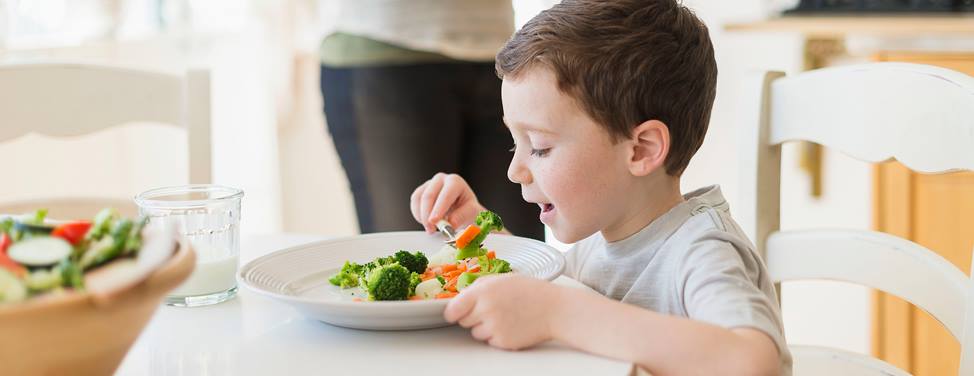
Make your home a safe environment in terms of food. Only have foods and beverages that are healthy. This means getting rid of all the junk food, soda and juice. Ideally, your child should only drink milk and water. Keep fruits and vegetables easily accessible for healthy snacks.
Creating a safe environment also ensures that the entire family is eating right, not just your child who may have a weight problem. This makes it easier for parents because you don't have to say "no" to unhealthy foods if they aren't around. Parents need to buy and prepare the right foods, making all meals eaten in the home healthy.
Be a Positive Role Model
Children eat what their parents eat so, you need to set a good example and eat the same foods you want your child to eat. Your attitudes, beliefs and behaviors around food are passed down to your children in both explicit and implicit ways.
There needs to be conscious parenting around food. Make a point to convey that fruits, vegetables and whole grains are yummy and be careful not to emphasize a craving for sweets or salty snacks. Studies show that parents' presence at mealtime leads to kids eating healthier meals. And, in terms of preventing obesity, it's important to understand that the exposures you give your children will influence what they eat.
Set Limits
One of the most important things you can do for your child is to set limits. Parents must be the gatekeepers. This is the case for all dangerous behaviors, including overeating. Children need their parents to set limits for them. You cannot expect your child to self-limit how much he or she eats.
Restrict Sweetened Beverages
Children should not drink soda, juice or other sweetened beverages. Beverages with sugar are essentially wasted calories. While high in calories, sweetened beverages do little to fill up your child.
Limit Television
Specifically, children under 2 years of age should not watch any television. Children over 2 should watch no more than one to two hours a day. Studies have shown that limiting television is an important part of helping children lose weight and be more active. Also crucial is not eating in front of the television.
Use Positive Messages and Rewards
Children benefit from setting attainable goals that are celebrated with inexpensive, age-appropriate rewards that don't include food. When children have a reward to work toward, they are more likely to succeed. The best reward you can give a child is time with the parent. Rewards can include taking your child to the park or to see or rent a movie. Praise also is extremely important, even non-verbal praise such as a thumbs up. For teenagers, getting a music CD or movie ticket or getting to spend special time with a friend are great rewards.
Help Your Child be Active
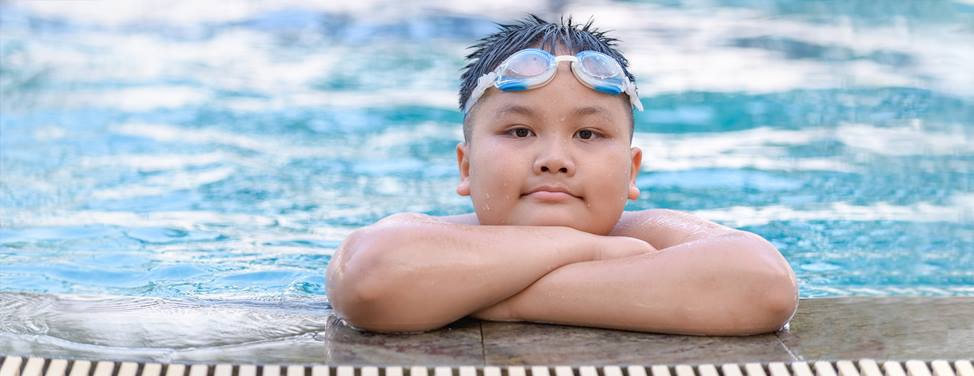
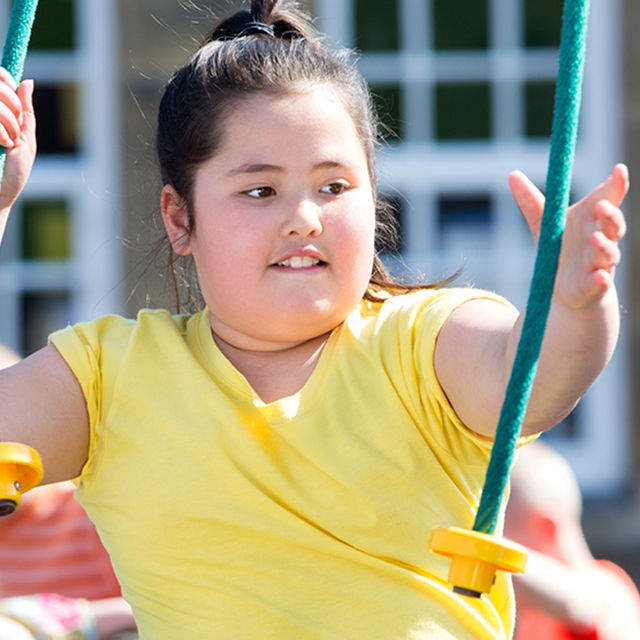
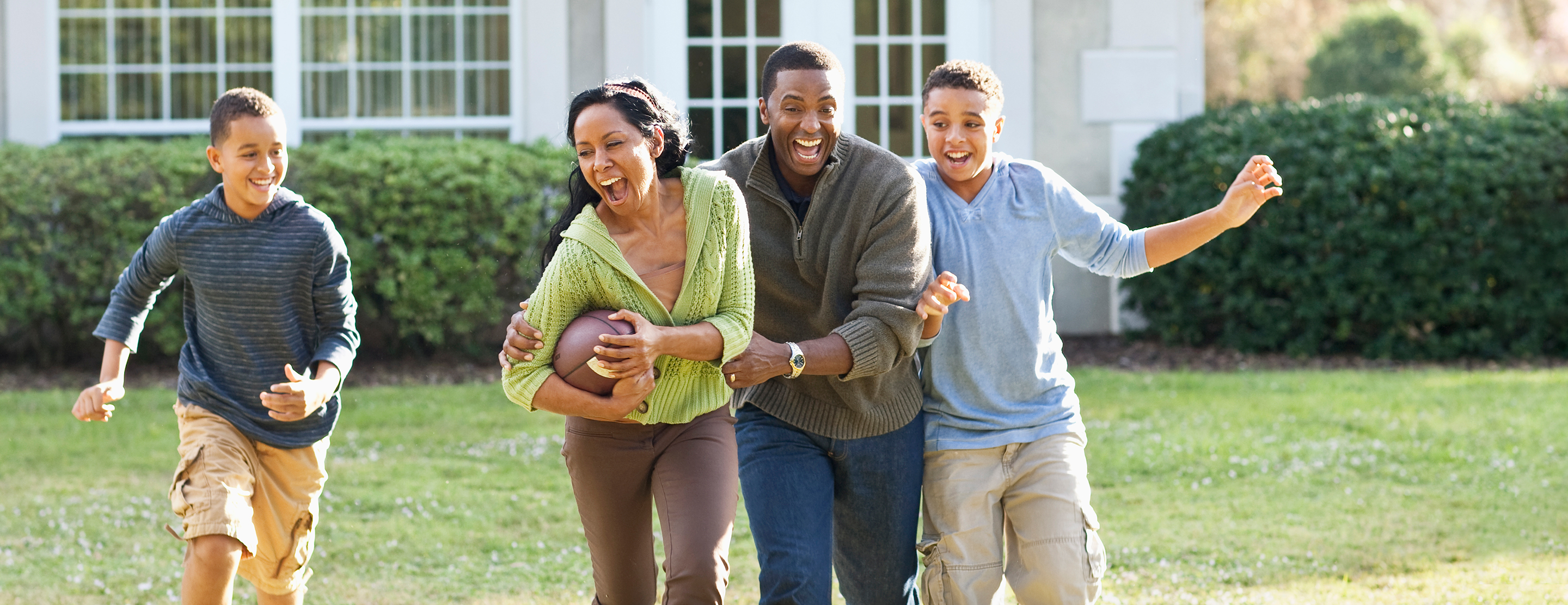
The key to getting children to exercise is that it has to be fun. To find the activities children really enjoy, you have to expose them to many different activities. And, as with adults, your child's favorite activities will likely change over time.
Some kids like doing the same thing over and over. They like the structure that doing the same activity provides. But most children need constant exposure to a variety of activities or they'll get bored.
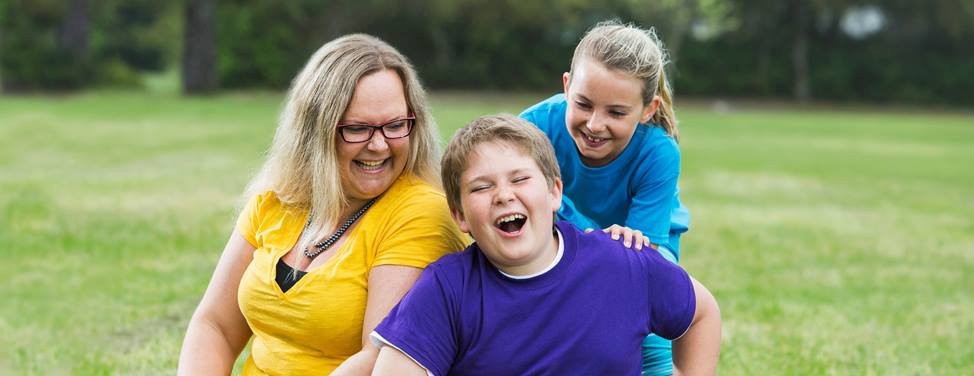
It's best to expose your child to many different activities — from biking to swimming to team sports to walking with mom or dad to skateboarding to dance class. Let them tell you what they like and what they want to do. And, for almost all kids, physical activity works best if they are doing it with someone else, especially a parent.