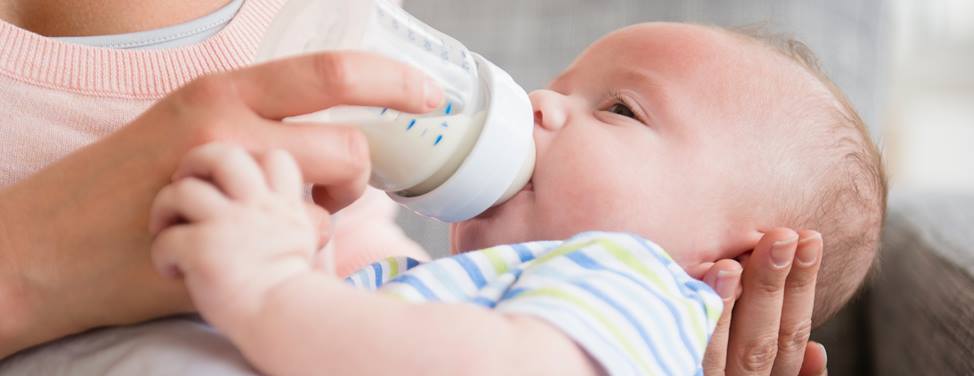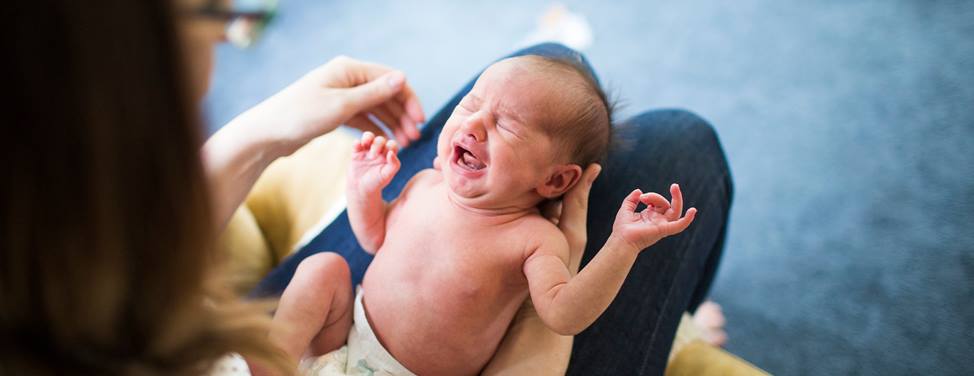




























At 2 months, most babies are beginning to cry less and spend more time awake. They are interested in what's going on around them. Babies enjoy looking at faces, seeing you smile and hearing your voice. They are learning language now, so talk and sing to your baby.
Development
Talk to your baby in long sentences so he or she can hear and learn the grammar of your language. Also spend time making baby sounds, like "ba ba ba," to encourage language development. Pause and allow your baby time to respond. Your baby will also try to copy funny faces that you make.
If your baby will hear more than one language at home, begin exposing him or her to both languages now. It is much easier for children to speak more than one language if they've heard both languages from infancy. Hearing more than one language will not confuse your baby, but consider having one person speak one language to your baby, and another person speak the second language.
Parents often wonder what toys are best for babies. At around 2 months babies are learning to use their neck and shoulder muscles. They soon will begin trying to raise their heads when lying down and to reach out for objects when sitting. You can hold toys out in front of your baby to encourage him or her to reach. Babies love brightly colored objects, and mobiles will attract their attention. You can also introduce a soft rattle.
Here are a few safety tips to remember when choosing toys for your baby:
- Never give your baby a toy with sharp or pointed edges.
- Don't let your baby hold a toy with small removable parts that could cause choking.
- Choose toys made for your baby's age.
In addition to learning how to reach for objects, babies this age are able to put their hands in their mouths. It's normal for babies to put objects in their mouths — it is their way of exploring and learning about their world. To keep your baby safe, be careful what objects are left within reach.
Soon your baby's salivary glands will start to work and your baby will begin to drool. This does not mean that your baby is teething.
At this age babies often like to "stand up" while held and bear weight. It is fine to allow your baby to do this. To help your baby's development, allow your baby to spend time in various positions — sitting, standing while held, and lying on his or her back or tummy. Just remember, babies should always be placed on their backs to go to sleep.
Remember that babies develop differently and on their own schedules. Because babies are sleeping on their backs these days, some do not like to roll over. This doesn't mean the baby has a problem. Later on, some babies will also skip the crawling phase.
Sleeping
There are many different ideas about where babies should sleep. Some people believe it is important for babies to sleep with their parents, while others believe babies should sleep by themselves. We believe it is most important that the parents decide what is right for their babies. Take a moment to talk with any adults who live at home with you to decide where you feel comfortable having the baby sleep.
Remember that sleep patterns or habits are formed by 6 months of age. Here are some things you can do now to prevent sleep problems in the future:
- Try not to feed your baby more frequently than every two hours during the day. Babies who eat frequently during the day will normally wake up to eat frequently at night.
- Try to put your baby to bed at the same time each night.
- Try to avoid waking your baby at night — don't turn on the light or talk to your baby at night. This helps your baby realize that nighttime is not a very interesting time to be awake.
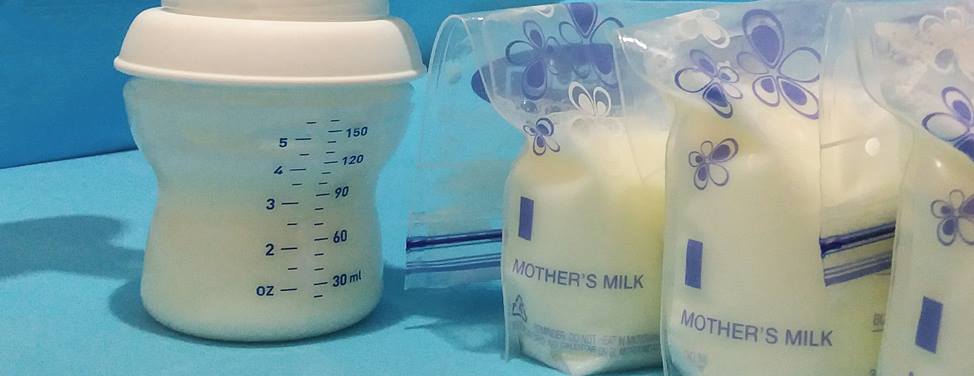
- Try to delay or shorten middle-of-the-night feedings. If you are breast-feeding, try nursing from just one side. If you are bottle-feeding, do not make your baby finish the bottle. This teaches babies that they don't need a full tummy to fall asleep.
- Try not to change your baby's diaper at night, unless your baby has a diaper rash. You can use extra diaper liners if necessary.
- If possible, put your baby to bed slightly drowsy but still awake. Your baby may be restless and cry a little before falling asleep, but it is helpful for babies to learn that they can calm down and fall asleep on their own.
- Consider beginning a bedtime routine to help your baby learn the difference between daytime sleep and nighttime sleep. Try to do the same steps every night at about the same time. A soft song, a gentle massage and warm bath — these can all help signal to your baby that nighttime is coming.
- Young babies need to be encouraged or allowed to fall asleep after about one hour of being awake. If your baby has been awake for one hour, watch for clues that he or she is sleepy — yawning, rubbing eyes, looking away from you or acting fussy. Many parents misinterpret these signs, believing their baby is bored and needs more stimulation; it is more likely that the baby needs to be allowed to fall asleep.
One baby book author advocates the "E-A-S-Y" plan to help babies nap better:
- E — Eating: The baby is fed after waking up from nighttime sleep or a nap.
- A — Activity: After feeding, the baby has time for activities and being awake.
- S — Sleep: After 30 to 45 minutes of awake time, the baby is placed down for sleep. This helps prevent the baby from forming an association between feeding and falling asleep.
- Y — You: This is "you time."
Flat Heads
For safety reasons babies should always sleep on their backs. Sometimes this causes their heads to become flattened in the back, usually on the right side. To help prevent this, encourage your baby to look to the left and let him or her spend more time sitting up. You you can also give your baby "tummy time" when he or she is awake and supervised. Tummy time helps babies learn how to use their neck and shoulder muscles.
Feeding
Your baby will continue to grow well on breast milk or formula for the next four months. Although you may be tempted to try giving your baby solid foods early, there are a number of reasons not to start solid foods, including baby cereal, until about 6 months of age. Some of these reasons include:
- Babies' intestinal tracts are immature. It is easier for them to develop allergies if you offer solid foods too early.
- Babies' muscles are not able to coordinate sucking and swallowing solid foods yet. When a baby can sit and reach out for objects, he or she will probably be able to use the mouth muscles to swallow solids as well.
- When babies are given solid foods too early, they don't get all the nutrition they need from breast milk or formula, which is specially designed to meet babies' needs.
Safety
A few extremely important safety tips:
- Remember to always place your baby on his or her back to sleep.
- Always secure your baby in a car seat when traveling by car or taxi. The car seat should still face backward in the car. Do not place the car seat in a seat equipped with airbags. Parents, remember that you need to buckle up too, and make sure that you never drink alcohol and drive.
- Do not leave your baby alone in a high place such as a changing table — your baby is beginning to scoot and roll, and can quickly fall off.
- Do not drink hot liquids while holding your baby. Your baby will soon begin reaching for objects and may make you spill the liquid, burning both of you.
- Do not allow anyone to smoke in your home. If you or someone in your home must smoke, please go outside so your baby will not be exposed to the smoke. Wear a special covering or jacket while you are smoking outdoors and take it off before coming back inside. This will prevent the smoke particles from attaching to your clothing and affecting your baby. Never hold a cigarette when you are holding your baby.
- Never shake your baby — it can cause serious injuries.
Used by permission of Jane E. Anderson, M.D.