




























Blood & Marrow Transplant (BMT) Clinic
Bone marrow or stem cell transplants can be lifesaving for patients with certain types of pediatric cancers and blood or immune system disorders. But the process leading up to and following a transplant is complicated and demanding. Our job at UCSF's Blood & Marrow Transplant (BMT) Clinic is to prepare kids for a transplant and provide the long-term follow-up care they will need after a transplant.
Our team of transplant specialists evaluates whether a child is a candidate for a transplant and helps prepare the whole family for the process. Because patients who have had a transplant are severely immune-compromised, we follow them closely. We'll want to see your child at least once a week to check for infections or other post-transplant complications and to monitor how the immune system is reconstituting.
The quality of our follow-up care is one reason the Pediatric Blood and Marrow Transplant Program's patients have among the nation's highest rates of survival chances one year after the procedure.
Awards & recognition
-
Best in Northern California for cancer care
-
Ranked among the nation's best in 10 specialties
-
Designated an early phase clinical trials core site by the Children's Oncology Group
Our locations (3)
Patient stories
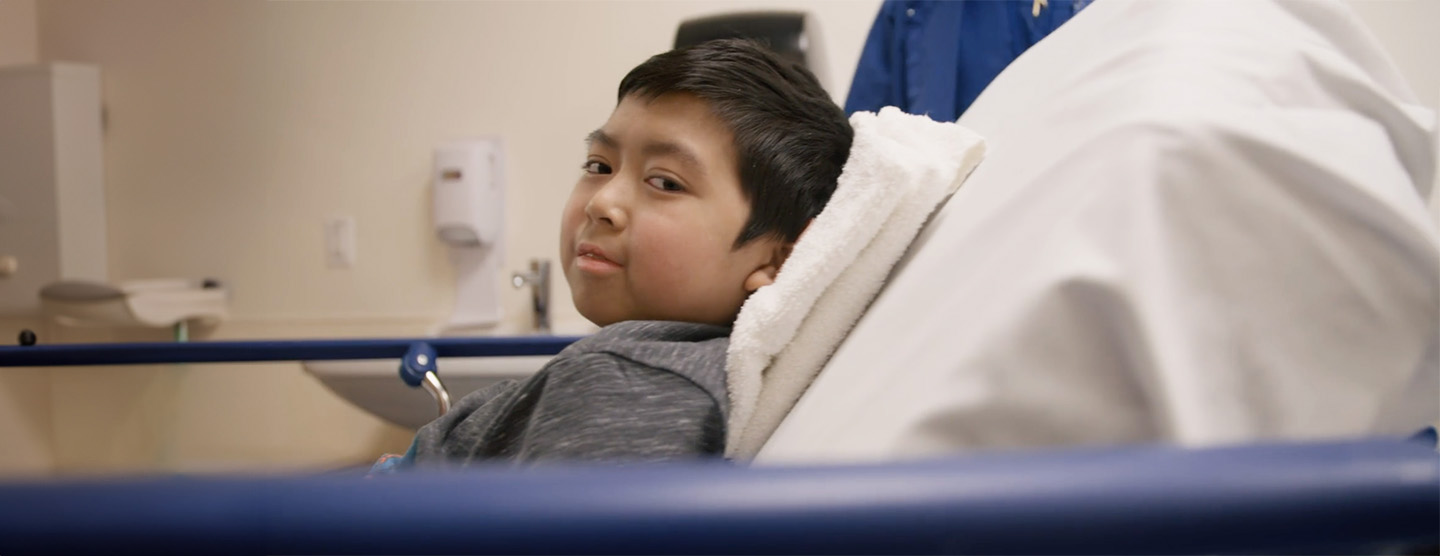
Meet UCSF's first CAR T-cell patient
Shaun had been battling an aggressive leukemia for six years. When his care team recommended a new experimental treatment, his parents described it as "divine intervention."
Highlights of our cancer care

Leading-edge treatments
We're among the first to offer new treatment options, as soon as they're proven safe and effective. In addition, patients can access promising experimental therapies by participating in one of our many clinical trials.
Precision medicine
High-risk tumors are analyzed with the UCSF500 Cancer Gene Panel, a state-of-the-art test that identifies mutations in the tumor's DNA. The results can indicate the best treatment course and, in some cases, clarify the exact type of cancer.
Seamless care, near and far
Dedicated patient navigators help families with managing referrals, insurance concerns and appointment planning. We work with patients and referring doctors well beyond the San Francisco Bay Area, thanks to our comprehensive telehealth system.
Thorough follow-up
Our Pediatric Survivorship Program provides expert care to address any medical, psychological or social issues that arise after treatment is complete. The team also ensures smooth transitions to adult care providers as our patients leave childhood behind.

Our team
-
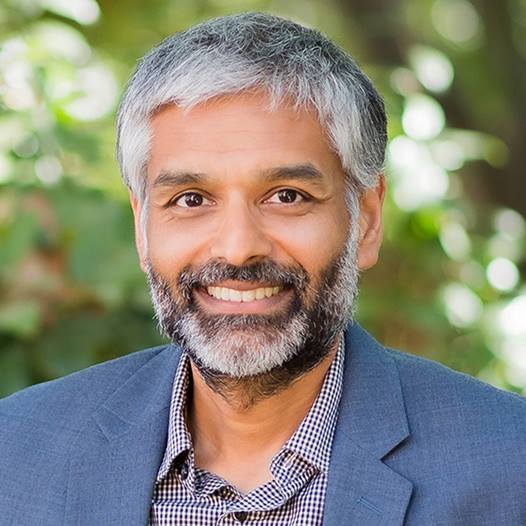
Anurag K. Agrawal
MD
Pediatric hematologist-oncologist -
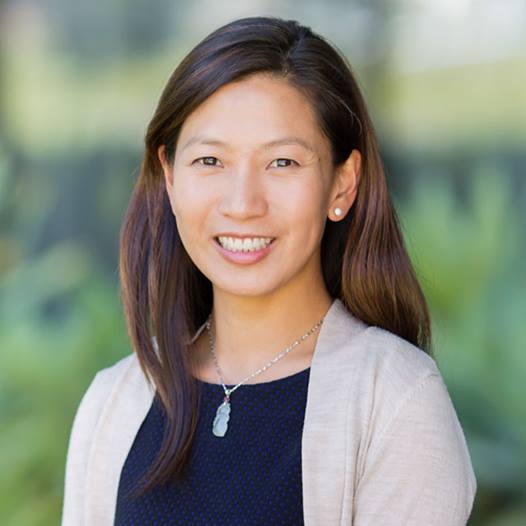
Julia Chu
MD, MPH
Pediatric hematologist-oncologist -
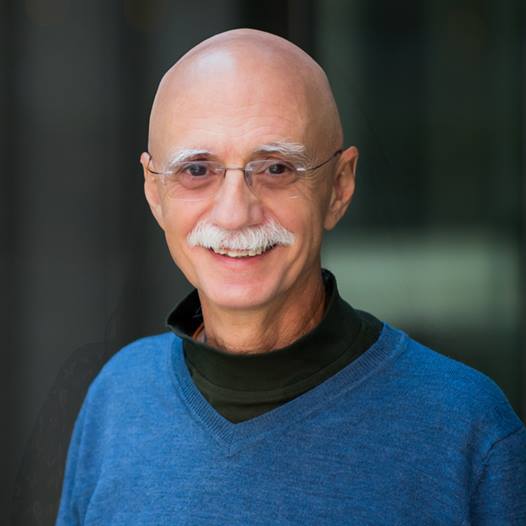
Morton J. Cowan
MD
Pediatric immunologist and bone marrow transplant specialist -
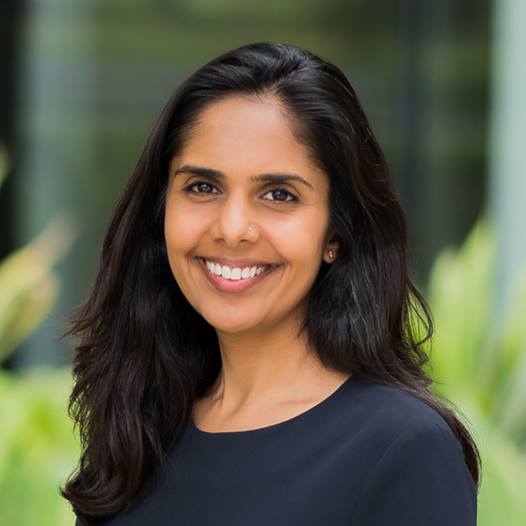
Jasmeen S. Dara
MD, MS
Pediatric immunologist and allergist -
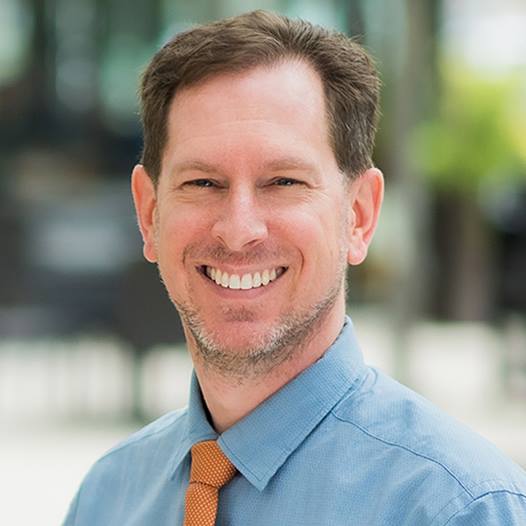
Christopher Dvorak
MD
Pediatric hematologist-oncologist -

Robert E. Goldsby
MD
Pediatric hematologist-oncologist -
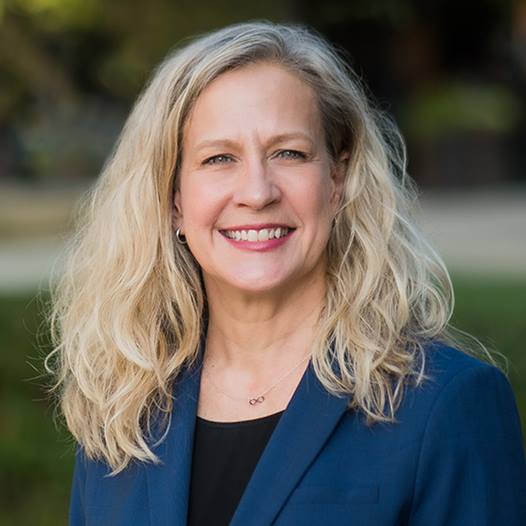
Michelle L. Hermiston
MD, PhD
Pediatric hematologist-oncologist -
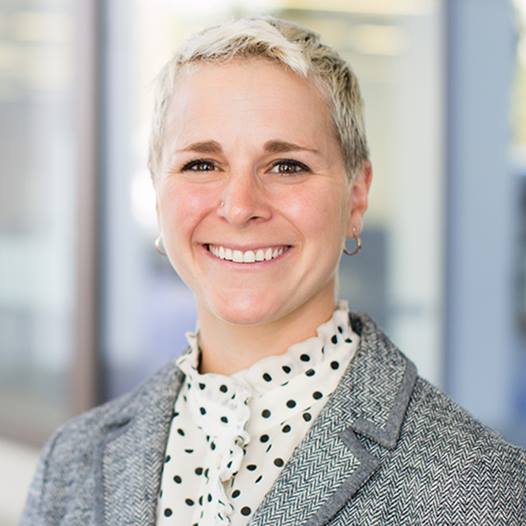
Christine Higham
MD
Pediatric hematologist-oncologist -
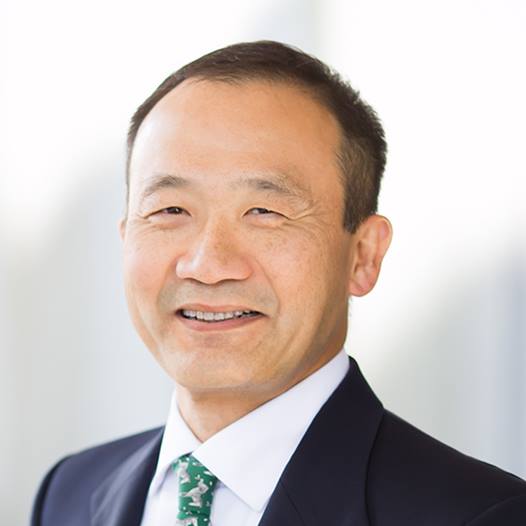
James Huang
MD
Pediatric hematologist -
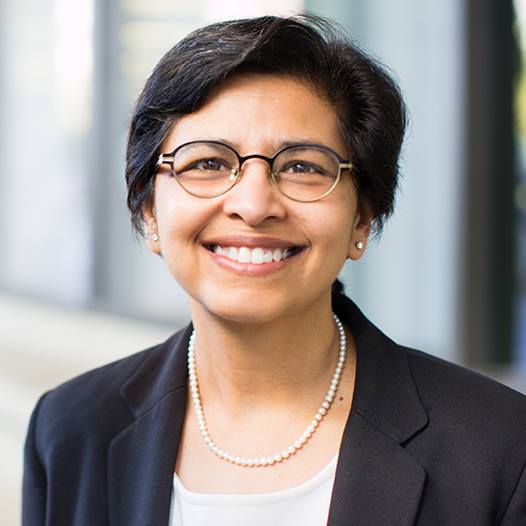
Sandhya Kharbanda
MD
Pediatric hematologist-oncologist -

Nahal Lalefar
MD
Pediatric hematologist-oncologist -
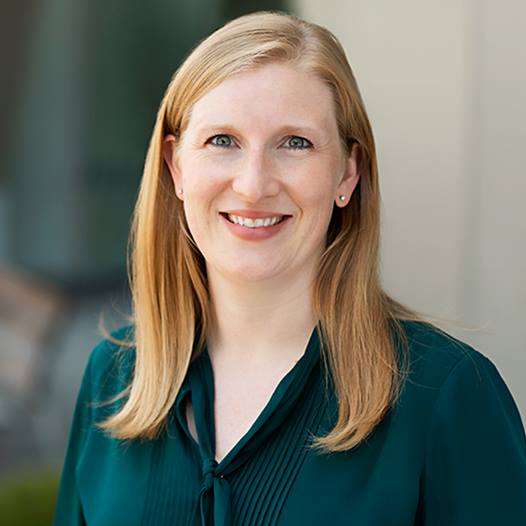
Alexis Melton
MD
Pediatric hematologist-oncologist -
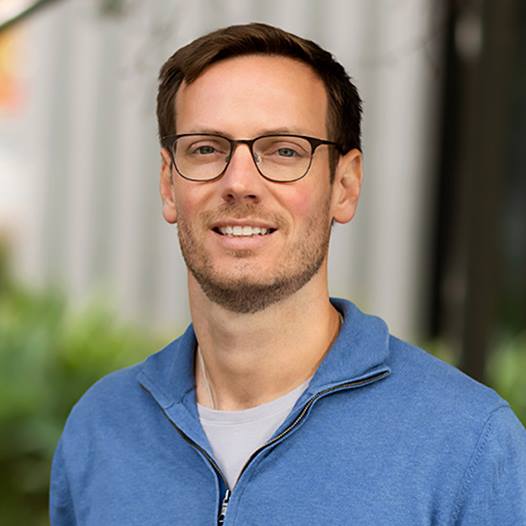
Gabriel Salinas Cisneros
MD
Pediatric hematologist-oncologist and bone marrow transplant specialist -
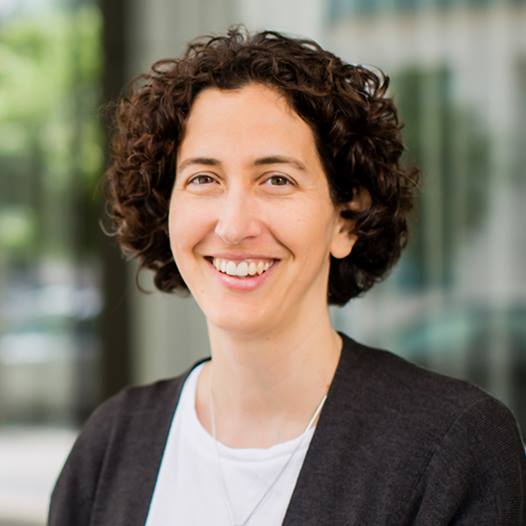
Kristin A. Shimano
MD
Pediatric hematologist-oncologist -
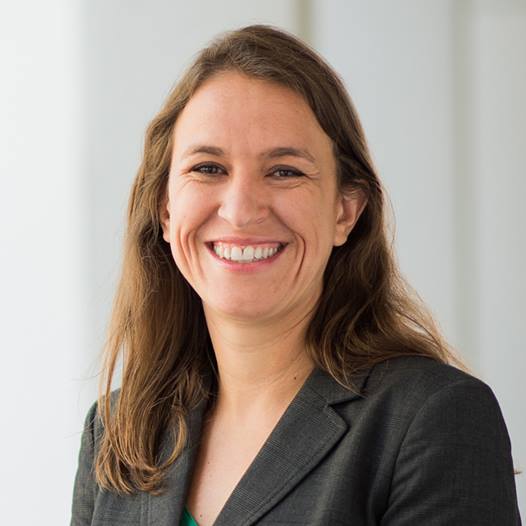
Lena Winestone
MD, MS
Pediatric hematologist-oncologist -
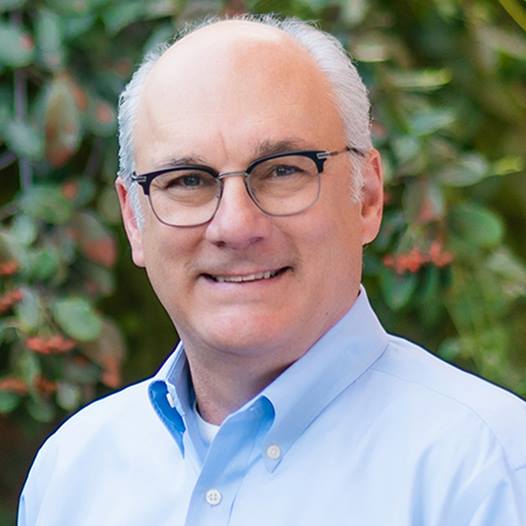
Mark Walters
MD
Pediatric hematologist-oncologist -
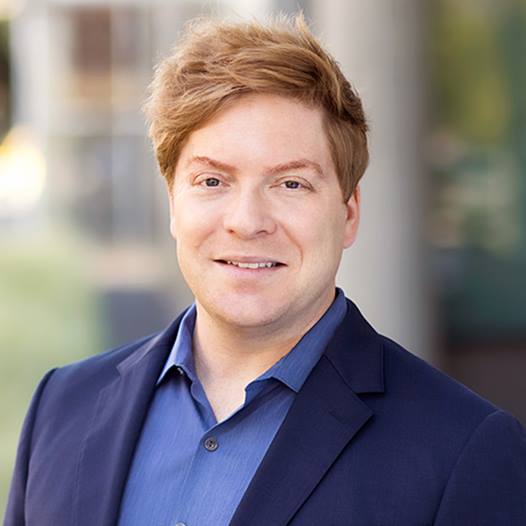
Matt Zinter
MD
Pediatric critical care specialist -
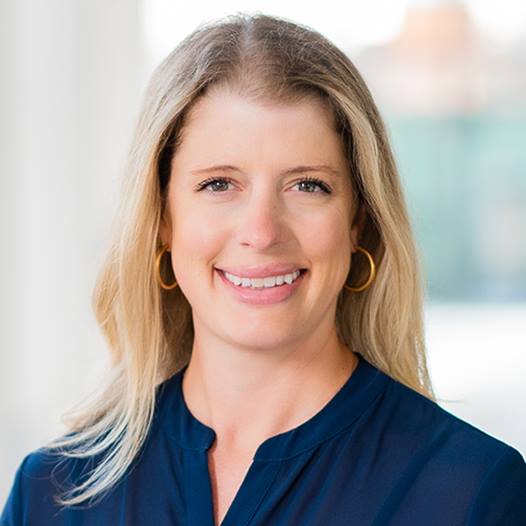
Mara Bailey-Olson
PNP, MSN
Pediatric nurse practitioner -
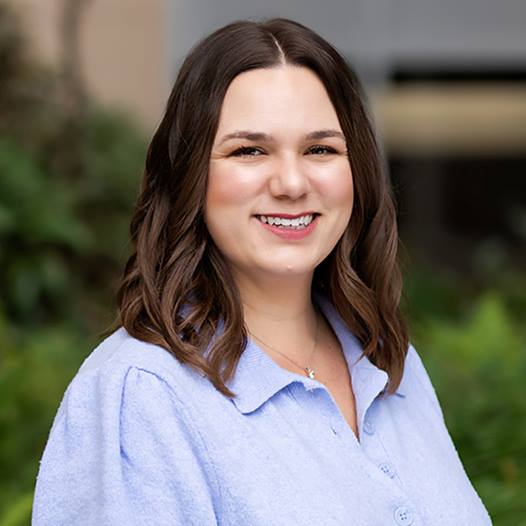
Kaila Brereton
PNP, MSN
Pediatric nurse practitioner -
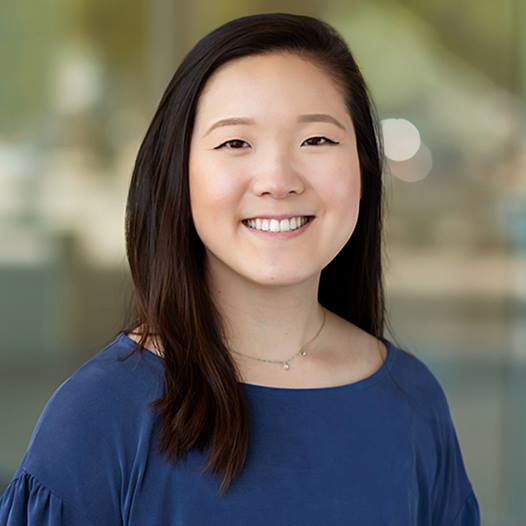
Sophia Chao
PNP, MSN
Pediatric nurse practitioner -
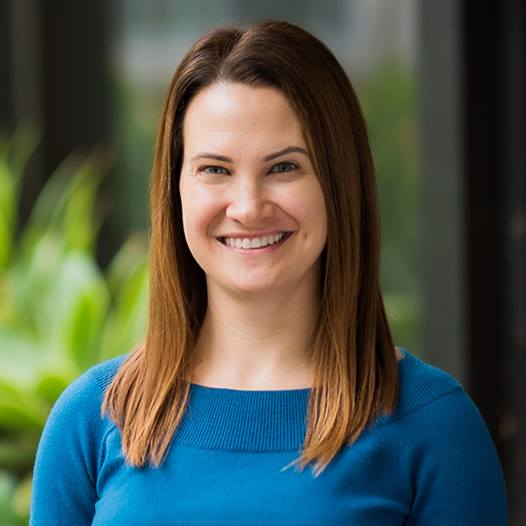
Janelle Facchino
PNP, MSN
Pediatric nurse practitioner -
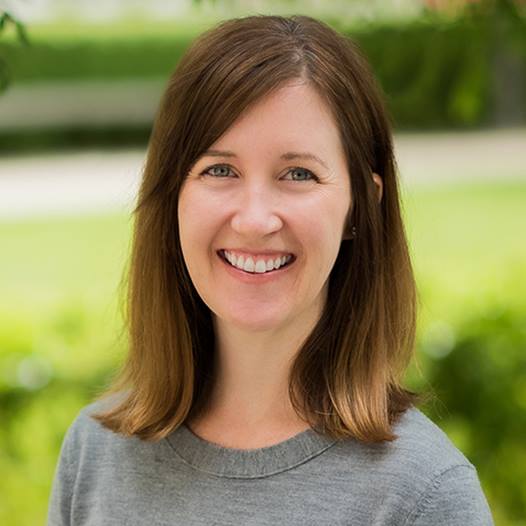
Jillian Foley
MSW, LCSW
Clinical social worker -

Shannon Gaine
FNP, MSN
Family nurse practitioner -
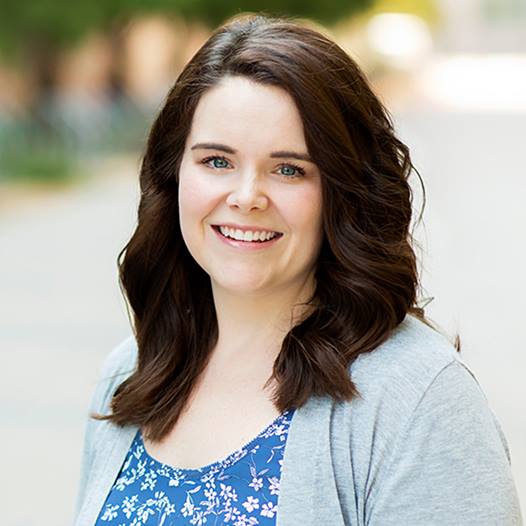
Brianne Gebhardt
FNP, DNP
Nurse practitioner -
Renita Joseph
RN, BSN
Nurse -
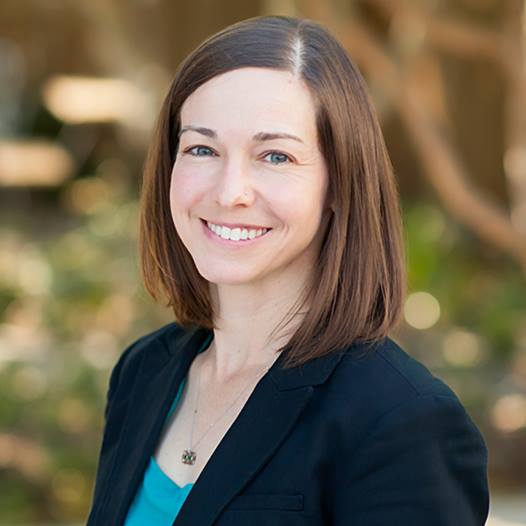
Mary N.R. Lesser
RD, MS, PhD
Dietitian -
Callie LoPresti
NP, MSN
Nurse practitioner -
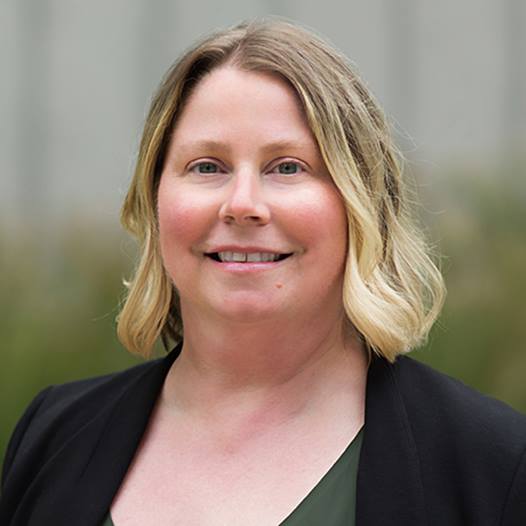
Janel Long-Boyle
PhD, PharmD
Pediatric pharmacologist -
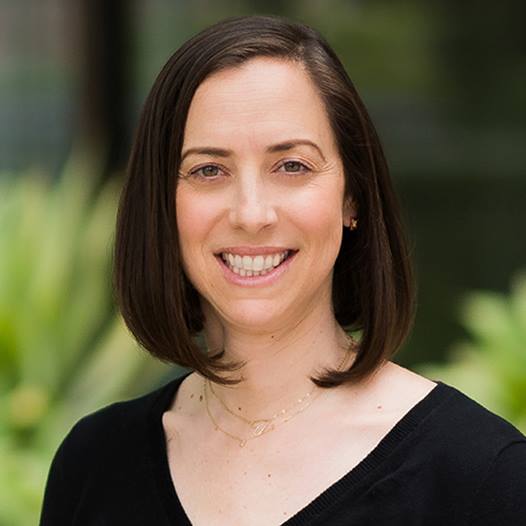
Jessica Manning
LCSW, MSW
Social worker -
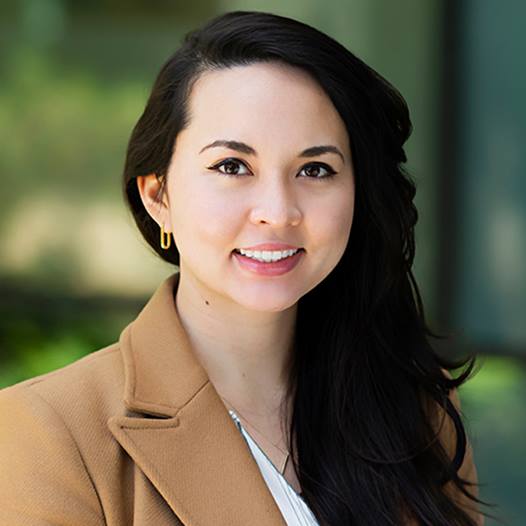
Ariane Man-Willrich
RN, BSN
Nurse coordinator -
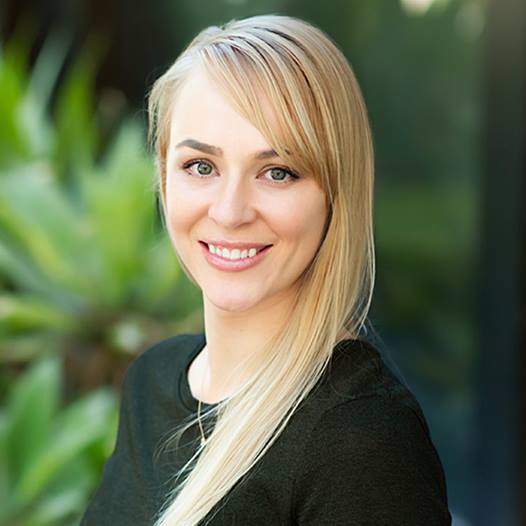
Megann Mucks
RN, BSN
Nurse coordinator -
Grace Nelson
PNP, MSN
Pediatric nurse practitioner -
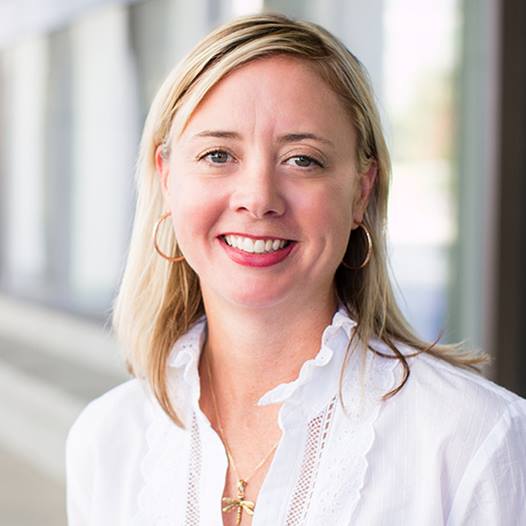
Sara O'Kane
PNP, MSN
Pediatric nurse practitioner -
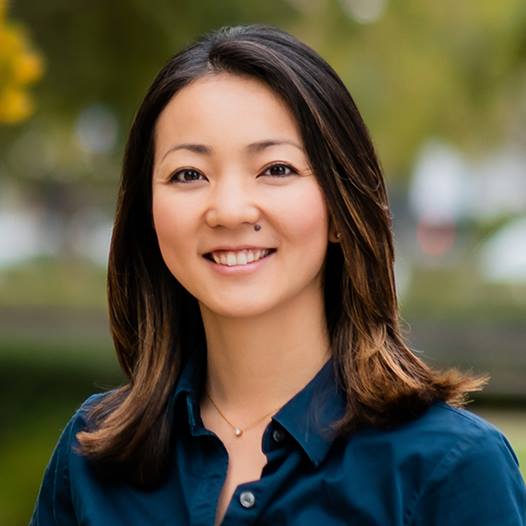
Makiko Omori
RD
Dietitian -

Stephanie Welty
MSN, PNP
Pediatric nurse practitioner -
Stacy Wolf
PNP, MSN
Pediatric nurse practitioner

Plan your visit
What to Bring
- Photo I.D.
- Health insurance card
- Insurance authorization, if required
- Doctor's referral, if required
- Recent test results related to your child's condition
- List of medications, including dosages, plus any your child is allergic to
- List of questions you may have
- Device or paper for taking notes



Related clinics (5)


Primary Immune Regulatory Disorder (PIRD) Clinic
Support services















Clinical trials

Autologous Gene Therapy for Artemis-Deficient SCID
Patient survival status and (if applicable) cause of death will be recorded to assess overall survival.
Recruiting
More about this study
TRANSPIRE: Lung Injury in a Longitudinal Cohort of Pediatric HSCT Patients
Participants will be assessed for lung injury at 24 months after HSCT
Recruiting
More about this study
A Feasibility Study Using CLINIMACS® for Alpha/Beta T-Cell Depletion in Stem Cell Transplant
The cumulative incidence of Grade III-IV acute GVHD at Day 100 will be summarized by incidence curves. GVHD evaluations will be performed using standard criteria.37 Patients with graft rejection will be censored.
Recruiting
More about this study
Caloric Restriction and Activity to Reduce Chemoresistance in B-ALL
To compare the rate of MRD >=0.01% at end of induction between experimental arm and control arm
Recruiting
More about this study
A Trial Comparing Unrelated Donor BMT With IST for Pediatric and Young Adult Patients With Seve...
The median time to failure or death will be compared on the two arms using the log-rank test. Failure of IST is defined as the date that a second definitive therapy was recommended (BMT, second course of ATG) and failure of BMT de...
Recruiting
More about this study
A Trial Comparing Unrelated Donor BMT With IST for Pediatric and Young Adult Patients With Seve...
The median time to failure or death will be compared on the two arms using the log-rank test. Failure of IST is defined as the date that a second definitive therapy was recommended (BMT, second course of ATG) and failure of BMT de...
Recruiting
More about this study
Transplantation of Clustered Regularly Interspaced Short Palindromic Repeats Modified Hematopoi...
The adverse event rate will be summarized using descriptive statistics, together with 95% confidence intervals where appropriate. No formal statistical hypothesis testing will be performed. Adverse events defined: failure of engra...
Recruiting
More about this study
Mismatched Related Donor Versus Matched Unrelated Donor Stem Cell Transplantation for Children,...
We will estimate the cumulative incidence of severe GVHD at 1-year post-HCT and corresponding 95% confidence interval among enrolled and eligible patients randomly assigned to either HAPLO or MUD arms who actually undergo HCT.
Recruiting
More about this study
Mismatched Related Donor Versus Matched Unrelated Donor Stem Cell Transplantation for Children,...
We will estimate the cumulative incidence of severe GVHD at 1-year post-HCT and corresponding 95% confidence interval among enrolled and eligible patients randomly assigned to either HAPLO or MUD arms who actually undergo HCT.
Recruiting
More about this study
Tagraxofusp in Pediatric Patients With Relapsed or Refractory CD123 Expressing Hematologic Mali...
The incidence of dose limiting toxicity (DLT) will be measured at different dose levels.
Recruiting
More about this studyOur research initiatives



Fetal surgery firsts
The first open fetal surgery in the world was performed at UCSF in the early 1980s.