



























Sure, you've heard that fiber is good for you, but do you know why? Four key benefits come from eating a diet rich in fiber.
- Fiber slows the rate that sugar is absorbed into the bloodstream. When you eat foods high in fiber, such as beans and whole grains, the sugar in those foods is absorbed slower, which keeps your blood glucose levels from rising too fast. This is good for you because spikes in glucose fall rapidly, which can make you feel hungry soon after eating and lead to overeating.
- Fiber makes your intestines move faster. When you eat whole grains rich in insoluble fiber, it moves faster through your intestines, which can help signal that you are full.
- Fiber cleans your colon, acting like a scrub brush. The scrub-brush effect of fiber helps clean out bacteria and other buildup in your intestines, and reduces your risk for colon cancer.
- Fiber helps keep you regular. A high-fiber diet helps you have soft, regular bowel movements, reducing constipation.
Adding Fiber to Your Family's Diet
The benefits of fiber are important for both you and your child, and the entire family should eat a diet rich in fiber. To add fiber to your family's diet, include the following foods. Check food labels for the grams of dietary fiber to find breads, cereals and other foods high in fiber.
- Whole grain breads with at least 3 grams of fiber per serving. Choosing whole wheat bread is not enough, as many varieties of whole wheat bread have very little fiber. Make sure to check the fiber content by reading the nutrition label.
- Cereals with at least 5 grams of fiber per serving. To find high-fiber cereals look for those made from whole grains, bran and rolled oats. Check the nutrition label to make sure it has enough fiber.
- Brown rice is brown because it still has the husk, which is the fiber. White rice does not have any fiber because the husks have been removed.
- Beans and legumes are great sources of both fiber and protein.
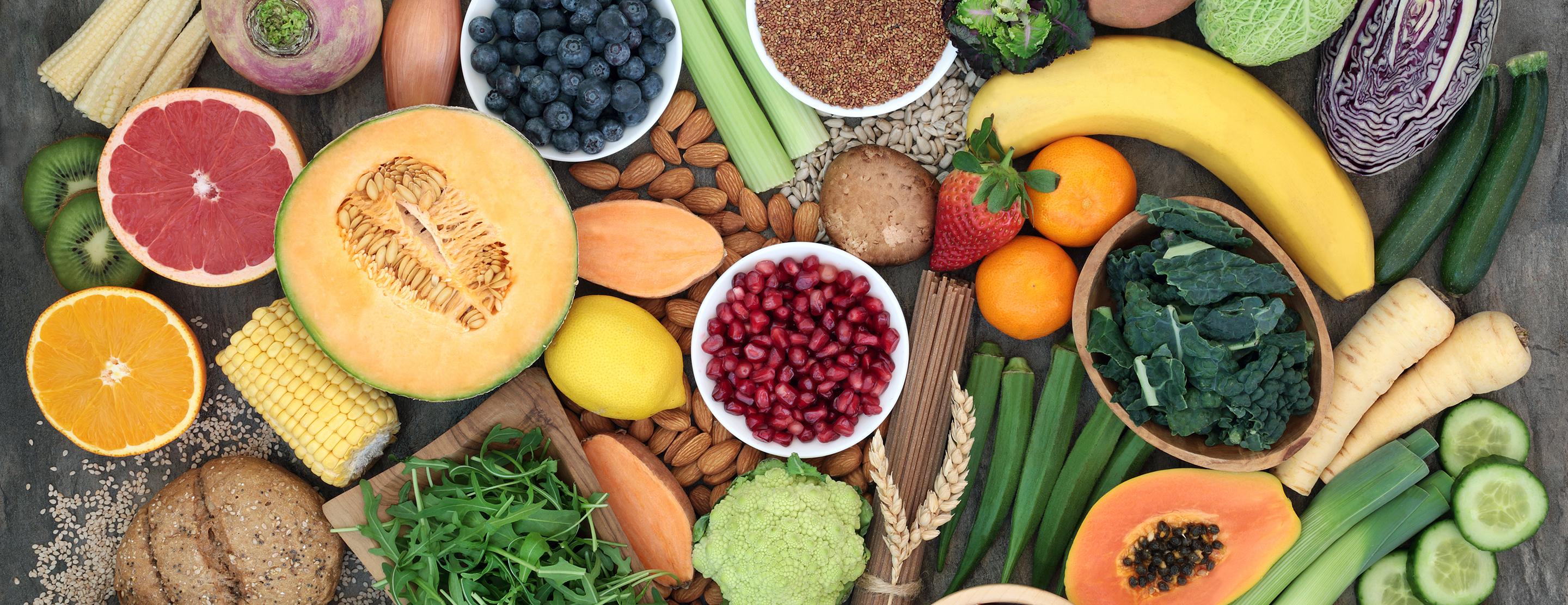
- Fruits and vegetables also contain fiber. This is one reason that eating fruit is much healthier than drinking juice, which does not contain fiber.