
Fetal surgery firsts
The first open fetal surgery in the world was performed at UCSF in the early 1980s.





Here to serve you
Explore our network of care for kids, from the tiniest to teens and young adults.




World-class docs
We'll help you find the best provider for your child.




Stress-free visits
Accommodations. Admission. Discharge. Procedure prep. We've got you covered.




Extraordinary kid care
Our specialists handle conditions ranging from the common to the most rare.




Referrals made easy
Contacts and resources to get your patients to our pediatric specialists




Best in Northern CA
We're ranked #1 in pediatric cancer, heart surgery, cardiology & more.





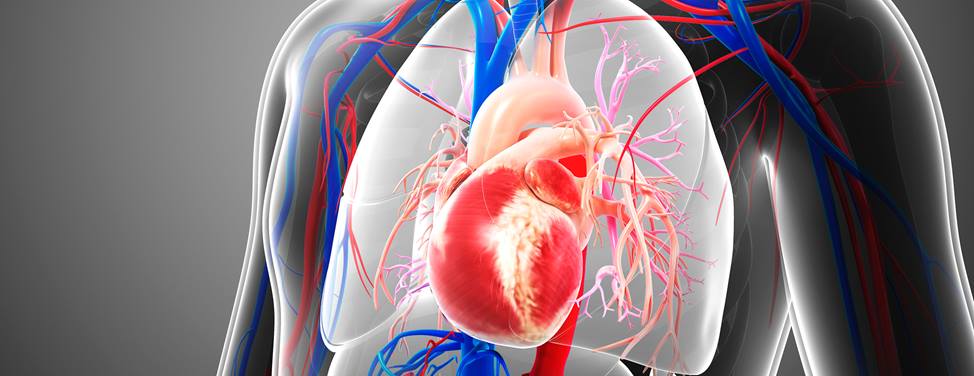
Heart block occurs when the electrical impulses that make the heart beat do not transmit normally. Normally, these impulses travel from the heart's upper chambers, called the atria, to the lower chambers, called the ventricles, through the atrioventricular (AV) node. In heart block, the AV node may be damaged from surgery, medications or congenital heart conditions. Heart block affects the heart's ability to pump blood and the body's blood pressure, and can cause an abnormally slow heart rhythm called bradycardia. An implanted artificial pacemaker can restore a normal heart rate and rhythm.
Heart block may cause the following symptoms:
It is important to note that during a period of heart block, children may not know how to describe what they are feeling. They may have trouble keeping up with other children or realize they are having "spells" and want to sit down and rest. Sometimes, a child does not experience any symptoms at all.
Heart block may occur spontaneously with unpredictable timing. Therefore, in some cases, specialized tests may be needed to make an accurate diagnosis. If your doctor suspects that your child has heart block, he or she will order one or more of the following diagnostic tests to determine the cause of your child's symptoms.
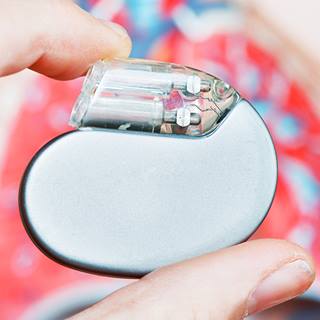
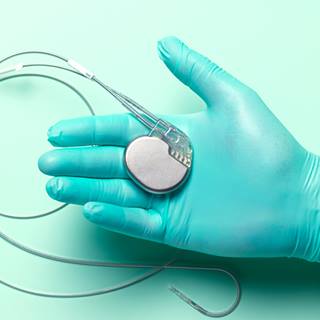
Heart block can be treated with the implantation of a permanent pacemaker, which regulates the heart beat. It consists of two parts — the generator and the lead. The generator is a small metal container with a battery and tiny computer. The lead is an insulated wire that carries electrical impulses to the heart to ensure a stable heartbeat.
The computer in the pacemaker is constantly monitoring your child's heartbeat. This is called sensing. When the pacemaker senses your child's heartbeat, it continues to monitor your child's heart and does not send a signal to stimulate the heart to beat. However, if no electrical impulse is detected by the pacemaker, it sends out a signal to stimulate your child's heart to beat.
For information on how a pacemaker is implanted, please see Pediatric Pacemaker Procedure.
UCSF Benioff Children's Hospitals medical specialists have reviewed this information. It is for educational purposes only and is not intended to replace the advice of your child's doctor or other health care provider. We encourage you to discuss any questions or concerns you may have with your child's provider.
Best in Northern California for cardiology & heart surgery

Ranked among the nation's best in 10 specialties
Fetal surgery firsts