


























Profiles |
 |
 |
A B C D F H I K L M N O P All Documents
Analisa Garcia
Fetal Surgery Allowed Her Lungs to Develop
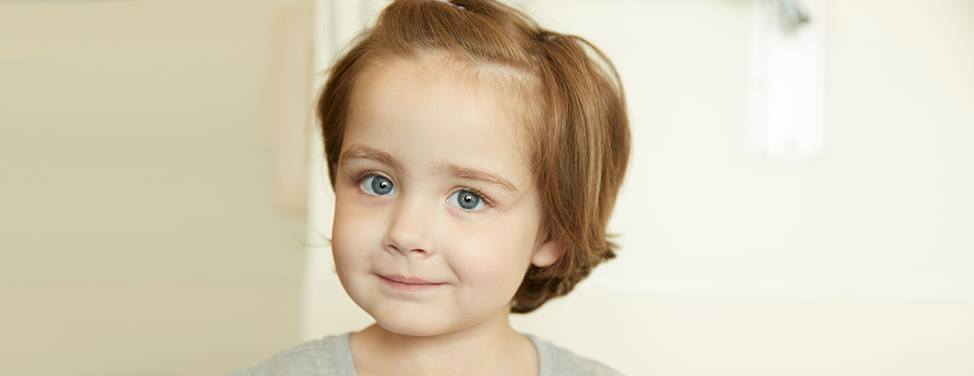
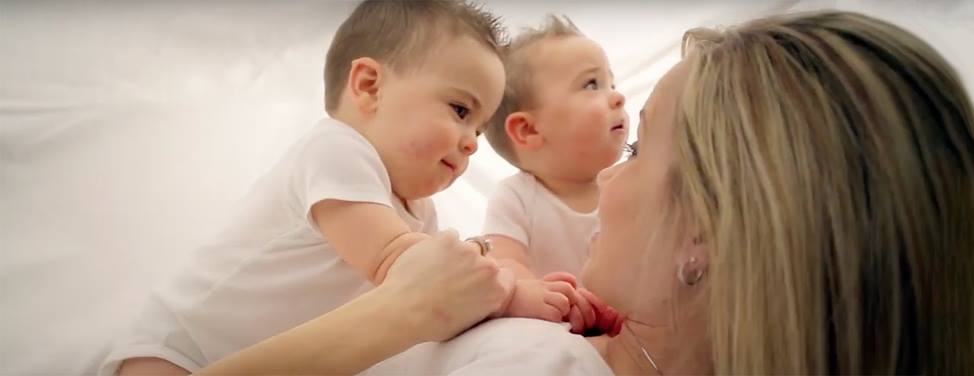
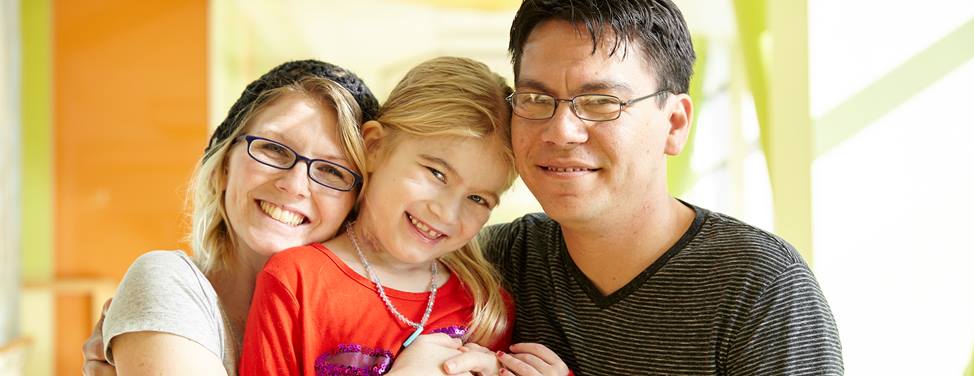
Analisa Garcia lives in a typical child's world of fantasy and princesses — Cinderella, Snow White, the Little Mermaid — any Disney princess will do. The 3-year-old happily brings stacks of books featuring her favorite characters to her parents, Kristin and Tony, and will insist that each one be read to her.
Analisa doesn't know yet that the story of how she was born is in many ways more fantastic than anything Disney could invent.
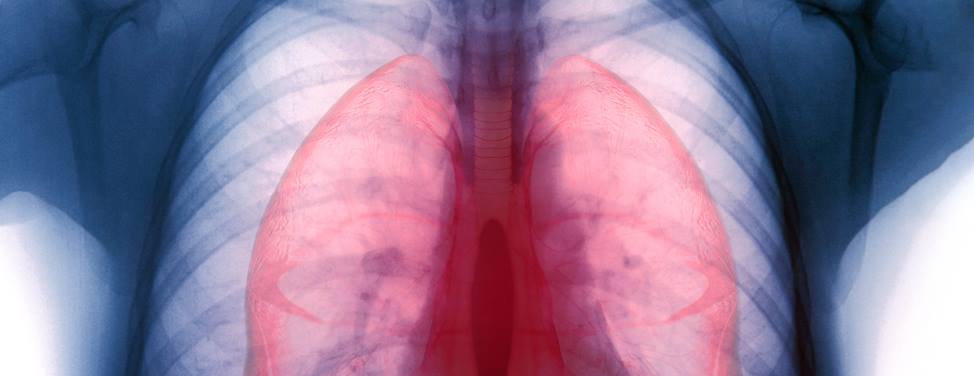
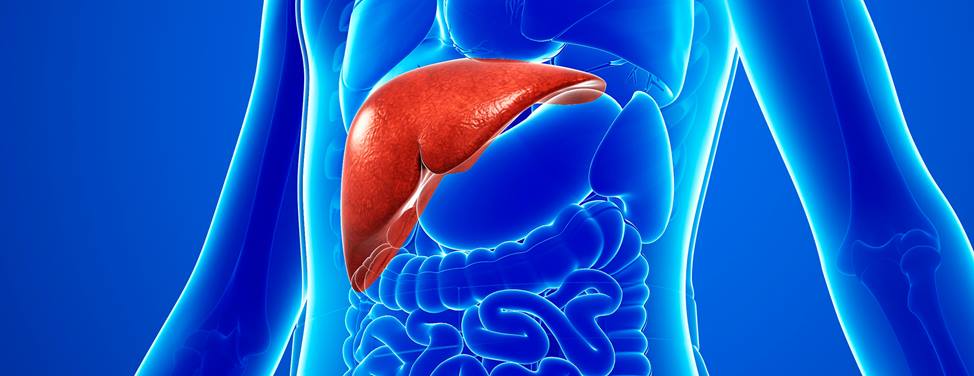
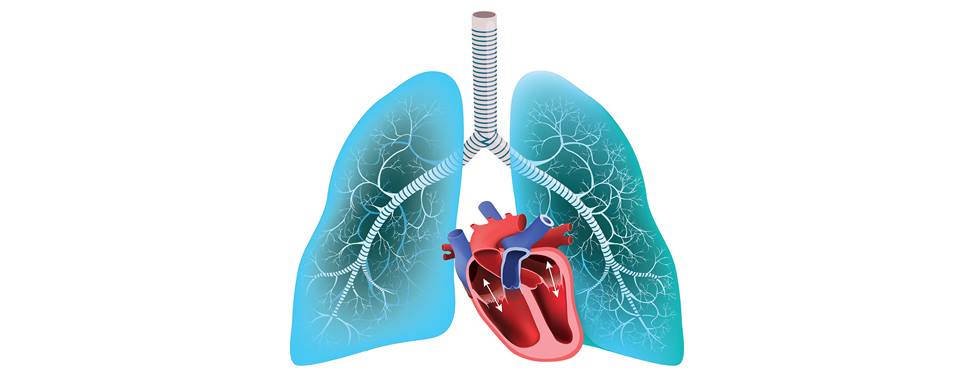
Kristin and Tony learned early in her pregnancy that their unborn baby had a condition called congenital diaphragmatic hernia (CDH) in which a hole in her diaphragm had allowed the liver and other organs to migrate into the chest, impeding normal lung development.
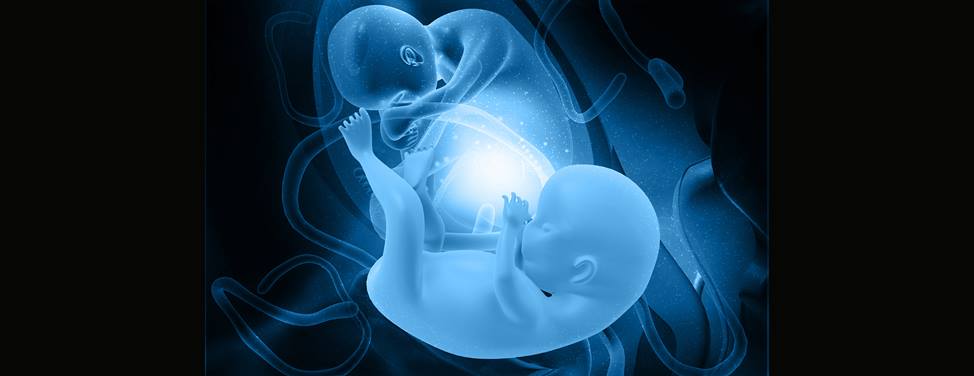
Kristin learned from a computer search that experts at UCSF Children's Hospital were the world's leaders in treating life-threatening defects before birth by opening the uterus, operating on the fetus and closing the incision so the pregnancy can continue. By the time Kristin came to them, they were performing operations while the fetus floats inside the womb. They use miniature instruments and a tiny telescope, called a fetoscope, so they can see what they are doing. The baby the Garcias named Analisa was only the 15th child in the world to have this fetoscopic surgery.
On Jan. 7, 1999, Dr. Michael Harrison, known as the father of fetal surgery, and the rest of the UCSF Fetal Treatment Center team, created a small incision in Kristin's womb. Through that incision, they inserted an instrument to cut into her baby's windpipe and place a tiny clip. The clip (a balloon is now used for this procedure) allowed fluid to build up in Analisa's lungs instead of being expelled into the amniotic fluid as usual. The accumulated fluid forced the lungs to stretch and enlarge.
The surgery went well. Kristin suffered some complications but recovered. Seven weeks after the surgery and eight weeks premature, Analisa was born in a special Caesarean operation developed by the UCSF team, in which she remained on the life support of the placental circulation until the clip was removed from her throat and liquid suctioned from her lungs. She weighed just over 4 pounds.
During an operation three days later, Analisa's organs were moved to the proper place in her abdomen and a hole in her diaphragm was closed with a patch. She stayed in UCSF's Intensive Care Nursery for six weeks learning to breathe and eat on her own and receiving constant visits from her parents before being released to her waiting family.
Over the next year, Analisa needed two other operations to repair her diaphragm. She takes medications to care for asthma and reflux, two conditions that sometimes occur to children with congenital diaphragmatic hernia. But her lungs have caught up with her size and she is growing up a normal healthy little girl.
Now she returns to UCSF Children's Hospital for an occasional check-up and the annual Intensive Care Nursery Halloween Party. Last year, she came to the party as — who else? — Cinderella.
|