



























Neonatal Intensive Care Nursery
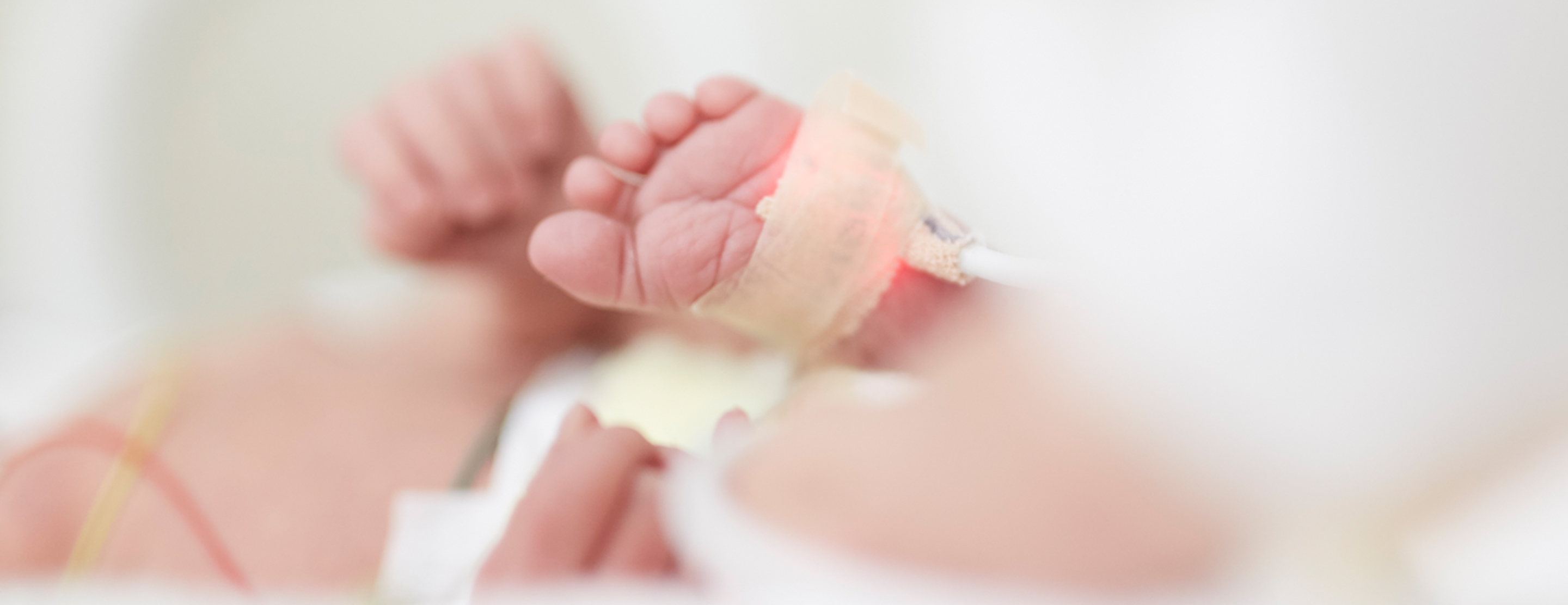
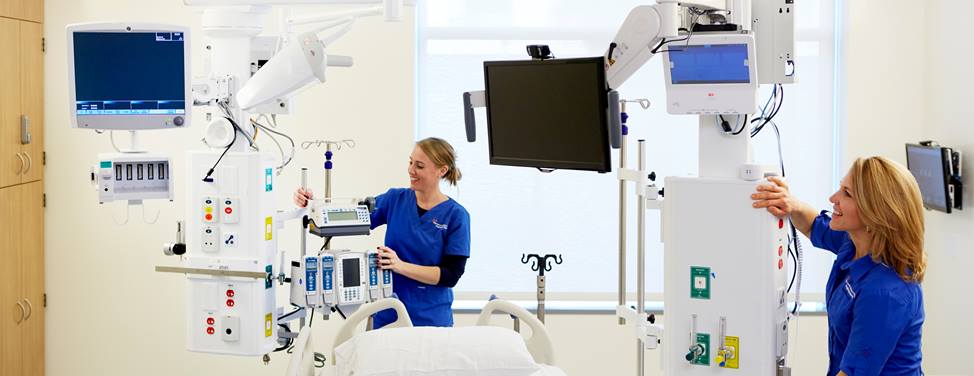
UCSF is a national leader in newborn care. Our children's hospitals in San Francisco and Oakland each have a neonatal intensive care unit (NICU) devoted to providing the most advanced care available to critically ill infants. As certified level IV regional NICUs, they both are capable of providing all levels of newborn care, from basic to most intensive, and draw patients from across the region. Our San Francisco location, the William H. Tooley Intensive Care Nursery, was among the first NICUs in the world.
Through the years, our doctors have pioneered a range of diagnostic techniques and treatments for the sickest, smallest, most fragile babies. Recently, we became the first hospital in Northern California to offer rapid whole genome sequencing – the latest and most comprehensive genetic test available – for newborns with suspected genetic disorders.
Who needs a NICU?
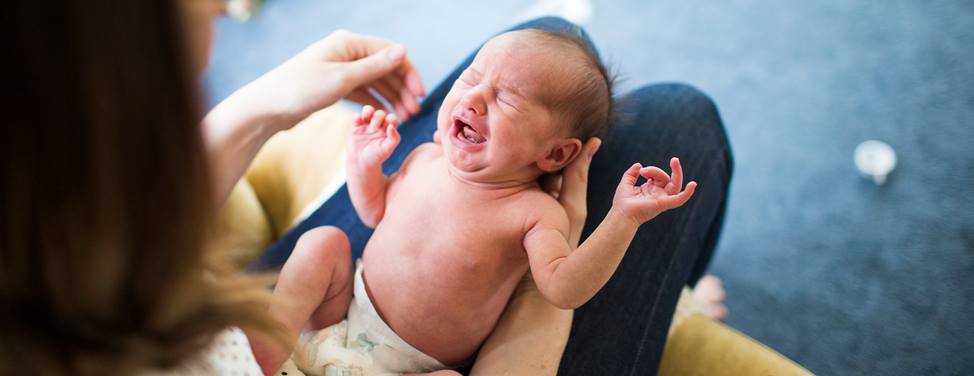
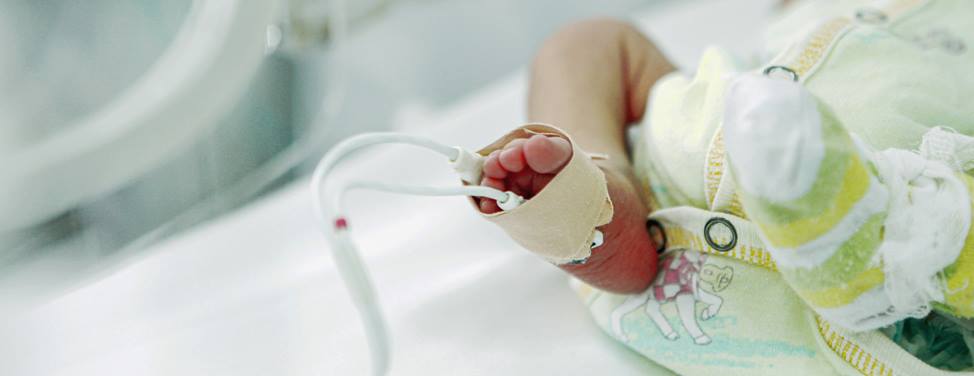
The NICU is for babies who need specialized around-the-clock care. Our patients include preemies, infants with serious birth defects, and newborns awaiting or recovering from surgery.
Who will be caring for my child?
Our NICU is staffed by:
- Doctors and nurse practitioners who specialize in newborn care
- Nurses trained in other specialties
- Respiratory therapists
- Social workers
- Developmental therapists
Our team members work closely with each other, and with the specialists treating each infant's particular condition, to provide care whose effects last well beyond the initial treatment and recovery period. In Oakland, our NICU team has particular expertise in caring for newborns with bronchopulmonary dysplasia and severe gastrointestinal conditions.
More than medicine
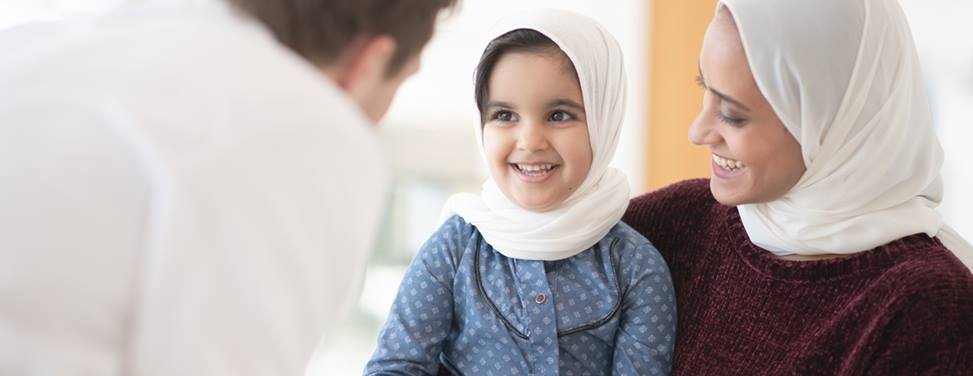
We recognize the importance of tending to our patients' and their families' emotional needs. We encourage parents to spend as much time with their babies as possible. Siblings also are welcome to visit after they're screened by our unit services coordinator.
Because the NICU is an intense environment, we have developmental specialists on hand who work to reduce the stress of illness or prematurity for each infant in our care. They teach parents how to hold and touch a medically fragile infant and help them understand their baby's signals and cues.
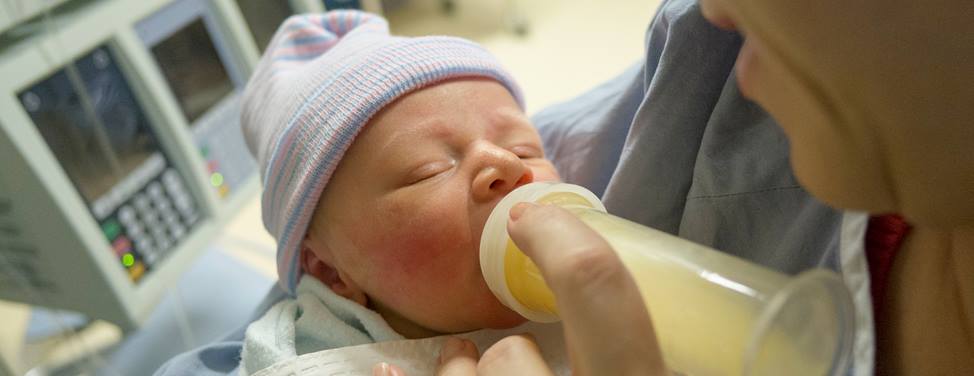
To support breastfeeding mothers, board-certified lactation consultants are available seven days a week at our San Francisco nursery. At our Oakland NICU, lactation support is provided by doctors, nurses, occupational therapists and registered dietitians.
Other services for families with babies in our NICUs include spiritual care, a parent support group and a social worker.
What sets us apart
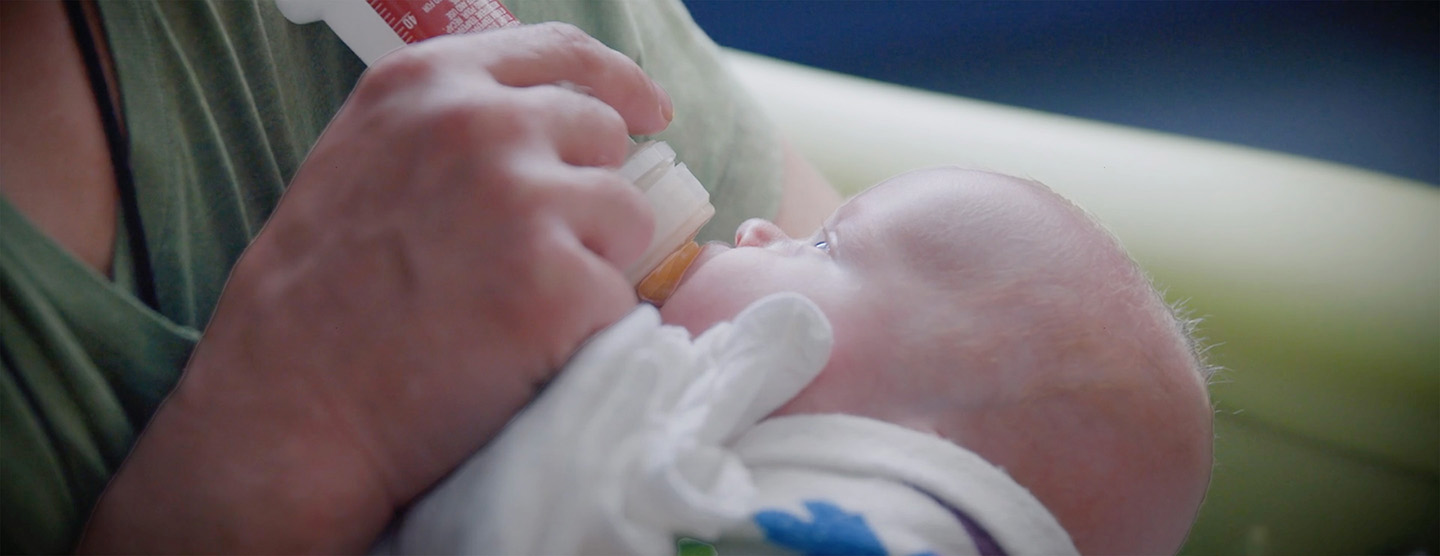
Expert care for fragile newborns
Our team of experienced neonatal specialists helps prepare babies born with complex conditions for their homecoming.
Our locations (2)
Special programs

Whole Genome Sequencing Program
Raid whole genome sequencing can quickly detect almost any genetic issue in a fetus or baby. It’s the most comprehensive genetic test available.
Start readingOur team
-
Yao Sun
MD, PhD
Neonatologist and perinatologist -
Arthur E. D'Harlingue
MD
Neonatologist -
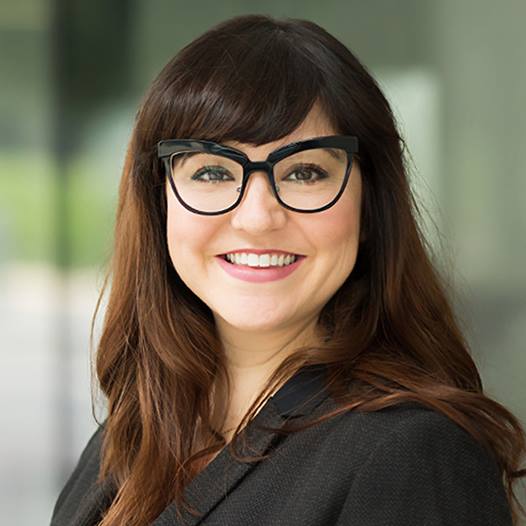
Jessica Alsofrom
MD
Neonatologist -
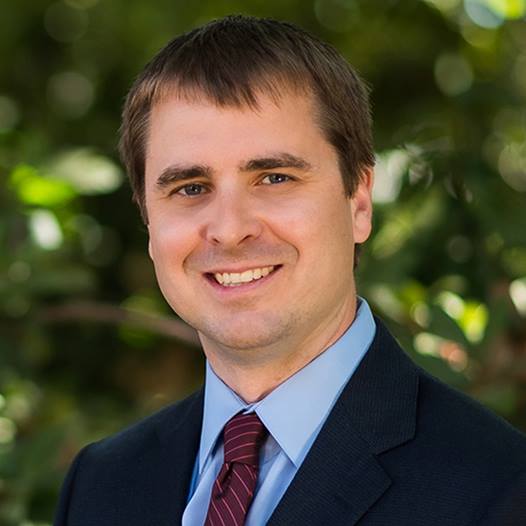
James Anderson
MD
Neonatologist -
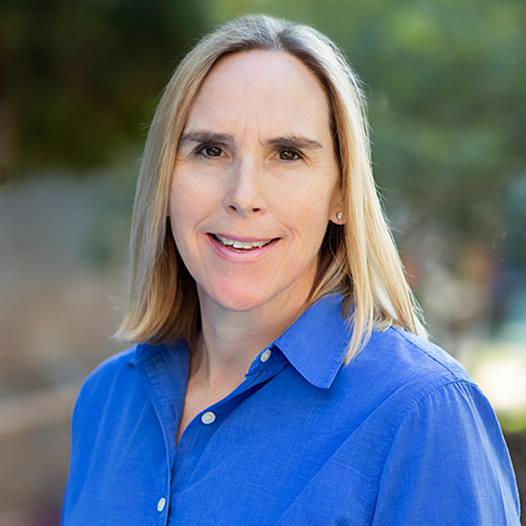
Stacie Bennett
MD
Neonatologist -
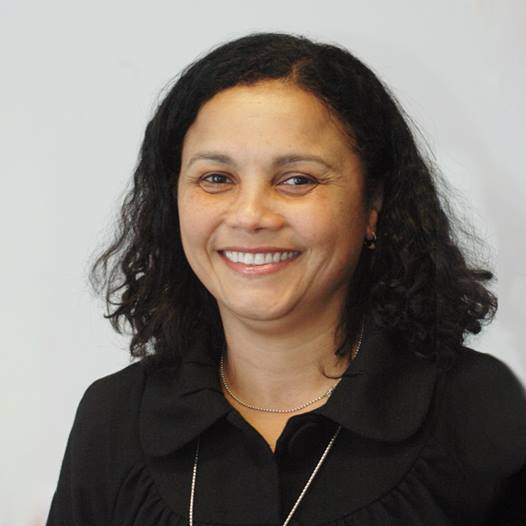
Margarita Berrios
MD
Neonatologist -

William Binder
MD, FAAP
Neonatologist -
Carlos Botas
MD
Neonatologist -
Rebecca Carter
MD
Neonatologist -
Lilia Chang De Jesus
MD
Neonatologist -
Ronald I. Clyman
MD
Neonatologist -
Elizabeth Crouch
MD
Neonatologist -
Adam DeTora
MD
Neonatologist and perinatologist -
Golde Dudell
MD
Neonatologist -
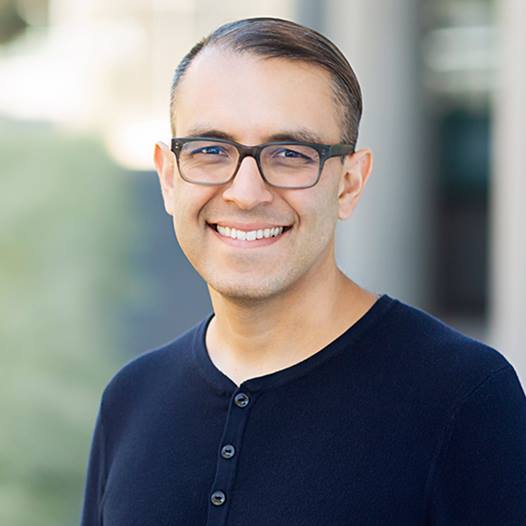
Fernando Gonzalez
MD
Neonatologist -
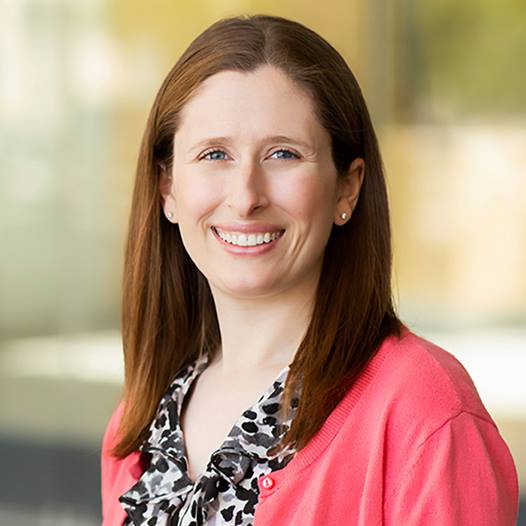
Kimberly Grelli
MD
Neonatologist -
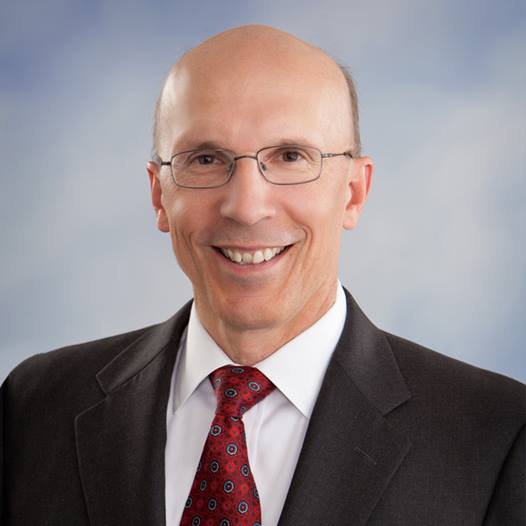
Steven Gwiazdowski
MD
Neonatologist -
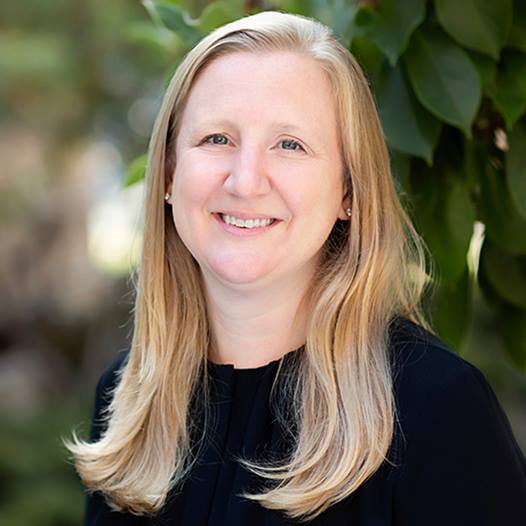
Kristin Elizabeth Hubert
MD
Neonatologist -
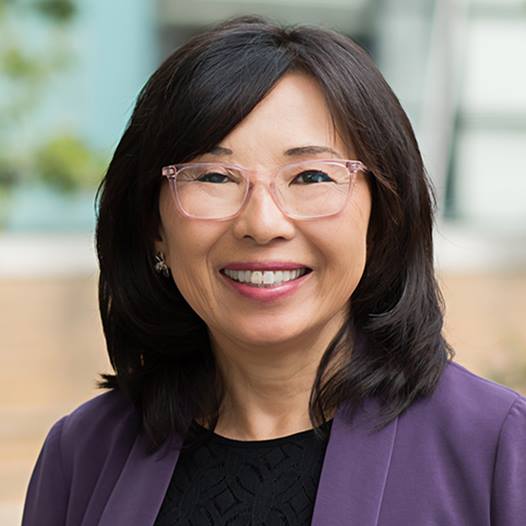
Priscilla Joe
MD
Neonatologist -
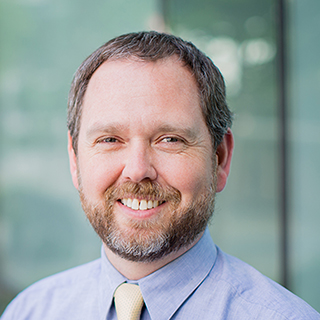
Luke M. Judge
MD, PhD
Neonatologist -
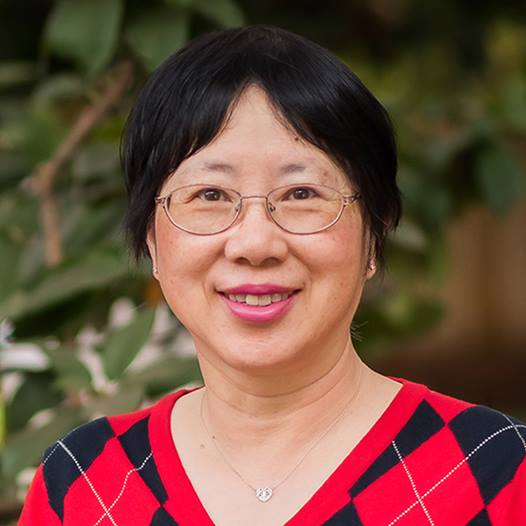
Lily Kao
MD
Neonatologist -
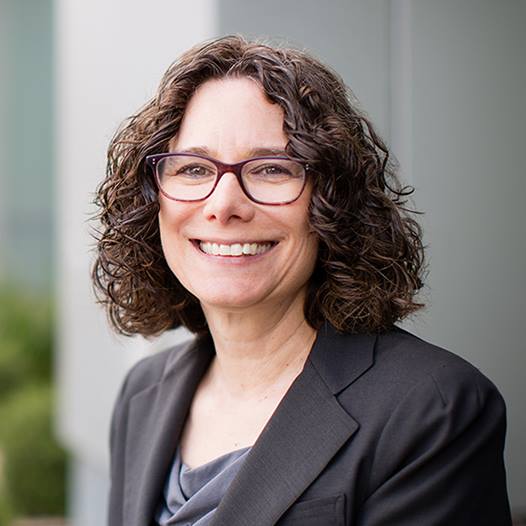
Roberta Keller
MD
Neonatologist -
Genevieve Kinsey
MD
Neonatologist -
Katelin Kramer
MD, MS
Neonatologist -
Kimberly Larson
MD
Neonatologist -
Jennifer Levy
MD
Neonatologist -
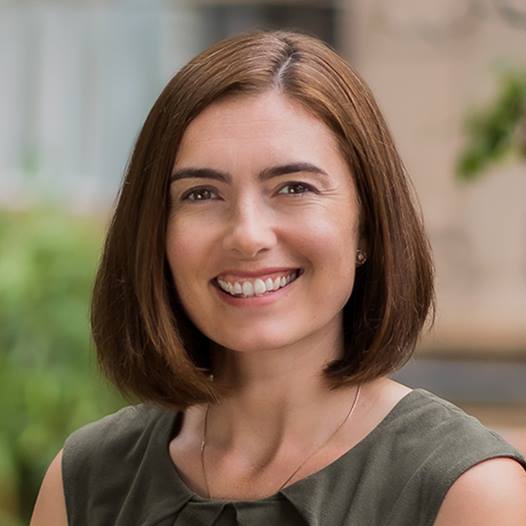
Leslie Lusk
MD
Neonatologist -
Spencer Magargal
MD
Neonatologist -
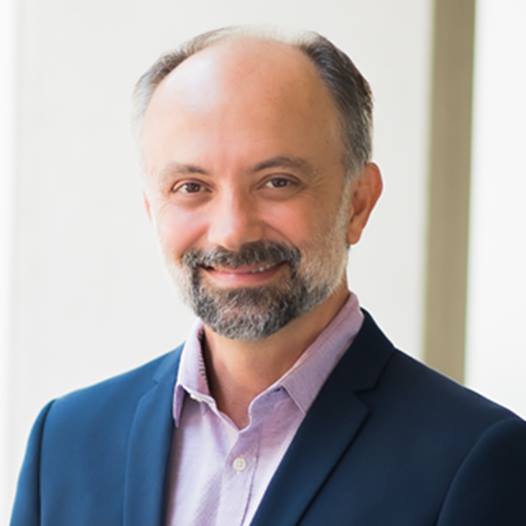
Emin Maltepe
MD
Neonatologist -
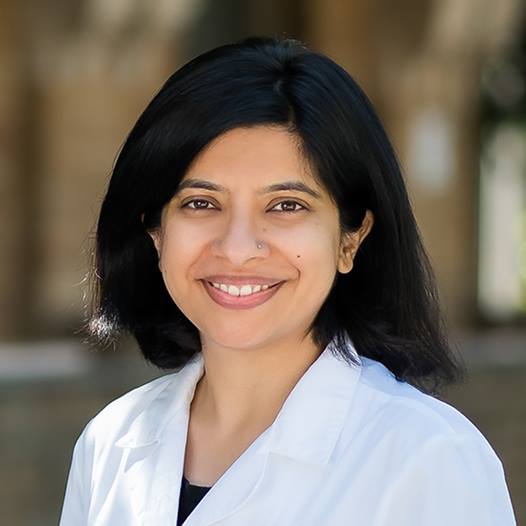
Nandita Mandhani
MBBS
Neonatologist -
James McGuire
MD, MPH
Neonatologist -
Jeffrey Merrill
MD
Neonatologist -
Brian L. Montenegro
MD
Neonatologist -
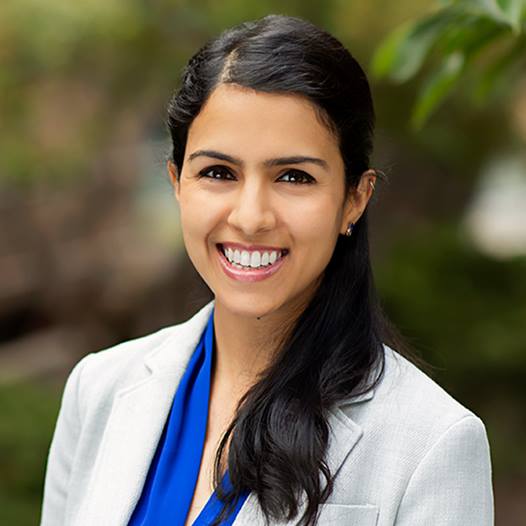
Vidya Pai
MD
Neonatologist -
J. Colin Partridge
MD, MPH
Neonatologist -
Shilpa Patil
MD
Neonatologist -
Mark Petersen
MD
Neonatologist -
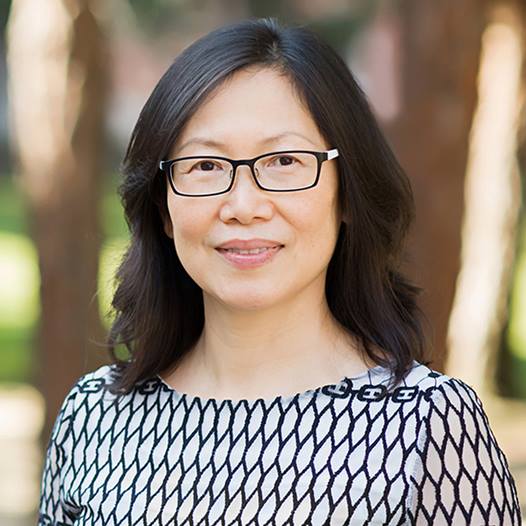
Xianhua Piao
MD, PhD, MS
Neonatologist -
Kathryn Ponder
MD
Neonatologist -
Amber Pope
MD
Neonatologist -
Srujana Rallabandi
MBBS, MPH
Neonatologist -
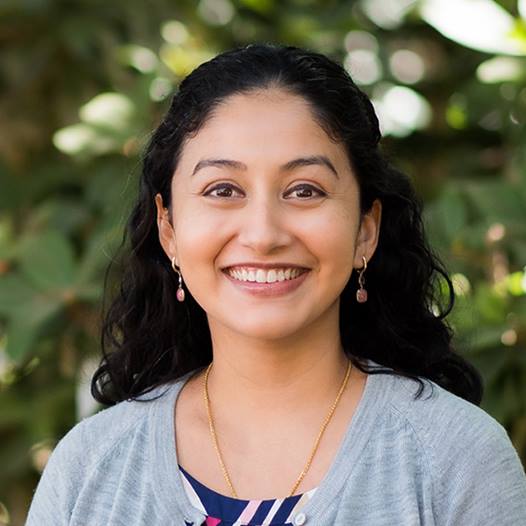
Jayalakshmi Ravindran
MD
Neonatologist -
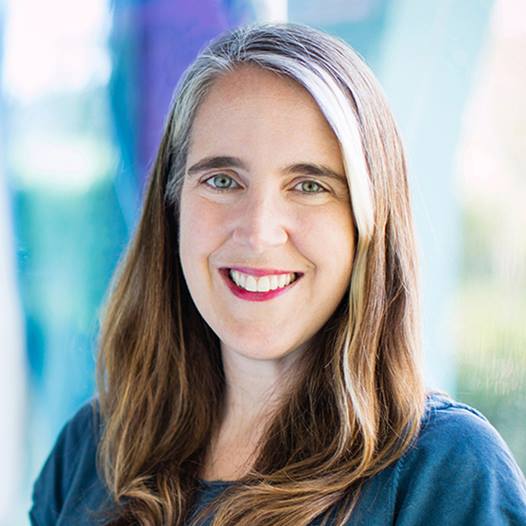
Elizabeth E. Rogers
MD
Neonatologist -
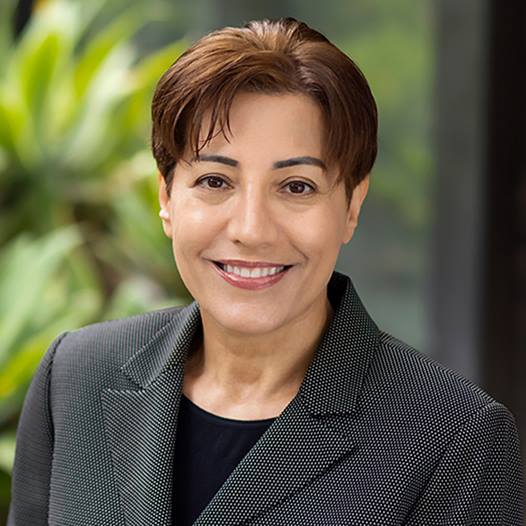
Nahid Rostami
MD, FAAP
Neonatologist -
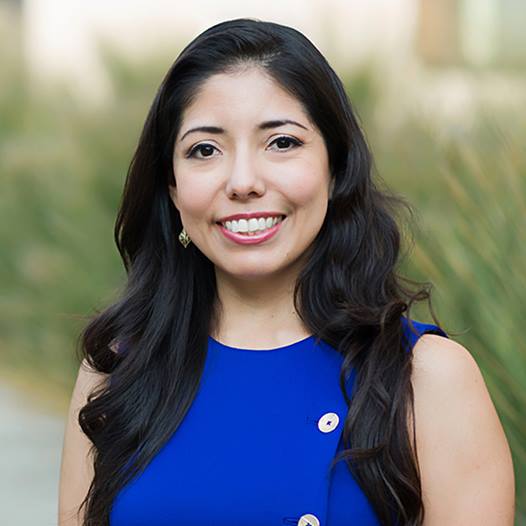
Laura Rubinos
MD
Neonatologist -
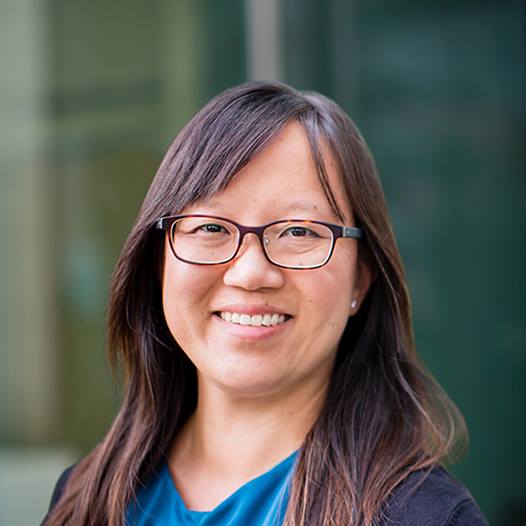
Janet Shimotake
MD
Neonatologist -
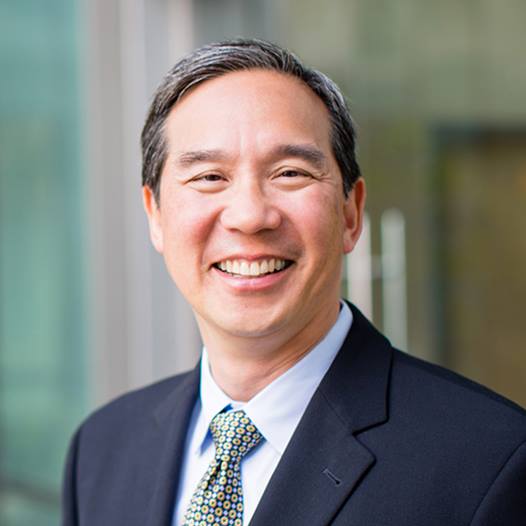
Thomas Shimotake
MD
Neonatologist -
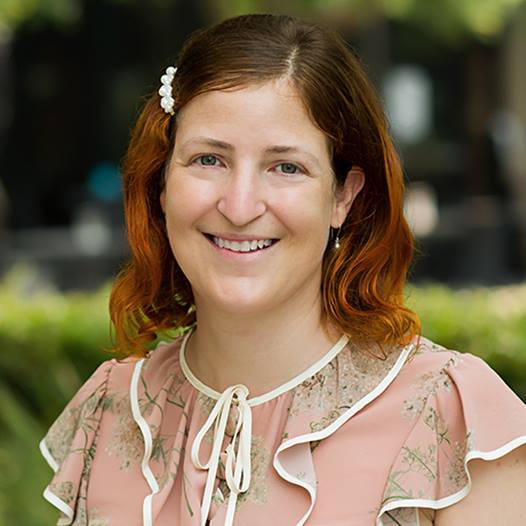
Martina A. Steurer
MD, MAS
Neonatologist and pediatric cardiac critical care specialist -
Kristina Stillwell
MD
Neonatologist -
Sarah Styles
DO
Neonatologist -
Anna Usowicz
MD
Neonatologist -
Sandra Wai
MD
Neonatologist -
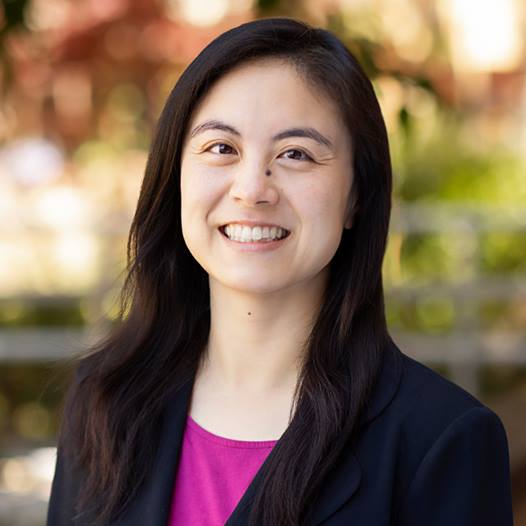
Katherine Y. Wu
MD
Neonatologist -
Robin Bisgaard
RN, MSN
Nurse -
Elana Curry
LCSW, MSW
Social worker -
Madeleine Dreyfus
MSW
Social worker -
Monica Ibarra-Yaquian
LCSW, MSW
Clinical social worker -
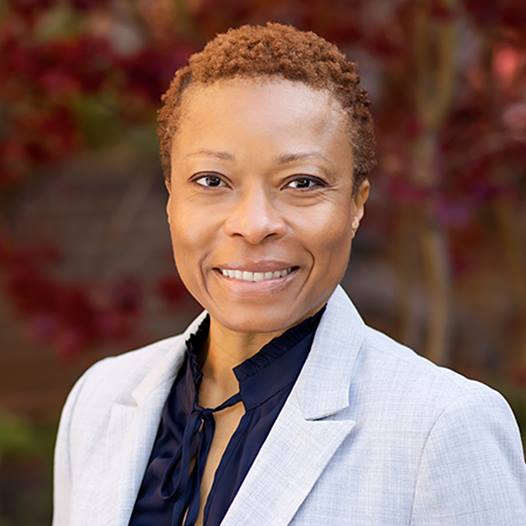
Erna Josiah-Davis
NP, MSN
Nurse practitioner -
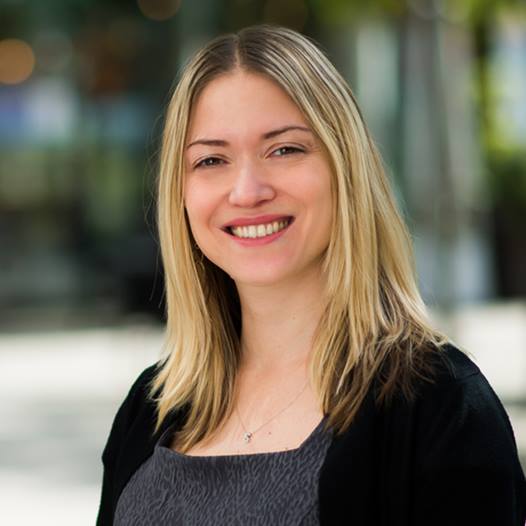
Sharon Nomburg
LCSW, MSW
Social worker -
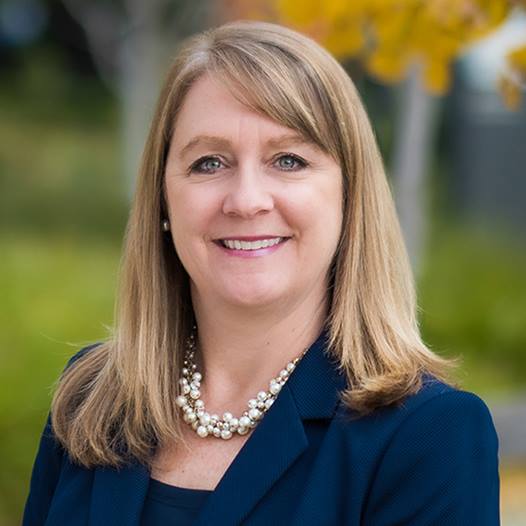
Stacie Rohovit
NP, MSN
Nurse practitioner -
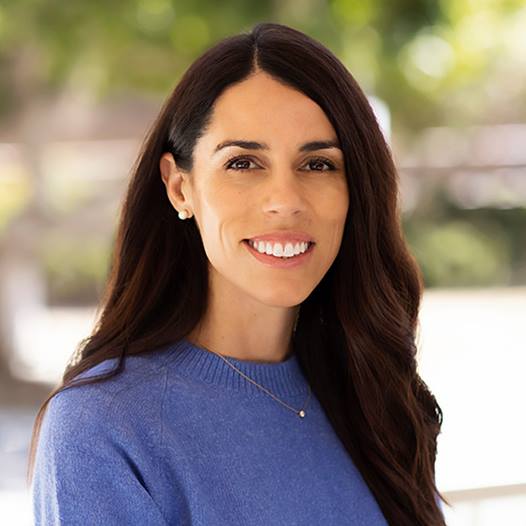
Stephanie Smith
NP, MSN
Nurse practitioner -
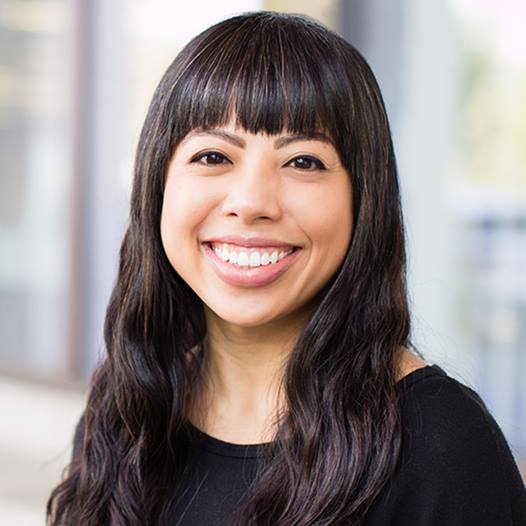
Maricar Aguilar Tabios
LCSW
Social worker
Awards & recognition
-
Top 10 in the nation for neonatology
-
Ranked among the nation's best in 10 specialties
Recommended reading
Related clinics (3)
 2
2
Pediatric Cardiac Intensive Care Unit
Support services



Our research initiatives
Feeling at home
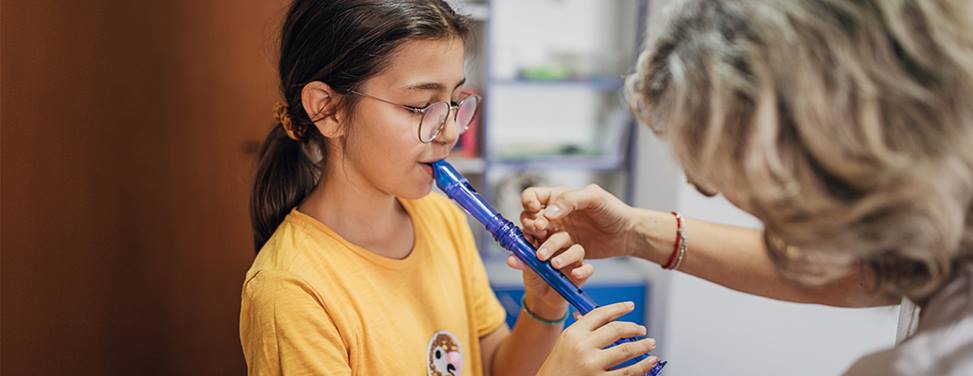
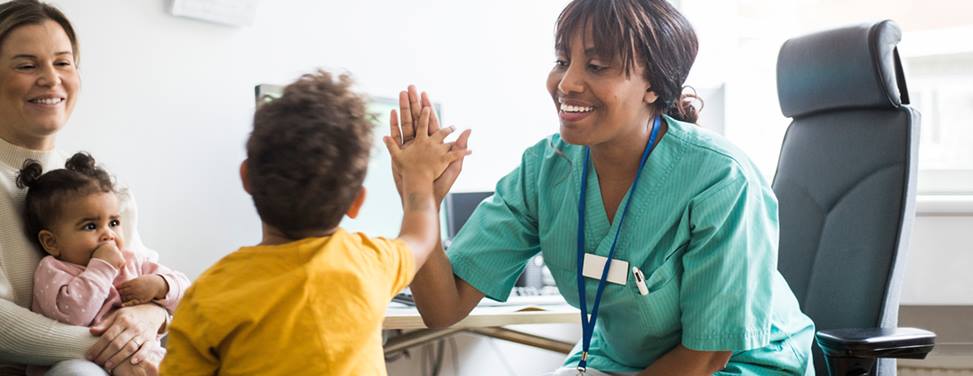
From bedside bingo to therapy dogs, we're here to help kids smile and feel more like themselves.
Visit Child Life services