
Bladder Cancer
On this page
Overview
What is bladder cancer?
Your bladder is located in your lower abdomen and works with your kidneys to eliminate toxins from your body. The bladder has a muscular wall that expands and contracts, allowing it to store and release urine.
Bladder cancer develops when cells grow uncontrollably in the lining of the bladder. These cells can start to form tumors and spread to other areas of the body.
Fortunately, the majority of bladder cancers do not grow rapidly. Thus, most patients with bladder cancer are not at risk of developing a cancer that will spread and become life threatening. Early detection is vital, since prompt treatment gives patients the best chance for a favorable outlook.
Our approach to bladder cancer
At UCSF, our urologic oncologists are leaders in cancer risk assessment, genetic testing, and cancer prevention. They are also internationally recognized experts in the treatment of bladder cancer.
Our patients can benefit from our innovative diagnostic tools and treatments, including surgery, radiation, chemotherapy and immunotherapy. Patients may also benefit from promising new treatments, educational resources and support groups.
Risks of bladder cancer
There are many factors that can contribute to the development of bladder cancer. Not all of these factors directly cause the cancer, but they may affect or damage the cells, increasing the risk of developing bladder cancer. These factors include:
- A family history of bladder cancer
- Changes in certain genes, including HRAS, RB1, PTEN/MMAC1, NAT2 and GSTM1
- Prolonged contact with certain paints, dyes, metals or petroleum products
- Past treatment with radiation to the pelvis or certain anticancer drugs.
- Consumption of water that has been treated with chlorine or contaminated with arsenic
- Prolonged use of a catheter
Types of bladder cancer
Bladder cancer can be categorized as superficial or invasive.
Superficial bladder cancer
Superficial bladder cancer is limited to the lining of the bladder. This type of cancer may start in the bladder's transitional cells or squamous cells. It often comes back after treatment, but it does not tend to progress. There are two subcategories of superficial bladder cancer:
- Transitional cell carcinoma. More than 90 percent of bladder cancers begin in the transitional cells.
- Squamous cell carcinoma. About 8 percent of bladder cancers begin in the squamous cells.
Invasive cancer
Cancer that grows through the lining and into the muscular wall of the bladder is known as invasive cancer. It may grow into a nearby organ such as the uterus or vagina in women or the prostate gland in men. It also may spread to other parts of the body.
Metastatic bladder cancer
When bladder cancer spreads outside the bladder, cancer cells are often found in nearby lymph nodes. If cancer cells have reached the surrounding lymph nodes, they may have also spread to other organs, such as the lungs, liver or bones.
When cancer spreads or metastasizes from its original place to another part of the body, the new tumor has the same kind of abnormal cells and the same name as the primary tumor.
For example, if bladder cancer spreads to the lungs, the cancer cells in the lungs are actually bladder cancer cells. The disease is metastatic bladder cancer, not lung cancer, and is treated as such.
Symptoms of bladder cancer
Common symptoms of bladder cancer include:
- Blood in the urine, making the urine slightly rusty to deep red
- Pain during urination
- Frequent urination, or feeling the need to urinate without results
These symptoms are not sure signs of bladder cancer. Infections, benign tumors, bladder stones or other problems also can cause these symptoms.
Diagnosis of bladder cancer
If you have symptoms that suggest bladder cancer, your doctor may check your overall health and order lab tests. Typical testing may include one or more of the following:
- Physical exam. The doctor feels your abdomen and pelvis for tumors. This may include a rectal or vaginal exam.
- Urine tests. The laboratory checks your urine for blood, cancer cells and other signs of disease.
- Intravenous pyelogram. During this test, dye is injected into a blood vessel. The dye collects in the urine, making the bladder show up on X-rays.
- Cystoscopy. A thin, lighted tube, called a cystoscope, is used to look directly into the bladder. The doctor inserts the cystoscope into the bladder through the urethra, which urine flows through to exit the body. The cystoscope is used to examine the lining of the bladder. The patient usually does not need anesthesia for this procedure.
Treatment of bladder cancer
People with bladder cancer have many treatment options, including surgery, radiation therapy, chemotherapy or biological therapy. Some patients receive a combination of these therapies.
Surgery
Surgery is a common treatment for bladder cancer. The type of surgery used typically depends on the stage and grade of the tumor. Your doctor can explain each procedure and discuss which is most suitable for you.
- Transurethral resection (TUR). TUR may be used to treat early or superficial bladder cancer. During this procedure, the doctor inserts a cystoscope into your bladder through your urethra. They then use a tool with a small wire loop on the end to remove the cancer and burn away any remaining cancer cells with an electric current.
- Segmental cystectomy. This procedure is used to treat low-grade cancers that have invaded the bladder wall in just one area. It involves removing only a part of the bladder.
- Radical cystectomy. This is the most common surgical treatment for invasive bladder cancer. It can also be used to treat superficial cancer that involves a large part of the bladder. Radical cystectomy includes the removal of the entire bladder, the nearby lymph nodes, part of the urethra and nearby organs that may contain cancer cells.
Radiation therapy for bladder cancer
Radiation therapy, also called radiotherapy, uses high-energy rays to kill cancer cells. Radiation therapy targets cancer cells in the treated area.
A small number of patients have radiation therapy before surgery to shrink the tumor. Others have it after surgery to kill cancer cells that may remain in the area. Sometimes, patients who can't have surgery receive radiation therapy instead.
Doctors use external radiation therapy to treat bladder cancer. A large machine outside the body aims radiation at the tumor area. Most people receiving external radiation are treated five days a week for five to seven weeks as an outpatient. This schedule helps to protect healthy cells and tissues by spreading out the total dose of radiation.
Chemotherapy for bladder cancer
Chemotherapy uses drugs to kill cancer cells. Your doctor may use one drug or a combination of drugs as part of your chemotherapy treatment.
- Intravesical chemotherapy. If you have superficial bladder cancer, your doctor may use intravesical chemotherapy after removing the cancer with transurethral resection (TUR). During treatment, the doctor injects liquid drugs into the bladder via a small tube (called a catheter) inserted through the urethra. The drugs remain in the bladder for several hours. They mainly affect cells in the bladder. Some patients go on to receive a series of these treatments over time.
- Intravenous chemotherapy. If the cancer has deeply invaded the bladder or spread to lymph nodes or other organs, your doctor may give you chemotherapy drugs through a vein. Intravenous chemotherapy is a systemic therapy, meaning that the drugs flow through the bloodstream to nearly every part of the body. The drugs are usually given in cycles so that a recovery period follows every treatment period.
Some patients have chemotherapy only. Others have chemotherapy combined with surgery, radiation therapy or both. Usually, chemotherapy doesn't require hospitalization although depending on which drugs are used and your general health, you may need a short hospital stay.
Immunotherapy for bladder cancer
Immunotherapy, also called biological therapy, uses medications designed to boost the body's own immune system to fight cancer. lmmunotherapy is most often used after transurethral resection (TUR) for superficial bladder cancer. Drugs are delivered directly into the bladder using a catheter. This helps prevent the cancer from coming back.
Awards & recognition

Among the top hospitals in the nation

Best in California and No. 10 in the nation for urology
#1
in NIH funding for urology research

Recommended reading
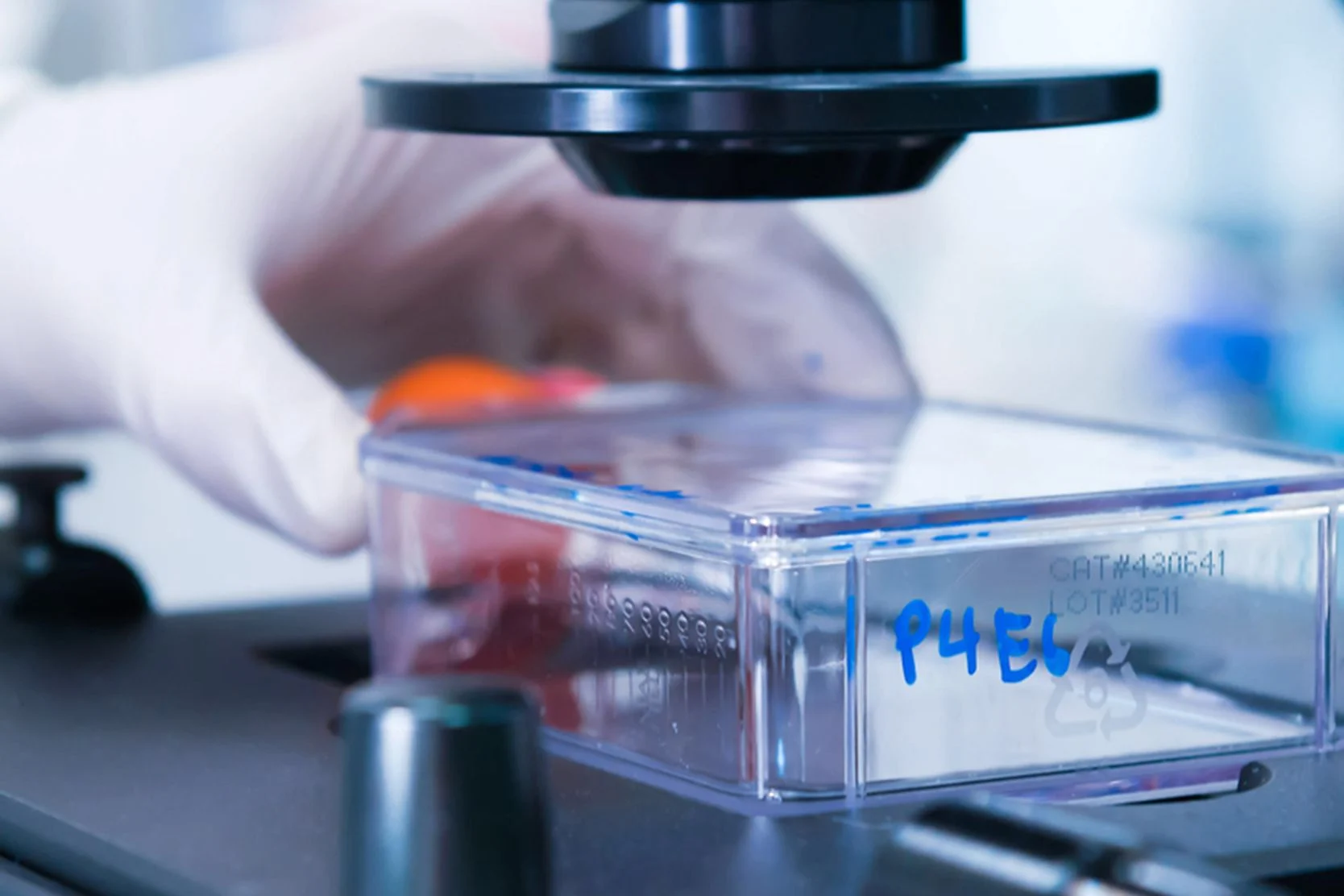
Cancer Pathology Tissue Slides FAQ
If you have a biopsy or surgery, diseased tissue is often placed on slides for a pathologist to examine. Learn how to get the slides to your doctor for review.
Cancer Radiology Scans and Reports FAQ
Learn the difference between a radiology report and radiology films or scans, why your doctor might request the scans and how to get them.
Self-Care for Caregivers
Caregiver fatigue can be brought on by the physical and emotional demands of caring for a loved one with a serious illness. Learn tips to combat caregiver fatigue here.
Communicating with Your Doctor
The doctor-patient relationship is built on communication and trust. Get tips to strengthen the partnership between you and your care team.
Coping with Chemotherapy
Everyone experiences chemotherapy differently. Understand the possible emotional and physical side effects of chemotherapy and how to cope.
Delegation to Help with Fatigue
Fatigue caused by cancer treatment can make it hard to accomplish tasks. Learn how to delegate tasks to people you trust and communicate effectively.
Nutrition Plans for Cancer Patients Undergoing Treatment
Side effects of cancer treatment may include a loss of appetite and nausea. Find out what foods to avoid and which ones may help you feel better.
Managing Your Treatment
Living with cancer or caring for someone with the disease can be overwhelming. Here are tips to reduce stress and help navigate life with cancer.
Nutrition and Coping with Cancer Symptoms
Side effects of cancer treatment may affect your eating habits. Find new ways to get the calories, protein and nutrients you need.
Questions to Ask Your Cancer Doctor
These questions can guide conversations with your cancer doctor and help you get the information you need to make care decisions for yourself or a loved one.
Resources for End of Life
Get resources to support yourself and your loved ones through end-of-life issues. Find bereavement support groups, counselors and reading materials.
Tips for Conserving Your Energy
Cancer treatments can cause extreme exhaustion. Here are tips to help you conserve your energy and manage cancer-related fatigue.
Using a Medical Calendar and Symptom Log
Here’s how to keep a medical calendar and symptom log to help you and your doctor track your condition and side effects of treatments or medications.
Helpful resources
Support services

Art for Recovery
Creativity can help people with serious illnesses cope, heal and express what they're going through. Find out about our program and how to join.
Cancer Exercise Counseling
Our one-on-one exercise training sessions, customized for your needs and abilities, can complement other cancer treatments and speed your recovery.
Cancer Nutrition Counseling
UCSF Health offers free nutrition counseling to our patients with cancer, as well as nutrition seminars that are open to anyone. Learn more.
Cancer Support Groups
These groups offered by the Ida and Joseph Friend Patient and Family Cancer Resource Center are free and available to all patients, whether or not you get your health care at UCSF.
Core and More Class for Cancer Patients
A strong body helps you fight cancer and enjoy life. Join this class to stabilize your core, strengthen your muscles and improve overall fitness. For cancer patients and caregivers!
Friend to Friend Specialty Shops
A one-stop boutique for patients with cancer. Get professional help with wigs, prostheses, sun-protective clothing, makeup, skin care and more.
Meditation and Guided Imagery for Cancer Patients
Drop in for a free class designed to help you heal, relax and find balance during your treatment. UCSF and non-UCSF patients are welcome.
Oncology Social Work
Social workers offer support, problem-solving, help accessing UCSF cancer-related resources and more. Find out how to contact the social worker for your clinic.
Patient & Family Cancer Resource Center
The center offers wellness programming, community, support groups, classes, workshops and more at no cost to people facing cancer and their loved ones.
Peer Support Programs for Cancer
PeerTalk connects interested cancer patients with cancer survivors who can share their own experience to provide emotional and practical support.
UCSF Health medical specialists have reviewed this information. It is for educational purposes only and is not intended to replace the advice of your doctor or other health care provider. We encourage you to discuss any questions or concerns you may have with your provider.