
Ebstein Anomaly
On this page
Overview
Ebstein anomaly is a rare defect in which the tricuspid valve, which prevents backflow of blood from the right ventricle into the right atrium, is deformed. The right side of the heart is where deoxygenated blood from the body is pumped into the lungs for oxygenation.
Our approach to Ebstein anomaly
UCSF provides comprehensive, highly specialized care for adults living with heart defects such as Ebstein anomaly. Our dedicated team of experts offers a wide array of services, including thorough medical evaluations, advanced treatments, long-term monitoring, and personalized recommendations on diet, exercise, psychosocial support and family planning.
Signs & symptoms
Ebstein anomaly usually consists of the valve being displaced downward into the ventricle. The three flaps, or leaflets, that make up the valve opening are malformed or absent. This results in blood leaking back into the atrium. In addition to the valve malformation, this condition also often includes:
- Enlarged right heart chambers
- Atrial septal defect, a hole between the atrial chambers, in about half of patients
- Irregular heart rhythm or arrhythmia
Babies born with Ebstein anomaly usually are treated surgically in infancy so most adults with the condition only have mild symptoms. Often, when Ebstein anomaly is first detected during adulthood, the condition is mild. More severe complications can result in heart failure and in cyanosis, in which the skin takes on a bluish tint due to a lack of oxygen. An adult may experience difficulty breathing, have problems with exercise, chest pain and fainting spells.
Diagnosis
Check-ups with a specialist in congenital heart disease in adults would include:
- Electrocardiogram (EKG or ECG), which records the heart's electrical activity
- Chest X-ray to see the heart's size
- Echocardiogram, which is an ultrasound examination of the heart
- Exercise test, measures how much oxygen the heart can provide to your muscles while you exercise
- Holter monitor or event recorder in case of arrhythmia
- Electrophysiology studies
Treatments
If the deformity is severe at birth, it may require immediate surgery. In adults with milder cases, treatment may include medications or special procedures to manage arrhythmia. People with Ebstein anomaly should be prescribed antibiotics before surgery or dental procedures to protect against endocarditis.
If medication no longer controls symptoms or if the heart enlarges and loses efficiency, surgery may be required. The surgery may either repair the tricuspid valve or replace it with an artificial valve. It also may involve repairing any associated condition such as atrial septal defect.
If arrhythmia is present, radiofrequency ablation, a procedure in which a burst of energy destroys an abnormal electrical pathway in the heart, may be necessary. Rarely, a permanent pacemaker will be implanted.
Adults with Ebstein anomaly should be followed regularly by a cardiologist with a special interest in adult congenital heart disease. Yearly echocardiograms are necessary in all but the mildest cases.
Awards & recognition

Among the top hospitals in the nation
One of the nation's best for heart & vascular care
Recommended reading

FAQ: Electrophysiology Study and Catheter Ablation
Explore commonly asked questions about electrophysiology study and catheter ablation, including how long the procedure takes and when you can return to work.
FAQ: Implantable Cardioverter Defibrillators
Learn about implantable cardioverter defibrillators (ICDs) and get answers to questions about what it feels like and what to know about living with an ICD.
Electrophysiology Procedure
An electrophysiology (EP) procedure assesses your heart’s electrical system or activity. Here’s what to expect before, during and after an EP study.
How the Heart Works
Your heart has four compartments, or chambers, that constantly pump blood to deliver oxygen and nutrients to the body. Learn more about how your heart works.
Preparing for an EP Study
Review this guide before an electrophysiology (EP) study or a catheter ablation to prepare for the procedure and make your visit as comfortable as possible.
More treatment info
Catheter Ablation
Learn about how the catheter ablation procedure provides relief from arrhythmia, with most patients reporting improved health and no need for medication.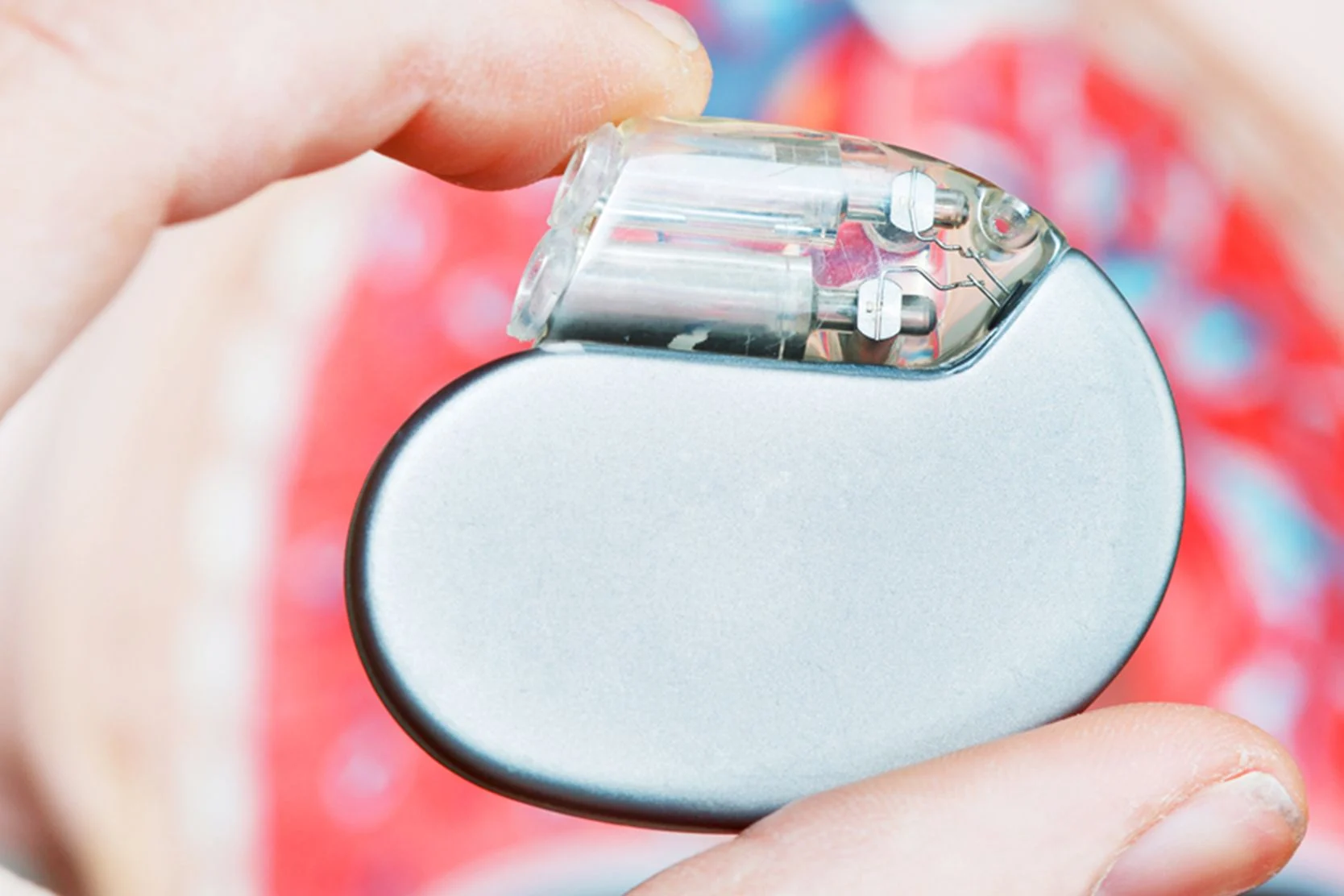
Implantable Cardioverter Defibrillator (ICD)
Learn how implantable cardioverter defibrillators (ICDs) use special pacing to help manage fast heartbeats and irregular heart rhythms.
Related services & treatments
Specialties
Conditions
- Congenital Heart Disease
Treatments
- Cardiovascular Risk Factor Modification
Support services

Case Management and Social Work
Connect with a team that can help you find resources, solve problems and advocate for you during treatment at UCSF.
International Services
If you live outside the United States and are coming to UCSF for medical treatment, our patient liaisons can help coordinate all aspects of your visit.
Interpreting Services
UCSF offers interpreters in various languages, including American Sign Language (ASL), as well as services for deaf, hard-of-hearing and visually impaired patients.
Mindfulness-Based Stress Reduction Class
This eight-week class teaches mindfulness practices that can reduce stress and improve your overall health, such as meditation and body awareness.
Patient Relations
We welcome feedback about your experience at UCSF Health. Find out how to contact us with comments, questions or concerns.
Spiritual Care at UCSF
Chaplains representing many faiths are available around the clock to provide support, comfort and counsel to patients, families and caregivers.
Stop Smoking/Vaping/Chewing Class
Get help quitting. Our tobacco addiction specialists will guide you through a four-week course on smoking, health and how to quit.
UCSF Health medical specialists have reviewed this information. It is for educational purposes only and is not intended to replace the advice of your doctor or other health care provider. We encourage you to discuss any questions or concerns you may have with your provider.