
Epilepsy
On this page
Overview
Epilepsy is a disorder characterized by recurrent seizures. Seizures are caused by abnormal activity of nerve cells, called neurons, in the brain. In the United States, about 2 million people have epilepsy and as many as 150,000 more develop the condition each year. About a third of them are children.
Epilepsy has many possible causes, such as an imbalance of nerve-signaling chemicals, called neurotransmitters, or abnormal nerve connections that form after an injury such as head trauma or stroke. Other types of epilepsy run in families and have been tied to specific genes. Often, it may be difficult to understand why a specific person develops epilepsy, but this does not mean that effective treatment is impossible.
Our approach to epilepsy
At UCSF, we treat all forms of epilepsy and offer state-of-the-art options for diagnosis and therapy. Treatments include medications, surgery and implant devices as well as access to clinical trials of potential new therapies. Our expertise, innovation and leadership in epilepsy care have earned us a level 4 rating (the highest possible rating) from the National Association of Epilepsy Centers.
Signs & symptoms
Seizures are divided into two categories: generalized and focal.
Generalized seizures
Generalized seizures are caused by abnormal electrical impulses in the brain and typically occur with no warning. There are six types of generalized seizures.
- Tonic-clonic (grand-mal) seizure. This seizure causes you to lose consciousness and often collapse. Your body becomes stiff during what's called the "tonic" phase. During the "clonic" phase, muscle contractions cause your body to jerk. Your jaws clamp shut and you may bite your tongue. Your bladder may contract and cause you to urinate. After one to two minutes, you fall into a deep sleep.
- Absence (petit mal) seizure. During these brief episodes, you lose awareness and stare blankly. Usually, there are no other symptoms. They tend to begin and end suddenly and last for about five to 10 seconds, although they can last longer. These seizures may occur several times a day.
- Myoclonic seizure. These very brief seizures cause your body to jerk, as if shocked by electricity, for a second or two. The jerks can range from a single muscle jerking to involvement of the entire body.
- Clonic seizure. This seizure causes rhythmic jerking motions of the arms and legs, sometimes on both sides of your body.
- Tonic seizure. Tonic seizures cause your muscles to suddenly stiffen, sometimes for as long as 20 seconds. If you're standing, you'll typically fall.
- Akinetic or atonic seizure. This seizure causes your muscles to relax or lose stength, particularly in the arms and legs. Although you usually remain conscious, it can cause you to suddenly fall and lead to injuries. These seizures also are called "drop attacks."
Focal seizures
Focal seizures, also known as local or partial seizures, are caused by abnormal electrical activity in a specific, smaller part of the brain. The part of the brain causing the seizure is called the seizure focus. Focal seizures are divided into simple and complex seizures.
Some focal seizures evolve into generalized seizures. These are called secondarily generalized seizures.
- Simple focal seizure. During these seizures, you remain conscious although some people can't speak or move until the seizure is over. Uncontrolled movements, such as jerking or stiffening, can occur throughout your body. You also may experience emotions such as fear, rage or even joy, or odd sensations, such as ringing sounds or strange smells. In addition, you may experience peculiar memories such as a feeling of "déjà-vu." Typically, these seizures last less than one minute.
- Complex focal seizure. During these seizures, you are not fully conscious and may appear to be in a dreamlike state. Typically, they start with a blank stare. You may involuntarily chew, walk, fidget or perform other repetitive movements or simple actions, but actions are typically unorganized or confused. These seizures typically last between 30 seconds and a minute.
- Secondarily generalized seizure. These seizures begin as a focal seizure and develop into a generalized seizure as the electrical abnormality spreads throughout the brain. You may be fully conscious when the seizure begins but then lose consciousness and experience convulsions as it develops.
Diagnosis
During your visit to the Epilepsy Center, we will record your medical history – as well as your family's medical history – and conduct diagnostic tests. Your neurologist will determine the type of seizures you're having and the cause. If you're diagnosed with epilepsy, your doctor will identify the specific type you have to determine the best treatment.
We will ask many questions about your seizures. If you lose consciousness during your seizures, please bring a family member or friend who might help describe what happens during your seizures.
Some of the questions will include:
- How old were you when your seizures began?
- What was happening around you when you had your first seizure?
- Does anything in particular trigger your seizures?
- What do you experience during your seizures?
- What do observers notice when you have your seizures?
- How long do the seizures last?
- How frequently do they occur?
- What treatments have you received for seizures and what were the results?
If your primary care doctor has sent your medical records, we will review this information.
Please tell your neurologist about any medications you are currently taking, including over-the-counter medications as well as vitamins, nutritional supplements or herbal remedies.
Your complete neurological examination may include tests such as:
- Electroencephalogram (EEG), which measures electrical activity in your brain.
- Imaging tests such as computed tomography (CT) scans, magnetic resonance imaging (MRI) and X-rays.
- A video EEG.
- An evaluation for epilepsy surgery, which may include tests such as magnetoencephalogram (MEG), brain SPECT and stereo-EEG.
Treatments
Your neurology team at the Epilepsy Center, along with your primary care doctor, will design a treatment plan tailored to your condition and individual needs. You may require more than one kind of treatment – such as medication and surgery – and may be referred to other medical professionals.
Medication
Most seizures can be prevented with medication. The type of medication prescribed will depend on your condition. Your neurologist will explain how to take your medication and what side effects might occur. Over time, your medication may be changed to find the right drug and dose. Be sure to take your medication as directed. Call your neurologist if you have questions or experience any unexpected side effects.
Surgery
For some patients, surgery may be recommended to prevent seizures or to implant devices that deliver medications or stimulators to emit electrical impulses. Your neurologist will explain the procedure as well as possible risks.
These procedures include:
Focal resections
These procedures are the most common operations for treating epilepsy and provide the best chance for patients to gain complete seizure control. They involve removing a small area of the brain where seizures originate. New brain monitoring techniques allow doctors to better pinpoint the brain tissue causing seizures. Types of resections include:
- Temporal lobectomy. A portion of the temporal lobe is removed to control seizures.
- Lobar resection. A portion of a seizure-producing lobe – frontal, parietal or occipital – is removed, if it can be done without damaging vital functions.
- Hemispherectomy. One sphere of the brain is removed or disabled. The remaining half of the brain takes over many of the functions of the half that was removed. This procedure is used to treat severe conditions that have not responded to other treatments.
Visualase thermal laser ablation
In this procedure, a laser fiber is inserted through a small hole in the skull and guided toward the source of the patient's seizures. The laser then heats and destroys the small, well-defined area of abnormal brain tissue, leaving the surrounding tissue unharmed.
Responsive neurostimulation
A small, battery-powered device is surgically implanted in the skull. The device detects abnormal electrical activity in the brain and delivers imperceptible levels of electrical stimulation to normalize brain activity before a seizure begins. The FDA approved the device in November 2014, and UCSF is one of the first centers on the West Coast to provide this new treatment option to patients.
Disconnection procedures
These procedures attempt to stop or reduce seizures by cutting the nerve pathways through which seizure impulses travel in the brain.
Vagal nerve stimulation
This minor surgery is a relatively new treatment that helps prevent or lessen the severity of seizures. An electrical stimulator is implanted that sends regular electrical pulses through the vagus nerve to the brain to reduce the onset or frequency of seizures. If a seizure occurs between doses of current, a magnet can be passed over the device to trigger an additional dose.
If you have a vagus nerve stimulator implanted, you'll continue to take medication but may be able to reduce the amount or number of medications. This procedure can treat a wide variety of seizure disorders when other surgical procedures aren't an option.
Most medical treatments may involve some risks or complications. Your neurologist will explain any possible risks or complications from the treatments you'll receive. Don't be afraid to ask your doctors, nurses or therapists about your treatment. If your treatment includes medication, be sure to take it exactly as the doctor has ordered. And remember to keep all your follow-up appointments with our doctors and other medical staff.
Self-care recommendations
To help cope with epilepsy and reduce your chance of injury from seizures, we recommend these guidelines:
- Carry identification, including a bracelet, card or necklace that shows you have epilepsy. In an emergency, this information can ensure that you receive the right care.
- Explain to your family, friends and co-workers how to care for you if you have a seizure.
- Follow your state regulations about driving motor vehicles.
- If you are having regular or even occasional seizures, avoid dangerous situations at work and during leisure activities. For example, do not work in high places, on ladders or scaffolding, or near sharp or moving objects. Be careful when you play sports. Don't swim or go mountain climbing by yourself.
- Don't stop taking your seizure medication or change the dose without discussing it with your doctor.
- Talk with your doctor or pharmacist before taking any medication in addition to your seizure drugs.
- If you are pregnant or thinking of becoming pregnant, talk to your neurologist as soon as possible. You may need to take vitamin supplements to protect your baby.
Awards & recognition

Among the top hospitals in the nation
Best in the West and No. 3 in the nation for neurology & neurosurgery
Level 4
Accredited level 4 epilepsy center (National Association of Epilepsy Centers)
#1
in the West for number of epilepsy surgeries performed
More treatment info
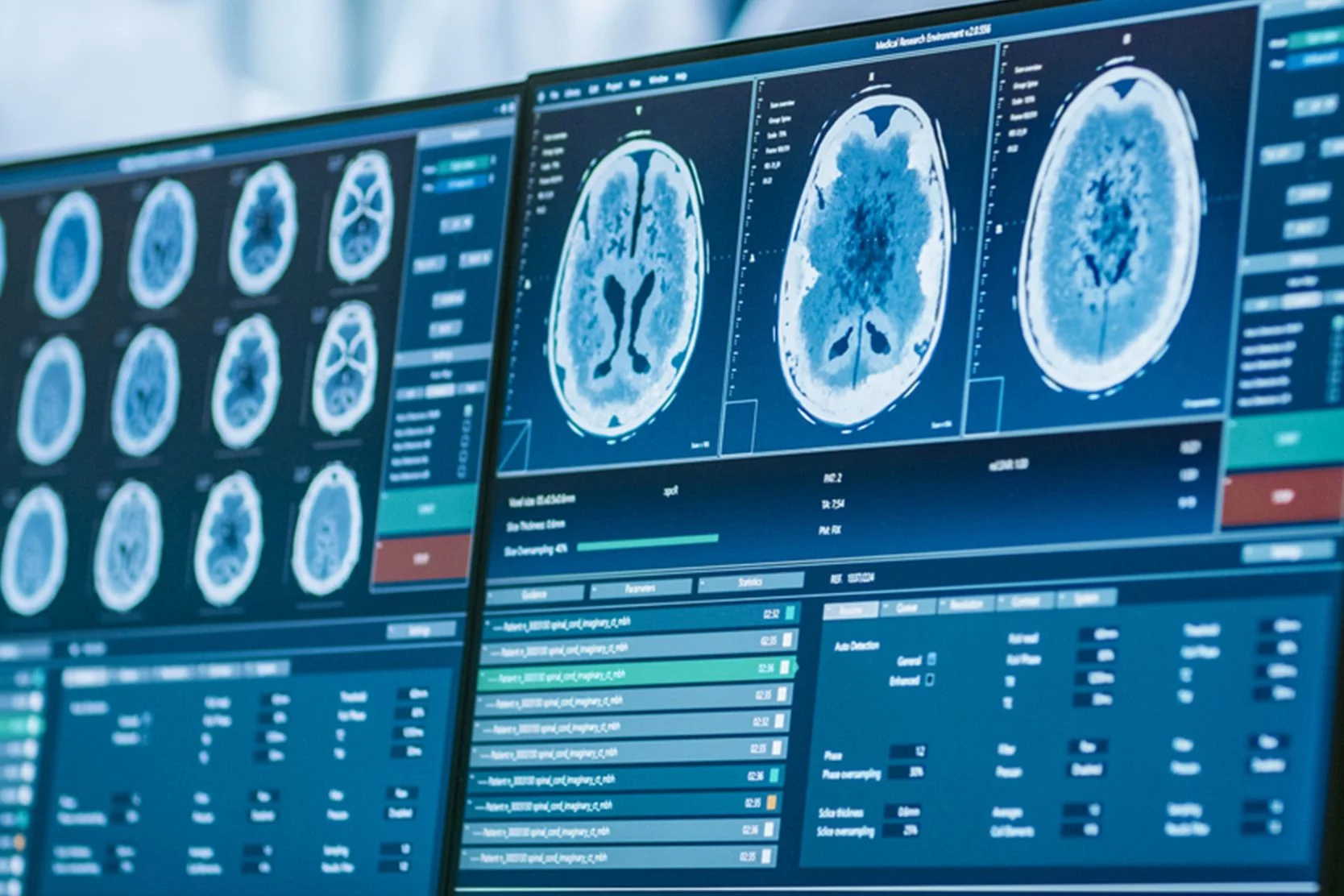
Brain Mapping
The brain is the most complicated organ in our body. Every area has a specific function that controls everything that we do. Find more information here.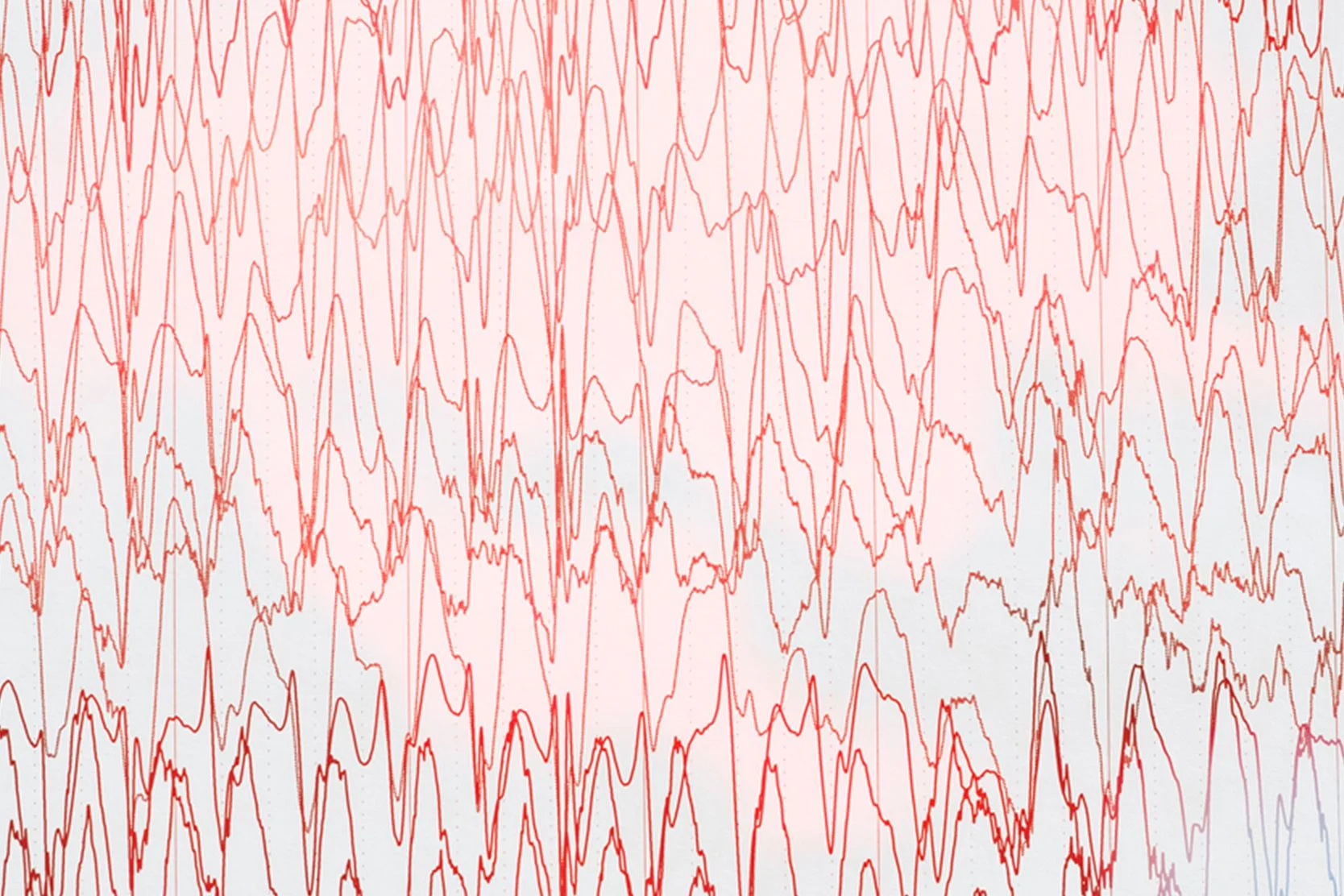
Focal Resection
The most common surgical treatment for epilepsy involves removing (resecting) the small area of brain tissue where the patient's seizures originate.
Responsive Neurostimulation
RNS uses an implanted device to help prevent seizures before they begin, similar to how a pacemaker detects and treats abnormal heart rhythms.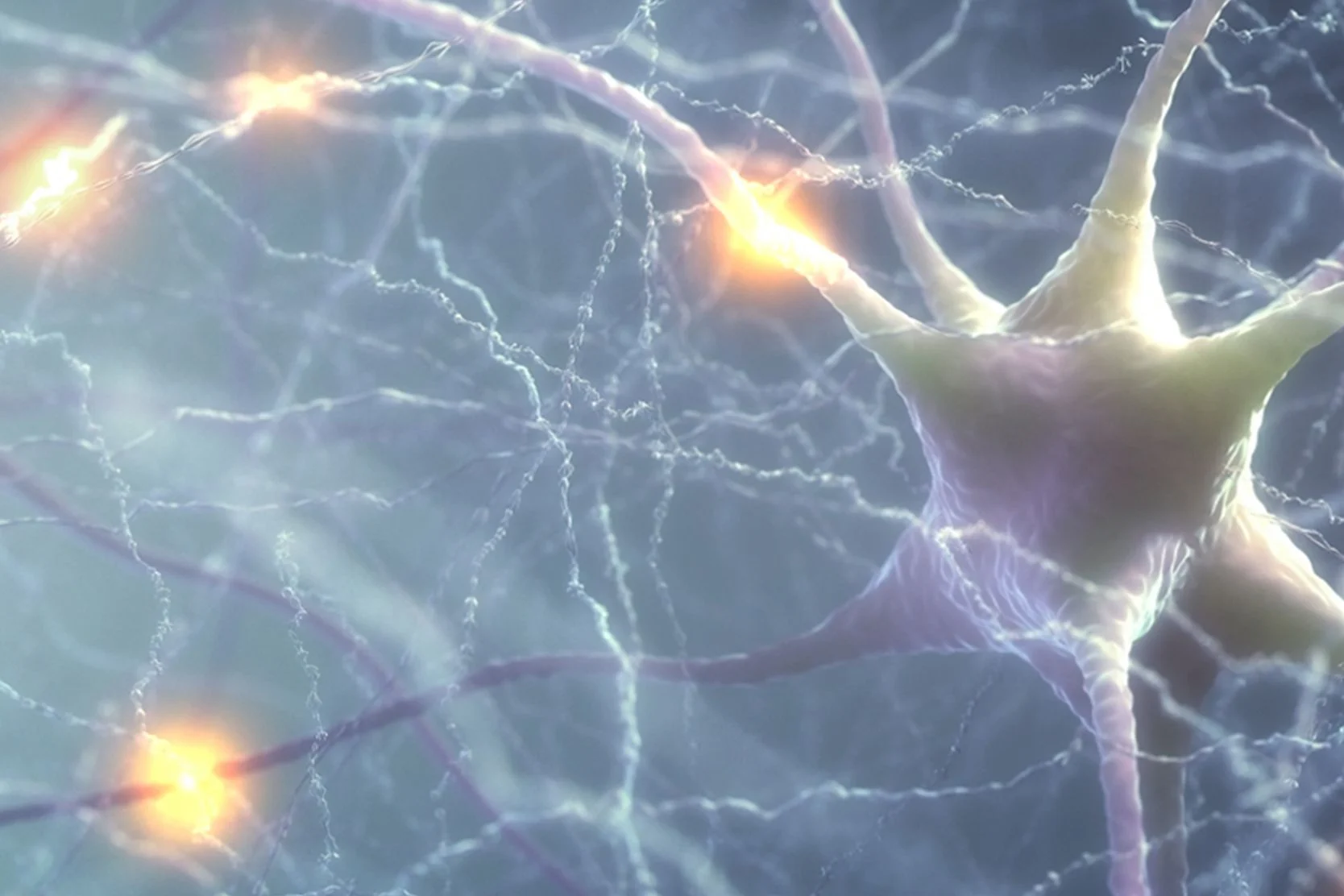
Vagal Nerve Stimulation
Vagal nerve stimulation is a treatment used to reduce the frequency and intensity of seizures when medications aren't effective. Find more information here.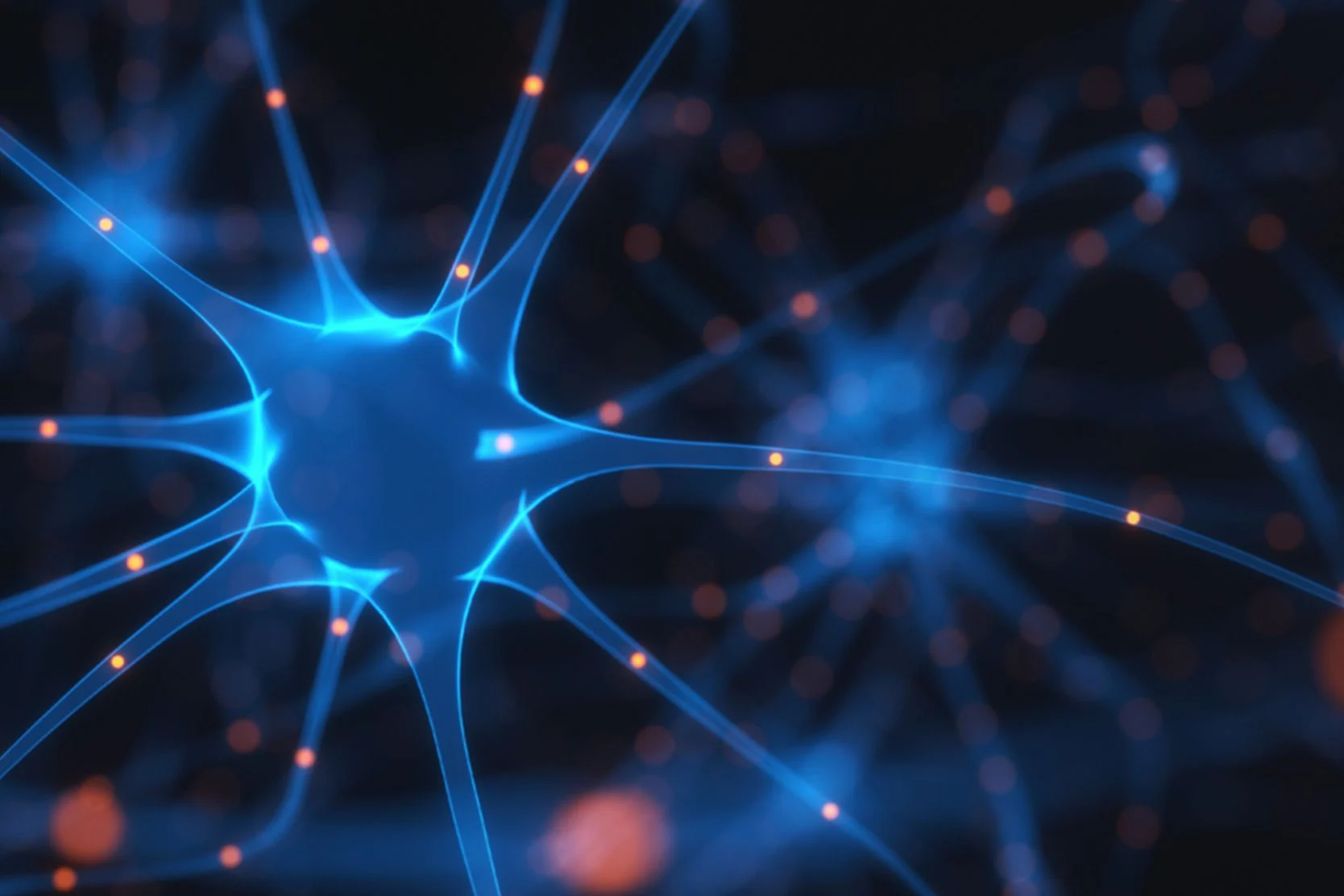
Visualase Thermal Laser Ablation
In this laser surgery for adults and children with epilepsy, a laser fiber is guided toward the source of a patient's seizures through a small hole in the skull. The laser then heats and destroys the abnormal brain tissue without hurting the surrounding healthy tissue.
Support services

Case Management and Social Work
Connect with a team that can help you find resources, solve problems and advocate for you during treatment at UCSF.
Mindfulness-Based Stress Reduction Class
This eight-week class teaches mindfulness practices that can reduce stress and improve your overall health, such as meditation and body awareness.
Neurology Support Groups
Find support for caregivers, families and patients dealing with aneurysm and AVM disorders, Parkinson's, MS and other neurological disorders.
Patient Relations
We welcome feedback about your experience at UCSF Health. Find out how to contact us with comments, questions or concerns.
Spiritual Care at UCSF
Chaplains representing many faiths are available around the clock to provide support, comfort and counsel to patients, families and caregivers.
UCSF Health medical specialists have reviewed this information. It is for educational purposes only and is not intended to replace the advice of your doctor or other health care provider. We encourage you to discuss any questions or concerns you may have with your provider.