

Hematology, Blood & Marrow Transplant, and Cellular Therapy (HBC)
On this page
Why choose UCSF Health for blood disorder and blood cancer treatment?
At the UCSF Health Hematology, Blood and Marrow Transplant, and Cellular Therapy (HBC) Program, our experts provide lifesaving treatments and long-term management for malignant (cancerous) and benign (noncancerous) blood disorders.
A collaborative team of hematologists, hematologist-oncologists, immunologists and infectious disease specialists work together to plan your treatment. Nurse practitioners and social workers support your follow-up care to prevent complications and help you feel as comfortable as possible.
Why choose UCSF Health for blood disorder and blood cancer treatment?
At the UCSF Health Hematology, Blood and Marrow Transplant, and Cellular Therapy (HBC) Program, our experts provide lifesaving treatments and long-term management for malignant (cancerous) and benign (noncancerous) blood disorders.
A collaborative team of hematologists, hematologist-oncologists, immunologists and infectious disease specialists work together to plan your treatment. Nurse practitioners and social workers support your follow-up care to prevent complications and help you feel as comfortable as possible.
Advanced treatments
As innovators in the field of hematology-oncology, we pioneer emerging treatments, such as CAR T-cell therapy in the treatment of multiple myeloma.Recognized expertise
UCSF Health consistently earns top national rankings in leukemia, lymphoma and myeloma care from U.S. News & World Report.Comprehensive support
From nutritional counseling and symptom management to integrative therapies, such as massage and acupuncture, we help improve your quality of life.Research and clinical trials
We offer a wide range of clinical trials, which means our patients are often the first to benefit from breakthrough therapies not available elsewhere.
Our areas of expertise in blood cancers and other blood disorders
UCSF Health is home to a diverse and growing team of blood disorder specialists. The scope of our program means we have doctors with in-depth expertise in leukemia, lymphoma, myeloma, anemias, and bleeding and clotting disorders. They offer highly specialized care at every stage, from diagnosis through treatment and beyond.
We also offer programs dedicated to specific diseases, including hemophilia treatment and cutaneous lymphoma. Additionally, our specialists have experience managing blood diseases and immune disorders that affect blood cells, such as:
Hemophagocytic lymphohistiocytosis (HLH)
HIV-associated lymphoma
Lupus
Multiple sclerosis (MS)
Advanced diagnostics and second opinions for blood disorders
Patients and physicians throughout the country turn to UCSF Health for our ability to provide accurate and timely diagnoses for blood disorders. Our radiologists and pathologists, who evaluate imaging scans and tissue samples, have specialized expertise in blood and bone marrow diseases. Additionally, we use sophisticated genomic testing and molecular imaging to evaluate and stage blood cancers. These leading-edge techniques allow us to personalize your treatment strategy and better assess the effectiveness of treatment.
Our treatments for blood cancers and other blood disorders
Experts in our HBC program draw on many different treatment options to individualize your care plan. You may receive medication, chemotherapy, radiation therapy or blood transfusions, or a combination of these therapies, depending on your specific needs. We also specialize in advanced treatments for blood cancers that haven't responded to standard treatments or have returned after treatment. These may include cellular therapies, such as stem cell transplantation or CAR T-cell therapy.
Blood and bone marrow transplantation
For decades, UCSF Health has pioneered advances in stem cell transplantation. Stem cell transplantation (also called bone marrow transplantation) replaces damaged blood stem cells or bone marrow cells with healthy cells.
The goal is to stimulate your bone marrow to make new blood cells. Blood stem cells can develop into all types of blood cells, including red blood cells, white blood cells and platelets. Most people have chemotherapy and radiation therapy before their transplant to destroy cancer cells and help new stem cells grow.
We offer a range of transplant approaches, including:
Allogeneic transplant, using stem cells from a donor
Autologous transplant, using your own stem cells
Non-myeloablative (reduced-intensity) transplant, using a lower dose of chemotherapy and no radiation (an option for people who are older or aren't healthy enough for a standard transplant)
CAR T-cell therapy and immunotherapies for blood cancer
Immunotherapies are drugs that harness your body's immune system to fight cancer. UCSF Health is globally recognized for our groundbreaking work in cell-based immunotherapy. Our researchers and physicians developed the first FDA-approved checkpoint inhibitor more than a decade ago — a type of immunotherapy now used worldwide.
We continue to lead the field by actively engaging in CAR T-cell treatment and research. CAR T-cell therapy collects immune cells from your body and genetically modifies them in a lab. The new cells are reintroduced into your body, where they can identify and attack cancer cells. CAR T-cell therapy may benefit people with certain types of leukemia, lymphoma or myeloma.
UCSF Health researchers are actively investigating new uses for CAR T-cell therapy, as well as other emerging treatments that directly target cancer cells.
Locations
Providers
Excellence in patient care
Best in California and No. 7 in the nation for cancer care

Rated high-performing hospital for leukemia, lymphoma & myeloma care
220+
blood and marrow transplants performed each year
Related services
Related conditions & treatments
Conditions
Treatments
Clinical trials
ctDNAGuided Therapy for RelapsedRefractory Hodgkin LymphomaOpens in a new window
This is a single arm, open-label, multicenter, phase II study of pembrolizumab (pembro), gemcitabine, vinorelbine, and liposomal doxorubicin (GVD) in patients with relapsed or refractory classic Hodgkin lymphoma (cHL) with response-adapted consolidation. This study will investigate using circulating tumor DNA (ctDNA) at pre-determined time points using Foresight CLARITY LDT, an ultra-sensitive liquid biopsy platform that detects Minimal residual disease (MRD) in patients with B-cell lymphomas using the phased variant enrichment and sequencing technology (PhasEDq) to determine response to study interventions.Consolidation of First-Line MRD+ Remission With Cema-cel in Patients With LBCLOpens in a new window
This is a randomized, open-label study in adult patients who have completed standard first line therapy for large B-cell lymphoma (LBCL) and achieved a complete response or partial response suitable for observation, but who have minimal residual disease (MRD) as detected by the Foresight CLARITY™ Investigational Use Only (IUO) MRD test, powered by PhasED-Seq™. The purpose of the trial is to assess the efficacy and safety of consolidation with cemacabtagene ansegedleucel (cema-cel), an allogeneic CD19 CAR T product, as compared to standard of care observation.Testing Drug Treatments After CAR T-cell Therapy in Patients With Relapsed/Refractory Diffuse Large B-cell LymphomaOpens in a new window
This phase II trial tests whether mosunetuzumab and/or polatuzumab vedotin helps benefit patients who have received chemotherapy (fludarabine and cyclophosphamide) followed by chimeric antigen receptor (CAR) T-cell therapy (tisagenlecleucel, axicabtagene ciloleucel, or lisocabtagene maraleucel) for diffuse large B-cell lymphoma that has come back (recurrent) or that does not respond to treatment (refractory) or grade IIIb follicular lymphoma. Mosunetuzumab is a monoclonal antibody that may interfere with the ability of cancer cells to grow and spread. Polatuzumab vedotin is a monoclonal antibody, called polatuzumab, linked to a drug called vedotin. Polatuzumab is a form of targeted therapy because it attaches to specific molecules (receptors) on the surface of cancer cells, and delivers vedotin to kill them. Chemotherapy drugs, such as fludarabine and cyclophosphamide, work in different ways to stop the growth of cancer cells, either by killing the cells, by stopping them from dividing, or by stopping them from spreading. CAR T-cell therapy is a type of treatment in which a patient's T cells (a type of immune system cell) are changed in the laboratory so they will attack cancer cells. T cells are taken from a patient's blood. Then the gene for a special receptor that binds to a certain protein on the patient's cancer cells is added to the T cells in the laboratory. The special receptor is called a chimeric antigen receptor. Large numbers of the CAR T cells are grown in the laboratory and given to the patient by infusion for treatment of certain cancers. Giving mosunetuzumab and/or polatuzumab vedotin after chemotherapy and CAR T-cell therapy may be more effective at controlling or shrinking the cancer than not giving them.A Study of GC012F (AZD0120), a CAR T Therapy Targeting CD19 and BCMA in Subjects With Relapsed/Refractory Multiple MyelomaOpens in a new window
This trial is a phase 1b/2, open-label, multicenter study of GC012F (AZD0120), a CD19/BCMA dual CART-cell therapy, in adult subjects with relapsed/refractory Multiple Myeloma.A Study of JNJ-79635322 in Participants With Relapsed or Refractory Multiple Myeloma or Previously Treated Amyloid Light-chain (AL) AmyloidosisOpens in a new window
The primary purpose of this study is to identify the recommended phase 2 dose (RP2D[s]) and schedule(s) to be safe for JNJ-79635322 in Part 1 (dose escalation), and to characterize the safety and tolerability of JNJ-79635322 at the RP2D(s) selected and in disease subgroups in Part 2 (dose expansion).HLA-Mismatched Unrelated Donor Peripheral Blood Stem Cell Transplantation With Reduced Dose Post Transplantation Cyclophosphamide GvHD ProphylaxisOpens in a new window
The goal of this clinical trial is to determine the effectiveness of Reduced Dose Post-Transplant Cyclophosphamide (PTCy) in patients with hematologic malignancies after receiving an HLA-Mismatched Unrelated Donor (MMUD) . The main question[s] it aims to answer are:
Accreditations & memberships
Foundation for Accreditation of Cellular Therapy
Our HBC Program is accredited by the Foundation for Accreditation of Cellular Therapy (FACT). FACT-accredited programs follow specific high-quality medical and laboratory processes when providing cellular therapies, such as bone marrow transplants.
National Cancer Institute
The National Cancer Institute has designated UCSF Health a comprehensive cancer center, its highest ranking. This designation is awarded to centers that demonstrate scientific excellence and the ability to conduct cancer research across many disciplines.
Commission on Cancer
UCSF Health's cancer programs have been accredited by the American College of Surgeons' Commission on Cancer (CoC) since 1933. The CoC is a consortium of groups dedicated to improving cancer patients' survival and quality of life via research, education and better medical care.
National Comprehensive Cancer Network
UCSF is a member of the National Comprehensive Cancer Network, an alliance of the world's top cancer centers. The network brings together leaders in treatment and research to improve the quality, effectiveness and efficiency of cancer care.
Research initiatives
UCSF Helen Diller Family Comprehensive Cancer Center ResearchOpens in a new window
UCSF is home to a range of research initiatives aimed at improving outcomes for cancer patients everywhere. This includes research on topics such as immunotherapy, BRCA mutations and molecular diagnostic testing.
Cancer immunotherapy
Patient education
Hematology and BMT Resource Guide
Learn about hematology conditions and bone marrow transplant (BMT), connect with support groups and find resources that can promote healing and well-being.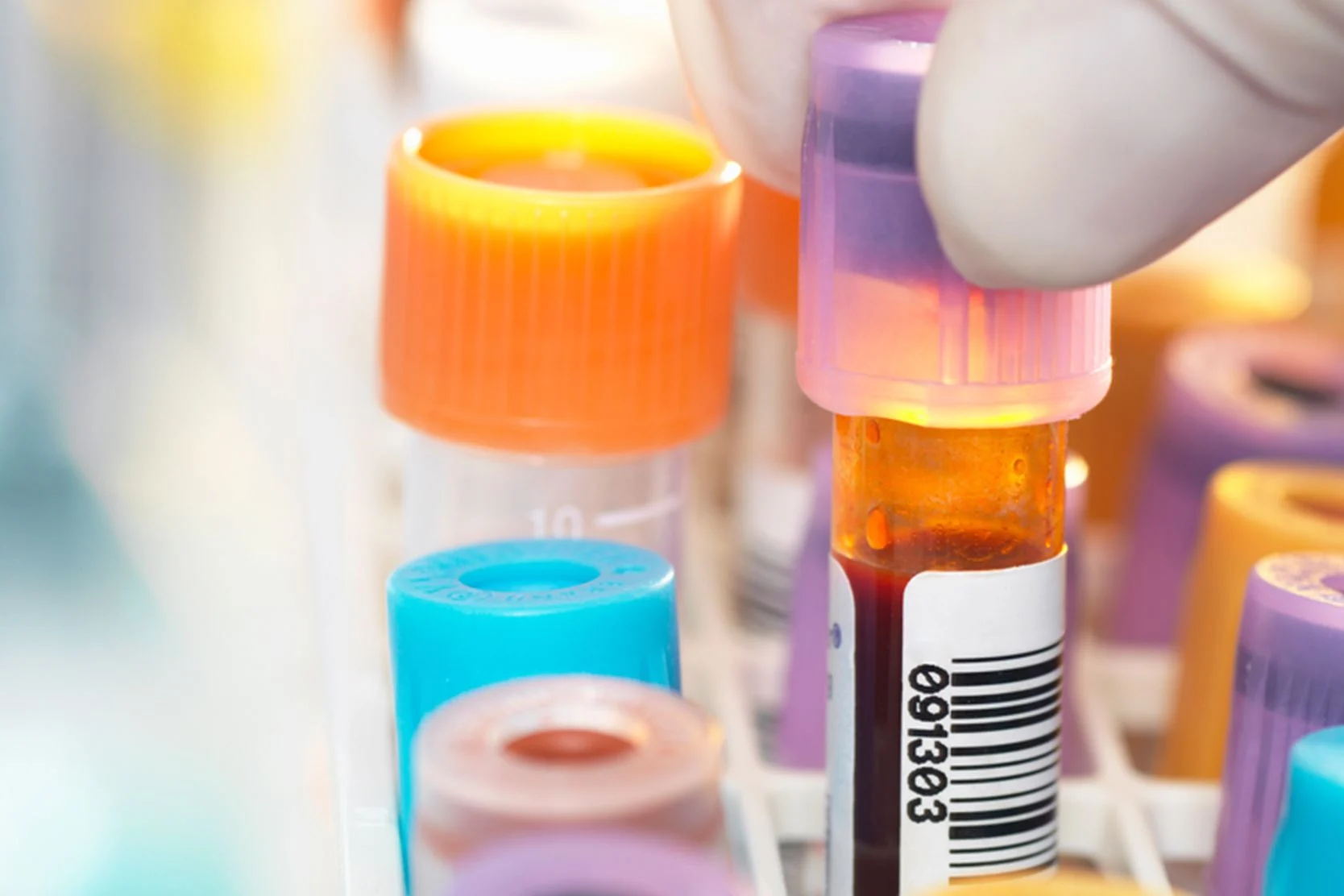
Autologous Transplant Guide
A blood and marrow transplant (BMT) can be challenging. This comprehensive guide can help you or a loved one prepare for the procedure.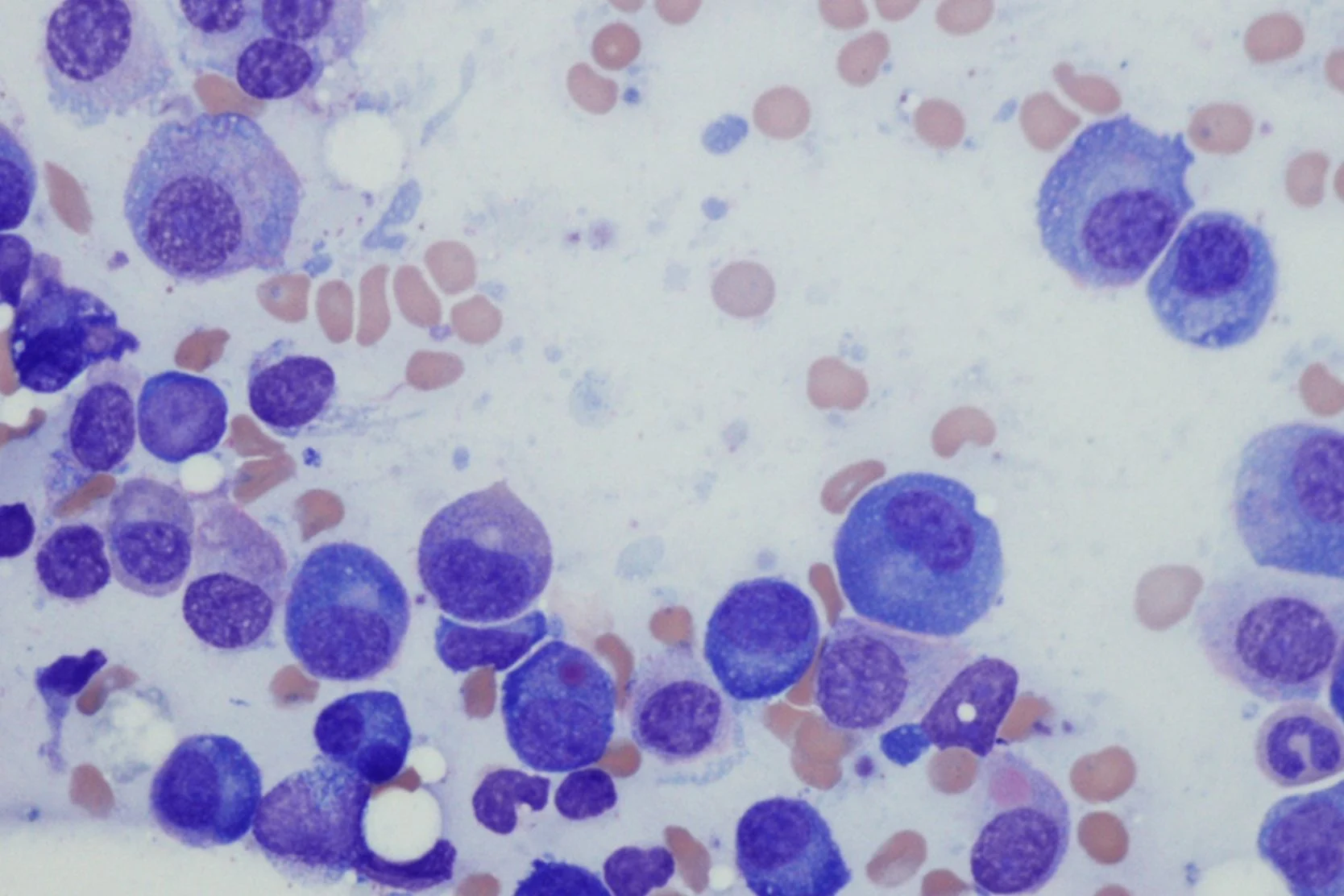
Bone Marrow Transplant Using an Unrelated Donor
Learn about an allogeneic bone marrow transplant, where the bone marrow comes from an unrelated donor. We use HLA typing to find the best match possible.
Support services
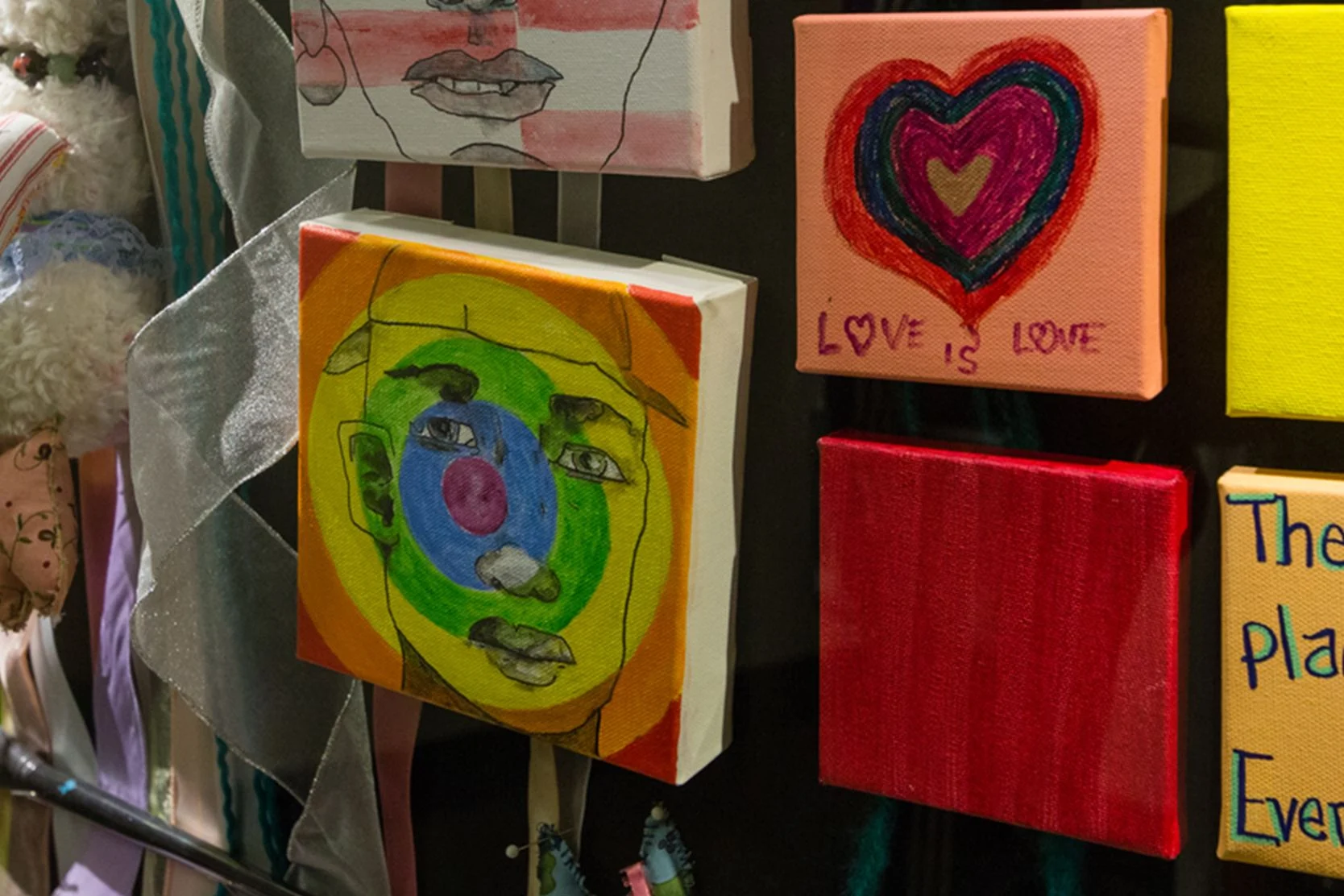
Art for Recovery
Creativity can help people with serious illnesses cope, heal and express what they're going through. Find out about our program and how to join.
Cancer Exercise Counseling
Our one-on-one exercise training sessions, customized for your needs and abilities, can complement other cancer treatments and speed your recovery.
Cancer Nutrition Counseling
UCSF Health offers free nutrition counseling to our patients with cancer, as well as nutrition seminars that are open to anyone. Learn more.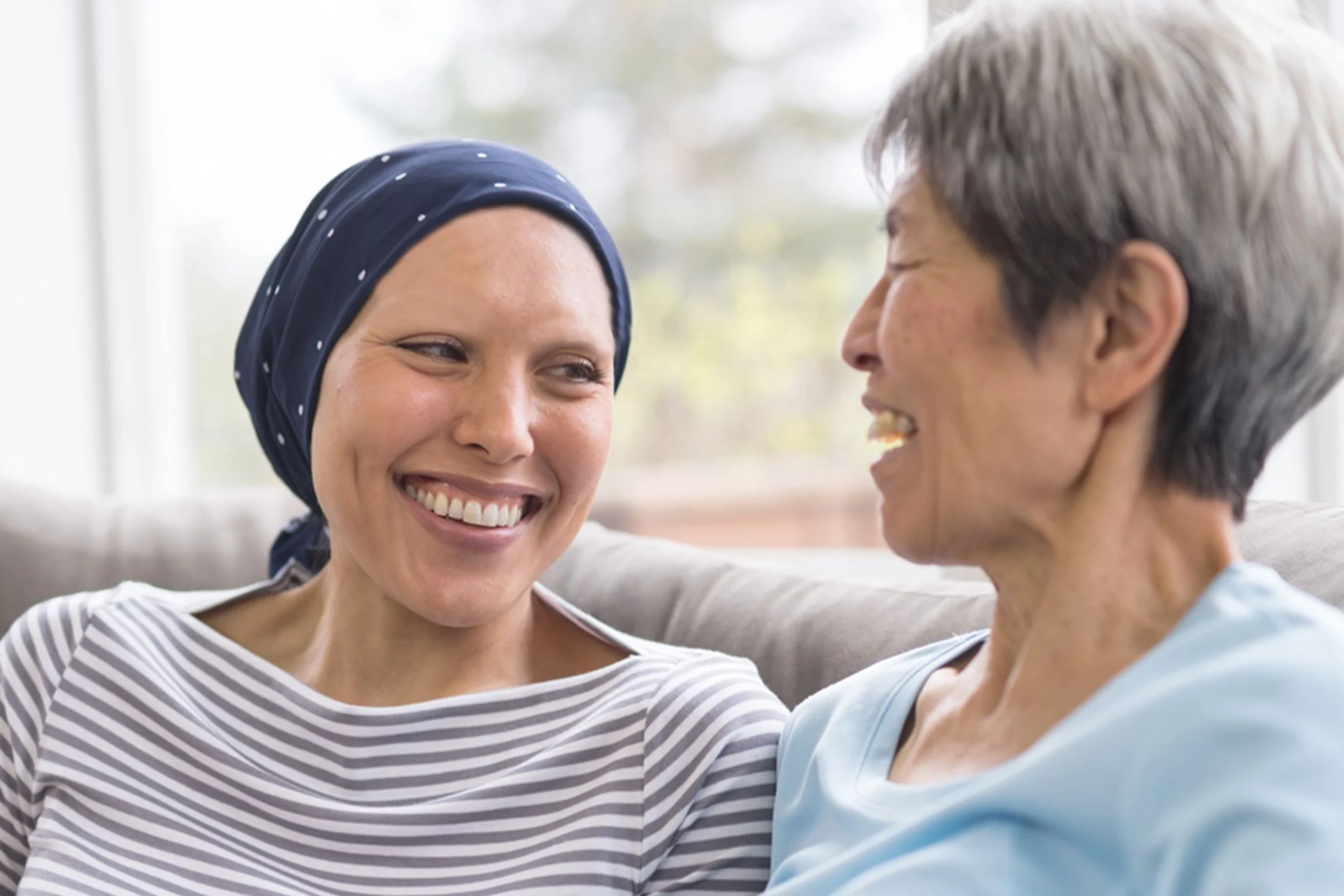
Cancer Support Groups
These groups offered by the Ida and Joseph Friend Patient and Family Cancer Support Center are free and available to all patients, whether or not you get your health care at UCSF.
Core & More Class for Cancer Patients
A strong body helps you fight cancer and enjoy life. Join this class to stabilize your core, strengthen your muscles and improve overall fitness. For cancer patients and caregivers!
Friend to Friend Specialty Shops
A one-stop boutique for patients with cancer. Get professional help with wigs, prostheses, sun-protective clothing, makeup, skin care and more.
Meditation & Guided Imagery for Cancer Patients
Drop in for a free class designed to help you heal, relax and find balance during your treatment. UCSF and non-UCSF patients are welcome.
Oncology Social Work
Social workers offer support, problem-solving, help accessing UCSF cancer-related resources and more. Find out how to contact the social worker for your clinic.
Patient & Family Cancer Support Center
The center offers wellness programming, community, support groups, classes, workshops and more at no cost to people facing cancer and their loved ones.
Peer Support Programs for Cancer
Patients are matched with peer support volunteers according to criteria such as diagnosis, cancer stage, age or gender. Speak to someone who's "been there."