
Sleep Apnea

Overview
Sleep apnea is a disorder in which your breathing is interrupted for periods of 10 seconds or more while you are asleep. These interruptions may occur hundreds of times a night, causing you to gasp for air and disrupting your sleep.
There are two main types of sleep apnea:
- Obstructive sleep apnea. This is the most common type of sleep apnea. It is characterized by an obstruction or narrowing of the nasal passages and throat during sleep. Patients tend to wake up repeatedly to gasp for air.
- Central sleep apnea. This type of sleep apnea is believed to be related to a malfunction of the brain's normal signal to breathe. The level of carbon dioxide in the blood rises, which may cause you to wake up.
Our approach to sleep apnea
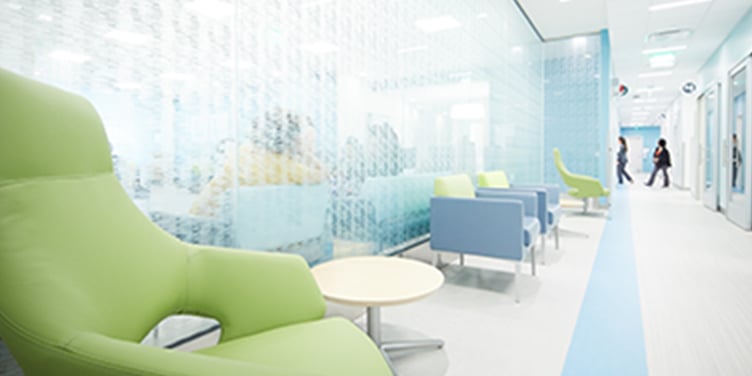
At UCSF, our sleep medicine specialists offer a comprehensive range of services and treatments for conditions such as sleep apnea, insomnia, narcolepsy, periodic limb movement disorder, restless legs syndrome and snoring. We have a sleep testing laboratory specially designed to provide cutting-edge diagnostic care in a comfortable, hotel-like setting for patients' overnight evaluations. Accredited by the American Academy of Sleep Medicine, our sleep center sees more than 2,000 patients each year.
Treatment for sleep apnea may include lifestyle and behavior modifications, such as making changes to lose weight, sleeping on your side or stomach (rather than your back), and avoiding alcohol before bed. The most effective therapy is continuous positive airway pressure (CPAP), which involves sleeping with a face mask connected to a device that delivers air to help you breathe. For some sleep apnea patients, we may consider dental devices or surgery to reposition the jaw.
Awards & recognition
-

Among the top hospitals in the nation
-
No. 8 in the nation for pulmonology & lung surgery
Signs & symptoms
Common symptoms of sleep apnea include:
- Restless sleep
- Loud, heavy snoring often interrupted by silence and gasps
- Drowsiness or fatigue, caused by the lack of sleep
- Headaches in the morning
- Irritability, forgetfulness, mood or behavior changes
- Anxiety or depression
If sleep apnea isn't treated, it can lead to serious health problems such as:
- Hypertension or high blood pressure
- Heart disease, heart attack and stroke
- Psychiatric symptoms such as depression
- Impotence and lack of interest in sex
- Memory loss or other problems with mental processing, also called cognitive dysfunction
Diagnosis
If you think you might have sleep apnea, your doctor may be able to make a diagnosis based on the description of your symptoms. In addition, an overnight evaluation with a sleep study may be performed to assess the severity and cause of your sleep problems.
During an overnight sleep study at your home or in a sleep laboratory, your breathing and other body functions are monitored while you sleep.
In a sleep laboratory such as the UCSF Sleep Testing Laboratory, tests, called polysomnograms, monitor your heart, lung, brain activity and eye movement as well as your breathing patterns, blood oxygen levels and body movements as you sleep.
At home, a portable monitor can measure the amount of oxygen in your blood, volume of air flowing through your nose when you breathe, your heart rate and chest movements that could indicate effort exerted when breathing.
Treatments
Sleep apnea rarely goes away without treatment. Treatments include lifestyle changes and behavior modification, such as losing weight, sleeping on your side or stomach and not on your back, and avoiding alcohol two to three hours before going to bed.
If those efforts fail, the most effective treatment is continuous positive airway pressure (CPAP). A mask covers your nose and mouth and is attached to a device that pumps a continuous flow of air while you sleep. Air flowing into your nostrils helps keep airways open.
Many patients find the mask uncomfortable and give up on treatment, but with practice, you can learn how to adjust the mask and adapt to the air pressure. You may need to try more than one type of mask before you find the one that works best for you.
New devices also are being developed to improve comfort:
- Humidifier. Air pumped by the CPAP device may cause dryness in the nasal passages and throat, sore tongue and nose bleeds. A CPAP humidifier helps alleviate the side effects.
- Nasal pillow. The CPAP nasal pillow is smaller than the conventional mask and plugs into the nostrils, making breathing more comfortable.
- Pressure relief. Exhaling against air pressure can be uncomfortable. A device, called CPAP pressure relief, automatically adjusts the air presssure when you inhale and exhale. The device flexes down air pressure when you start to exhale, then flexes up to treatment level when you inhale for better comfort.
Other treatments are:
- Dental devices to open the throat by forcing the lower jaw forward.
- Surgery by an otolaryngologist or head and neck surgeon to open breathing passages by repositioning or removing tissue of the nose, throat and jaw.
- Oral and maxillofacial surgeons can surgically reposition your jaw to open your throat.
UCSF Health medical specialists have reviewed this information. It is for educational purposes only and is not intended to replace the advice of your doctor or other health care provider. We encourage you to discuss any questions or concerns you may have with your provider.